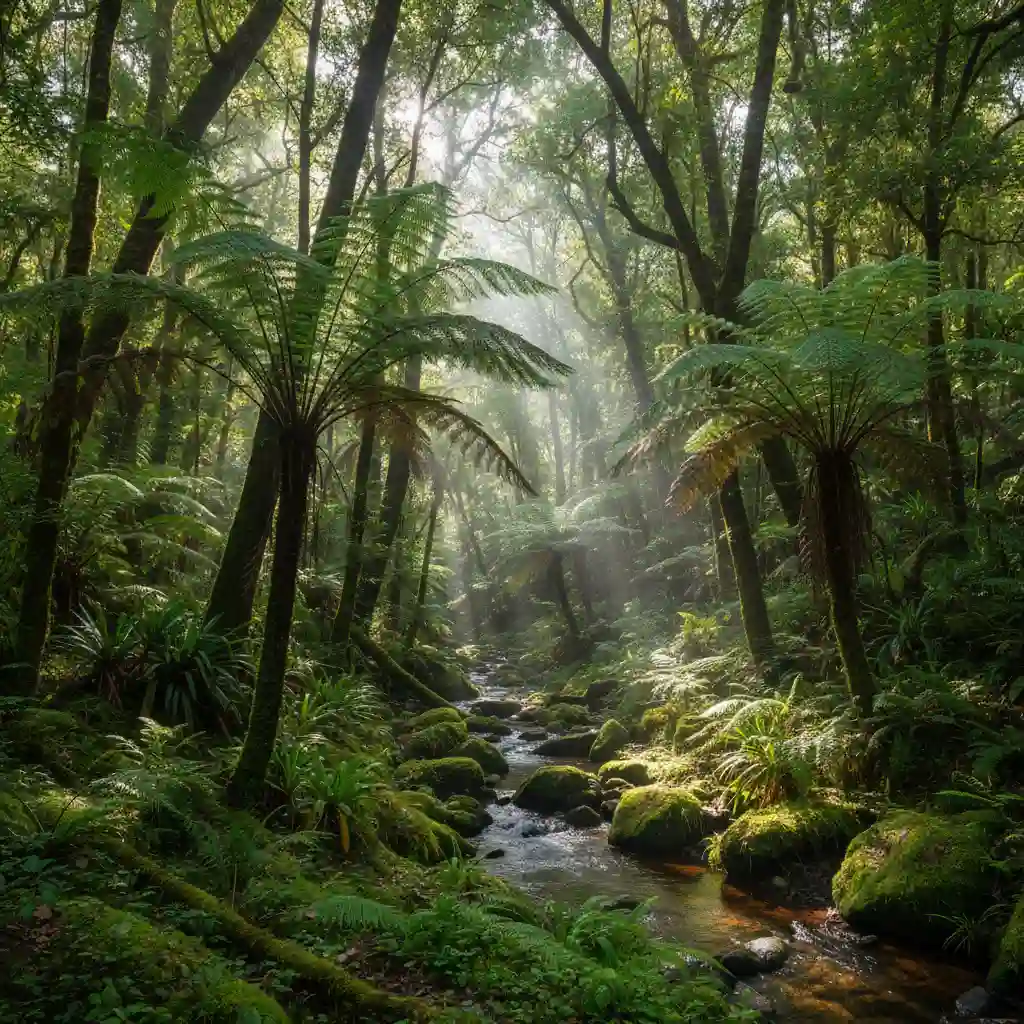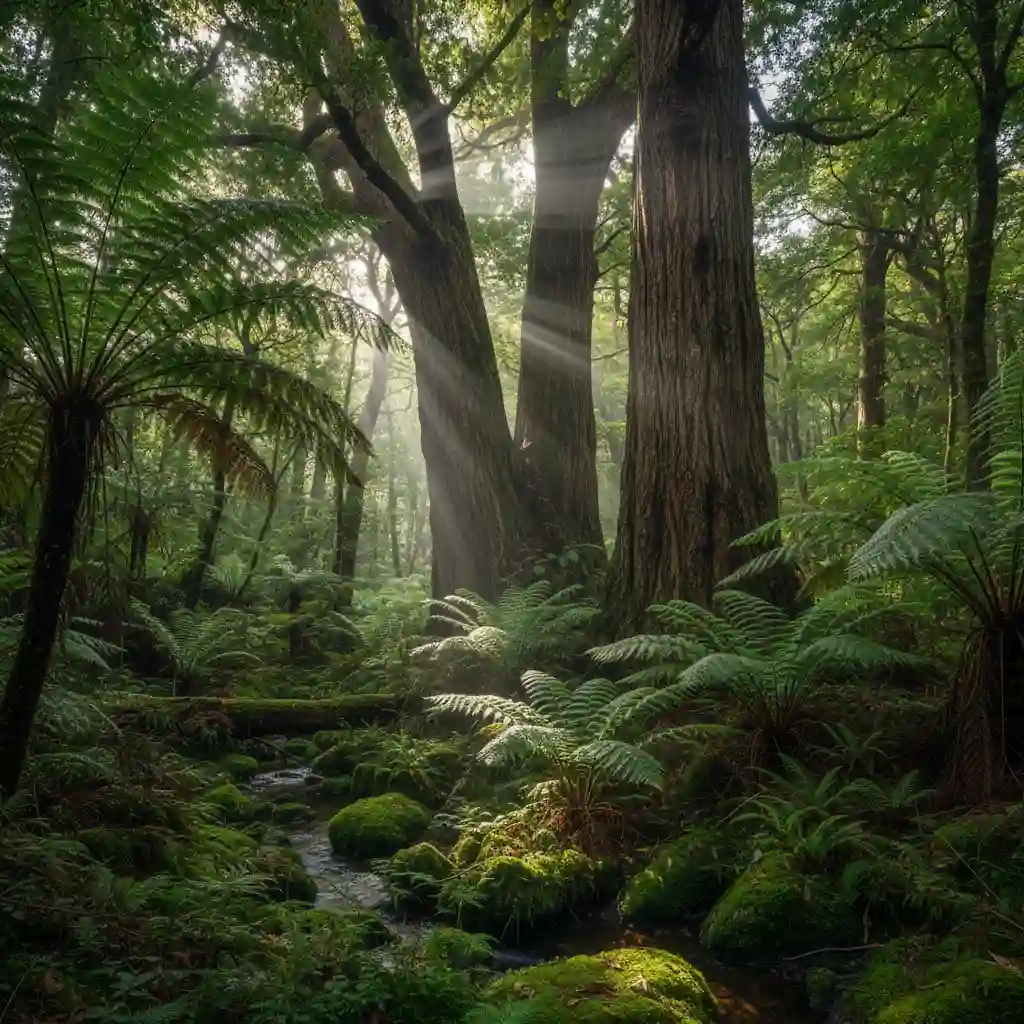
Maori stress management, or Rongoā Māori, offers a profound holistic framework for addressing chronic stress by harmonizing the Mauri (life force) with the Taiao (natural world). Through the application of rākau rongoā (plant medicine), traditional breathing techniques (Hā), and grounding practices (Whakanoa), individuals can effectively regulate the nervous system and restore physiological and spiritual equilibrium.
The Nervous System and Taiao: A Māori Perspective on Physiology
In the context of Māori stress management, the human body is not viewed as an isolated biological machine but as a microcosm of the Taiao (environment). Chronic stress is understood as an imbalance in one’s Mauri—the essential life force that connects the physical and spiritual realms. When the nervous system is locked in a state of hyper-vigilance, it reflects a state of Te Pō (darkness and potential), where the individual is disconnected from the stabilizing rhythms of Te Ao Mārama (the world of light and balance).
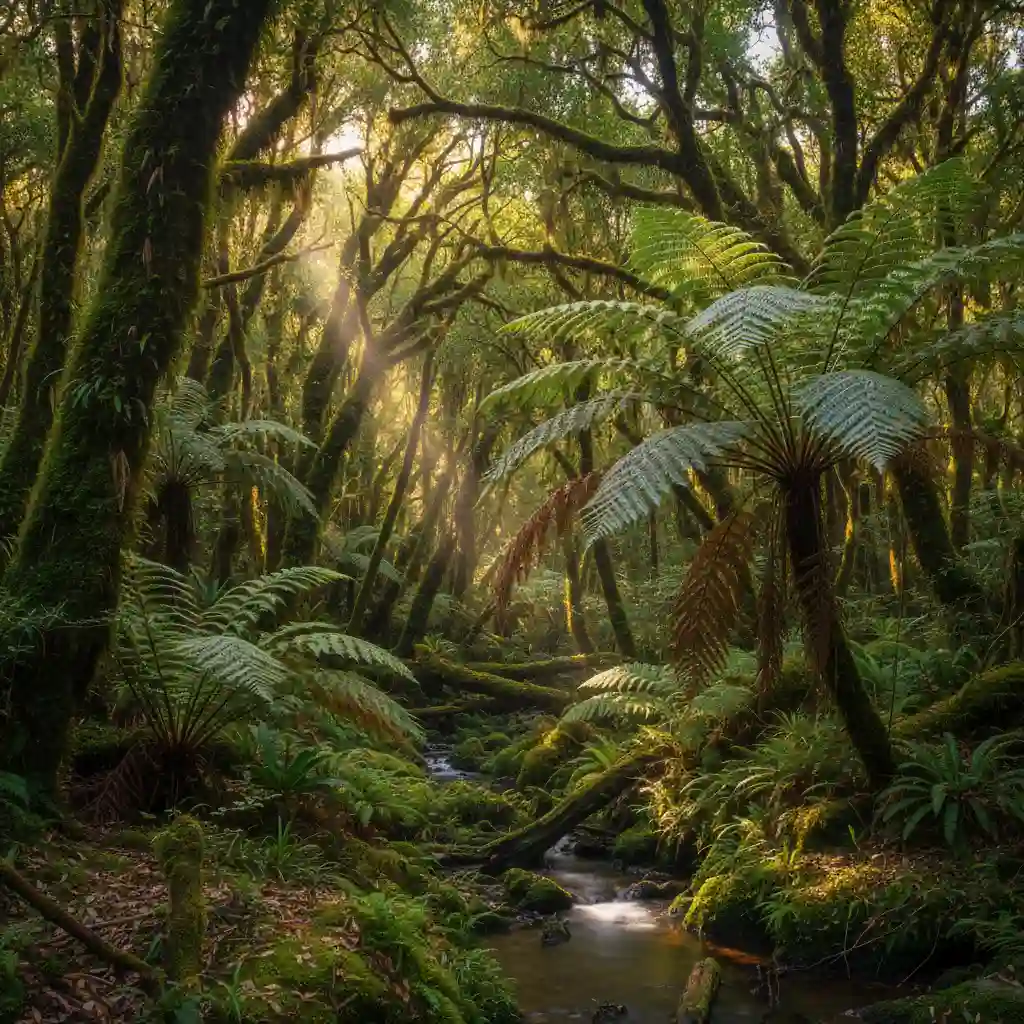
The Māori worldview acknowledges that the autonomic nervous system is deeply influenced by our surroundings. Modern life often forces individuals into a sympathetic dominance, the “fight or flight” response, which leads to the elevation of cortisol and adrenaline. In Rongoā Māori, this is seen as an encroachment of Tapu (restriction) over the body. To restore balance, practitioners look toward the Taiao to provide the necessary Noa (neutrality) to settle the spirit. The forest, the water, and the wind are not just scenery; they are therapeutic agents that recalibrate the human frequency.
Understanding Mauri Tau: The State of Inner Calm
Mauri Tau refers to a state of settled life force. Achieving Mauri Tau is the primary goal of Māori stress management. It is the physiological equivalent of parasympathetic activation—the “rest and digest” state. When Mauri is unsettled (Mauri Oho), the individual experiences anxiety, digestive issues, and sleep disturbances. Rongoā practitioners use diagnostic tools that go beyond the physical symptoms, looking at the patient’s connection to their Whānau (family), Whenua (land), and Te Taha Wairua (spiritual side) to determine where the leakage of Mauri is occurring.
The Impact of Disconnection from the Land
A core tenet of indigenous health is that the health of the individual is inextricably linked to the health of the land. Chronic stress is often a symptom of ‘Whenua Fatigue,’ a state where the individual has lost their grounding. By spending time in the forest (Ngahere), the nervous system naturally begins to synchronize with the slower, more rhythmic cycles of nature. Scientific studies on ‘forest bathing’ mirror what Māori have known for centuries: the volatile organic compounds emitted by trees, combined with the visual fractal patterns of ferns, directly reduce heart rate variability and lower blood pressure.
Herbal Nervines: The Therapeutic Role of Kawakawa
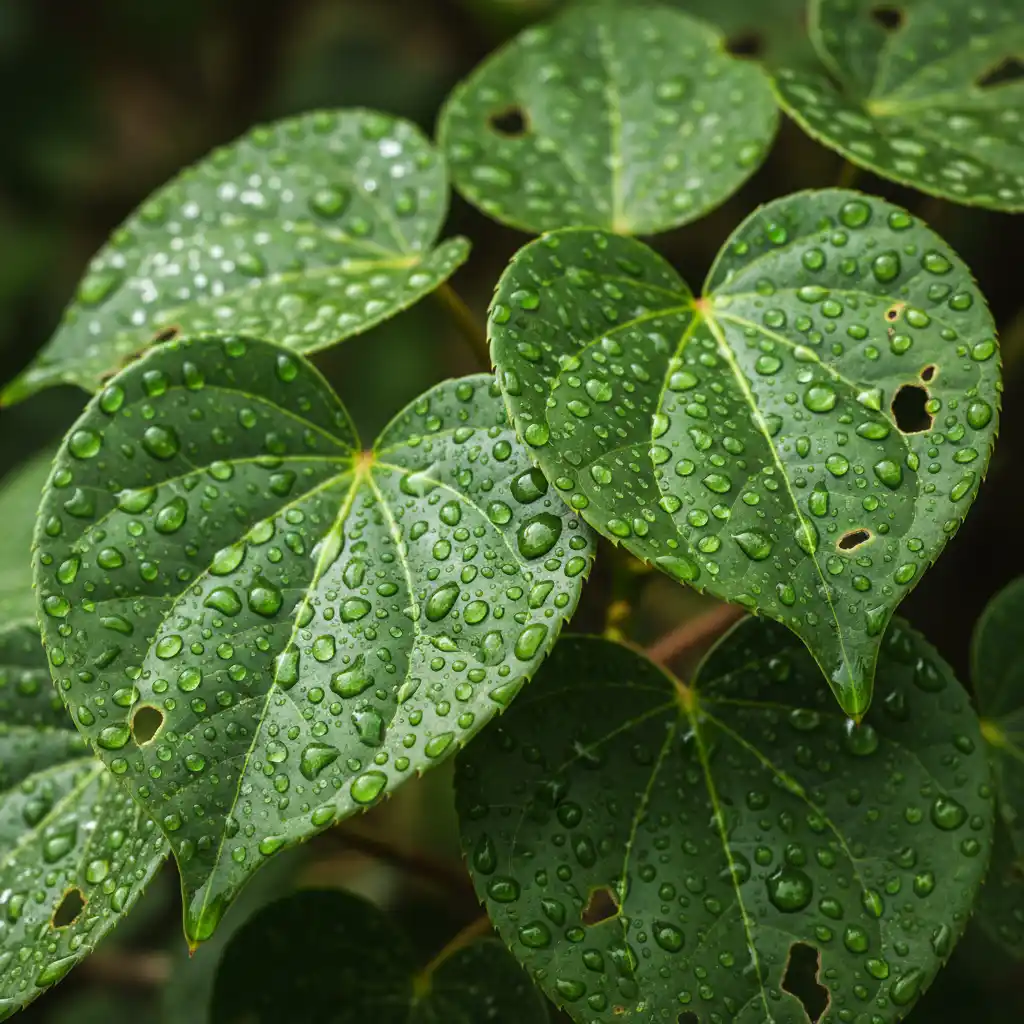
Central to Māori stress management is the use of Rongoā Rākau, or plant-based medicine. Among the vast pharmacopeia of Aotearoa, Kawakawa (Piper excelsum) stands as the most vital plant for addressing the nervous system. Known as the ‘Heart of the Forest’ due to its heart-shaped leaves, Kawakawa contains bioactive compounds that act as powerful adaptogens and nervines.
Kawakawa and the Gut-Brain Axis
Kawakawa is rich in myristicin and diayangambin, compounds that possess mild sedative and anti-inflammatory properties. In the treatment of chronic stress, Kawakawa is often administered as a tea (Wai Rākau). Its primary action is on the digestive system and the circulatory system. Because the gut is the ‘second brain’ and produces the majority of the body’s serotonin, Kawakawa’s ability to soothe digestive inflammation (often a byproduct of stress) directly translates to improved mental clarity and reduced anxiety. It warms the body, moves stagnant energy, and helps the individual feel more ‘centered’ in their physical form.
Supporting Rākau: Kōwhai and Manono
While Kawakawa is the primary remedy, other plants play supporting roles in Maori stress management. Kōwhai bark, when prepared correctly, was historically used for its calming effects on the central nervous system, though it requires expert preparation due to its potency. Manono (Coprosma grandifolia) is often used in a ritualistic sense to clear the skin and the spirit, helping to wash away the ‘weight’ of stress that manifests as physical tension. These plants work synergistically to support the body’s innate ability to heal from the ravages of long-term cortisol exposure.
Tihei Mauri Ora: Breathing Techniques for Calm
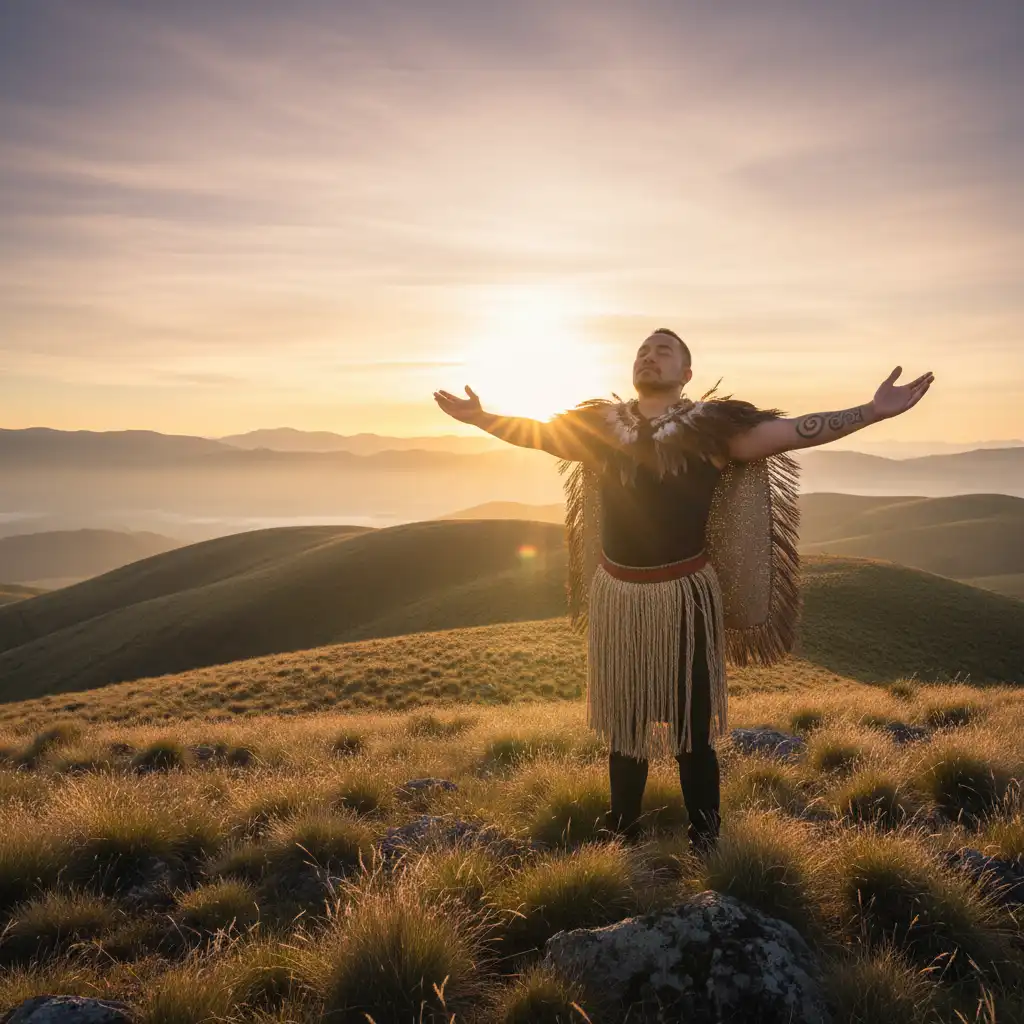
In Māori culture, the breath is more than just oxygen exchange; it is the Hā, the breath of life passed down from the primordial parents, Ranginui and Papatūānuku. The phrase ‘Tihei Mauri Ora’ (The Sneeze of Life) signifies the first breath of a newborn and the restoration of life. For those suffering from chronic stress, the breath becomes shallow and rapid, trapped in the upper chest. Rongoā-informed stress management re-teaches the art of deep, intentional breathing.
The Practice of Hā
The practice of Hā involves conscious, rhythmic breathing that mimics the ebb and flow of the tide (Te Tai). By slowing the exhalation to be longer than the inhalation, the practitioner stimulates the vagus nerve, which is the ‘off switch’ for the stress response. In a Māori clinical setting, this is often paired with Karakia (incantation or prayer), which provides a rhythmic cadence to the breath and focuses the mind on a higher purpose, moving it away from the cyclical thoughts of anxiety.
Rhythmic Breathing for Emotional Regulation
Māori stress management emphasizes that the breath is the bridge between the physical (Tinana) and the spiritual (Wairua). When a person is stressed, their Wairua is said to be ‘flighty.’ Deep breathing anchors the Wairua back into the Tinana. Practicing Hā for even five minutes a day can lead to significant reductions in the physiological markers of stress. It is a portable, accessible tool that honors the ancestral gift of life while providing immediate relief to a taxed nervous system.
Whakanoa and Grounding: Reconnecting with Papatūānuku
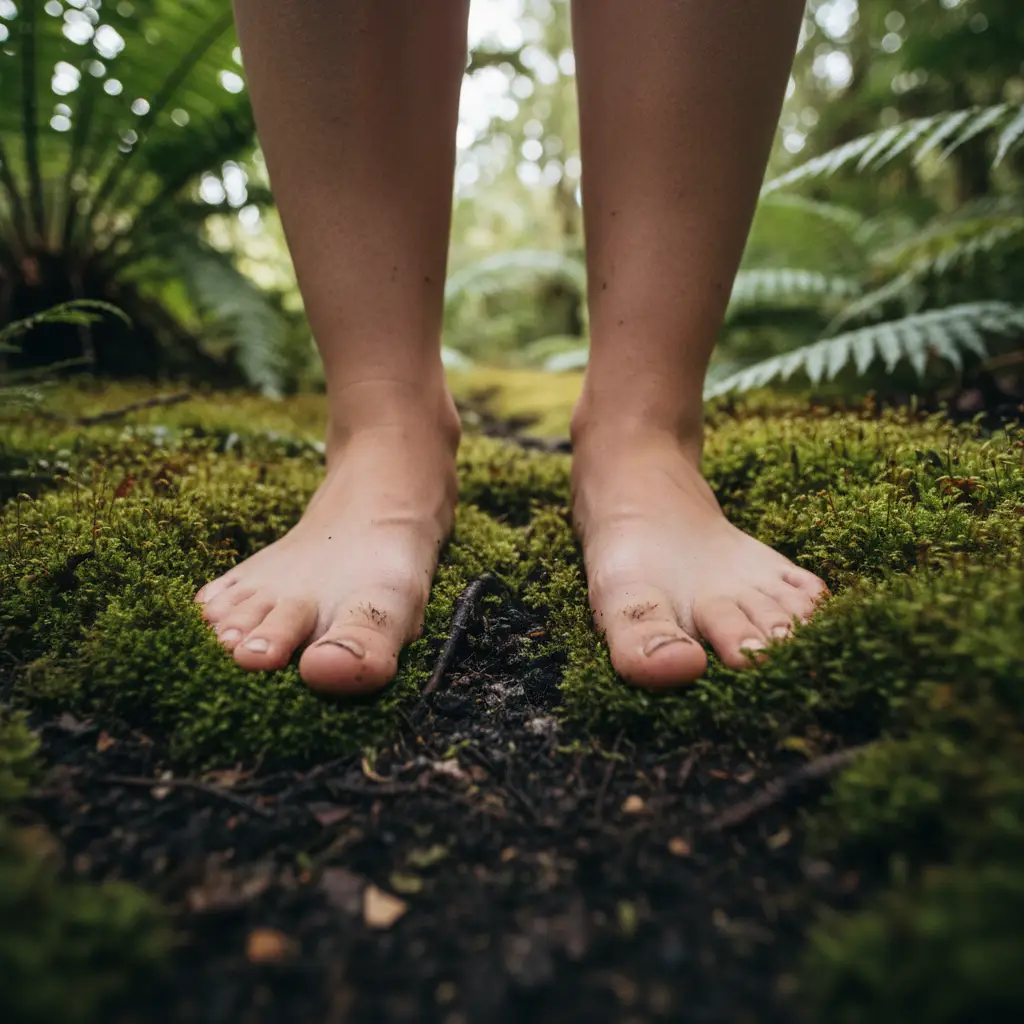
Whakanoa is the process of making things ‘Noa’ or common—neutralizing the intense energy or Tapu that accumulates during times of high stress. In modern terms, this is highly synonymous with ‘grounding’ or ‘earthing.’ Chronic stress often manifests as a feeling of being ‘in one’s head,’ disconnected from the physical reality of the earth. Rongoā Māori uses the physical land as a literal sink for excess emotional and electrical energy.
Papatūānuku: The Ultimate Grounding Force
Walking barefoot on the earth (Papatūānuku) is a foundational practice in Māori stress management. It is believed that the earth has the power to absorb ‘excess heat’ or ‘agitated Mauri’ from the body. Scientific research supports this, showing that direct physical contact with the vast supply of electrons on the surface of the Earth can help stabilize the body’s internal bioelectrical environment, reducing inflammation and improving sleep quality. For a person experiencing chronic stress, the act of placing feet on the soil is an act of returning home to the mother, finding safety and stability.
Wai: The Power of Water in Whakanoa
Water (Wai) is another critical element in Whakanoa. Māori distinguish between different types of water, such as Waiora (purest water for healing) and Waitai (sea water). Submerging oneself in a cold stream or the ocean is a traditional way to ‘wash off’ the residues of stress. The cold exposure triggers a hormetic response, strengthening the nervous system’s resilience, while the spiritual intent of the water ritual cleanses the Hinengaro (mind) of intrusive thoughts. This dual physical-spiritual approach ensures that the stress is addressed at its root rather than just its symptoms.
Integrating Rongoā into Modern Clinical Practice
The integration of Māori stress management into modern clinical settings is gaining momentum through frameworks like Te Whare Tapa Whā. Developed by Sir Mason Durie, this model represents health as a four-sided house: Te Taha Tinana (physical), Te Taha Wairua (spiritual), Te Taha Whānau (family), and Te Taha Hinengaro (mental). Clinical practitioners are increasingly recognizing that Western psychological interventions for stress are more effective when they incorporate these four dimensions.
In a clinical context, this might look like a GP prescribing Kawakawa tea alongside traditional counseling, or a psychologist incorporating Hā breathing and Whakanoa into a treatment plan for PTSD. This bicultural approach acknowledges that for many, especially Māori, health is not merely the absence of disease but the presence of harmony across all facets of life. By validating indigenous knowledge alongside clinical science, we create a more robust system for managing the modern epidemic of chronic stress.
Building a Sustainable Stress Management Routine
To effectively manage chronic stress using Rongoā Māori, consistency is key. It is not about a single ritual but the cultivation of a lifestyle that honors the Taiao. A sustainable routine might include starting the day with a Karakia to set an intention, drinking Kawakawa tea to support the gut-brain axis, taking ‘Hā breaks’ throughout the work day, and ending the day by grounding the feet on the earth to release the day’s accumulated tensions.
Ultimately, Maori stress management is an invitation to slow down and listen to the ancestral wisdom stored within our DNA and the environment. It teaches us that we are not separate from nature, but a part of it. When we heal the connection between ourselves and the land, we heal the nervous system. By adopting these ancient practices, we can navigate the complexities of the modern world with the resilience and grace of our ancestors, moving from a state of chronic stress to one of enduring Mauri Tau.
People Also Ask
What are the 4 walls of Māori health?
The 4 walls of Māori health, known as Te Whare Tapa Whā, include Te Taha Tinana (physical health), Te Taha Wairua (spiritual health), Te Taha Whānau (family/social health), and Te Taha Hinengaro (mental and emotional health). All four must be in balance for a person to be well.
What is the Māori word for stress?
While there isn’t one single word for the modern concept of stress, terms like ‘Mauri Oho’ (unsettled life force), ‘Mānukanuka’ (anxiety/apprehension), or ‘Tamatāne’ (pressure) are often used to describe various states of mental and physical strain.
How is Kawakawa used for stress?
Kawakawa is primarily used as a tea (Wai Rākau) to soothe the digestive system and reduce inflammation. Its adaptogenic properties help the body cope with physical and emotional stressors by calming the nervous system and improving circulation.
What is Rongoā Māori practice?
Rongoā Māori is a traditional system of healing that includes herbal medicine (Rākau), physical massage (Mirimiri and Romiromi), and spiritual healing (Karakia). It focuses on restoring balance between the individual, their community, and the environment.
What are the benefits of Māori breathing (Hā)?
Hā breathing techniques help regulate the autonomic nervous system, moving the body from a ‘fight or flight’ state into a ‘rest and digest’ state. This lowers cortisol levels, reduces heart rate, and improves mental focus and emotional stability.
Can Rongoā Māori be used alongside Western medicine?
Yes, Rongoā Māori can often be integrated with Western medicine as part of a holistic care plan. However, it is important to consult with both a qualified Rongoā practitioner and a medical doctor, especially when using herbal remedies alongside prescription medications.