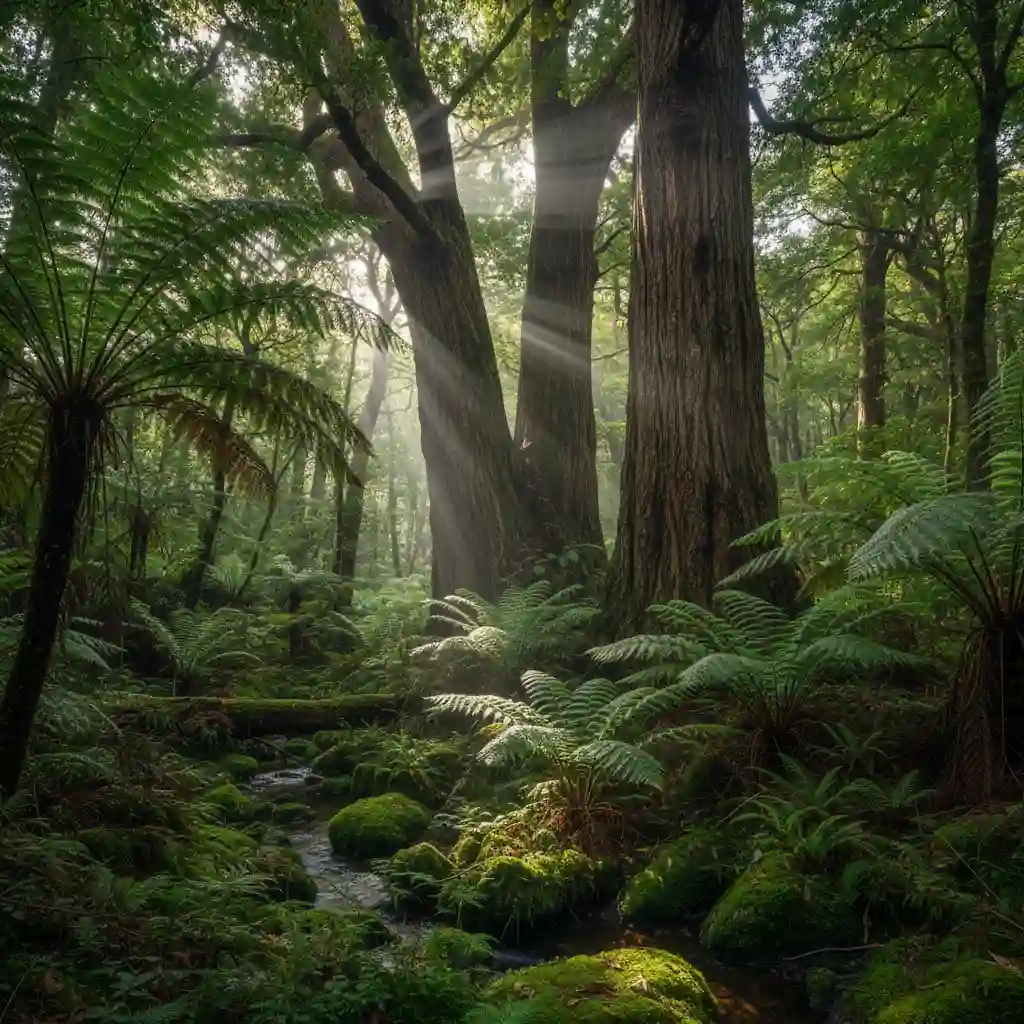
Environmental restoration health describes the therapeutic synergy achieved when individuals engage in the active repair of natural ecosystems. By participating in ecological stewardship, such as reforestation or wetland recovery, people experience profound psychological, physical, and spiritual benefits, fostering a reciprocal healing relationship where the restoration of the land mirrors the recovery of the self.
Kaitiakitanga: The Foundation of Ecological Guardianship
In the context of Rongoā Māori, the concept of Kaitiakitanga is not merely a management strategy for natural resources; it is a profound spiritual and physical obligation. It represents the inherited responsibility to protect and enhance the mauri (life force) of the environment. From a health perspective, engaging in Kaitiakitanga actions serves as a primary intervention for mental and spiritual fatigue. When an individual takes on the role of a guardian, they shift from a passive observer of environmental degradation to an active participant in planetary health.
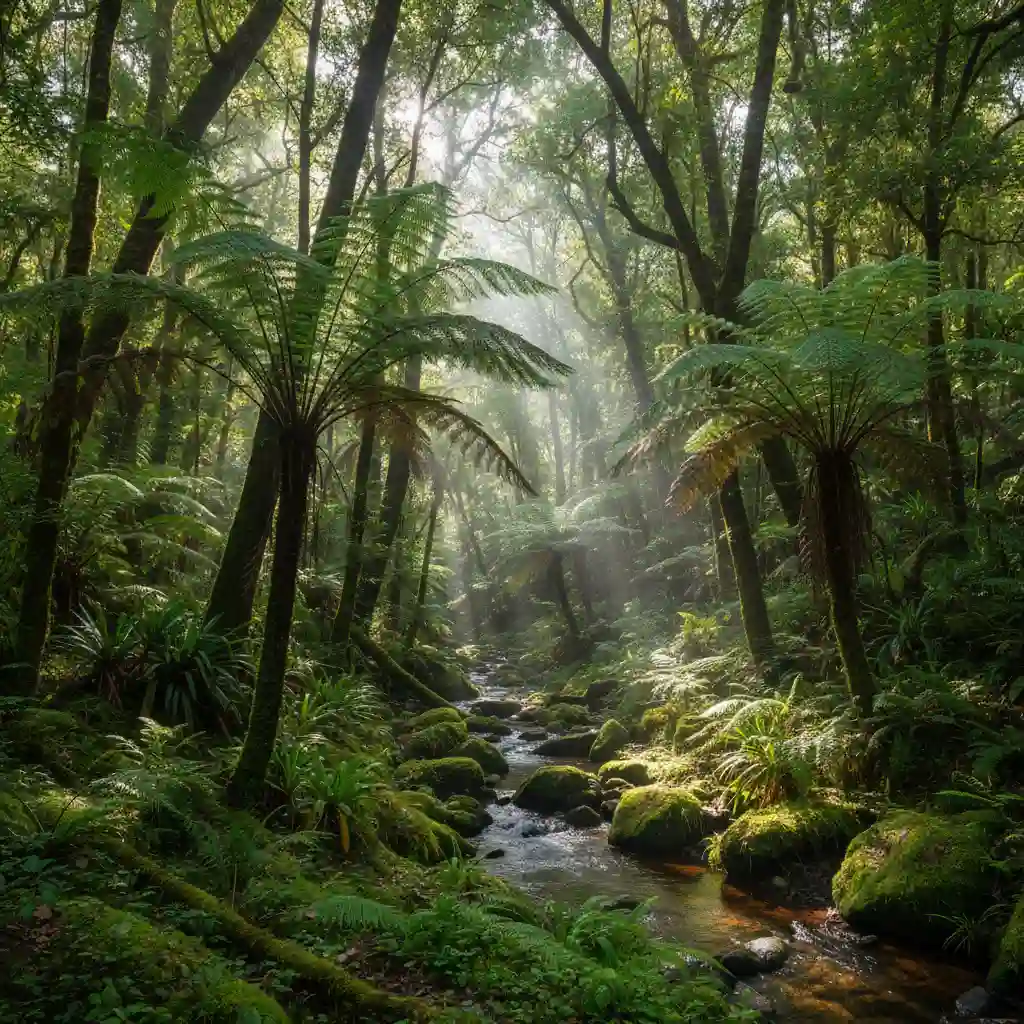
This shift in agency is critical. Clinical research into environmental restoration health suggests that the ‘eco-anxiety’ felt by many in the modern era stems from a sense of helplessness. Kaitiakitanga provides a framework for action. Whether it is the protection of a local awa (river) or the weeding of invasive species in a ngahere (forest), these actions ground the individual in the present moment, fostering a sense of purpose that transcends individual concerns. This alignment with the natural world facilitates a state of ‘flow,’ which is often cited in psychological literature as a cornerstone of mental well-being.
Mindfulness through Stewardship
Guardianship requires a high degree of observational skills. To restore an ecosystem, one must understand its rhythms, its seasonal shifts, and its specific needs. This deep observation is, in essence, a form of active meditation. In Rongoā Māori, practitioners often spend years learning to listen to the land before they are permitted to harvest plants for healing. This patience and focus reduce cortisol levels and encourage the parasympathetic nervous system to take over, promoting long-term physiological healing.
Active Restoration Projects and Clinical Outcomes
Active restoration projects offer tangible, measurable health benefits. Unlike passive interaction with nature, such as walking through a park, restoration involves physical labor, cognitive engagement, and social interaction. These projects can include riparian planting, dune restoration, or the creation of urban ‘micro-forests.’ From a clinical integration standpoint, these activities are being viewed as ‘green prescriptions’ that address chronic lifestyle diseases.
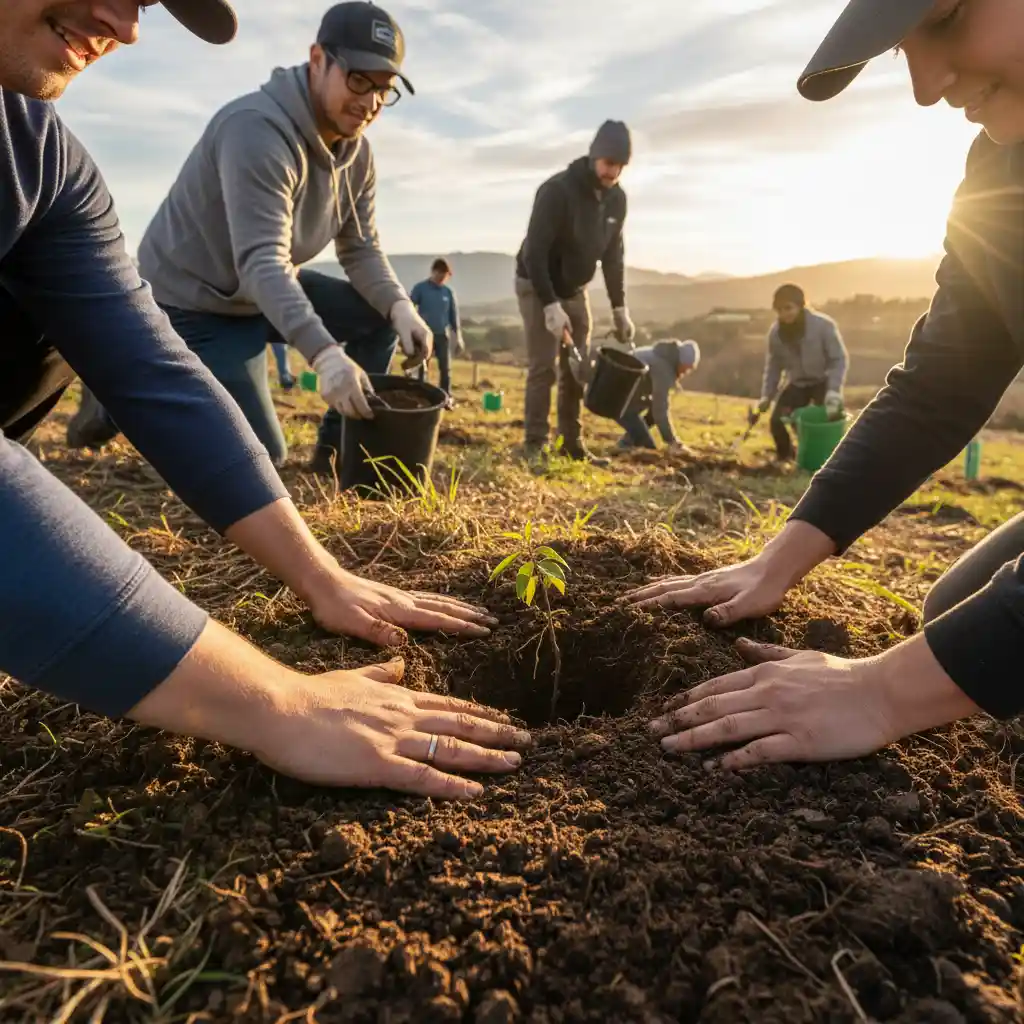
The physical exertion required for planting and clearing land improves cardiovascular health and builds muscular strength. However, the benefits extend beyond the physical. Engaging with the soil exposes individuals to diverse microbiomes. The ‘hygiene hypothesis’ and the ‘Old Friends hypothesis’ suggest that contact with soil-based microorganisms can strengthen the human immune system and even increase serotonin production in the brain. Specifically, exposure to Mycobacterium vaccae, a common soil bacterium, has been shown to mirror the effects of antidepressant drugs.
Biodiversity and Microbiome Resilience
When we restore biodiversity to the land, we are simultaneously restoring the diversity of the microorganisms we interact with. A monocultural landscape offers limited biological stimulus. In contrast, a diverse, thriving ecosystem provides a rich sensory environment. For those recovering from trauma or chronic illness, the complexity of a restored ecosystem provides ‘soft fascination,’ a cognitive state that allows the brain to recover from the fatigue of directed attention (such as screen time and urban navigation).
The Reciprocal Healing Loop: Whenua and Wairua
The core of the environmental restoration health philosophy is the Reciprocal Healing Loop. This concept posits that the health of the individual (Wairua/spirit and Tinana/body) is inextricably linked to the health of the land (Whenua). In Māori culture, the word ‘Whenua’ refers to both the land and the placenta. This linguistic connection highlights the nurturing relationship between humans and the earth. When the land is polluted or degraded, the people feel a sense of ‘solastalgia’—the distress caused by environmental change in one’s home environment.
Conversely, as the land begins to heal, the individual experiences a corresponding sense of recovery. Seeing a barren patch of land return to a lush, bird-filled habitat provides a visual and auditory feedback loop of success. This ‘success’ is not just external; it reinforces the individual’s belief in their own ability to heal and change. In Rongoā Māori clinical integration, this loop is used to treat patients who have lost their sense of connection to their heritage or their community.
Te Whare Tapa Whā: Integrating Nature
The Te Whare Tapa Whā model of health includes four walls: Te Taha Wairua (spiritual), Te Taha Hinengaro (mental), Te Taha Tinana (physical), and Te Taha Whānau (family). Environmental restoration touches every one of these walls. It provides a spiritual connection (Wairua), cognitive challenge and relief (Hinengaro), physical exercise (Tinana), and a shared community purpose (Whānau). Without the foundation of the land (Whenua), the house of health is unstable. Restoration is the act of strengthening that foundation.
Scaling Healing through Community Environmental Goals
Individual healing is powerful, but the true potential of environmental restoration health is realized when it is scaled to the community level. Community-led environmental goals create a shared narrative of hope. In many indigenous cultures, the health of the tribe is measured by the health of their traditional food-gathering sites (Mahinga Kai). Restoring these sites is an act of reclaiming cultural identity and food sovereignty.
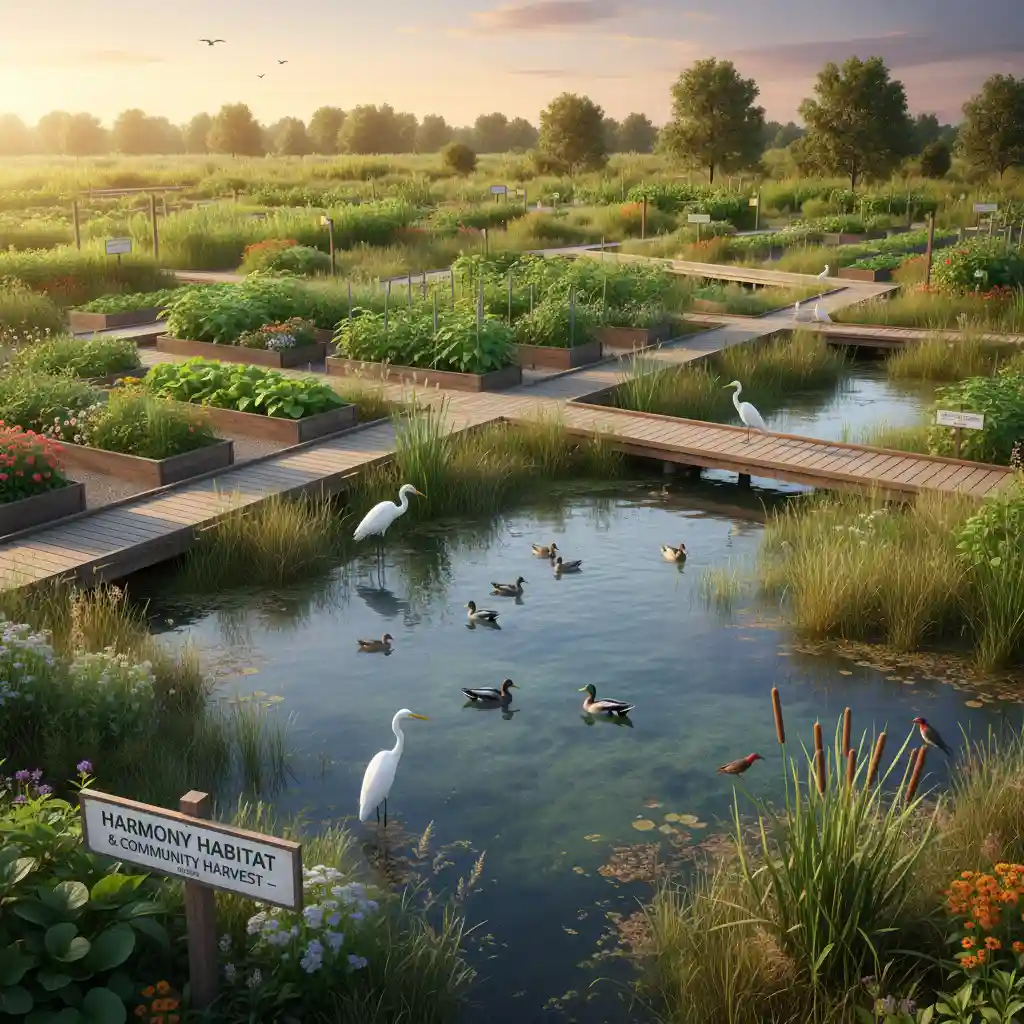
When a community works together to restore a local catchment, they are building social capital. This reduces social isolation, which is a major risk factor for early mortality. The collaborative nature of restoration projects fosters trust and communication between diverse groups. From a clinical perspective, these community goals provide a structural framework for long-term health maintenance. It is much easier for an individual to maintain a healthy lifestyle when they are part of a collective movement dedicated to a cause larger than themselves.
Collective Recovery and Future Resilience
The act of restoration also builds community resilience against climate change. Restored wetlands act as flood buffers; urban forests mitigate the heat-island effect. Knowing that one’s community is taking proactive steps to mitigate environmental risks reduces systemic anxiety and builds collective efficacy. This sense of security is a vital component of public health, particularly in vulnerable populations who are most affected by ecological decline.
Integrating Rongoā Māori into Clinical Practice
Modern clinical practice is increasingly recognizing the value of Rongoā Māori as a holistic healing system. This integration involves more than just using plant-based medicines (Rākau Rongoā); it involves adopting the entire worldview of environmental restoration health. Clinicians are now working alongside tohunga (experts) to facilitate healing sessions in the forest, where the environment itself acts as the co-therapist.
This clinical integration requires a shift in the traditional patient-provider dynamic. Instead of being a passive recipient of care, the patient becomes an active participant in their recovery by engaging with the land. This approach has shown significant promise in treating chronic pain, depression, and metabolic disorders. By grounding the patient in the physical reality of ecological restoration, practitioners can help them navigate the complexities of their internal health challenges.
Ultimately, ecosystem restoration as personal healing is a return to an ancient truth: we are not separate from nature. Our health is a reflection of the health of our surroundings. By tending the garden of the world, we are, in every sense, tending the garden of our own souls. The pathway to human longevity and wellness lies in the soil, the water, and the breath of the living forest.
People Also Ask
How does environmental restoration improve mental health?
Restoration activities reduce stress, alleviate symptoms of depression, and combat ‘eco-anxiety’ by giving individuals a sense of agency and purpose. The physical interaction with nature promotes the release of serotonin and reduces cortisol.
What is the connection between Rongoā Māori and ecosystem health?
Rongoā Māori views the environment as a living ancestor. The health of the land (Whenua) is seen as identical to the health of the people. Healing the land is a prerequisite for healing human ailments.
Can ecological restoration be used in clinical therapy?
Yes, ‘green prescriptions’ and nature-based interventions are increasingly integrated into clinical settings to treat physical and mental health issues, often through collaborative projects involving reforestation or community gardening.
What is ‘Solastalgia’ and how does restoration help?
Solastalgia is the distress caused by the loss of a valued environment. Active restoration helps mitigate this by replacing a sense of loss with a sense of growth and recovery.
How does soil contact benefit the immune system?
Exposure to diverse soil bacteria, such as Mycobacterium vaccae, can stimulate the immune system and has been linked to improved mood and cognitive function through the gut-brain axis.
What are the social benefits of community restoration projects?
These projects reduce social isolation, build community trust, and foster a shared sense of identity and purpose, all of which are key indicators of positive public health outcomes.