
Maramataka in business is the application of the traditional Māori lunar calendar to modern corporate strategy, resource management, and organizational culture. By aligning business activities with environmental energy cycles—such as launching products during high-energy phases and focusing on internal review during low-energy periods—organizations can optimize productivity, enhance decision-making, and improve long-term employee well-being.
The Foundations of Maramataka in Business
In the contemporary corporate landscape, the pursuit of productivity often relies on a linear, 24/7 productivity model. However, this model frequently leads to burnout and diminishing returns. Maramataka in business offers an alternative: a cyclical approach based on centuries of indigenous observation. The Māori lunar calendar identifies specific days within the lunar month that correspond to varying levels of physical and mental energy. By recognizing these natural rhythms, business leaders can move away from forcing productivity and toward a system of synchronized effort.
Understanding maramataka requires a shift in perspective. It is not merely a spiritual practice but a sophisticated environmental science. Just as the moon dictates the tides, it influences the subtle energies of human behavior and environmental receptivity. For a business, this means acknowledging that not every day is suitable for high-pressure negotiations or intense creative output. Some days are naturally geared toward expansion (Whakaea), while others are suited for contraction and consolidation (Whakaheke).
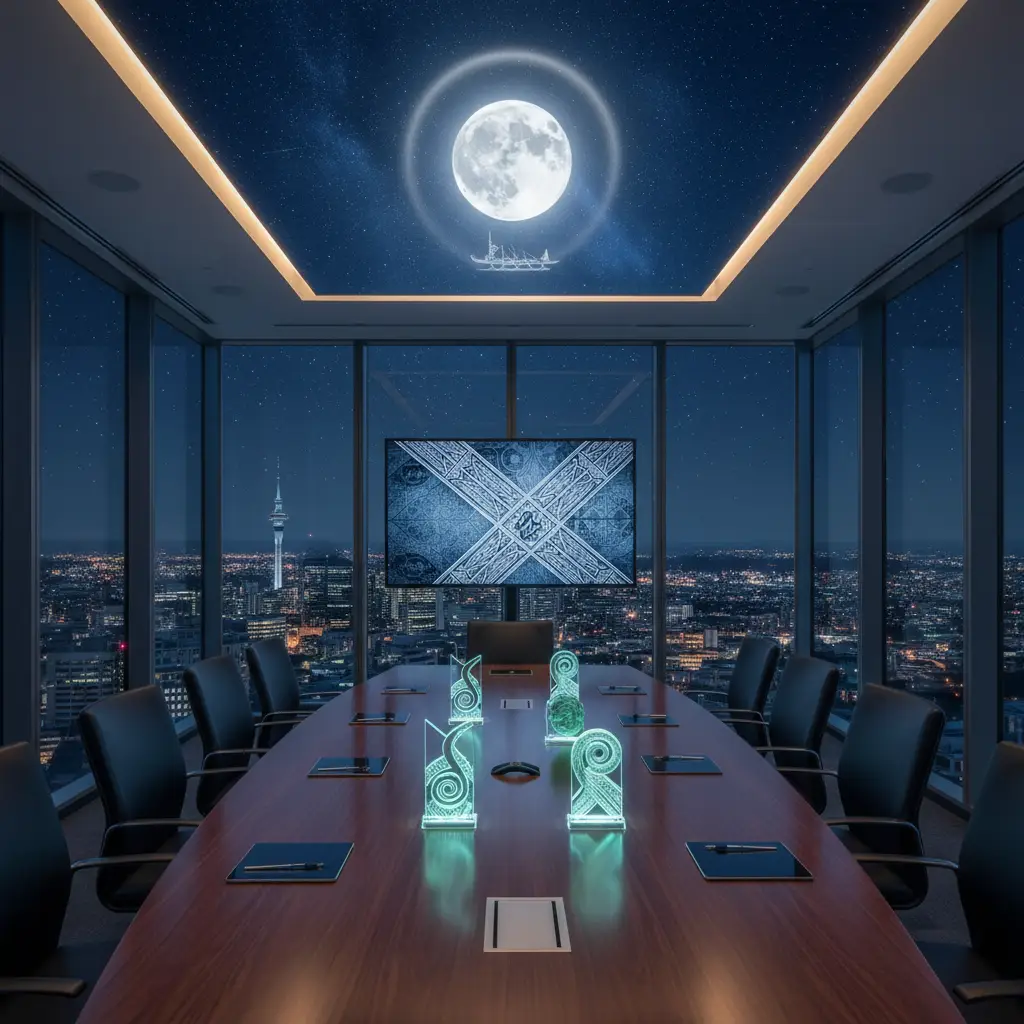
Strategic Launching Dates and Product Cycles
One of the most immediate applications of maramataka in business is the selection of strategic launching dates. In the Māori calendar, the phase of the moon determines the ‘mauri’ or life force of an endeavor. Launching a new brand, product, or campaign during a high-energy phase can provide the momentum necessary for market penetration.
The phase of Rākaunui (the full moon) is often identified as the peak of energy. This is a time of high visibility and abundance. For marketing departments, this is the optimal window for public relations events, social media blitzes, and grand openings. Conversely, the Whiro (new moon) phase represents the lowest energy point. This is a time of darkness and introspection. In a clinical or strategic context, launching during Whiro might lead to projects that struggle to find footing or lack public engagement. Instead, the Whiro phase should be utilized for the ‘planting’ of ideas—internal brainstorming, research, and development behind closed doors.
By mapping a 12-month marketing calendar to the maramataka, businesses can avoid the frustration of launching into a ‘low-energy’ headwind. Instead of arbitrary deadlines set by the Gregorian calendar, dates are chosen because they align with the natural receptivity of the target audience and the internal drive of the team.
Team Collaborative Windows for Peak Performance
Effective management requires an understanding of when a team is most capable of collaborative synergy. Maramataka in business identifies specific ‘windows’ where interpersonal energy is high. The days of Tangaroa (the phases following the full moon), for instance, are associated with the tides and the flow of water. These are traditionally productive days where communication flows more easily and collaborative tasks are completed with less friction.

Managers can use this knowledge to schedule high-stakes workshops, design sprints, or conflict resolution sessions. If a team is forced into a heavy collaborative session during Korekore days—which are often characterized by low energy and potential irritability—the likelihood of unproductive friction increases. During Korekore phases, it is often more strategic to assign individual, task-oriented work that requires focus rather than group consensus.
Integrating these windows into a project management tool allows for a more empathetic leadership style. It recognizes the biological and environmental reality that humans are not robots; our capacity for social interaction and complex problem-solving fluctuates. Aligning the workload with these cycles reduces the risk of team fracture and enhances the overall output quality.
Executive Decision Making and High-Stakes Governance
For executives and board members, clarity of thought is the most valuable asset. Maramataka in business provides a framework for scheduling high-level governance meetings. The Tamatea phases are often noted for their volatility and unpredictability. In a corporate setting, making long-term financial commitments or signing major contracts during a Tamatea phase may introduce unnecessary risk, as variables are often in flux during this time.
Executive decision-making is best performed during the ‘stable’ phases of the moon, such as the Ōturu or Rākaunui transition, where the full light of the moon suggests maximum clarity and the ability to see the ‘full picture.’ This is the time for final approvals on mergers, acquisitions, and major capital expenditures. By using the maramataka as a secondary diagnostic tool, executives can ensure they are not making permanent decisions based on temporary environmental stressors.
Furthermore, this indigenous framework encourages a ‘long-view’ approach to governance. It forces leaders to look beyond the quarterly report and consider the seasonal and lunar cycles that dictate the health of their industry. In the context of Rongoā Māori integration, this also means considering the ethical and holistic impact of every executive choice on the people and the environment.

Staff Wellness Alignment and Clinical Rongoā Integration
The integration of Rongoā Māori (traditional healing) into the workplace is a growing trend within the New Zealand corporate sector, particularly concerning staff wellness. Maramataka in business is a key component of this. When employees understand their own energy cycles, they can manage their mental health more effectively. Clinical Rongoā practitioners often use the maramataka to determine the best times for physical therapy, herbal treatments, and psychological counseling.
A business that aligns its HR policies with the maramataka might offer ‘low-energy’ days where staff are encouraged to work from home, engage in self-directed learning, or take part in wellness activities like Mirimiri (traditional massage) or meditation. Recognizing the Whiro or Korekore days as periods where the ‘mauri’ is low allows for a reduction in operational pressure, preventing the chronic stress that leads to long-term disability and turnover.
In a clinical integration sense, this means that corporate wellness programs are not just ‘one size fits all’ perks. They become targeted interventions. For example, a wellness workshop on stress management is far more effective when scheduled during a period of introspection than during a high-energy phase when the staff’s focus is naturally directed outward toward external goals.
Implementing Lunar Strategy in the Corporate Environment
Transitioning to a business model that incorporates maramataka does not require a total overhaul of existing systems. Instead, it involves the layering of lunar insights over the standard Gregorian calendar. The first step is education: ensuring that leadership and staff understand the basic principles of the Māori lunar phases and their corresponding energy levels.
Digital integration is the next logical step. Many organizations are now incorporating maramataka overlays into their Google or Outlook calendars. This allows project managers to see, at a glance, the ‘energy forecast’ for the week. If a deadline falls on a low-energy day, the manager might choose to shift it forward to a high-energy window or provide additional support to the team during that period.

Finally, measuring the impact is crucial for commercial viability. Businesses should track metrics such as employee engagement scores, project delivery timelines, and even sales performance against the lunar cycles. Over time, many organizations find a significant correlation between high-performance outcomes and lunar alignment. By embracing maramataka in business, companies are not just checking a cultural competency box; they are tapping into an ancient, proven system of environmental intelligence that fosters a more resilient and successful enterprise.
People Also Asked
What are the benefits of using maramataka in business?
The primary benefits include increased productivity, reduced staff burnout, better-timed product launches, and enhanced decision-making clarity. It also fosters a more inclusive and culturally aware workplace culture that respects indigenous knowledge systems.
Is maramataka only relevant for Māori businesses?
No. While it originates from Māori knowledge (mātauranga Māori), the principles of environmental energy cycles are universal. Any business, regardless of background, can benefit from aligning its operations with the natural rhythms of the lunar calendar.
Which moon phase is best for starting a new project?
The phases of Tangaroa are generally considered the most productive for starting new work or moving projects forward, as they represent a time of high energy and ‘flow.’ The Rākaunui (full moon) is also excellent for high-visibility launches.
How does maramataka improve workplace wellness?
It allows for ‘permission’ to have lower energy days. By acknowledging phases like Whiro or Korekore as times for rest or quiet work, it reduces the pressure on staff to be ‘always on,’ which significantly lowers stress and improves mental health.
How do I start using maramataka in my corporate calendar?
Start by downloading a maramataka app or purchasing a physical Māori lunar calendar. Map your major project milestones against the phases and observe the results for 2-3 months before fully adjusting your deadlines based on the cycles.
Does maramataka affect consumer behavior?
Yes, many businesses observe that consumer receptivity and spending habits change according to the moon phases. Marketing campaigns often see higher engagement during the full moon phase (Rākaunui) compared to the new moon phase (Whiro).