
Rongoā Māori law in New Zealand is governed by a complex intersection of Te Tiriti o Waitangi obligations, the Pae Ora (Healthy Futures) Act 2022, and specific exemptions within the Health Practitioners Competence Assurance Act 2003. It prioritizes Māori self-regulation while navigating the regulatory requirements of clinical safety, patient rights, and therapeutic product standards.
The Legal Foundations of Rongoā Māori
The legal status of Rongoā Māori—traditional Māori healing—has evolved significantly from a period of systemic suppression to a contemporary landscape of recognition and integration. Historically, the Tohunga Suppression Act 1907 sought to criminalize traditional practices, a move that significantly impacted the transmission of mātauranga Māori (Māori knowledge). Although this Act was repealed in 1962, its legacy continues to influence the way rongoa maori law is structured today, specifically in balancing indigenous autonomy with Western regulatory frameworks.
In the modern era, the legal framework is primarily anchored in the Pae Ora (Healthy Futures) Act 2022. This legislation provides the statutory basis for the health system’s transformation, explicitly acknowledging the importance of Rongoā. However, because Rongoā encompasses a holistic range of practices—including mirimiri (massage), whitiwhiti kōrero (counseling), and rākau rongoā (herbal medicine)—it does not fit neatly into a single legislative category. Instead, it sits at the nexus of health law, intellectual property law, and constitutional law.

The Health Practitioners Competence Assurance Act (HPCA)
One of the most critical components of the regulatory environment for Rongoā is the Health Practitioners Competence Assurance Act 2003. The primary purpose of this Act is to protect the health and safety of the public by providing mechanisms to ensure that health practitioners are competent and fit to practice. However, Rongoā practitioners occupy a unique legal space under this Act.
Exclusion and the Principle of Self-Regulation
Section 4 of the HPCA Act is particularly relevant. Traditionally, Rongoā has been excluded from the mandatory registration requirements that apply to doctors, nurses, and other Western medical professionals. This exclusion is not a dismissal of the practice’s validity but rather a recognition of the right to self-regulation. Māori have consistently argued that Western regulatory bodies are ill-equipped to assess the competency of a practitioner whose skills are rooted in whakapapa (genealogy) and traditional apprenticeship.
Under the current rongoa maori law framework, practitioners are encouraged to form their own professional bodies, such as Te Kapu Tiaki, to set standards for practice. This model allows for the maintenance of traditional integrity while providing a recognizable structure for interaction with the formal health system. The challenge remains in how these indigenous standards are reconciled with the HPCA Act’s focus on standardized clinical risk management.
The Tension Between Competence and Tradition
When Rongoā practitioners work within clinical settings, such as District Health Boards (now Te Whatu Ora), the legal friction increases. The HPCA Act requires a clear definition of a “scope of practice.” For a Rongoā practitioner, the scope is often holistic and spiritual, which can be difficult to translate into the clinical language required by the Act. Legal experts continue to debate whether a formal “regulated” status would protect Rongoā from cultural appropriation or if it would subject it to a “medicalized” scrutiny that strips away its essence.
Therapeutic Products Regulation and Traditional Medicine
The regulation of rākau rongoā (plant-based medicines) represents one of the most contentious areas of rongoa maori law. For decades, the Medicines Act 1981 has provided the framework for the sale and distribution of therapeutic substances. Because many Rongoā preparations involve native flora, they often fall into a regulatory grey area between “food,” “dietary supplements,” and “medicines.”

The Therapeutic Products Act Saga
The recent introduction and subsequent debate surrounding the Therapeutic Products Act 2023 highlighted the vulnerabilities of traditional medicine within contemporary law. The initial draft of the Act sought to regulate Rongoā Māori in the same manner as pharmaceutical products, requiring rigorous testing and manufacturing standards. This sparked significant backlash from Māori communities, who argued that such requirements would effectively criminalize the traditional preparation of rākau rongoā and violate Te Tiriti o Waitangi.
The legal argument against stringent regulation is twofold: first, that Rongoā is a taonga (treasure) protected under Article 2 of the Treaty; and second, that the risk profile of traditional preparations, which have been used for centuries, does not justify the same regulatory burden as synthetic pharmaceuticals. Following the 2023 election, the new government moved to repeal the Act, signaling a shift back toward a framework that may offer more specific protections for traditional Māori practices, though the long-term legislative solution remains under development.
Intellectual Property and Bio-prospecting
Beyond the safety of the products themselves, the law must also address the intellectual property (IP) rights of Māori. The Wai 262 claim, often referred to as the “flora and fauna claim,” is central here. It asserts that Māori have rights over their traditional knowledge and the biological resources of New Zealand. Any legal framework for Rongoā must ensure that practitioners are not exploited by bio-prospecting—where commercial entities use traditional knowledge to develop profitable products without equitable benefit-sharing or recognition of Māori sovereignty.
Crown Obligations and Te Tiriti o Waitangi
At the heart of rongoa maori law is the Crown’s constitutional obligation under Te Tiriti o Waitangi. This relationship is not merely consultative; it is a partnership that requires the Crown to actively protect Māori interests. The Waitangi Tribunal’s Hauora Report (Wai 2575) identified significant failures in the Crown’s health system, specifically noting that the lack of support for Rongoā contributed to health inequities for Māori.
Tino Rangatiratanga (Sovereignty)
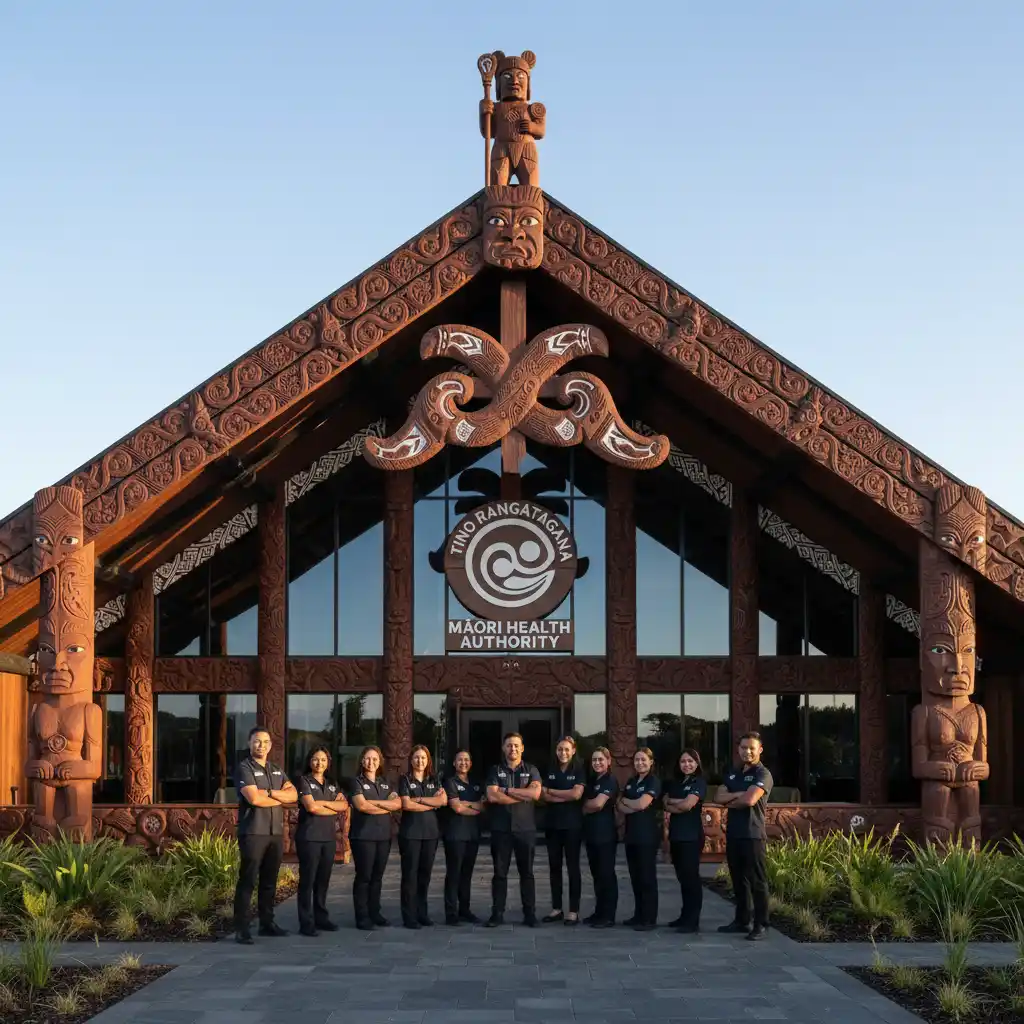
Article 2 of the Treaty guarantees Māori “tino rangatiratanga” (full authority) over their taonga. Rongoā is undeniably a taonga, encompassing both physical resources and intangible cultural heritage. Legally, this means that any framework governing Rongoā must be co-designed with Māori. The Crown cannot unilaterally impose regulations that hinder the practice or evolution of Rongoā. This principle of rangatiratanga is what supports the drive for a Māori-led regulatory authority for Rongoā, rather than a Crown-led one.
Equity and Active Protection
The principle of equity, derived from Article 3, requires the Crown to ensure that Māori enjoy health outcomes equal to those of non-Māori. Incorporating Rongoā into the public health system is seen as a legal necessity to fulfill this obligation. By providing Rongoā as an option alongside Western medicine, the Crown acknowledges that for many Māori, health is a holistic concept (Te Whare Tapa Whā) that cannot be fully addressed by clinical interventions alone. The active protection of Rongoā ensures that this cultural pathway to health remains viable and accessible.
Patient Rights and Clinical Integration
When Rongoā is practiced within the New Zealand health system, it must comply with the Code of Health and Disability Services Consumers’ Rights. This creates a fascinating legal intersection where traditional healing meets modern consumer protection. Every patient has the right to be treated with dignity, the right to informed consent, and the right to services that comply with legal, professional, and ethical standards.
The Right to Informed Consent
In the context of Rongoā, informed consent (Right 7) is particularly nuanced. Practitioners must ensure that patients understand the nature of the traditional treatment, its intended benefits, and any potential risks. In a clinical integration model, this also includes ensuring the patient understands how the Rongoā practice interacts with any concurrent Western medical treatments. Failure to provide this information can lead to complaints under the Health and Disability Commissioner (HDC) Act.
Standard of Care and Negligence
While the HPCA Act may exempt Rongoā from certain registration requirements, the common law duty of care still applies. If a practitioner’s actions lead to harm, they can be held liable under negligence or through the HDC’s disciplinary processes. The “standard of care” in these cases is typically measured against what a reasonable Rongoā practitioner would have done in the same circumstances. This reinforces the need for strong internal standards within the Rongoā community to define what “reasonable practice” looks like.

ACC and the Formalization of Rongoā Services
Perhaps the most significant practical development in rongoa maori law in recent years has been the Accident Compensation Corporation (ACC) decision to fund Rongoā Māori services. As of 2020, ACC has allowed clients to access Rongoā as part of their rehabilitation following an injury. This move has necessitated a degree of formalization that previously did not exist.
To receive ACC funding, a practitioner must be registered with an ACC-approved body. This requirement has pushed the Rongoā community to develop robust quality assurance frameworks. From a legal perspective, this represents a “contractual” form of regulation rather than a “statutory” one. The practitioners remain independent of the HPCA Act, but they agree to meet specific standards in exchange for government funding. This model is often cited as a successful example of how indigenous practices can be integrated into national systems without losing their cultural autonomy.
The ACC data suggests that the integration of Rongoā has improved recovery outcomes for Māori and non-Māori alike, providing a strong evidence base for further legal and policy support. As the demand for holistic and culturally grounded healthcare grows, the legal frameworks will continue to adapt, moving toward a truly pluralistic health system that honors both the indigenous knowledge of Aotearoa and the requirements of modern clinical safety.
Is Rongoā Māori legal in New Zealand?
Yes, Rongoā Māori is entirely legal in New Zealand. While it was once suppressed under the 1907 Tohunga Suppression Act, it is now recognized as a vital component of the Māori health landscape, protected by Te Tiriti o Waitangi and integrated into various government health initiatives, including ACC-funded treatments.
Does a Rongoā practitioner need to be a registered doctor?
No, Rongoā practitioners do not need to be registered under the Health Practitioners Competence Assurance Act (HPCA) 2003. They operate under a self-regulatory model, though those wishing to receive ACC funding must belong to an approved professional organization that ensures standards of practice.
How does the Pae Ora Act affect Rongoā Māori?
The Pae Ora (Healthy Futures) Act 2022 establishes a new framework for the New Zealand health system that explicitly recognizes the importance of Rongoā Māori. It mandates the health system to provide equitable outcomes for Māori and supports the inclusion of traditional healing practices within the public health strategy.
Can I get ACC funding for Rongoā Māori treatments?
Yes, since 2020, ACC has provided funding for Rongoā Māori services as a rehabilitation option. To access this, you must have an accepted injury claim, and the Rongoā practitioner must be an ACC-registered provider. The service is available to all New Zealanders, not just Māori.
What is the ‘Wai 262’ claim and why does it matter for Rongoā?
Wai 262 is a landmark Waitangi Tribunal claim concerning Māori rights to their traditional knowledge, culture, and native flora and fauna. It is critical for Rongoā because it asserts Māori sovereignty over the plants and knowledge used in traditional healing, protecting them from unauthorized commercial exploitation.
How are Rongoā medicines regulated compared to pharmaceuticals?
Currently, Rongoā medicines are largely exempt from the strict pharmaceutical regulations of the Medicines Act 1981, provided they are prepared traditionally. This allows practitioners to continue using rākau rongoā without the prohibitive costs of clinical trials, focusing instead on traditional safety standards and communal accountability.