Cultural competency health NZ for non-Māori clinicians involves a profound commitment to understanding Te Tiriti o Waitangi, building authentic relationships through whanaungatanga, and acknowledging holistic Māori health models. It requires moving beyond clinical expertise to embrace cultural safety, ensuring equitable health outcomes by integrating traditional Rongoā Māori values within modern clinical frameworks.
The Treaty of Waitangi (Te Tiriti o Waitangi) in Health
In the context of the New Zealand healthcare system, the Treaty of Waitangi is not merely a historical document but a living framework that governs the relationship between the Crown and Māori. For non-Māori clinicians, cultural competency health NZ begins with an acknowledgment of the persistent health inequities faced by Māori and the structural failures that have contributed to these gaps. The Waitangi Tribunal’s Hauora Report (WAI 2575) emphasizes that the health system must actively work to eliminate these disparities.

The Principles of Partnership, Participation, and Protection
Traditionally, the three ‘Ps’—Partnership, Participation, and Protection—have guided the application of the Treaty in health. However, modern interpretations have evolved to include Tino Rangatiratanga (self-determination) and Equity. Partnership requires clinicians to work collaboratively with Māori patients and their whānau (extended family), ensuring that power is shared in decision-making processes. Participation ensures Māori are involved at all levels of the health sector, while Protection mandates that clinicians actively protect Māori health interests and cultural values.
Applying Tino Rangatiratanga in Clinical Settings
Tino Rangatiratanga refers to the right of Māori to exercise self-determination over their health and wellbeing. For a non-Māori clinician, this means respecting the patient’s right to choose their treatment path, which may include traditional Māori healing practices alongside Western medicine. It involves stepping back from the role of the ‘sole expert’ and becoming a facilitator of the patient’s own health journey. By supporting Māori autonomy, clinicians can foster a sense of agency that is often lost in traditional clinical settings.
Understanding Whanaungatanga
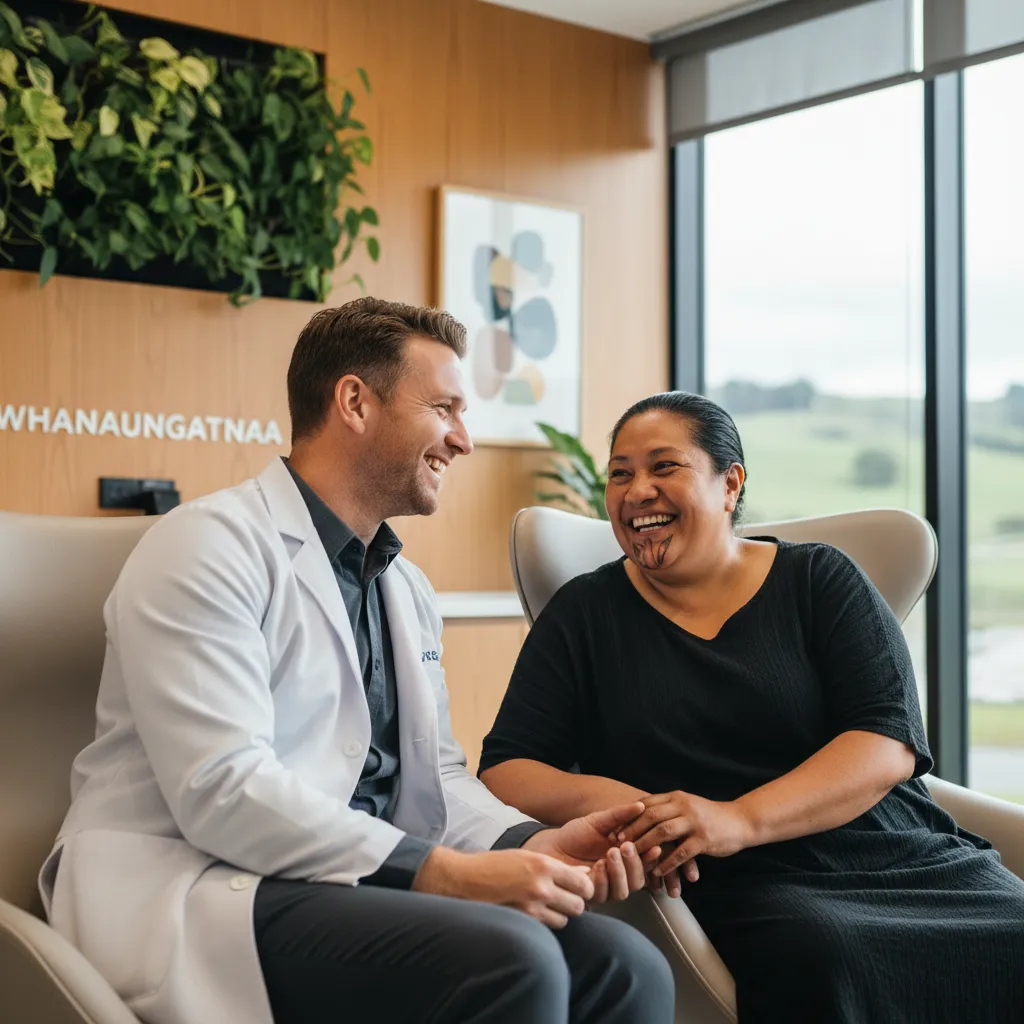
Whanaungatanga is the process of establishing relationships and relating to others. In a clinical setting, it is the foundation upon which trust is built. Unlike Western models that often prioritize efficiency and ‘getting straight to the point,’ the Māori world view (Te Ao Māori) places a high value on the connection between people. For non-Māori clinicians, skipping the process of whanaungatanga can lead to a breakdown in communication and a lack of patient adherence to treatment plans.
Building Relationships Beyond the Consultation
Whanaungatanga often begins with identifying common ground. This might involve sharing a bit about your own background, your home, or your family before diving into the medical history. It is a reciprocal exchange. By showing your humanity, you allow the patient to feel seen as a person rather than just a set of symptoms. This rapport-building is not ‘wasted time’; it is a clinical necessity that ensures the patient feels safe and understood.
The Role of Pepeha and Connection
While non-Māori clinicians are not expected to be experts in Te Reo Māori, having a basic understanding of a pepeha (a way of introducing oneself by linking to land and lineage) can be incredibly powerful. Acknowledging the patient’s iwi (tribe) or hapū (sub-tribe) demonstrates a respect for their identity. It shows that the clinician recognizes the patient as part of a wider collective, which is essential in a culture where individual health is inextricably linked to the health of the collective.
Engaging with Māori Patients and Whānau
Effective engagement requires a shift from a patient-centered approach to a whānau-centered approach. In Te Ao Māori, the individual is rarely an island; health decisions often involve the entire family unit. Clinicians must be prepared to engage with multiple family members and understand that the ‘patient’ in the room is a representative of their ancestors and their future generations.
Te Whare Tapa Whā: A Holistic Framework
Developed by Sir Mason Durie, the Te Whare Tapa Whā model is an essential tool for any clinician working in New Zealand. It compares health to a four-walled house (wharenui). The four walls are: Taha Tinana (physical health), Taha Wairua (spiritual health), Taha Whānau (family health), and Taha Hinengaro (mental health). If one wall is weak, the entire structure is at risk. Non-Māori clinicians often focus heavily on Taha Tinana, but for Māori patients, spiritual or family issues may be the primary cause of physical illness. Engaging with all four pillars provides a much more comprehensive and effective treatment plan.
Communication Strategies and Cultural Safety
Cultural safety is different from cultural competency; it is defined by the recipient of the care. To practice safely, clinicians must be aware of their own biases and the power dynamics at play. Using simple Te Reo Māori greetings (like ‘Kia ora’ or ‘Mōrena’), ensuring correct pronunciation of names, and allowing for ‘mauri tau’ (a settled or calm state) during the consultation are simple yet effective ways to enhance engagement. Avoid medical jargon that can create barriers and instead use storytelling or visual aids that resonate with the patient’s reality.
Integrating Rongoā Māori and Holistic Lifestyle
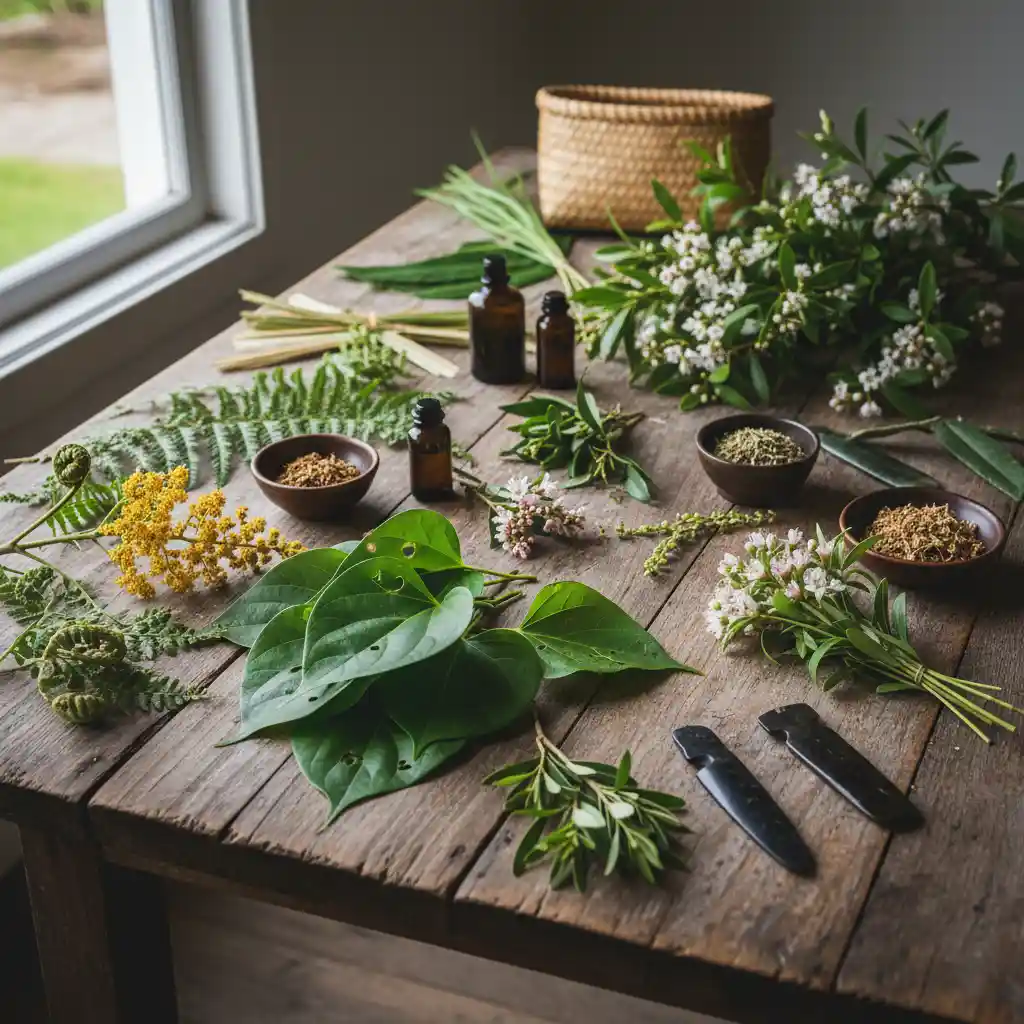
Rongoā Māori is a traditional healing system that includes herbal medicine (rongoā rākau), physical massage (mirimiri), and spiritual healing (karakia). For many Māori, Rongoā is not an ‘alternative’ to clinical medicine but a fundamental part of their wellbeing. A culturally competent clinician acknowledges and respects this integration.
Respecting Traditional Healing Knowledge
It is crucial for clinicians to avoid dismissing Rongoā Māori as ‘unscientific.’ Instead, they should inquire about a patient’s use of traditional remedies with curiosity and respect. Understanding the properties of plants like Kawakawa (for inflammation) or Manuka (for healing) allows the clinician to monitor for potential interactions with prescribed medications while supporting the patient’s holistic choices. This approach validates the patient’s culture and builds a deeper level of trust.
Collaborating with Rongoā Practitioners
In a truly integrated health system, clinicians and Rongoā practitioners work side-by-side. If a patient expresses a desire to see a tohunga (healer), the clinician should facilitate this rather than discourage it. This collaboration ensures that the patient receives the best of both worlds—clinical safety and cultural sustenance. It also reflects a commitment to the Treaty principle of partnership, where different knowledge systems are given equal weight in the pursuit of Hauora (health).
Avoiding Tokenism in Practice
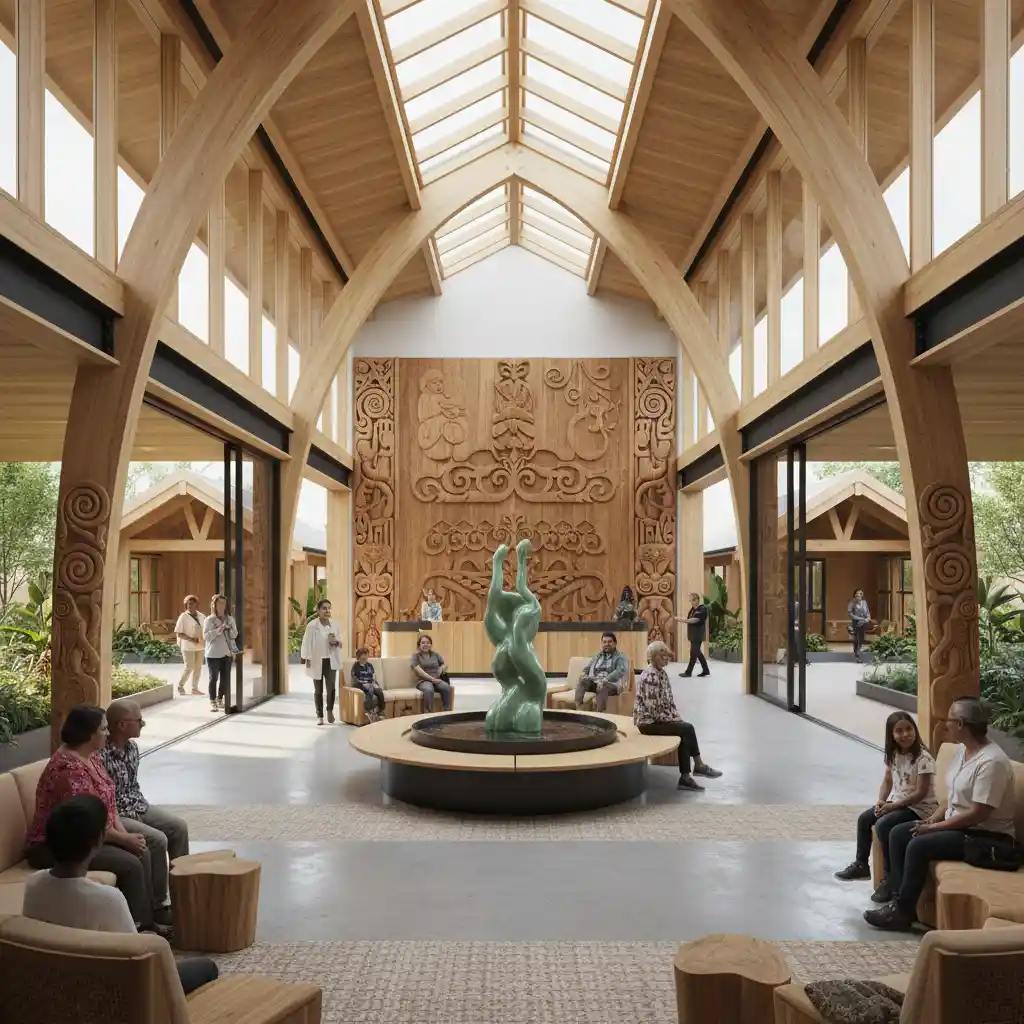
Tokenism occurs when cultural elements are used superficially without any real change in practice or mindset. Examples include hanging Māori art in a waiting room while maintaining a clinical environment that is cold and unwelcoming to whānau, or using Te Reo Māori phrases without understanding their deeper meaning. To avoid tokenism, clinicians must engage in deep self-reflection.
Moving Beyond Visual Symbols
Authentic cultural competency health NZ requires structural change. This might mean extending consultation times to allow for whanaungatanga, creating spaces that can accommodate large whānau groups, or actively recruiting Māori staff. It means looking at health data through an equity lens and asking why Māori outcomes are different in your specific practice. Tokenism is passive; true competency is active and often uncomfortable, as it requires challenging long-held professional norms.
Self-Reflection and Addressing Unconscious Bias
Every clinician carries unconscious biases. These may manifest as assumptions about a patient’s lifestyle, their ability to afford treatment, or their health literacy. Avoiding tokenism means doing the hard work of identifying these biases and actively working to mitigate them. It involves listening more than talking and being willing to be corrected by patients or Māori colleagues. A clinician who claims to be ‘culturally competent’ is often less effective than one who admits they are a lifelong learner in the space of cultural humility.
The Path to Cultural Humility
The journey toward cultural competency is not a destination or a certificate on the wall; it is a lifelong process of cultural humility. For non-Māori clinicians, this means constantly evaluating their practice, staying informed about Māori health research, and remaining open to the wisdom inherent in Te Ao Māori. By prioritizing relationships, honoring the Treaty, and respecting traditional healing practices, clinicians can contribute to a health system that truly serves all New Zealanders.
Conclusion: A Lifelong Commitment
Integrating cultural competency into clinical practice is the most effective way to address the health inequities in Aotearoa. It requires a blend of clinical skill, historical knowledge, and emotional intelligence. When non-Māori clinicians embrace these principles, they don’t just improve outcomes for Māori—they become more empathetic, effective, and holistic practitioners for all their patients. The future of healthcare in New Zealand depends on this synthesis of clinical excellence and cultural resonance.
People Also Ask
What are the 3 principles of the Treaty of Waitangi in healthcare?
The three traditional principles are Partnership, Participation, and Protection. Modern frameworks often add Equity and Tino Rangatiratanga (Self-determination) to reflect the Waitangi Tribunal’s findings on health disparities.
Why is cultural competency important in NZ health?
It is vital for addressing the significant health inequities faced by Māori. It ensures that healthcare services are accessible, effective, and respectful, leading to better patient engagement and health outcomes.
How can non-Māori doctors improve engagement with Māori whānau?
By practicing whanaungatanga (relationship building), allowing time for connection before clinical tasks, involving the wider family in decisions, and using holistic models like Te Whare Tapa Whā.
What is Te Whare Tapa Whā?
It is a Māori health model that views wellbeing as a house with four walls: physical (tinana), mental (hinengaro), spiritual (wairua), and family (whānau). All four must be balanced for a person to be healthy.
What is the difference between cultural safety and cultural competency?
Cultural competency is the clinician’s knowledge and skills, while cultural safety is the patient’s experience of feeling respected and safe, free from judgment or bias.
How do I include Rongoā Māori in a treatment plan?
Start by asking the patient if they use traditional healing, respect their choices, monitor for interactions with clinical medicine, and collaborate with Rongoā practitioners when possible.