
Māori sleep health, or Hauora moe, is a holistic framework that views rest as a vital connection between the individual and the natural world (Te Taiao). By integrating traditional Rongoā Māori (herbal medicine) with the lunar insights of the Maramataka, practitioners can synchronize biological rhythms with environmental cycles, fostering profound spiritual and physical restoration.
The Spiritual Foundation of Māori Sleep Health
In the Māori worldview, health is not merely the absence of disease but a state of balance between four pillars: Te Whare Tapa Whā. These include Te Taha Wairua (spiritual), Te Taha Hinengaro (mental), Te Taha Tinana (physical), and Te Taha Whānau (family). Sleep, or moe, is the bridge where these pillars intersect. When we discuss Māori sleep health, we are looking at how the body transitions from Te Ao Mārama (the world of light and life) back into the protective embrace of Te Pō (the world of darkness). This transition is not just biological; it is a spiritual recalibration. Traditionally, sleep was seen as a time when the wairua (spirit) could travel and receive guidance, making the quality of that rest paramount for daily functioning and communal leadership.
The Role of Darkness (Te Pō)
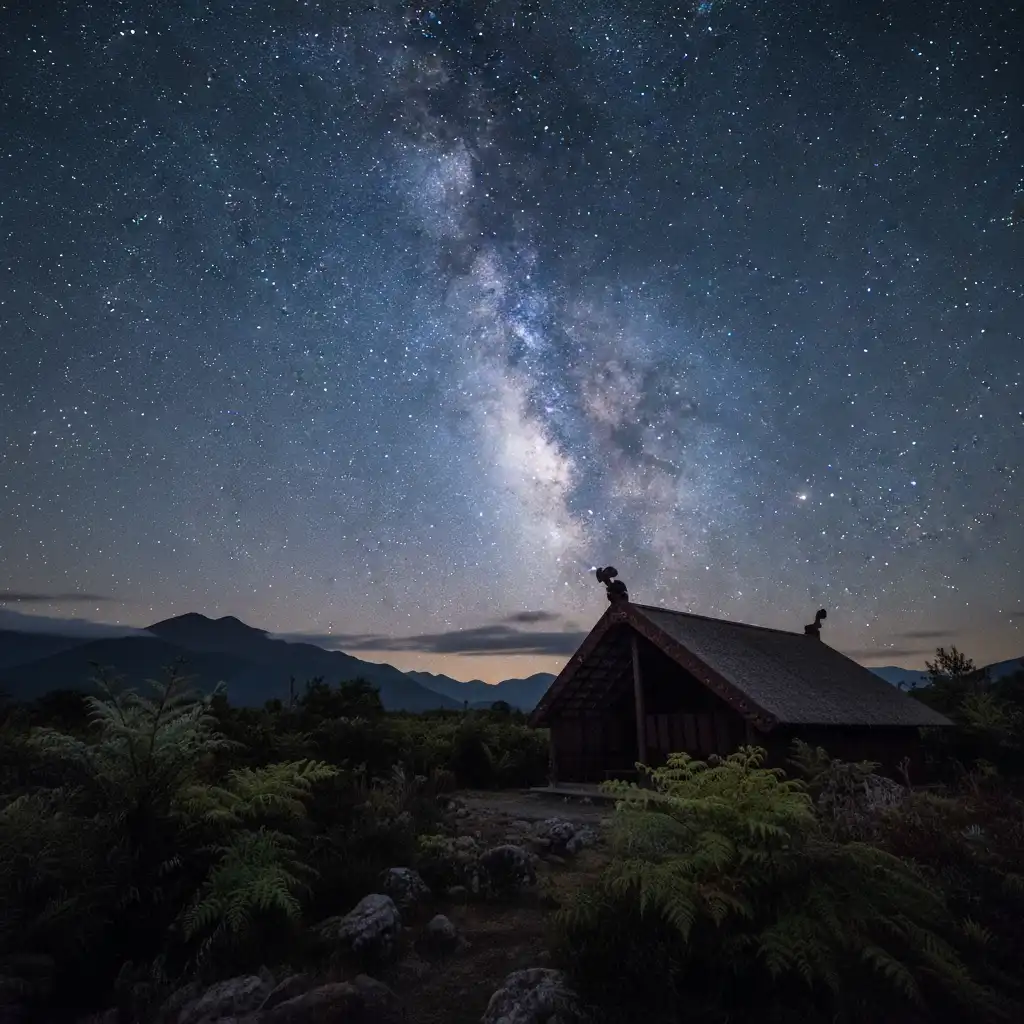
Te Pō holds a significant place in Māori cosmology, representing the period of gestation, potential, and the beginning of all things. In the context of Māori sleep health, darkness is not a void to be feared but a sacred space for healing. From a physiological standpoint, the total darkness of Te Pō is essential for the production of melatonin, the hormone that regulates our sleep-wake cycle. Indigenous practices emphasize the importance of aligning our domestic environments with the natural descent of the sun.
The Biological Necessity of the Dark
Modern clinical research supports the ancient wisdom of Te Pō. Exposure to artificial light late at night suppresses melatonin and disrupts the circadian rhythm. For many Māori communities, returning to a lifestyle that honors the natural transition from light to dark is a form of cultural reclamation. This involves dimming lights as the sun sets and ensuring the sleeping area is as dark as possible, mirroring the environment of our ancestors. By doing so, we signal to the nervous system that it is time to shift from the sympathetic (fight or flight) state to the parasympathetic (rest and digest) state.
Herbal Aids for Sleep: Rongoā Māori
Rongoā Māori offers a sophisticated pharmacopeia for addressing sleep disturbances. Unlike synthetic sedatives, Rongoā aims to address the underlying cause of sleeplessness, whether it be physical pain, anxiety, or spiritual unrest. The use of native plants is always accompanied by karakia (prayer) to acknowledge the mauri (life force) of the plant and to set an intention for healing.
Kawakawa: The Heart of Restoration
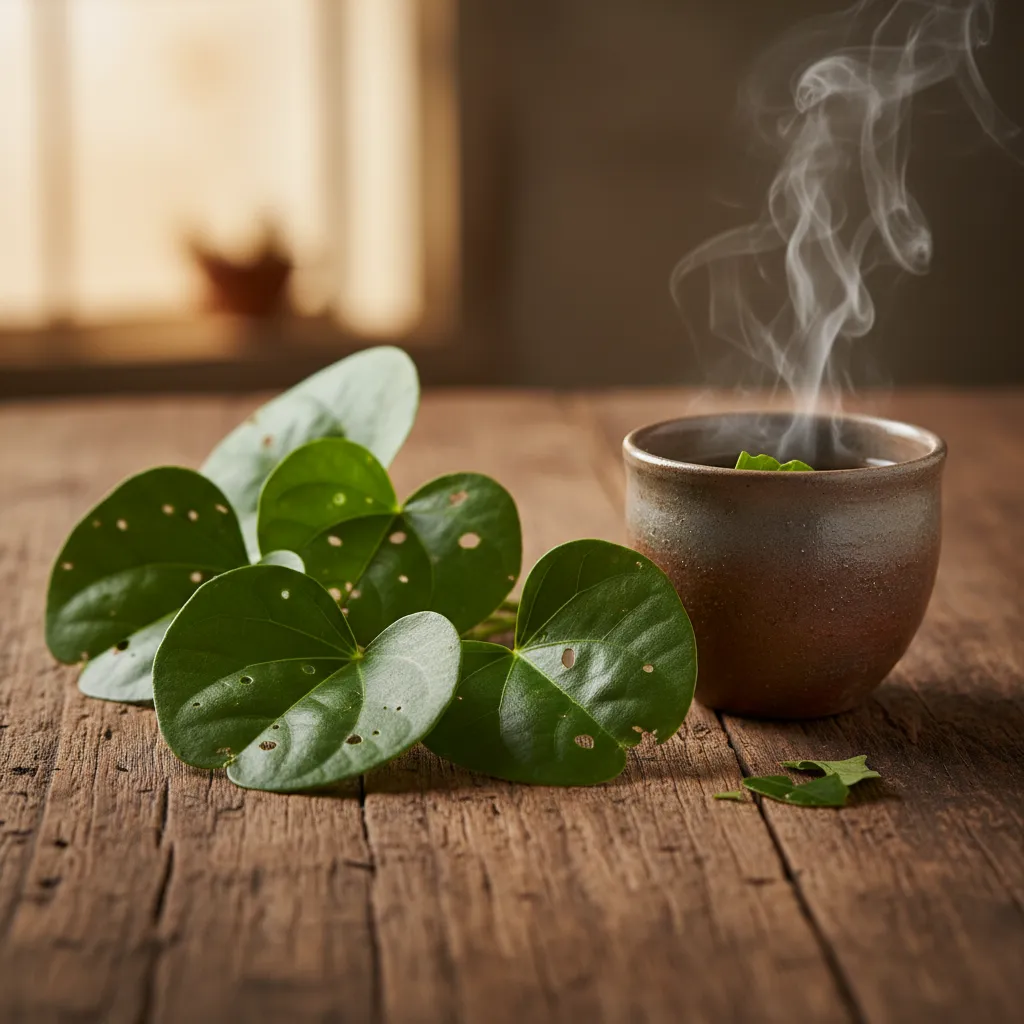
Kawakawa (Piper excelsum) is perhaps the most iconic plant in Māori medicine. While it is widely known for its digestive and anti-inflammatory properties, its role in Māori sleep health is equally vital. Kawakawa acts as a mild sedative and nervine, helping to soothe an overactive mind. When consumed as a warm infusion before bed, it helps to lower internal inflammation and calm the nervous system, making it easier for the body to surrender to sleep.
Kōtukutuku and the Calming of the Spirit
The native fuchsia, or Kōtukutuku, provides berries and bark that have historically been used to treat various ailments. In the realm of sleep, preparations made from the plant are used to settle the wairua during times of grief or stress—factors that often lead to insomnia. By addressing the emotional weight that an individual carries, Rongoā Māori facilitates a deeper, more restorative sleep that western medications often fail to reach.
Technology and Circadian Rhythms
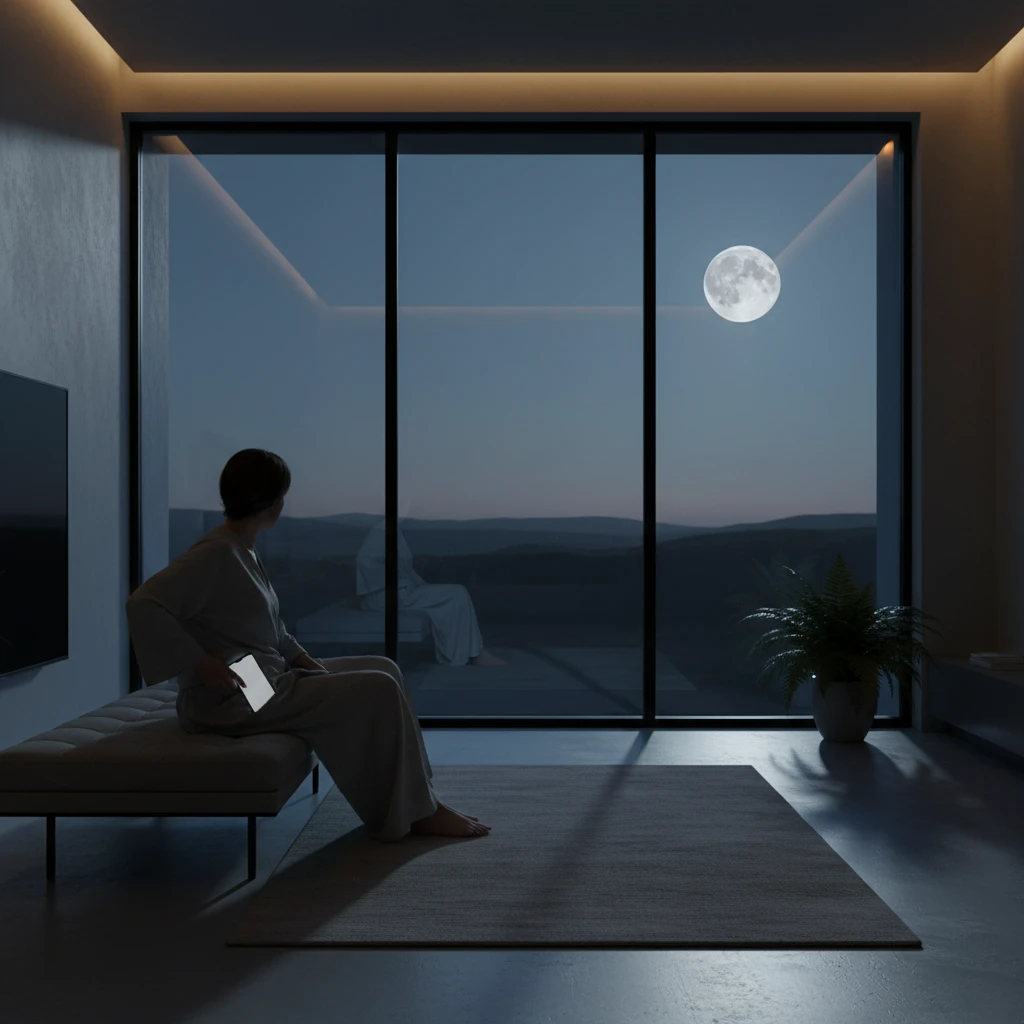
The introduction of blue-light-emitting devices has created a significant hurdle for Māori sleep health. Traditional life was dictated by the rising and setting of the sun and the phases of the moon. Today, the constant connectivity of smartphones and computers creates a state of perpetual Te Ao Mārama, preventing the brain from entering the necessary state of Te Pō.
The Conflict Between Screens and Wairua
Technology does more than just disrupt hormones; it fragments our attention and disconnects us from our environment. In a Rongoā Māori context, this is seen as an interference with our mauri. To improve sleep hygiene, it is recommended to implement a digital ‘sun-down’ policy, where all screens are turned off at least two hours before sleep. This practice allows the mind to decompress and the eyes to adjust to the low-light environment that our biology expects.
Environmental Quietude and Mauri
The environment in which we sleep must be a sanctuary of quietude. In Māori culture, the concept of ‘wa’ (space and time) is crucial. A sleeping space should be cleared of clutter and negative energy to ensure that the mauri of the room supports rest. This is often achieved through physical cleaning and the use of natural materials like harakeke (flax) mats or wool blankets, which breathe and connect the sleeper to the earth.
The Role of Sound in Taiao
While modern environments are filled with the ‘white noise’ of traffic and appliances, Māori sleep health emphasizes the importance of natural sounds. The rhythmic sound of rain (Ua), the wind (Hau), or the distant ocean (Moana) are seen as healing frequencies. Many find that reconnecting with these natural soundscapes, even through recordings if the real thing is unavailable, helps to lower cortisol levels and induce a meditative state conducive to sleep.
Maramataka: The Lunar Influence on Rest
The Maramataka is the traditional Māori lunar calendar, and it is perhaps the most powerful tool for understanding variations in energy and sleep needs. Rather than following a rigid 24-hour cycle every day of the year, the Maramataka recognizes that some nights are naturally more high-energy (Kuru) while others are for deep rest and reflection.

High Energy vs. Low Energy Phases
During the full moon phases (such as Oturu or Rākaunui), energy levels are typically higher. Ancestrally, these were times for night fishing or community gatherings. Conversely, during the new moon (Mutuwhenua), energy is at its lowest, and the need for sleep is at its highest. Understanding these cycles allows individuals to stop fighting their biology. If you find yourself restless during a full moon, Māori sleep health suggests using that energy productively rather than stressing over a lack of sleep, then compensating with deeper rest during the low-energy phases of the month.
Clinical Integration of Indigenous Wisdom
For healthcare providers, integrating Māori sleep health into clinical practice means moving beyond the prescription pad. It involves asking patients about their connection to their environment, their use of technology, and their adherence to natural cycles. By validating the use of Rongoā and the Maramataka, clinicians can build greater trust with Māori patients and provide more culturally responsive care.
A Holistic Prescription for Sleep
A clinical approach informed by Māori values might include a ‘social prescription’ that involves spending time in nature (Te Taiao), using Kawakawa tea, and practicing traditional breathing techniques (Manawa). This acknowledges that sleep is not just a biological function but a cultural and spiritual practice. When we honor the traditions of our tūpuna (ancestors), we tap into a wellspring of health that has sustained communities for generations.
Frequently Asked Questions
What is the main difference between Māori sleep hygiene and Western sleep hygiene?
Māori sleep hygiene is holistic, incorporating spiritual (Wairua) and environmental (Taiao) connections, whereas Western hygiene focuses primarily on behavior and physical environment. Māori practices often utilize the Maramataka (lunar calendar) to guide rest cycles.
How can I use the Maramataka to improve my sleep?
By tracking the lunar phases, you can identify nights when you will naturally have more or less energy. During low-energy phases like Mutuwhenua, prioritize early nights and deep rest. During high-energy phases, accept that you may need less sleep and adjust your schedule accordingly.
Is Kawakawa safe to use every night for sleep?
Generally, Kawakawa is safe for most people as a mild tea. However, it is always best to consult with a Rongoā practitioner or a medical professional, especially if you are pregnant, breastfeeding, or taking other medications, to ensure it is appropriate for your specific needs.
What does ‘Te Pō’ represent in terms of health?
Te Pō represents the darkness and the realm of potential. In health, it signifies the essential restorative period where the body and spirit heal. Respecting Te Pō means creating dark, quiet, and sacred spaces for sleep.
Can modern technology be integrated with Māori sleep principles?
While difficult, it is possible by using technology to track the Maramataka or listen to natural soundscapes. However, the core principle is to reduce ‘artificial’ interference, so a period of total disconnection before sleep is highly recommended.
How does the concept of Mauri affect sleep quality?
Mauri is the life force within everything. If a bedroom has ‘stagnant’ or negative mauri due to clutter or stress, it can disrupt sleep. Clearing the space and using natural materials can help harmonize the mauri of the room to support better rest.