
A Māori diet and health perspective emphasizes a holistic connection between the land, spiritual well-being, and physical sustenance. By integrating traditional whole foods like kūmara and kaimoana with ancestral knowledge such as the Maramataka, individuals can achieve a balanced nutritional state that counters the inflammatory effects of modern processed diets.
Traditional Whole Foods: The Foundation of Vitality
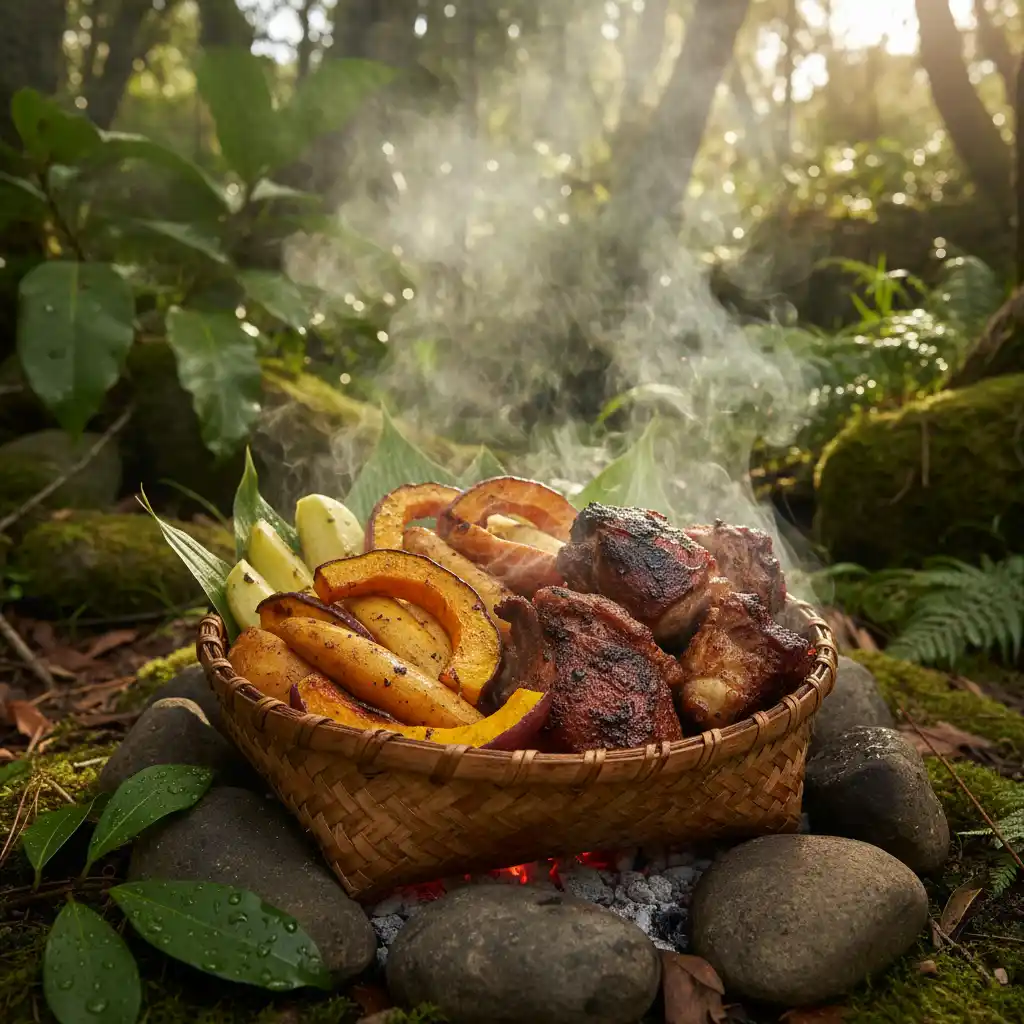
In the pre-colonial era, the Māori diet was characterized by a profound reliance on the natural environment, utilizing the riches of the forest, the rivers, and the ocean. This ancestral way of eating was not merely about caloric intake but was intrinsically linked to the concept of Mauri, or life force. The primary staples included various species of kūmara (sweet potato), taro, and uwhi (yam), which provided complex carbohydrates necessary for the physically demanding lifestyle of the era.
Kaimoana: The Ocean’s Nutritional Bounty
Kaimoana (seafood) served as the primary protein source for many iwi (tribes). The consumption of fish, eels (tuna), and shellfish provided essential omega-3 fatty acids, iodine, and high-quality protein. Unlike modern industrially farmed seafood, traditional kaimoana was harvested in alignment with the health of the ecosystem. The inclusion of seaweed, or karengo, offered a dense profile of minerals and trace elements often lacking in modern terrestrial diets. This reliance on the sea ensured a diet naturally low in saturated fats and high in anti-inflammatory compounds, which contributed to the robust health of the ancestors.
Kūmara: The Superior Carbohydrate
Kūmara is perhaps the most iconic element of the Māori diet. Cultivated with great care, it was not only a food source but a symbol of cultural identity and agricultural skill. From a nutritional perspective, kūmara is a low-glycemic index food, providing sustained energy release. It is rich in vitamins A and C, potassium, and dietary fiber. In the context of modern clinical nutrition, the traditional preparation of kūmara—often steamed or roasted without added refined fats—serves as an ideal model for managing blood sugar levels and promoting gut health through resistant starch.
Foraging for Nutrients: The Forest as a Pharmacy
Foraging, or gathering from the wild, remains a cornerstone of the Māori lens on nutrition. The practice of mahinga kai (food gathering places) involves a deep understanding of botany and ecology. Native plants provided essential vitamins and medicinal properties that modern supermarkets cannot replicate. The act of foraging itself fostered a physical connection to the land (Whenua), which is considered essential for mental and spiritual health.

Pūhā and Watercress: Bitter Greens for Detoxification
Pūhā (sow thistle) and watercress are staples of the Māori diet, often added to boils or stews. These greens are incredibly nutrient-dense, containing high levels of vitamin C, iron, and folate. In a modern nutritional context, the bitter compounds in pūhā are known to stimulate digestive enzymes and support liver function. Historically, these greens provided the necessary micronutrients to survive the winter months when other crops were scarce. Integrating these wild greens into a modern diet can significantly enhance antioxidant intake and combat the oxidative stress caused by urban living.
Kawakawa and Native Berries
Beyond the primary greens, the Māori forest offered kawakawa, a plant with significant rongoā (medicinal) properties. Used as a tea or a seasoning, kawakawa has anti-inflammatory and digestive benefits. Native berries like the karaka (though requiring complex processing to remove toxins) and the berries of the tawa and hinau trees provided seasonal bursts of vitamins and sugars. This variety ensured a wide spectrum of phytonutrients, many of which are currently being studied for their potential to prevent chronic diseases such as cancer and heart disease.
Seasonal Eating Cycles: Harmonizing with the Maramataka
Māori nutrition is fundamentally seasonal, governed by the Maramataka, the Māori lunar calendar. This system dictates the best times for planting, harvesting, fishing, and resting. By aligning food consumption with the natural cycles of the moon and stars, traditional Māori health practices ensured that the body received the right nutrients at the right time. This seasonal approach is a stark contrast to the modern globalized food system where any fruit or vegetable is available year-round, often at the expense of nutrient density.

The Lunar Influence on Metabolism
The Maramataka identifies phases of the moon that are high energy (Rakaunui) and low energy (Whiro). During high-energy phases, metabolism and activity levels were expected to increase, requiring more calorie-dense foods. Conversely, during low-energy phases, the focus shifted to lighter meals and detoxification. This ancient wisdom predates modern chrononutrition, which studies how the timing of food intake affects metabolic health. Adopting a Māori lens on nutrition means acknowledging that our bodies are not static and that our dietary needs fluctuate with the environment.
Soil Health and Nutrient Density
Seasonal eating also respects the soil’s need for recovery. Traditional Māori gardening practices used natural fertilizers like seaweed and wood ash, ensuring the soil remained mineral-rich. Modern industrial farming often depletes these minerals, resulting in produce that is physically large but nutritionally hollow. By following the Maramataka, modern practitioners can emphasize the consumption of local, seasonally-grown produce, which typically contains higher levels of vitamins and minerals due to being harvested at peak ripeness.
The Impact of Processed Foods: A Post-Colonial Health Crisis
The transition from a traditional whole-food diet to a Westernized diet has had devastating consequences for Māori health. The introduction of refined sugars, white flour, and processed vegetable oils coincided with a rise in non-communicable diseases (NCDs) such as type 2 diabetes, obesity, and cardiovascular disease. This shift is often referred to as dietary colonization, where indigenous food systems were suppressed in favor of cheap, shelf-stable, but nutritionally poor commodities.

Inflammation and the Modern Plate
Processed foods are notoriously pro-inflammatory. High intakes of omega-6 fatty acids from industrial seed oils and refined carbohydrates lead to systemic inflammation, a precursor to most modern ailments. In contrast, the Māori diet was naturally anti-inflammatory. Reclaiming health for Māori communities often involves a process of ‘decolonizing the plate’—removing processed foods and reintroducing traditional staples. This clinical shift is not just about weight loss but about restoring the body’s internal balance and reducing the burden of chronic inflammation.
Socio-Economic Factors and Food Sovereignty
Addressing the impact of processed foods requires more than just dietary advice; it requires a focus on food sovereignty (Tino Rangatiratanga). Many Māori communities live in ‘food deserts’ where fresh, traditional foods are expensive or unavailable, while processed foods are abundant and cheap. Clinical integration of Māori nutrition must therefore include advocacy for better access to land for gardening and the protection of mahinga kai, ensuring that the ‘Māori lens’ is a practical reality rather than just a theoretical framework.
Clinical Integration and Rongoā: A Holistic Path Forward
The integration of the Māori lens into modern clinical practice is best exemplified by the Te Whare Tapa Whā model, developed by Sir Mason Durie. This model views health as a four-walled house: Te Taha Tinana (physical), Te Taha Hinengaro (mental/emotional), Te Taha Whānau (social), and Te Taha Wairua (spiritual). Nutrition fits into every wall of this house. For a patient’s health to be balanced, their diet must support not only their physical body but also their connection to their family and their spiritual identity.
Rongoā Māori in Nutrition
Rongoā Māori, the traditional system of healing, often uses food as medicine. In a clinical setting, this might involve prescribing specific herbs like kawakawa or pūhā alongside conventional treatments. It also involves the ritual of ‘karakia’ (prayer) before meals, which has been shown to lower cortisol levels and improve digestion by shifting the body into a parasympathetic (rest and digest) state. This holistic approach ensures that the patient is treated as a whole person rather than a set of symptoms.
The Role of the Practitioner
For clinicians, understanding the Māori lens means moving beyond standardized nutritional guidelines that often ignore cultural context. It involves recognizing that for Māori, food is a link to ancestors and the land. Successful clinical integration requires practitioners to build trust (whanaungatanga) and respect traditional knowledge (mātauranga). By encouraging the use of traditional whole foods and seasonal cycles, practitioners can help patients reclaim their health through a framework that feels culturally safe and deeply resonant.
People Also Ask
What is the traditional Māori diet?
The traditional Māori diet consisted of whole foods gathered from the land and sea, including kūmara, taro, kaimoana (seafood), pūhā (wild greens), birds, and ferns. It was naturally high in fiber, complex carbohydrates, and omega-3 fatty acids, and contained no refined sugars or processed oils.
How does Rongoā Māori impact modern health?
Rongoā Māori provides a holistic healing framework that includes herbal medicine, physical therapy (mirimiri), and spiritual healing (karakia). In modern health, it offers a complementary approach that addresses the mental and spiritual aspects of well-being alongside physical nutrition.
What are the benefits of eating seasonally according to the Maramataka?
Eating according to the Maramataka ensures that individuals consume produce at its nutritional peak. It also aligns human energy expenditure and metabolic needs with the natural lunar cycles, promoting better sleep, digestion, and hormonal balance.
Why is Kūmara important in Māori nutrition?
Kūmara is a vital source of sustained energy due to its low glycemic index. It is packed with vitamins and antioxidants and serves as a cultural staple that represents agricultural heritage and food security.
How has colonization affected Māori health outcomes?
Colonization led to the displacement of traditional food systems and the introduction of refined, high-calorie, nutrient-poor foods. This shift has resulted in higher rates of obesity, diabetes, and heart disease within Māori communities compared to non-Māori populations.
How can clinical practitioners integrate Māori health perspectives?
Practitioners can use models like Te Whare Tapa Whā to provide holistic care, respect traditional knowledge, encourage the use of wild and traditional foods, and ensure that health advice is culturally relevant and accessible.