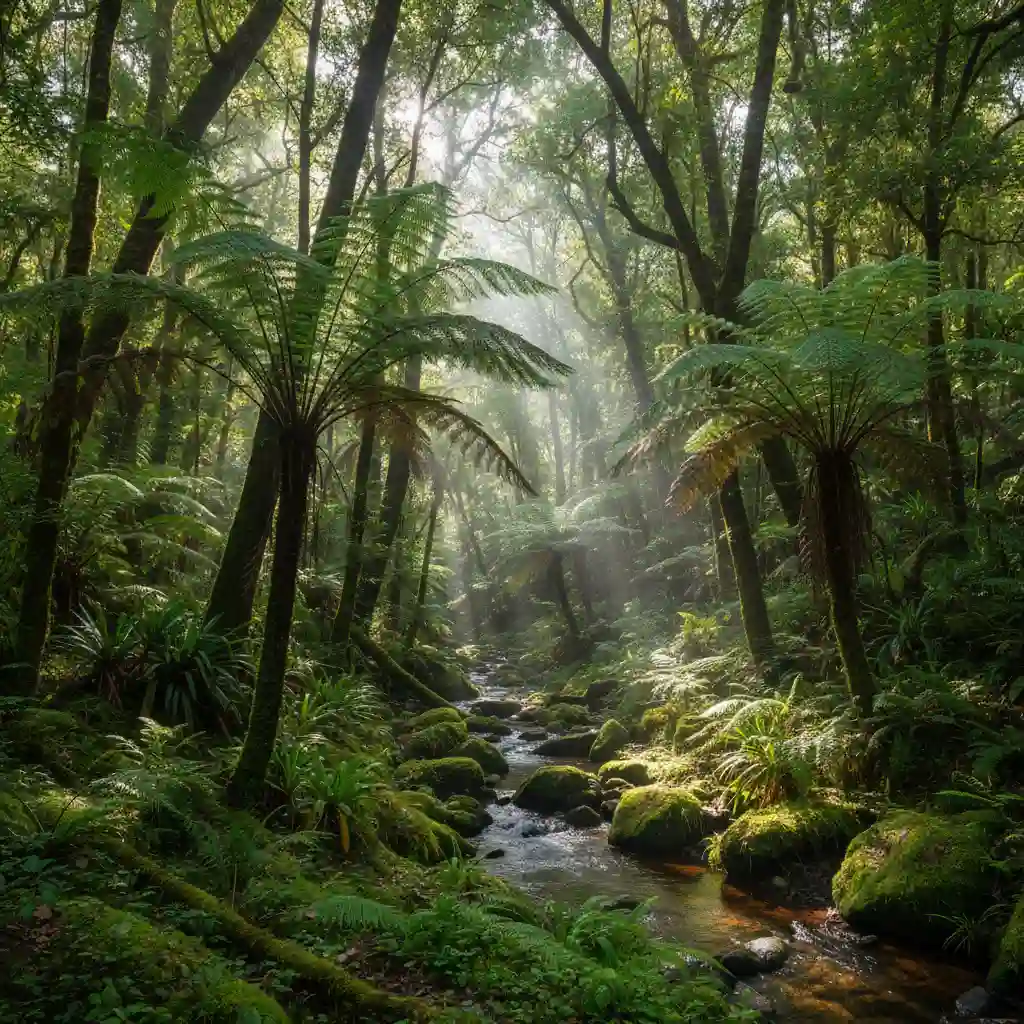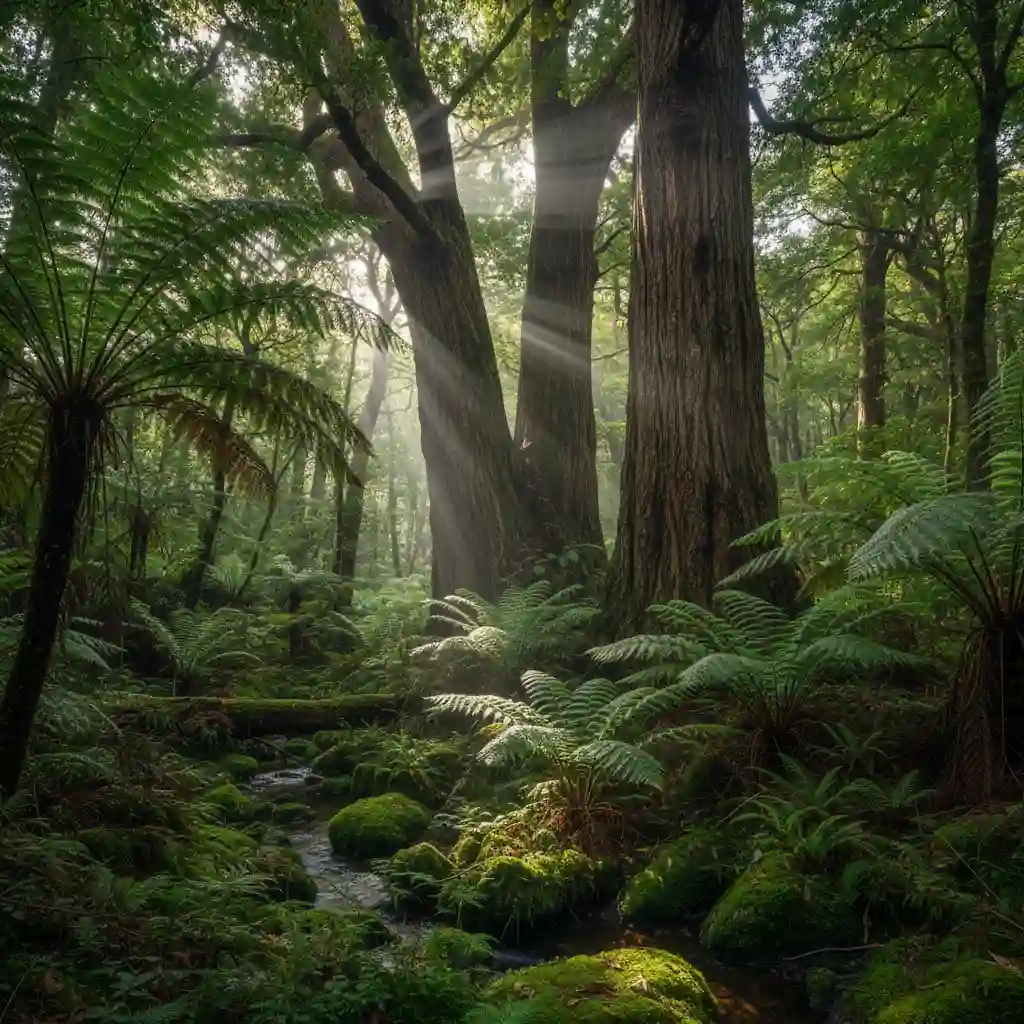
Maori water health constitutes the intrinsic link between the vitality of New Zealand’s waterways and the spiritual well-being of its people. By prioritizing Te Mana o te Wai, Māori recognize water as a living ancestor. This holistic approach ensures that water remains a source of life, healing, and cultural identity for current and future generations.
Water as a Life Force
In the Māori worldview, water is not merely a resource; it is the lifeblood of the Earth Mother, Papatūānuku, and the tears of the Sky Father, Ranginui. The health of the water is inextricably linked to the health of the people. This concept is encapsulated in the term Mauri, which refers to the life force or essence that exists in all things. When the mauri of a river is strong, the ecosystem thrives, and the people who interact with that water are spiritually and physically nourished. Conversely, when the mauri is weakened through pollution or diversion, the spiritual health of the community suffers. Māori water health is therefore a measure of the metaphysical and physical balance within the environment.

The principle of Te Mana o te Wai is the foundational concept for managing freshwater in Aotearoa New Zealand. It recognizes that the first priority for water management is to protect the health and well-being of the water itself. Only when the water is healthy can it provide for the needs of the people and the wider economy. This hierarchy of obligations ensures that the spiritual integrity of water is maintained. For practitioners of Rongoā Māori, the clinical and spiritual applications of water require it to be in its purest state. Water that has lost its mauri cannot effectively facilitate healing or the preparation of traditional medicines.
The Classifications of Wai
Māori have a sophisticated system for classifying water based on its spiritual and physical state. Understanding these categories is essential for anyone studying Maori water health and its impact on spiritual well-being. Waiora is the purest form of water, often found in mountain springs or high-altitude streams. It is used in sacred rituals and for the most potent healing practices. Waimāori is ordinary water that is safe for human consumption and use, suitable for cooking and cleaning. These states of water represent harmony and balance.
On the opposite end of the spectrum are Waikino and Waimate. Waikino refers to water that has been disturbed or agitated, perhaps by a storm or minor environmental disruption, carrying a sense of spiritual danger. Waimate, however, is the most concerning state. It refers to water that has lost its mauri—dead water. This is water that can no longer support life due to extreme pollution or stagnation. In the context of Rongoā Māori, Waimate is not only physically toxic but spiritually draining. Reversing the state of Waimate back to Waimāori is a primary goal of kaitiakitanga (guardianship).
Traditional Water Rituals
Traditional water rituals are central to the maintenance of spiritual health. One of the most significant rituals is Tohi, which involves the sprinkling of water over an individual to dedicate them to a particular deity or purpose, often performed at birth or before significant life events. This ritual connects the individual to their ancestral waterways and reinforces their identity within the natural world. The use of water in this context is a physical manifestation of spiritual cleansing and protection.
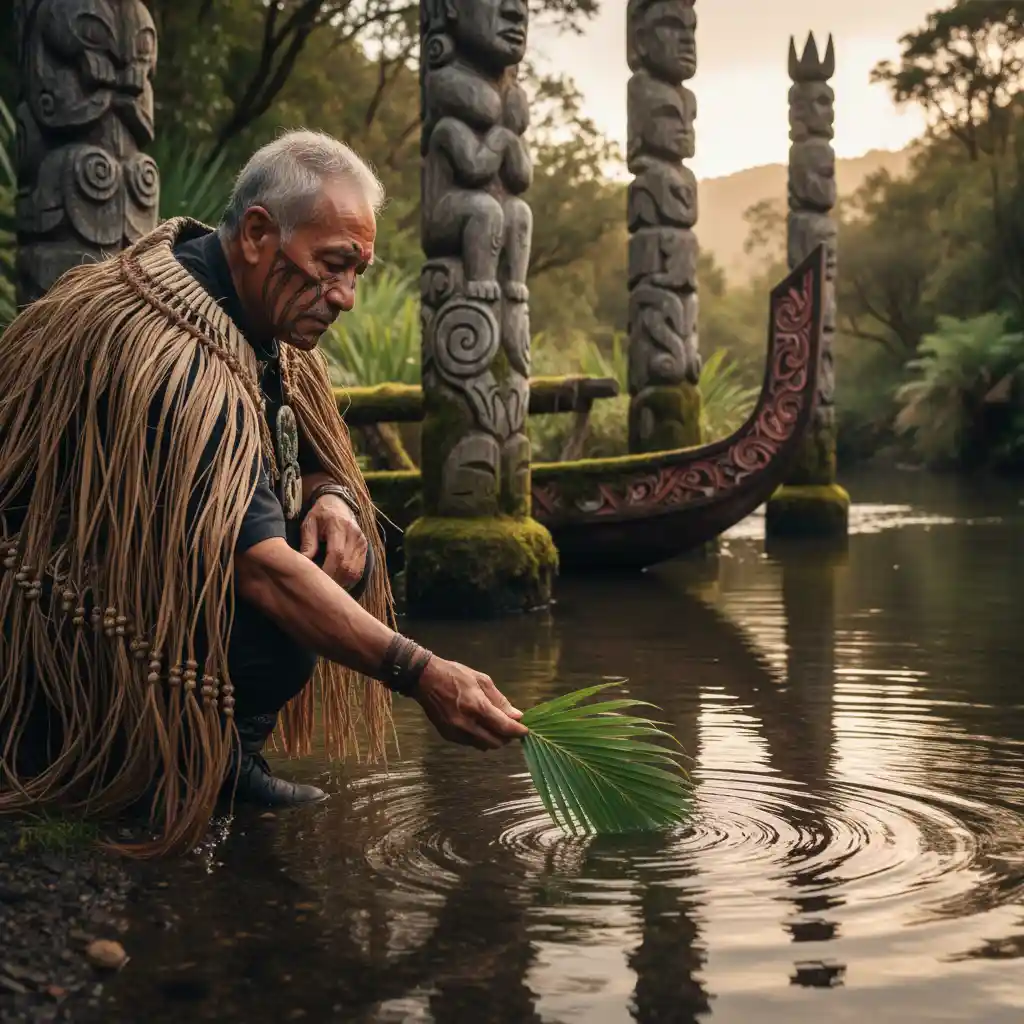
Whakanoa is another vital practice, where water is used to remove tapu (sacredness or restriction) and return a person or space to a state of noa (ordinariness). This is crucial after visiting sacred sites or dealing with illness. By washing with water from a specific source, an individual can reset their spiritual equilibrium. The effectiveness of these rituals is entirely dependent on the quality of the water. If the water used for Whakanoa is polluted, the ritual is compromised, leading to a sense of spiritual unrest and a breakdown in the traditional healing process.
The Impact of Pollution on Rongoā
Pollution is perhaps the greatest threat to Maori water health and the practice of Rongoā Māori. Rongoā is a holistic system that includes herbal medicine, physical therapy, and spiritual healing. Many of the plants used in Rongoā, such as Kawakawa, Harakeke, and various aquatic mosses, depend on clean, unpolluted water to grow. When waterways are contaminated by agricultural runoff, industrial waste, or urban sewage, these medicinal plants lose their potency or become toxic themselves. This creates a barrier for practitioners who must ensure that their remedies are both spiritually pure and physically safe.
Furthermore, the degradation of waterways leads to the loss of Mahinga Kai (traditional food gathering sites). The inability to gather watercress, eels, or freshwater crayfish from local streams is not just a loss of nutrition; it is a loss of cultural practice and spiritual connection. The psychological impact of seeing a once-pristine stream turn into a drainage ditch causes what some scholars call ‘solastalgia’—a specific form of distress caused by environmental change. For Māori, this distress is deeply tied to the severance of the link between the people and their ancestral waters.
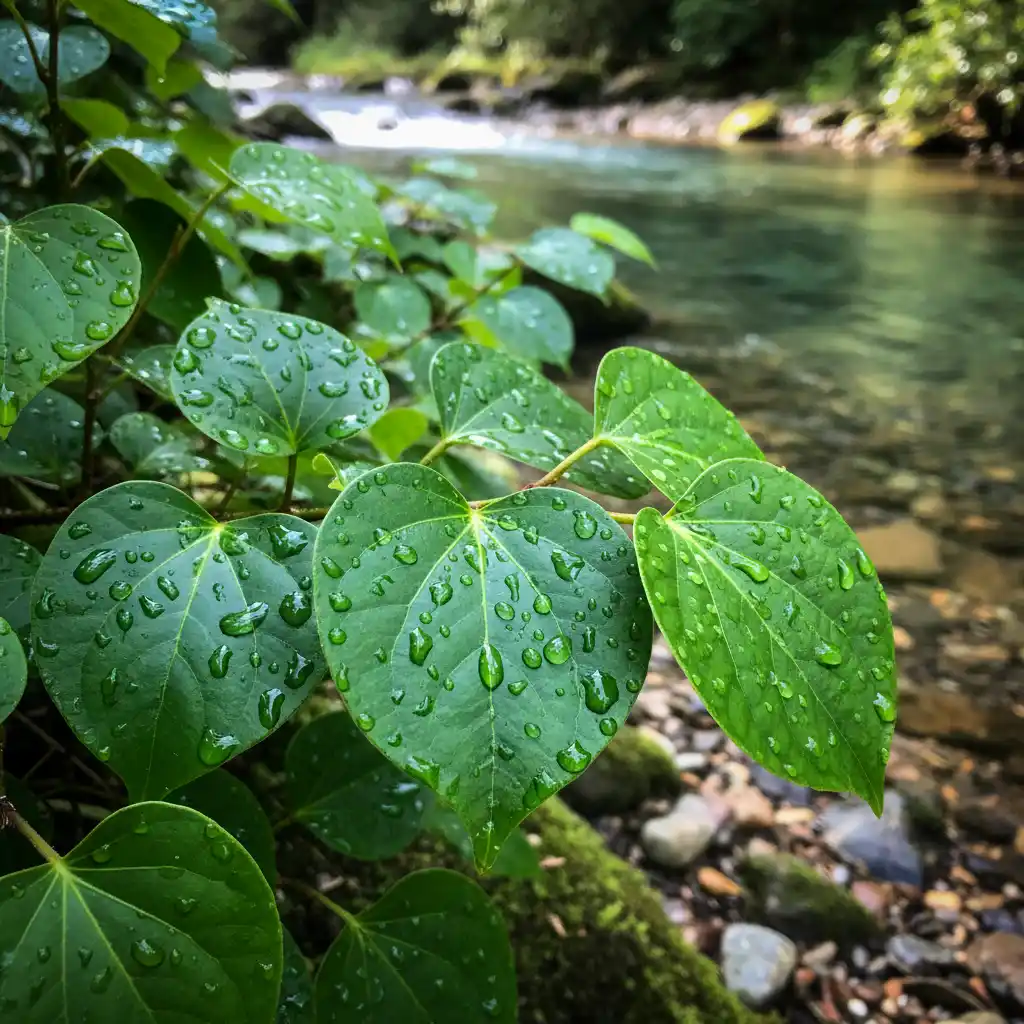
Stream Restoration and Spiritual Healing
Restoring a stream is more than an ecological project; it is an act of Rongoā. Stream restoration involves planting native vegetation along the banks to filter pollutants, creating habitats for indigenous species, and ensuring the natural flow of water is maintained. As the physical health of the stream improves, the mauri of the water begins to recover. This process is deeply healing for the community involved in the restoration work. Engaging in kaitiakitanga allows individuals to fulfill their ancestral obligations, providing a sense of purpose and spiritual fulfillment.
Successful restoration projects often incorporate traditional knowledge alongside modern science. For example, using the lunar calendar (Maramataka) to determine the best times for planting or harvesting can enhance the success of the project. As the water clears and life returns to the stream, the area once again becomes a place for spiritual rituals and the gathering of medicines. This rejuvenation of the environment facilitates a rejuvenation of the people, demonstrating the cyclical nature of Maori water health. Spiritual health is restored when the land and water are treated with the respect they deserve.
Clinical Integration of Māori Water Health
In a modern clinical setting, integrating Māori water health involves more than just recognizing its importance; it requires a shift in how healthcare is delivered. Clinics that adopt a Rongoā Māori approach often incorporate water features or ensure that patients have access to natural environments as part of their recovery. Understanding a patient’s spiritual connection to their local river can provide clinicians with deeper insights into their overall well-being. For many Māori patients, the knowledge that their ancestral waters are being protected can be a significant factor in their mental and spiritual resilience.

Clinical practitioners are increasingly working with iwi and hapū to ensure that water management policies reflect the spiritual needs of the community. This collaboration is essential for creating a healthcare system that is culturally safe and holistically effective. By acknowledging that water health is public health, and that spiritual health is dependent on the environment, we can move toward a more integrated and compassionate model of care. The preservation of Te Mana o te Wai is not just an environmental goal; it is a clinical necessity for the long-term health of all people in Aotearoa.
The Role of Local Communities
Local hapū and iwi are the primary kaitiaki of their waterways. Their role involves monitoring the health of the water, advocating for its protection in local government, and leading restoration efforts. This grassroots involvement ensures that the spiritual and cultural values of the water are never sidelined in favor of economic interests. When the community is empowered to care for their water, the resulting health outcomes—both physical and spiritual—are significantly improved. This community-led model serves as a blueprint for holistic health management globally.
Looking to the Future
The future of Maori water health lies in the continued recognition of the personhood of water. By treating rivers as legal entities with their own rights, as seen in the landmark Whanganui River legislation, we acknowledge the profound spiritual truth that Māori have known for centuries. As we continue to face global environmental challenges, the wisdom of Te Ao Māori regarding water offers a path toward sustainability and spiritual wholeness. Protecting our water is the ultimate act of self-care and collective healing.
People Also Ask
What is Te Mana o te Wai?
Te Mana o te Wai is a concept that prioritizes the health and well-being of water. it recognizes that when the water is healthy, the environment and people thrive. It is the fundamental principle for freshwater management in New Zealand.
How does water quality affect Rongoā Māori?
Water quality is critical for Rongoā Māori as clean water is needed to grow medicinal plants and perform spiritual rituals. Polluted water (Waimate) loses its healing power and can even be harmful to spiritual and physical health.
What are the different types of water in Māori culture?
Māori classify water into categories like Waiora (purest healing water), Waimāori (ordinary water), Waikino (dangerous water), and Waimate (dead or polluted water), each representing a different state of mauri.
Why is the Mauri of water important for spiritual health?
Mauri is the life force of water. When it is strong, the water can nourish the spirit (Wairua). If the mauri is weakened through pollution, it can cause spiritual distress and a loss of cultural identity within the community.
What role do Kaitiaki play in water protection?
Kaitiaki are guardians who have an ancestral responsibility to protect and restore the natural environment. In water protection, they monitor health, lead restoration projects, and ensure the spiritual integrity of the water is maintained.
How is Māori water health integrated into clinical settings?
Integration involves recognizing the spiritual importance of water in healing, providing patients with access to natural water environments, and collaborating with iwi to ensure healthcare policies respect traditional water values.