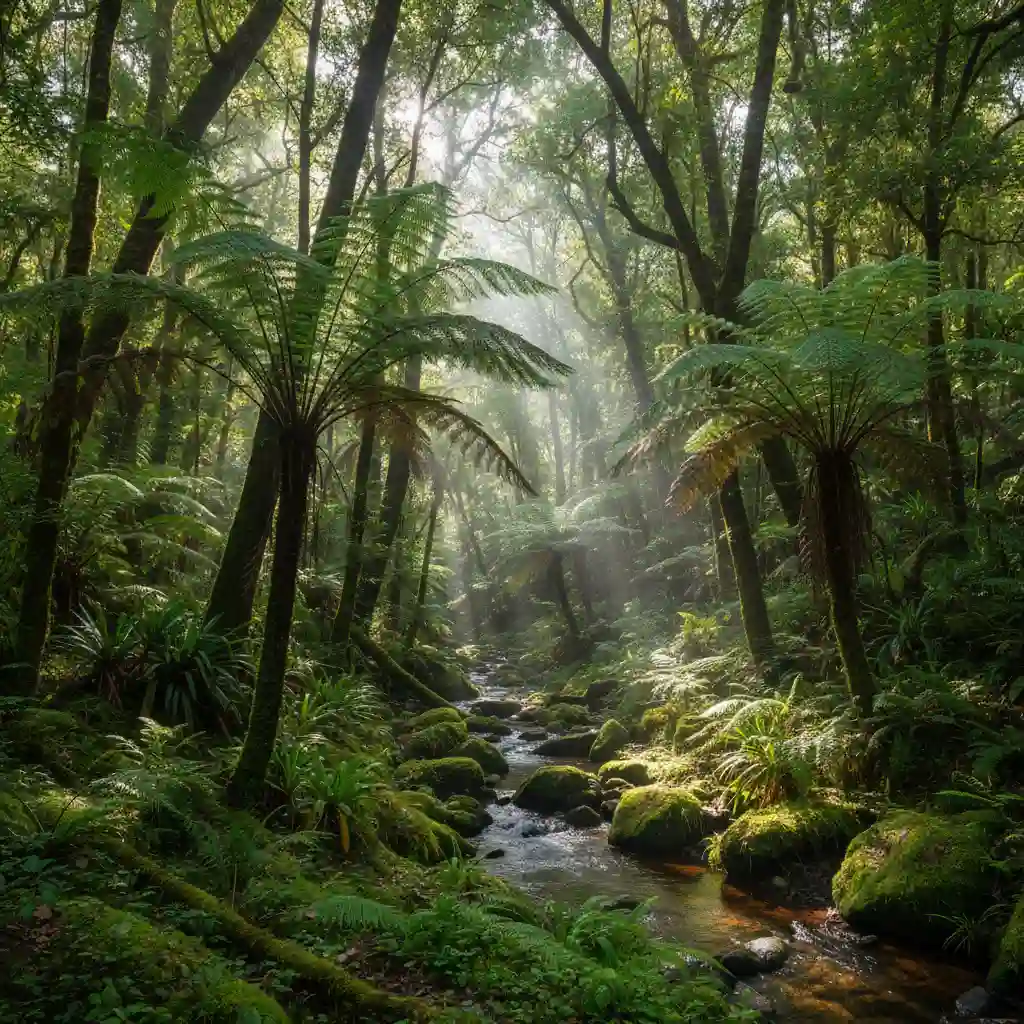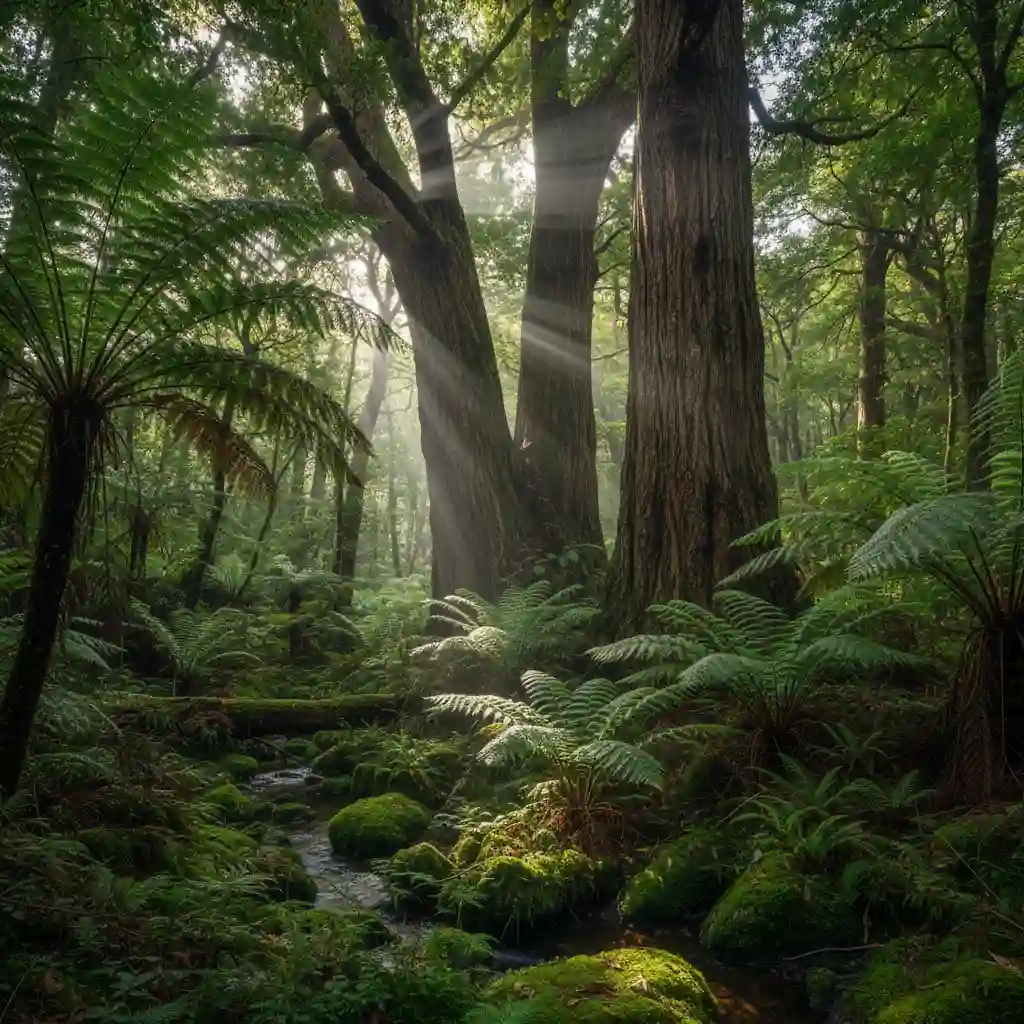
An urban rongoā garden is a specialized traditional Māori medicinal space adapted for city environments, emphasizing the cultivation of healing plants like Kawakawa, Kūmarahou, and Koromiko in limited areas. By utilizing container gardening, vertical structures, and strict contaminant management, urban practitioners can maintain a spiritual and physical connection to rongoā within dense metropolitan settings.
Understanding Rongoā Māori in the Urban Landscape
Rongoā Māori, the traditional healing system of the Māori people, is deeply rooted in the connection between people and the land (whenua). In our modern world, where more than 80% of the population resides in urban centers, the practice of establishing an urban rongoā garden has become a vital strategy for cultural preservation and holistic wellness. This practice is not merely about growing herbs; it is about reclaiming the relationship with Papatūānuku (Earth Mother) amidst concrete and steel.
The transition from wild-harvesting in native bush to cultivating in a city backyard or balcony requires a shift in methodology but not a shift in intent. Urban gardening for traditional medicine integrates ancient wisdom with contemporary horticultural techniques to ensure that the medicine produced is potent, clean, and spiritually aligned with the principles of kaitiakitanga (guardianship).
Small Space Planting: Maximizing Medicinal Yield
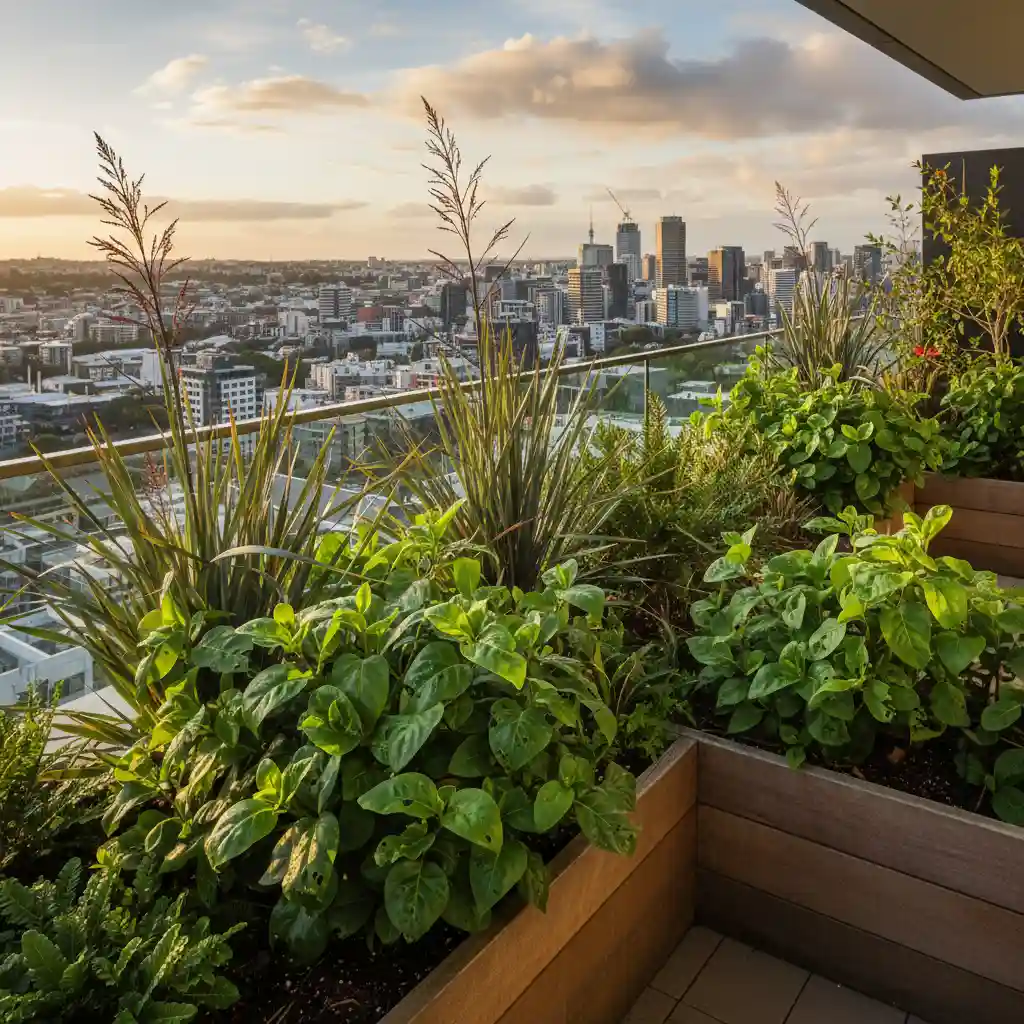
Urban environments are characterized by limited horizontal space, shadowed courtyards, and high-density living. To succeed with an urban rongoā garden, one must look upward. Vertical gardening is an essential technique for those with narrow side-yards or small decks. Using trellises for climbing plants or tiered shelving for smaller shrubs allows for a high density of medicinal species without overcrowding.
Verticality and Light Management
In the city, sunlight is a premium commodity often blocked by tall buildings. Understanding the light requirements of specific rongoā plants is crucial. For instance, Kawakawa (Piper excelsum) thrives in the dappled light of the forest understory, making it perfect for shaded urban corners. Conversely, Kūmarahou (Pomaderris kumeraho) prefers full sun and well-drained soil, necessitating a spot on a sunny rooftop or north-facing balcony. By mapping the sun’s path across your small space, you can place each species in its optimal microclimate.
High-Yield Medicinal Species for Small Spaces
Selection is key when space is tight. Focus on multi-purpose plants. Harakeke (Phormium tenax), for example, provides fiber for weaving, while its root and gel have powerful antiseptic and anti-inflammatory properties. A single, well-maintained Harakeke fan can provide medicine for years. Similarly, Koromiko (Hebe stricta) is a compact shrub whose leaves are invaluable for digestive health, fitting perfectly into small garden borders or medium-sized pots.
Contaminant Awareness: Safety in City Soils
One of the most significant challenges in urban gardening for traditional medicine is the risk of soil and air contamination. Historical industrial activity, lead paint from older homes, and heavy traffic emissions can introduce heavy metals and pollutants into the soil. Because rongoā is ingested or applied to the skin, ensuring the purity of the plant material is a non-negotiable aspect of clinical-grade urban gardening.
Soil Testing and Remediation
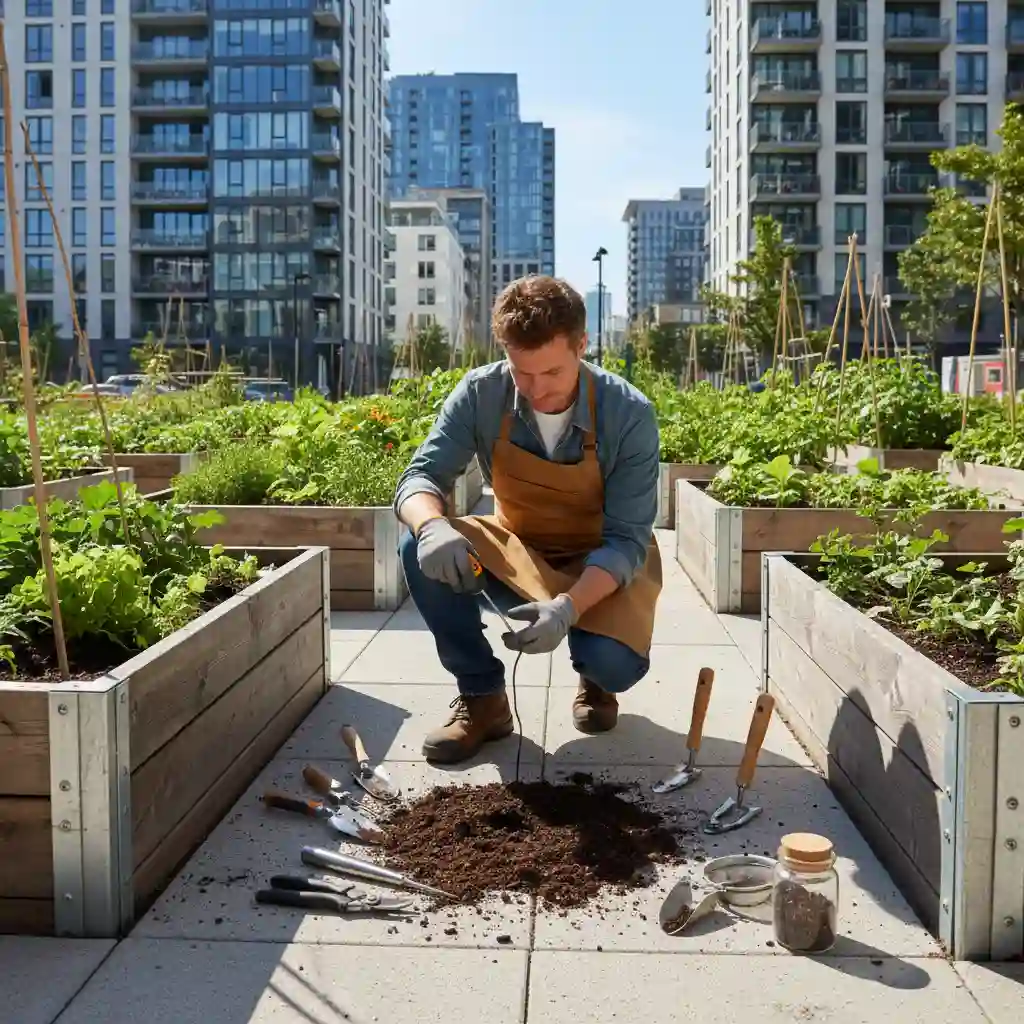
Before planting directly into the ground, a professional soil test is recommended. This test should check for lead, arsenic, cadmium, and petroleum hydrocarbons. If contaminants are found, the safest route is to use raised beds lined with a geotextile fabric to prevent roots from reaching the tainted subsoil. Fill these beds with high-quality, organic potting mix and compost to provide a clean growing medium.
Air Quality and Washing Protocols
Airborne pollutants from vehicle exhaust can settle on the leaves of your medicinal plants. In an urban rongoā garden, it is standard practice to wash harvested leaves more thoroughly than one might in the deep bush. Using filtered water to rinse the foliage helps remove particulate matter. Furthermore, planting a “buffer row” of non-medicinal, hardy plants on the perimeter of your garden can help filter some of the dust and noise from the street, creating a cleaner sanctuary for your healing herbs.
Potted Rongoā: Portability and Specialized Care
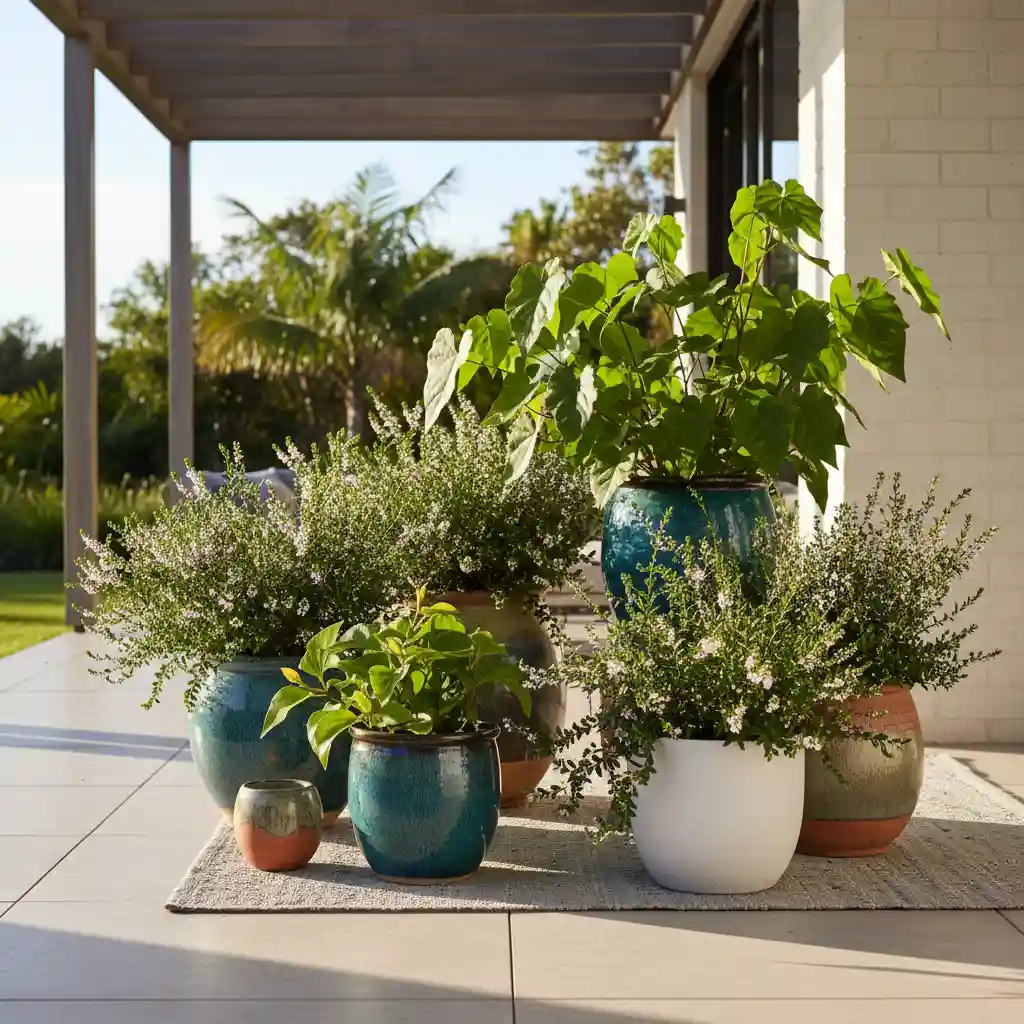
For many urban dwellers, particularly renters, container gardening is the only viable option. Growing rongoā in pots offers several advantages: it allows for the control of soil quality, the ability to move plants to follow the sun, and the portability of the garden when moving house. However, potted plants require more frequent monitoring of water and nutrient levels.
Best Rongoā for Containers
Most Māori medicinal plants can adapt to container life if given enough root space. Kawakawa is famously hardy in pots, provided it is kept moist and out of direct, scorching afternoon sun. Manuka (Leptospermum scoparium) can also be grown in large containers, though its growth will be stunted compared to its wild counterparts—this is often an advantage in a small urban space. Pūhā (Sonchus oleraceus) and other medicinal greens grow exceptionally well in shallow window boxes, providing fresh greens throughout the year.
Nutrient Management in Pots
In a pot, a plant cannot send its roots out to find more nutrients. You must provide them. For an urban rongoā garden, avoid synthetic fertilizers that can alter the chemical profile of the medicinal compounds. Instead, use seaweed-based liquid feeds, worm castings, or organic compost tea. This maintains the “mauri” (life force) of the plant and ensures the medicine remains as natural as possible for clinical or personal use.
Community Garden Models for Healing
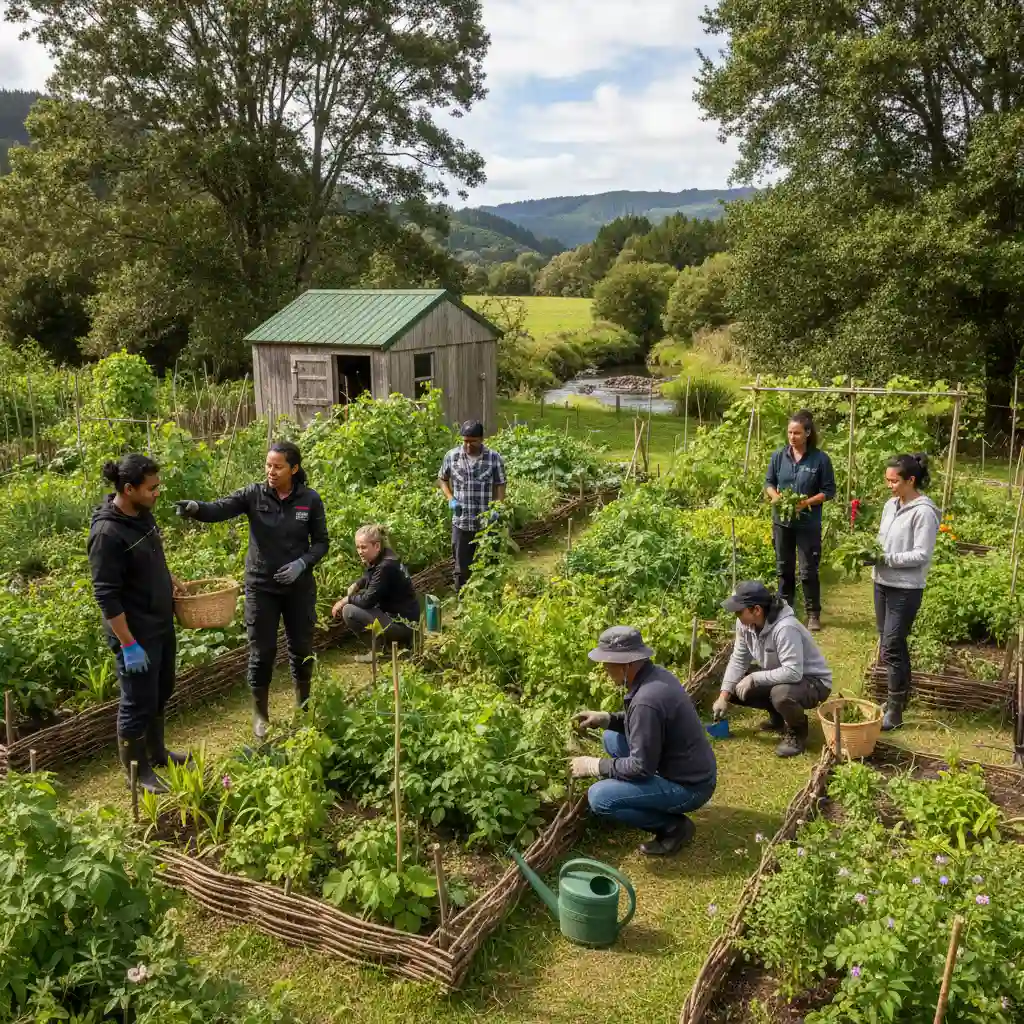
Individual gardens are wonderful, but community rongoā gardens provide a scale and social connectivity that individual plots cannot. In cities like Auckland and Wellington, community-led rongoā spaces are emerging as centers for education and collective healing. These models often utilize “marginal” land—such as school grounds, church yards, or unused council lots—to create a shared resource.
The Ngahere Whakaora (Healing Forest) Concept
Some urban areas are adopting the “Ngahere Whakaora” model, where a small patch of land is restored with a focus on medicinal species. These are managed by the community, allowing residents who lack their own garden space to participate in the planting, maintenance, and harvesting of rongoā. This collaborative approach fosters a sense of whanaungatanga (relationship/kinship) and ensures that the knowledge of traditional medicine is passed down to younger generations in an urban context.
Integration with Clinical Practice
Community rongoā gardens are increasingly being linked with local health clinics. Doctors and health practitioners can refer patients to spend time in these gardens as part of a holistic treatment plan (Green Prescriptions). Being in the presence of the plants, participating in light gardening, and learning about traditional remedies can significantly improve mental health and provide a cultural connection that supports physical recovery.
Tikanga and Ethical Harvesting in the City
Practicing rongoā Māori involves more than just the physical act of gardening; it involves following tikanga (customary protocols). Even in a bustling city, these protocols remain essential. They guide how we interact with the plants and ensure that our harvesting is sustainable and respectful.
Karakia and Intention
Before harvesting from your urban rongoā garden, it is customary to offer a karakia (prayer or incantation). This acknowledges the life of the plant and sets the intention for the healing. In an urban setting, this moment of stillness can be a powerful antidote to the frantic pace of city life, grounding the practitioner and the patient in the task at hand.
Sustainable Harvesting Rules
The “one-third rule” is a common guideline: never take more than one-third of a plant at any time. In a small urban garden, you may need to be even more conservative. Take only what you need for the immediate preparation. If your Kawakawa bush is small, harvest just a few leaves from different sections of the plant to avoid stressing it. This ensures the garden remains a perpetual source of medicine rather than a one-time resource.
Clinical Integration and Holistic Health
The ultimate goal of many urban rongoā gardens is to bridge the gap between traditional Māori knowledge and modern clinical settings. As the medical community increasingly recognizes the value of indigenous health models, the urban rongoā garden serves as a living pharmacy. Practitioners can prepare fresh tinctures, poultices, and teas for their patients, ensuring a level of freshness and quality that is difficult to find in commercial products.
Auckland and Beyond: A Growing Movement
From private balconies to large-scale community projects, the movement toward urban rongoā gardening is growing. It represents a broader shift toward food and medicine sovereignty. By growing our own rongoā, we reduce our reliance on industrial supply chains and reclaim our health through the power of the whenua. Whether you have a single pot of Koromiko or a full backyard of native bush, your urban rongoā garden is a vital link in the chain of traditional Māori healing.
People Also Ask
What are the best plants for a beginner urban rongoā garden?
Kawakawa and Koromiko are excellent starting plants as they are hardy, adapt well to various light conditions, and have a wide range of uses, from skin healing to digestive support.
Is it safe to eat rongoā plants grown near a busy road?
It is best to avoid planting edible or medicinal plants directly next to high-traffic roads due to heavy metal dust. If you must, use raised beds and wash all harvested material thoroughly with filtered water.
Can I grow rongoā Māori in an apartment?
Yes! Many rongoā plants like Kawakawa and small Harakeke varieties can thrive in pots on a sunny balcony or even near a well-lit window, provided they get enough air circulation.
How do I know if my soil is contaminated?
The only sure way is to order a soil testing kit from an environmental lab. Look for tests that measure lead, arsenic, and other common urban pollutants.
Do I need to be Māori to grow a rongoā garden?
Rongoā Māori is a gift from the indigenous culture of Aotearoa New Zealand. While anyone can grow these plants, it is important to learn and respect the tikanga (customs) and stories associated with them.
How often should I water my potted rongoā plants?
Potted plants dry out faster than those in the ground. Check the soil daily; if the top inch is dry, it’s time to water. Native plants generally prefer consistent moisture but not waterlogged roots.