Healing intergenerational trauma Māori practices involve a holistic approach known as Rongoā Māori, which addresses the spiritual, emotional, and physical manifestations of historical grief. By reconnecting with whakapapa (genealogy) and utilizing traditional bodywork like Mirimiri, Māori communities can break cycles of trauma and foster collective whānau wellness across generations.
Trauma in the DNA: The Science and Spirit of Inherited Grief
In the realm of modern science, the concept of epigenetics has revolutionized our understanding of how life experiences are passed down through generations. For Māori, this scientific revelation mirrors a long-held cultural understanding: that the experiences of our tūpuna (ancestors) reside within our very cells. Healing intergenerational trauma Māori focuses on the understanding that colonization, land loss, and cultural suppression created a ‘trauma signature’ that affects the physical and psychological health of descendants today.
The biological impact of historical trauma is profound. When a population undergoes massive upheaval, the stress response systems—specifically the HPA axis—can become permanently altered. These alterations in cortisol regulation and gene expression are not just individual experiences; they are hereditary markers. However, Te Ao Māori (the Māori world) provides a unique lens through which we view this ‘trauma in the DNA.’ It is not seen as a permanent defect, but rather as an imbalance in Mauri (life force) and Wairua (spirit) that requires specific cultural interventions to correct.

Bridging Epigenetics and Indigenous Wisdom
Western clinical models often treat trauma as a localized brain event. In contrast, Rongoā Māori views trauma as a disruption in the interconnectedness of the self with the environment and the ancestral line. When we speak of healing intergenerational trauma Māori, we are speaking about the restoration of ‘Mauri Ora’—the state of flourishing life. Scientific research now supports the idea that just as trauma can be inherited, so too can resilience. By engaging in traditional practices, individuals can actually trigger positive epigenetic changes, effectively ‘turning off’ trauma-related genes and ‘turning on’ genes associated with stress regulation and wellness.
Whakapapa Healing: Reclaiming Identity and Ancestral Strength
Whakapapa is the foundation of Māori existence. It is the genealogical web that connects an individual to the stars, the land, and every ancestor who came before. In the context of healing intergenerational trauma Māori, whakapapa is not just a list of names; it is a clinical tool for grounding and identity reclamation. When a person is disconnected from their whakapapa due to the historical displacement caused by colonization, they often experience a sense of ‘Wairua-less-ness’ or existential drift.
Reconnecting with one’s pepeha (ancestral identity statement) serves as a powerful psychological anchor. By identifying the mountain, the river, and the marae to which one belongs, the individual moves from a state of isolation to a state of belonging. This shift is essential for healing trauma because it provides a protective framework. One is no longer a lone victim of circumstances; one is a descendant of survivors and warriors. This psychological shift is a core component of the Rongoā Māori holistic lifestyle.
The Role of Whenua (Land) in Ancestral Recovery
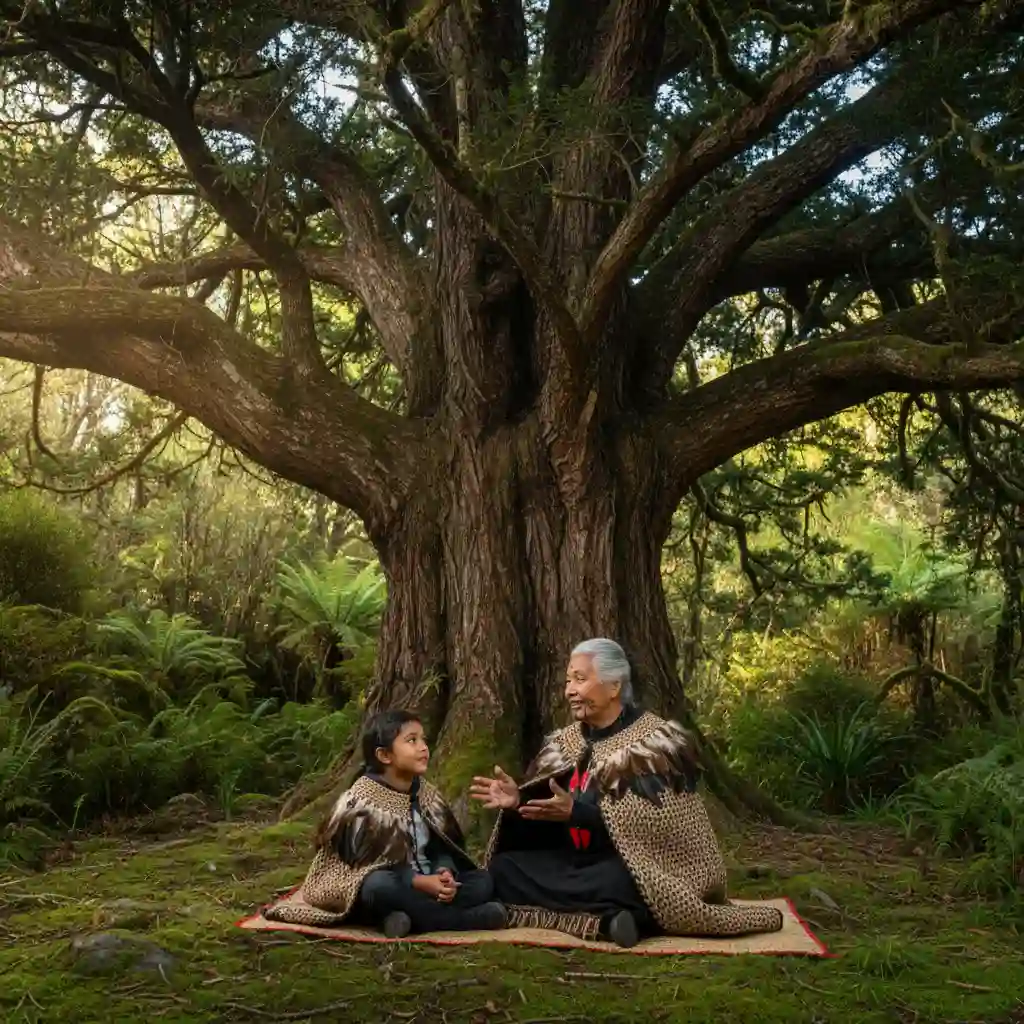
The concept of ‘Iwi’ and ‘Hapu’ (tribe and sub-tribe) is inextricably linked to the ‘Whenua’ (land). For many Māori, the trauma of the past is literally etched into the landscape through the loss of ancestral territories. Healing practices often involve a physical return to these lands. Standing on one’s ancestral ground allows for a sensory reconnection that transcends cognitive talk therapy. The smell of the bush, the sound of the ocean, and the feel of the soil provide a somatic experience of ‘coming home’ that is vital for settling a dysregulated nervous system.
Collective Whānau Wellness: Moving Beyond Individualism
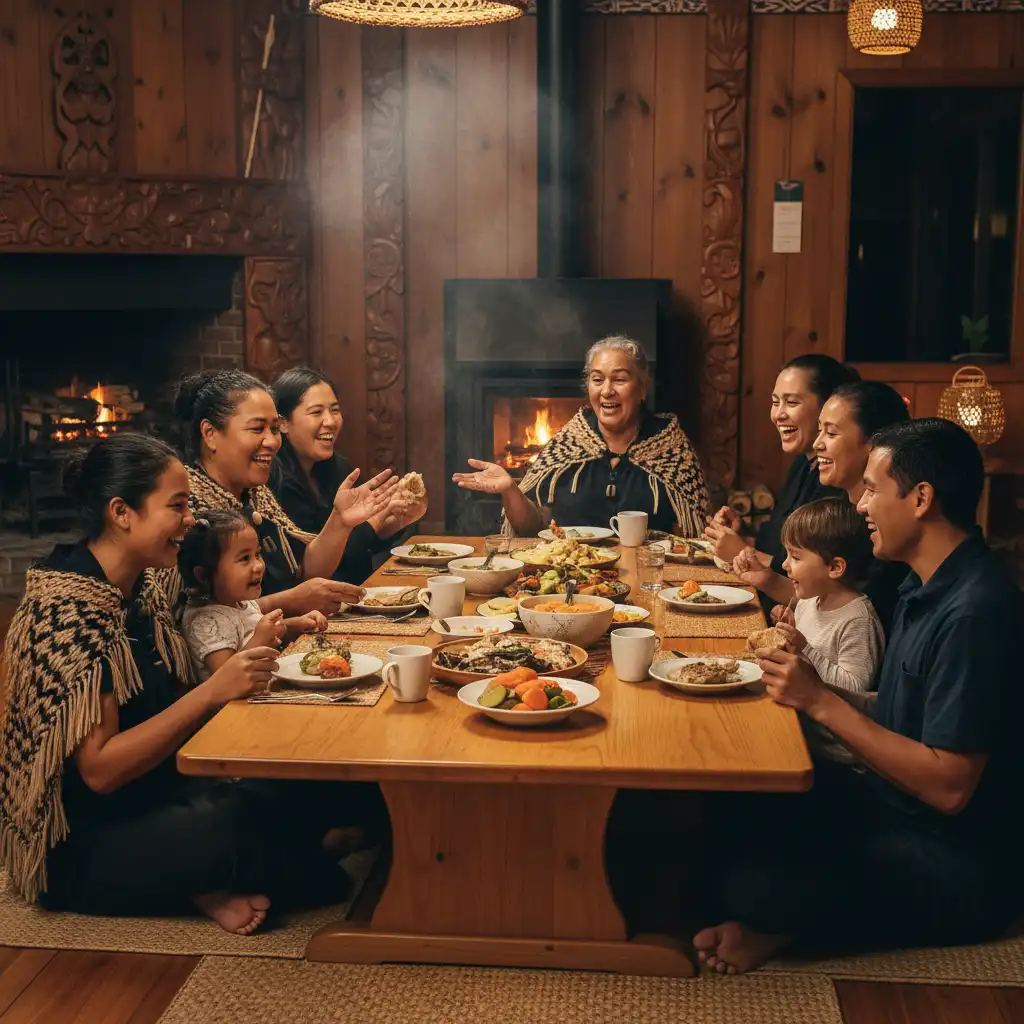
One of the significant barriers to healing intergenerational trauma in Western clinical settings is the focus on the individual. Māori philosophy posits that if the whānau (family) is unwell, the individual cannot be truly healthy. Healing intergenerational trauma Māori practices prioritize ‘Whanaungatanga’—the process of establishing relationships and strengthening the collective bond. This means that clinical integration of Rongoā must include the entire family unit where possible.
Te Whare Tapa Whā, a model developed by Sir Mason Durie, outlines four pillars of health: Taha Tinana (physical), Taha Hinengaro (mental), Taha Wairua (spiritual), and Taha Whānau (family). In intergenerational healing, the ‘Taha Whānau’ pillar acts as the support structure for all others. When a family collectively acknowledges the historical wounds of their ancestors, they remove the burden of silence and shame. This collective witnessing is a powerful catalyst for breaking cycles of addiction, domestic disharmony, and poor health outcomes.
Marae-Based Healing and Cultural Safety
The Marae (communal meeting grounds) serves as a clinical space for collective healing. Unlike a sterile office environment, the Marae provides cultural safety. Within the walls of the Wharenui (meeting house), where the carvings represent ancestors, the atmosphere is thick with the presence of the past. This environment facilitates ‘Korero’ (dialogue) that is steeped in ritual and respect. These collective sessions allow for the ‘unveiling’ of trauma in a way that is supported by the community, ensuring that the individual is held and nurtured throughout the process.
Breaking Cycles through Bodywork: Mirimiri and Romiromi
Trauma is not just a mental construct; it is a physical reality stored in the fascia, muscles, and organs. In the context of healing intergenerational trauma Māori, traditional bodywork such as Mirimiri and Romiromi are essential. These practices are far more than massage; they are sophisticated systems of energy work and physical manipulation designed to release ‘Pouri’ (darkness or blocked energy) from the body.
Mirimiri focuses on the soft tissues and the ‘Mauri’ of the body, gently encouraging the release of stored tension. Romiromi is more intensive, working on deep pressure points and the skeletal structure to align the body’s energy flow. Practitioners believe that specific points on the body hold the memory of ancestral trauma. By stimulating these points, the practitioner helps the client ‘flush’ the trauma out of their system, allowing for a literal and figurative realignment with their true self.
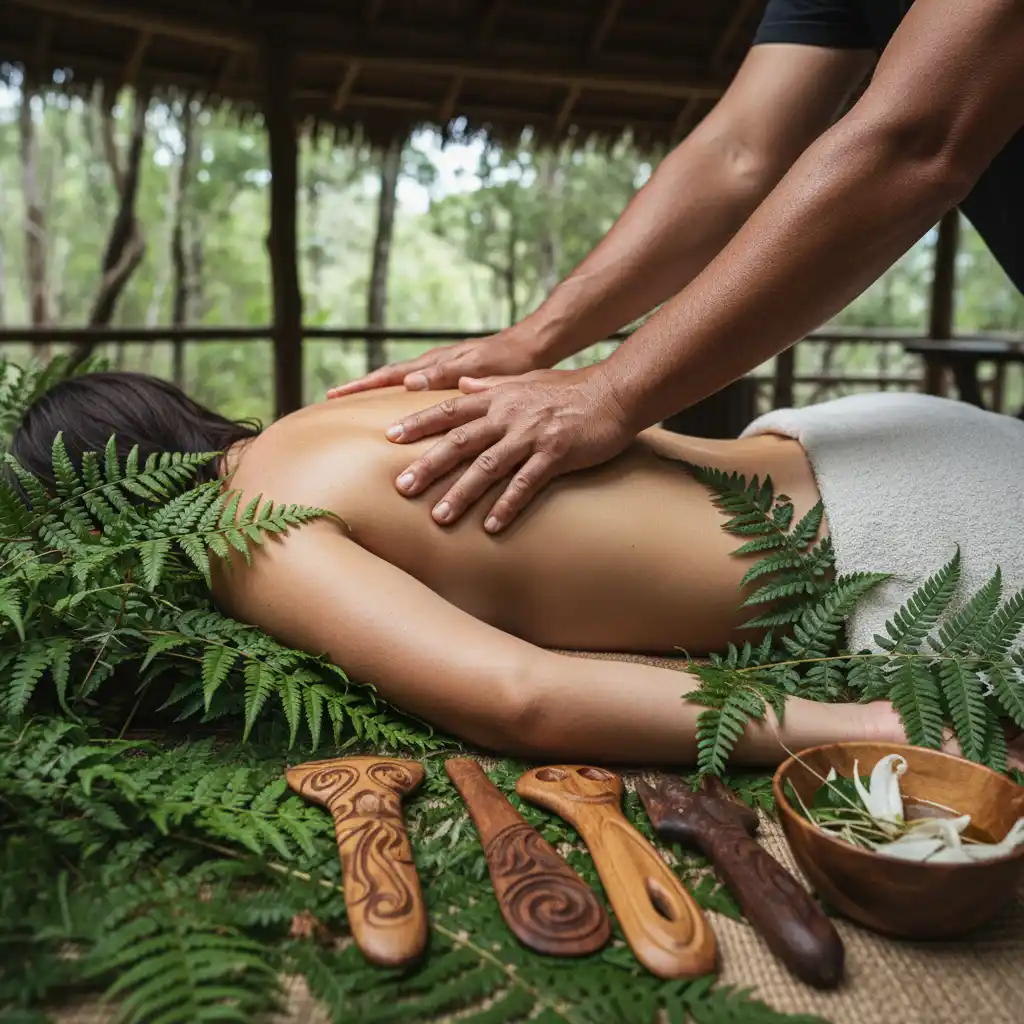
The Physiology of Somatic Release in Rongoā
During a Mirimiri session, it is common for a client to experience significant emotional release—crying, shaking, or sudden insights. This is understood as the body finally letting go of what the mind could not process. In terms of clinical integration, this somatic approach addresses the ‘bottom-up’ processing of trauma, working through the body to reach the brain. This is often more effective for intergenerational trauma than ‘top-down’ talk therapy alone, as the trauma often predates the individual’s language or conscious memory.
Integrating Rongoā Māori into Modern Clinical Practice
The future of healthcare in Aotearoa New Zealand lies in the successful integration of Rongoā Māori with clinical medicine. For too long, these systems have existed in silos. However, a growing body of evidence suggests that a ‘bicultural’ approach to mental health and trauma recovery yields significantly better outcomes for Māori. This involves clinicians working alongside Rongoā practitioners, respecting the spiritual and cultural expertise that indigenous healers bring to the table.
Clinical integration means ensuring that Māori patients have access to traditional healing as a primary care option, not just an alternative. It requires a shift in the healthcare power dynamic, moving toward a partnership model. When a patient can address their diabetes or depression through both pharmaceutical intervention and Mirimiri, while also reconnecting with their whakapapa, the healing is deep, sustainable, and truly holistic.
By honoring the ancient wisdom of the tūpuna while utilizing the tools of modern science, we create a pathway for total restoration. Healing intergenerational trauma Māori is not just about looking back at the wounds of the past; it is about looking forward to a future where the descendants of those who suffered can live in the fullness of their Mauri, free from the chains of inherited grief.
People Also Ask
What is the Māori concept of intergenerational trauma?
In a Māori context, intergenerational trauma is viewed as a disruption of ‘Mauri’ and ‘Wairua’ caused by historical events like colonization and land loss. It is the understanding that the pain and grief of ancestors are passed down through the family line, affecting the health and well-being of descendants until the balance is restored through cultural practices.
How does Rongoā Māori help heal trauma?
Rongoā Māori uses a combination of ‘Te Reo’ (language), ‘Whakapapa’ (genealogy), ‘Mirimiri’ (bodywork), and ‘Rongoā Rākau’ (plant medicine) to address the spiritual, mental, and physical aspects of trauma. It seeks to reconnect the individual with their identity and ancestors, releasing stored trauma from the body and spirit.
What is the role of Whakapapa in Māori healing?
Whakapapa is central to healing as it provides a sense of belonging and identity. By knowing their lineage, individuals can draw strength from their ancestors’ resilience and find their place within a larger collective history, which acts as a powerful antidote to the isolation of trauma.
Can Mirimiri and Romiromi really release emotional blockages?
Yes, traditional Māori bodywork like Mirimiri and Romiromi works on the physical body to release tension and energy blockages (‘Pouri’). These practices acknowledge that trauma is stored in the fascia and muscles, and physical manipulation can trigger a somatic release of these deep-seated emotions.
Why is collective wellness important for Māori healing?
Māori culture is inherently collective. The wellness of the individual is tied to the wellness of the ‘Whānau’ (family). Healing collectively ensures that the entire support system is healthy, breaking the cycle of trauma at a systemic level rather than just treating symptoms in one person.
What does the term ‘Mauri Ora’ mean in a clinical sense?
In a clinical or holistic sense, ‘Mauri Ora’ refers to a state of flourishing and vital life force. It is the goal of all Rongoā Māori practices—to move a person from a state of ‘Mauri Mate’ (languishing or stagnant life force) to a state of total well-being and vitality.