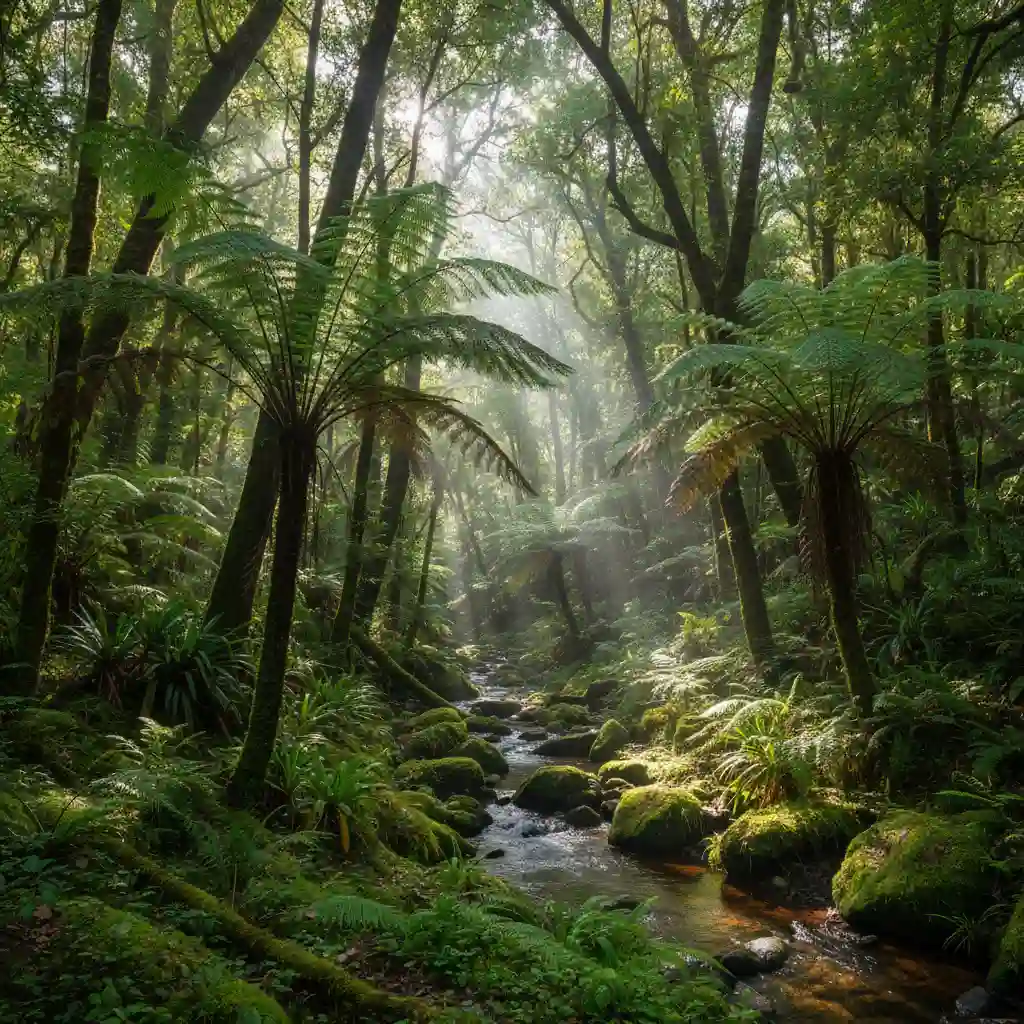
Māori forest bathing, known as immersing oneself in Te Ngahere Pharmacy, is a restorative practice that bridges Rongoā Māori and modern science. By engaging with the forest’s atmosphere, practitioners absorb immune-boosting phytocides and restore their Mauri. This holistic approach integrates physical health, mental clarity, and spiritual grounding within New Zealand’s unique indigenous landscape, fostering a deep ancestral connection.
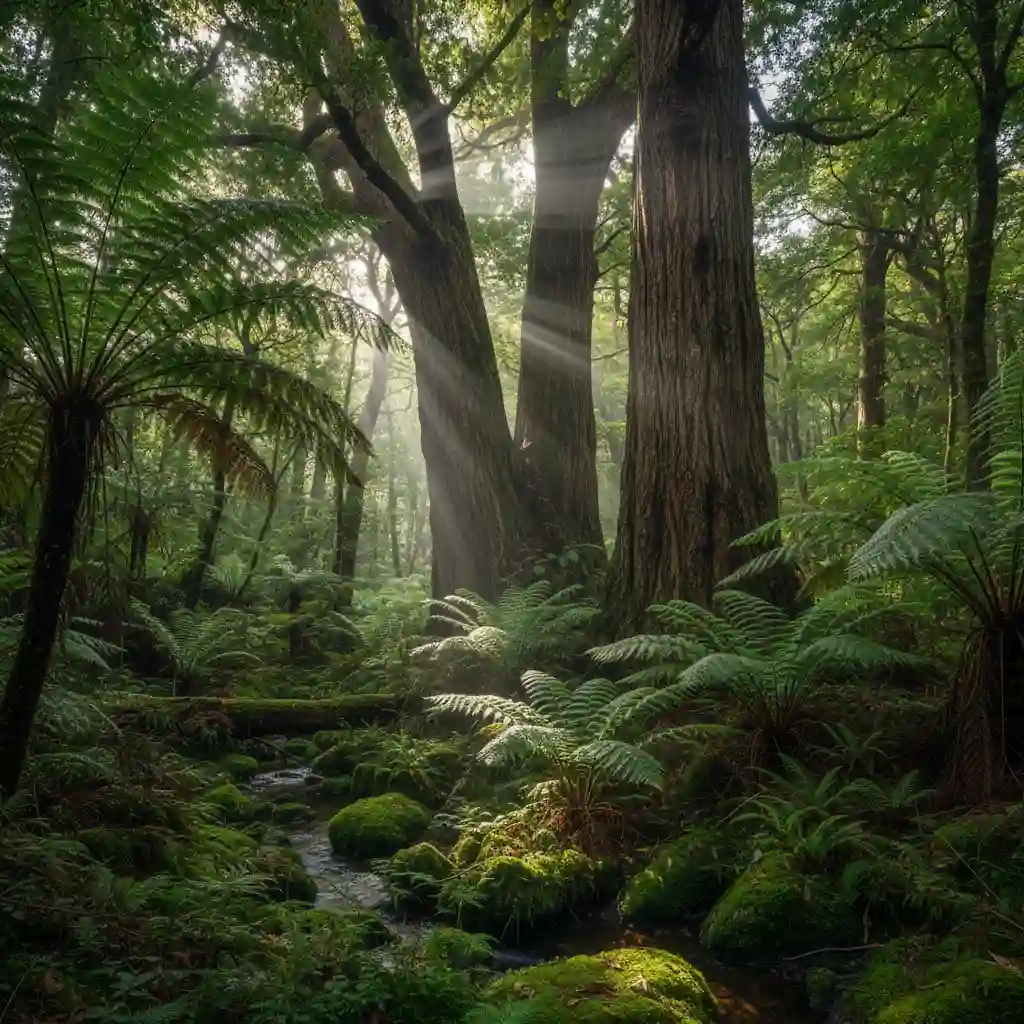
The Concept of Te Ngahere Pharmacy
In the traditional Māori worldview, the forest is not merely a collection of trees; it is a living, breathing entity known as Te Ngahere. It is frequently referred to as a pharmacy because it provides everything necessary for the maintenance of Hauora (health). Within the framework of Rongoā Māori (traditional Māori medicine), the relationship between the human and the botanical world is one of kinship. This concept of the forest as a pharmacy extends beyond the physical harvesting of leaves or bark for medicinal teas; it encompasses the atmospheric and energetic qualities of the bush itself.
Forest bathing, while popularized by the Japanese practice of Shinrin-yoku, has deep indigenous roots in Aotearoa. For generations, Tohunga (experts) and practitioners of Rongoā have recognized that simply being in the presence of Tāne Mahuta—the deity of the forest and birds—restores the Wairua (spirit). In a modern context, this is the clinical application of nature-based therapy. The term “Te Ngahere Pharmacy” reflects the belief that the forest offers a complex array of biological and spiritual remedies that can prevent illness and catalyze healing. This section of the guide explores how the holistic lifestyle of Māori culture aligns with contemporary clinical observations regarding forest immersion.
Phytocides and the Biological Impact on Immunity
One of the most compelling scientific arguments for Māori forest bathing is the role of phytocides. These are antimicrobial volatile organic compounds emitted by trees to protect themselves from rotting and insects. When humans inhale these compounds, the physiological response is profound. Research indicates that exposure to phytocides significantly increases the count and activity of Natural Killer (NK) cells in the human body. These cells are a type of white blood cell that plays a critical role in the immune system’s ability to fight off viruses and even tumor cells.

The Role of Native NZ Species
New Zealand’s native trees, such as the Kauri, Tōtara, and Mānuka, are particularly rich in these essential oils. The Kauri, for example, produces a potent resin that has been used in Rongoā for centuries. When you walk through a Kauri grove, you are literally breathing in a complex aerosol of healing compounds. This chemical interaction lowers cortisol levels (the stress hormone) and reduces blood pressure. From a clinical perspective, this makes Māori forest bathing an effective intervention for hypertension and chronic stress-related disorders.
Bio-Atmospheric Healing
Beyond NK cells, the forest air is also rich in negative ions, which are believed to increase oxygen flow to the brain and improve serotonin levels. This bio-atmospheric interaction suggests that the “pharmacy” is always open, dispensing its medicine through every breath. In the Māori context, this is seen as partaking in the ‘Hā’ or the breath of life shared between the trees and the visitor. The synergy between the chemical output of the trees and the human respiratory system creates a feedback loop of wellness that modern medicine is only beginning to fully quantify.
Mindfulness in the Bush: A Māori Perspective
Mindfulness in the context of Māori forest bathing is not about clearing the mind, but rather about filling the mind with the presence of the environment. It is the practice of ‘Whakaaro’—deep thought or intention. When we enter the bush with the intention of healing, we transition from a state of ‘doing’ to a state of ‘being’. This transition is essential for the nervous system to shift from the sympathetic (fight or flight) to the parasympathetic (rest and digest) state.
The Power of Silence and Observation
In the quiet of the bush, the absence of anthropogenic noise allows the mind to recalibrate. The Māori practice of ‘Tiaki’ (guardianship) begins with observation. By observing the way the light filters through the canopy or the way the wind moves the ferns, we engage in a form of soft fascination. This cognitive state is known in psychology as Attention Restoration Theory (ART). It allows the prefrontal cortex—the part of the brain used for focused tasks and decision-making—to rest, thereby reducing mental fatigue and improving creative problem-solving abilities.
Interconnectedness through Wairuatanga
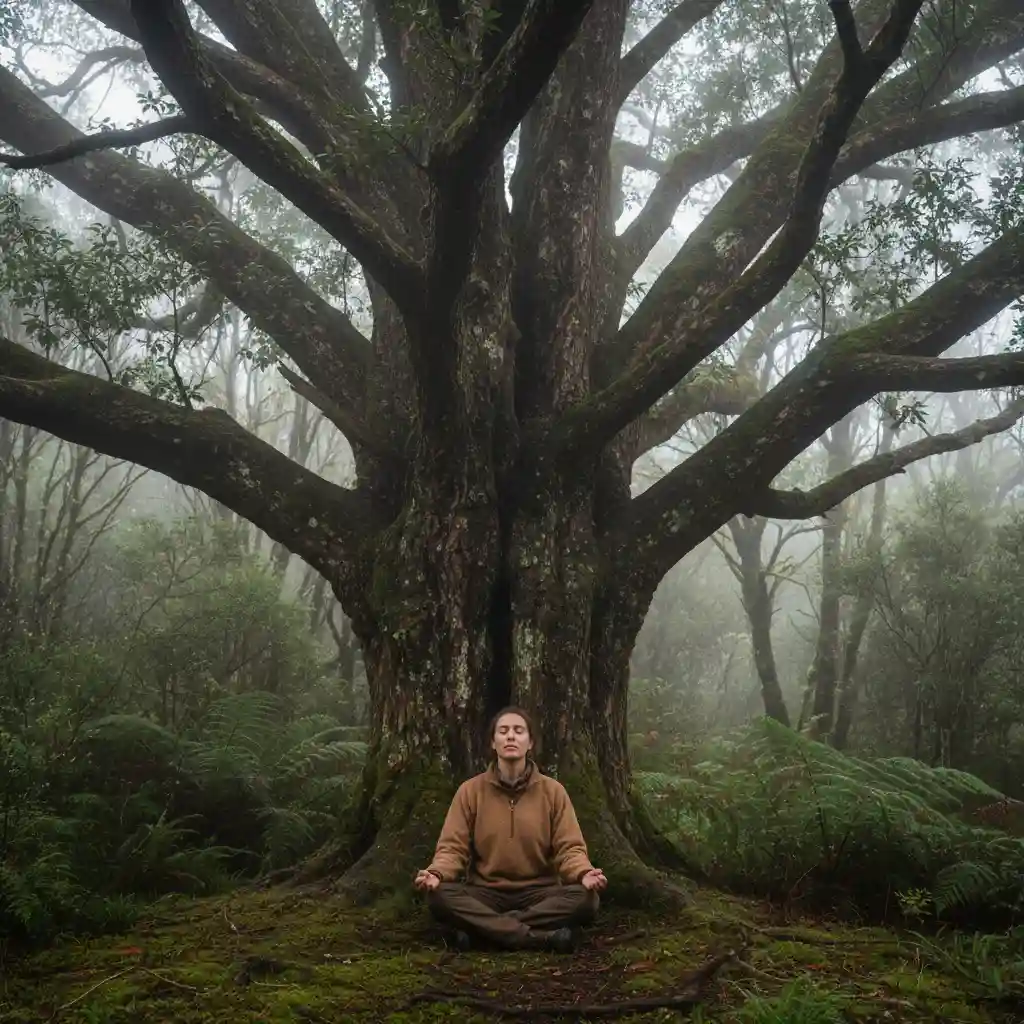
Mindfulness also involves acknowledging the Wairua (spirit) of the surroundings. This spiritual awareness ensures that the practitioner is not just a passive observer but an active participant in the ecosystem. This sense of belonging is a powerful antidote to the modern epidemic of loneliness and existential anxiety. When we realize our Whakapapa (genealogy) connects us to the trees, the forest becomes a sanctuary rather than a strange or hostile environment.
Sensory Engagement: Tuning Into the Forest
To truly experience Te Ngahere Pharmacy, one must engage all five senses. Sensory engagement acts as the bridge between the physical world and the internal physiological response. In Māori forest bathing, this is often guided by the principle of ‘Manaakitanga’—showing respect and care for the environment that is hosting you.
Visual and Auditory Stimulation
The visual spectrum of the forest, dominated by various shades of green, has a naturally calming effect on the human eye. The fractal patterns found in ferns and tree branches are inherently pleasing to the brain, reducing visual stress. Auditory engagement involves listening to the ‘Manu’ (birds). The complex songs of the Tūī or the Korimako provide a soundscape that signals safety to the primitive parts of our brain. When birds are singing, it historically meant there were no predators nearby, allowing our ancestors to relax.
Tactile and Olfactory Connection
Tactile engagement involves the physical touch of the forest—feeling the moss, the rough bark of a Rimu, or the cool water of a forest stream. Touching the earth, sometimes called ‘Earthing’ or ‘Grounding,’ allows for the transfer of electrons from the earth to the body, which may reduce inflammation. Olfactory engagement is perhaps the most direct route to the pharmacy. The scent of damp earth (geosmin) and the spicy aroma of Kawakawa leaves stimulate the limbic system, the part of the brain responsible for emotion and memory.

Spiritual Grounding: Connecting with the Mauri
At the heart of Māori forest bathing is the concept of Mauri, the life force that permeates all things. When a person’s Mauri is languid or depleted, they feel ill or disconnected. The forest is seen as a reservoir of high-vibrational Mauri. By spending time in Te Ngahere, we can ‘recharge’ our own life force through a process of energetic osmosis.
The Role of Karakia
Entering the forest often begins with a Karakia (incantation or prayer). This is not necessarily a religious act but a way of aligning one’s energy with the environment. A Karakia acknowledges Tāne Mahuta and asks for permission to enter and receive healing. This ritual creates a psychological boundary, signaling to the brain that we are entering a sacred space. It fosters a state of humility and receptivity, which is crucial for deep healing to occur.
Whakapapa and Ancestral Resonance
For Māori, the forest is a place to connect with ancestors. Trees are seen as the elder siblings of humanity. This ancestral resonance provides a sense of continuity and stability. In a fast-changing world, the ancient presence of a 2,000-year-old Kauri tree provides a perspective that transcends individual problems. Spiritual grounding in the bush allows us to see ourselves as part of a much larger, enduring story, which is essential for psychological resilience.
Clinical Integration of Rongoā Māori
The integration of Māori forest bathing into clinical settings is part of a broader movement toward ‘Green Prescriptions’ in New Zealand. Medical professionals are increasingly recognizing that holistic health (Te Whare Tapa Whā) requires more than pharmaceutical intervention. It requires the integration of physical (Taha Tinana), mental (Taha Hinengaro), social (Taha Whānau), and spiritual (Taha Wairua) wellbeing.
Evidence-Based Nature Therapy
Clinical studies have shown that patients who engage in regular forest immersion experience faster recovery times from surgery, improved sleep quality, and reduced symptoms of depression. In New Zealand, Rongoā Māori practitioners often work alongside GPs to provide a comprehensive care plan. This clinical integration respects indigenous knowledge while validating it through empirical outcomes. The ‘Pharmacy of the Forest’ is becoming a respected adjunct to the local clinic.
Preserving the Pharmacy
The clinical value of the forest also drives conservation efforts. We cannot have Te Ngahere Pharmacy without a healthy ngahere. Protecting native forests from pests and diseases like Kauri Dieback is not just an environmental issue; it is a public health priority. If the trees are sick, the medicine they provide is diminished. Therefore, the practice of forest bathing inherently promotes an ethos of environmental stewardship.
Practical Steps for Māori Forest Bathing
To begin your journey into Māori forest bathing, follow these practical steps to ensure you are engaging with the pharmacy effectively and respectfully:
- Seek Permission: Begin at the edge of the forest. Take a moment of silence or offer a simple Karakia to acknowledge the land and its guardians.
- Leave Technology Behind: Switch off your phone. The ‘digital detox’ is a vital part of allowing your nervous system to recalibrate.
- Move Slowly: This is not a hike for exercise. Walk slowly, stop often, and allow your senses to lead you. Aim to cover a short distance very deeply.
- Engage Your Senses: Find a tree that calls to you. Notice its texture, its smell, and the sound of the wind through its leaves. Spend at least 20 minutes in one spot.
- Practice Reciprocity: If you take a sense of peace from the forest, consider what you can give back—be it a prayer of thanks, picking up litter, or supporting local conservation efforts.
People Also Ask
What is the Māori concept of forest bathing?
The Māori concept of forest bathing involves immersing oneself in Te Ngahere (the forest) to restore one’s Mauri (life force) and Wairua (spirit), utilizing the forest as a ‘pharmacy’ for holistic healing and connection to Tāne Mahuta.
How do phytocides in the NZ bush improve health?
Phytocides are antimicrobial compounds released by trees like Kauri and Mānuka. Inhaling them increases the activity of Natural Killer cells, boosting the human immune system and lowering stress hormones like cortisol.
Can forest bathing be integrated into clinical therapy?
Yes, forest bathing is increasingly used in ‘Green Prescriptions’ where clinicians recommend nature immersion to treat anxiety, hypertension, and to improve overall mental health through the Te Whare Tapa Whā model.
What is the significance of Tāne Mahuta in forest healing?
Tāne Mahuta is the deity of the forest and birds in Māori tradition. He is the progenitor of the trees, and connecting with him through forest bathing is seen as connecting with a divine source of life and wisdom.
How does Rongoā Māori view the relationship between humans and trees?
Rongoā Māori views humans and trees as kin, sharing a common genealogy (Whakapapa). Trees are considered elder siblings who provide medicine, shelter, and spiritual guidance to humanity.
What are the best locations for Māori forest bathing in New Zealand?
Any native bush area is suitable, but ancient forests like Waipoua (home to Tāne Mahuta), the Waitākere Ranges, or the dense beech forests of the South Island offer particularly potent environments for deep immersion.