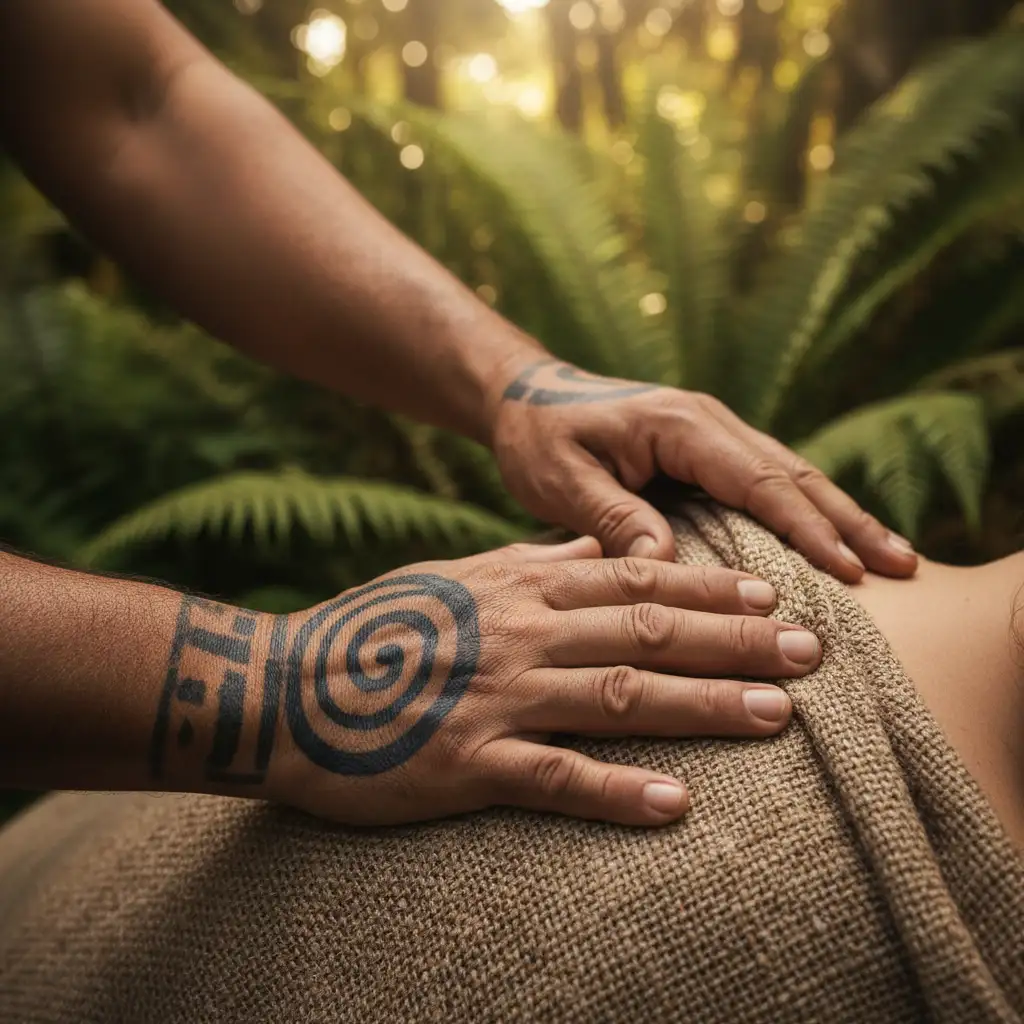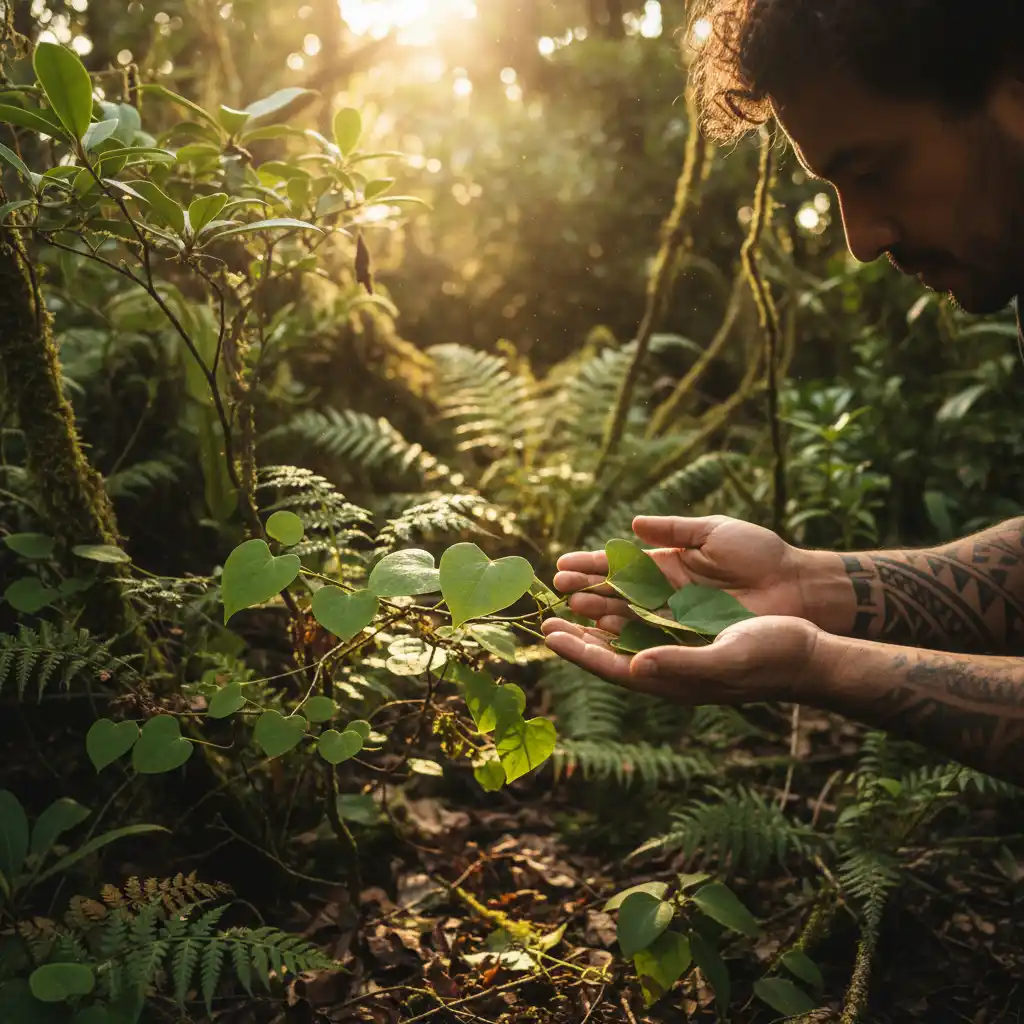
Sustainable harvesting of rongoā, or traditional Māori medicine, is intrinsically guided by Tikanga, a framework of Māori customs and protocols. It ensures that the vital medicinal plants are gathered respectfully, ethically, and in a manner that preserves their mauri (life force) and guarantees their regeneration for future generations, maintaining a profound balance with the natural world.
In the vibrant tapestry of Aotearoa New Zealand, Rongoā Māori stands as a profound system of traditional healing, deeply rooted in the land, its flora, and the spiritual connection Māori have with the natural world. At the heart of Rongoā lies an unwavering commitment to sustainable harvesting, a practice that transcends mere ecological concern to embody the spiritual and cultural values encapsulated within Tikanga. As global interest in traditional and integrative health practices grows, understanding and upholding the principles of sustainable harvesting in Rongoā becomes not just a matter of environmental responsibility, but an essential act of cultural preservation and respect for the intricate balance of Papatūānuku, the earth mother.
This deep dive into sustainable harvesting practices in Rongoā Māori will explore the foundational principles that guide practitioners, the challenges posed by commercialization, the sacred protocols observed during collection, and the emerging pathways toward certification that honor both tradition and sustainability. By understanding the holistic approach of Rongoā, we gain insight into a wisdom that offers invaluable lessons for modern ecological stewardship and healthcare.
Understanding Sustainable Harvesting in Rongoā Māori
Sustainable harvesting within Rongoā Māori is far more than a technique; it is a philosophy that views the natural world as a living entity imbued with spirit and mauri (life force). This perspective mandates a reciprocal relationship between humanity and nature, where taking from the land is balanced by giving back and ensuring the continued health and abundance of resources. It involves a deep understanding of plant cycles, ecosystems, and the long-term impact of human interaction.
The Essence of Tikanga in Rongoā Practices
Tikanga, the customary practices and behaviors of Māori, provides the foundational ethical and procedural framework for all Rongoā practices, including harvesting. It encompasses the values, protocols, and spiritual understandings that dictate how one interacts with the natural world. For Rongoā practitioners, Tikanga ensures that every interaction with a plant is undertaken with respect, humility, and an awareness of its spiritual significance. It guides decisions on where, when, and how to harvest, always prioritizing the well-being of the plant and its ecosystem over immediate human needs. This holistic worldview integrates spiritual, social, and environmental responsibilities into every aspect of healing, recognizing that the health of the individual is inextricably linked to the health of the environment.
Principles of Sustainable Wildcrafting
Wildcrafting, the practice of harvesting plants from their natural habitat, is a cornerstone of Rongoā Māori. However, unlike indiscriminate foraging, sustainable wildcrafting is governed by a strict set of principles designed to ensure the perpetuation of plant populations and the integrity of their ecosystems. These principles are not merely ecological guidelines; they are deeply spiritual and cultural mandates.
Acknowledging Mauri and Wairua
Before any plant is harvested, Rongoā practitioners acknowledge the mauri (life force) and wairua (spirit) of the plant and its environment. This involves recognizing that each plant is a living being with its own essence and a vital role within its ecosystem. Harvesting is thus not an act of extraction, but a respectful interaction with a living entity. This acknowledgment often takes the form of karakia (incantations or prayers) and a conscious effort to connect with the plant on a spiritual level, seeking permission before taking. This ensures that the mauri of the plant remains intact, allowing it to continue to thrive and offer its healing properties effectively.
Ethical Collection Practices
Ethical collection practices are paramount in sustainable harvesting. Rongoā practitioners adhere to specific guidelines:
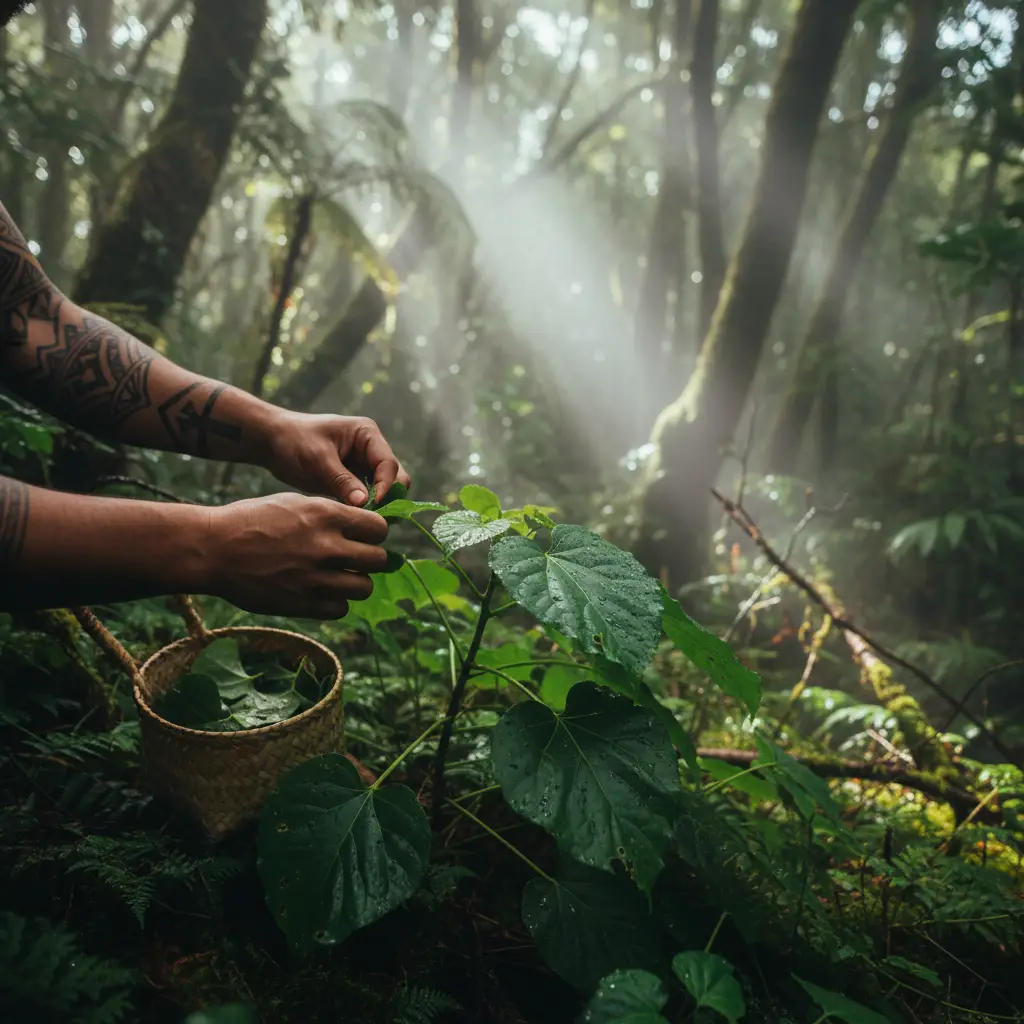
- Only Take What is Needed: The fundamental rule is to gather only the amount required for immediate use, avoiding waste and excessive collection. This principle reflects a mindset of abundance rather than scarcity, trusting that the land will continue to provide if treated respectfully.
- Leave Enough for Regeneration: Crucially, harvesters ensure that a substantial portion of the plant remains undisturbed, allowing it to regenerate and flourish. This often means leaving the largest, healthiest plants, or taking only specific parts (leaves, bark, or roots) in a way that doesn’t harm the whole plant.
- Harvesting in Season/at Optimal Times: Knowledge of plant life cycles is essential. Plants are harvested when their medicinal properties are at their peak and when the act of harvesting will have the least impact on their growth or reproduction. For example, some plants are best gathered after rain, others at specific moon phases, or during particular seasons.
- Respecting Specific Plant Locations: Harvesters are mindful of where plants grow, avoiding sensitive areas or over-harvesting from a single patch. Rotating harvesting locations and allowing areas to rest are common practices to prevent localized depletion. Understanding the microclimates and soil conditions where specific rongoā plants thrive is crucial for identifying robust populations suitable for sustainable collection.
Kaitiakitanga: Guardianship of the Natural World
Kaitiakitanga is the concept of guardianship and stewardship, a profound responsibility entrusted to Māori to care for the environment and its resources. In the context of Rongoā, kaitiakitanga means acting as a guardian for the medicinal plants, the forests, rivers, and mountains from which they come. It involves a long-term perspective, ensuring that natural resources are preserved not just for the present generation but for future generations (ngā uri whakatipu). This includes protecting plant habitats, monitoring their health, and actively participating in conservation efforts. Kaitiakitanga extends beyond simple protection; it encompasses active management, restoration, and education, ensuring that the ecosystems supporting rongoā plants remain vibrant and biodiverse. This holistic approach ensures that the spiritual and physical well-being derived from rongoā is sustained indefinitely.
The Conflict Between Commercial Demand and Conservation
The growing global appreciation for traditional medicines, including Rongoā Māori, presents both opportunities and significant challenges. While increased interest can lead to greater recognition and economic benefits for Māori communities, it also intensifies pressure on wild plant populations, creating a delicate balance between commercial demand and the imperative of conservation and cultural preservation.
Balancing Tradition with Modern Markets
The commercialization of rongoā plants, driven by rising demand for natural health products, risks transforming traditional practices rooted in respect and reciprocity into commodity-driven enterprises. This shift can inadvertently lead to over-harvesting, as the incentive to collect larger quantities for profit overrides traditional sustainable limits. For example, popular plants like kawakawa (Māori pepper tree) or harakeke (flax) are increasingly sought after, raising concerns about their long-term viability in certain areas. Striking a balance requires careful management and the establishment of ethical supply chains that prioritize sustainable practices and fair trade for Māori producers. This often means navigating complex regulatory landscapes while simultaneously adhering to deeply ingrained cultural protocols that predate modern commerce. Without a deliberate focus on this balance, the very essence of rongoā, its connection to the land and tikanga, can be eroded.
Protecting Endemic and Endangered Species
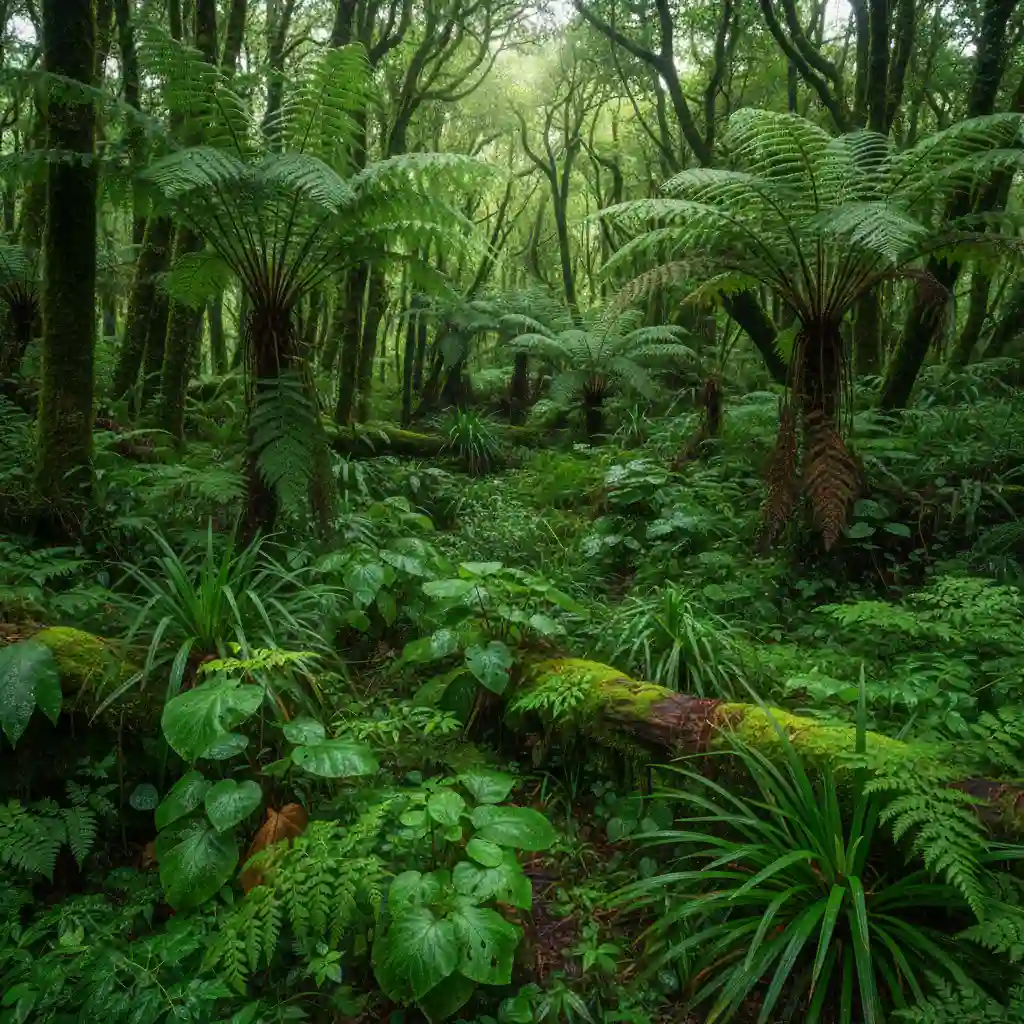
Many of the plants used in Rongoā Māori are endemic to Aotearoa, meaning they are found nowhere else in the world. Some are rare or endangered, making them particularly vulnerable to unsustainable harvesting practices. Increased commercial demand places these species at greater risk of localized extinction or significant population decline. For instance, certain varieties of piripiri (Bidibid) or specialized ferns might only thrive in very specific, fragile habitats. Protecting these species requires not only sustainable harvesting from robust populations but also dedicated conservation efforts, including habitat restoration, cultivation projects, and stringent controls on wild collection. This often involves collaboration between Rongoā practitioners, scientists, and government agencies to ensure that precious plant knowledge and biodiversity are not lost.
Economic Opportunities vs. Cultural Preservation
For many Māori communities, Rongoā offers pathways to economic self-determination, allowing them to leverage their traditional knowledge in a way that supports their whānau (families) and hapū (sub-tribes). However, the pursuit of economic opportunities must never come at the expense of cultural preservation. The commercial value of rongoā plants can attract external exploiters who may not adhere to Tikanga or sustainable practices, further endangering plant populations and potentially eroding traditional knowledge by commodifying sacred practices. Safeguarding cultural preservation means ensuring that Māori retain ownership and control over their traditional knowledge and genetic resources, and that any commercial ventures are aligned with community values and long-term sustainability goals. This often necessitates legal protections for indigenous intellectual property and robust community-led governance models.
Karakia and Protocols for Harvesting
Central to the sustainable harvesting of rongoā are the karakia (incantations, prayers) and specific protocols that imbue the act with spiritual significance and cultural respect. These practices are not mere rituals; they are vital components that ensure the integrity of the healing process and the sustained health of the natural environment.
The Sacred Act of Gathering
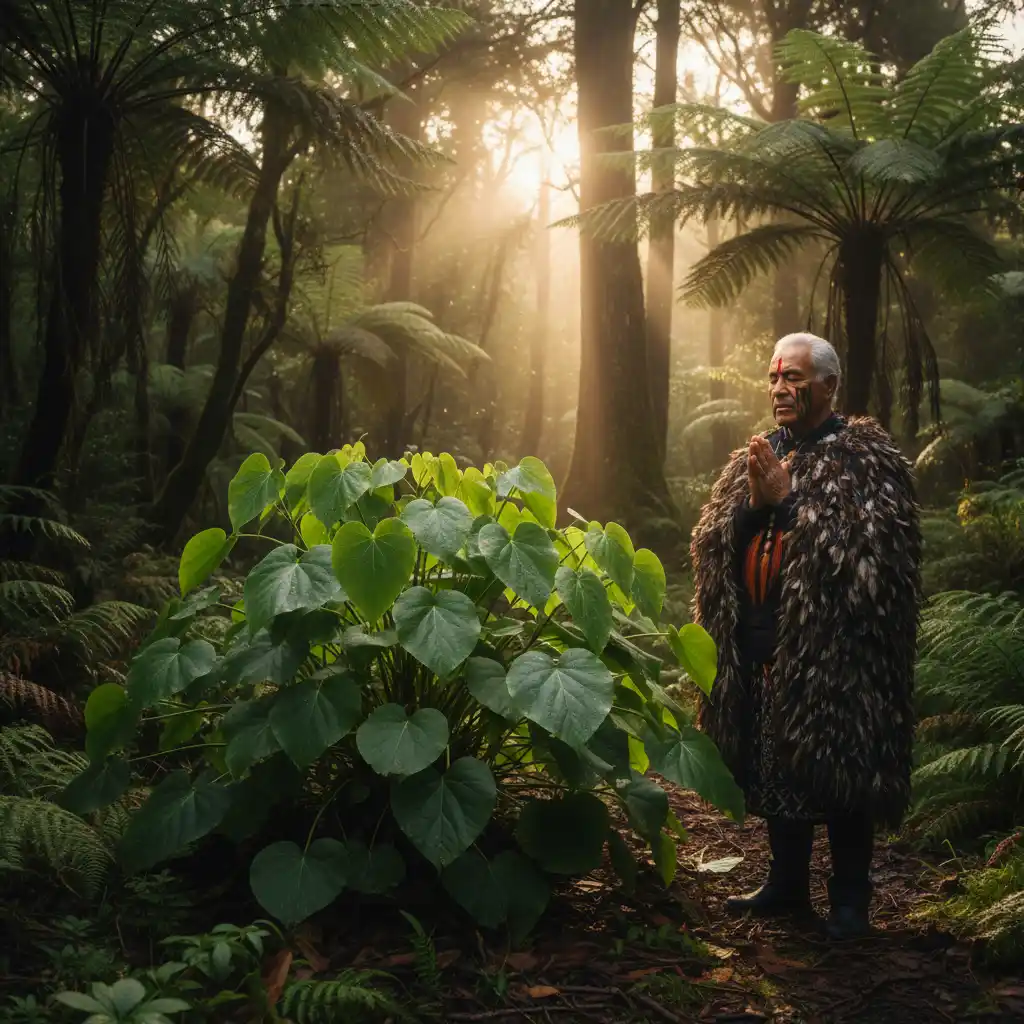
Harvesting rongoā is considered a sacred act, a direct interaction with the spiritual essence of Papatūānuku. Before approaching a plant, a Rongoā practitioner will typically recite a karakia. This karakia serves multiple purposes: it acknowledges the plant’s mauri and wairua, seeks permission from the atua (deities) associated with the forest and plants (such as Tāne Mahuta, god of forests), and expresses gratitude for the healing properties bestowed upon the plant. This spiritual preparation ensures that the harvester approaches the plant with a humble and respectful heart, establishing a reciprocal relationship. The act of gathering is therefore transformed from a utilitarian task into a deeply spiritual communion, recognizing the interconnectedness of all living things. After harvesting, another karakia may be offered to thank the plant and ensure its regeneration, reinforcing the cycle of giving and receiving. This spiritual etiquette is integral to the efficacy of the rongoā itself, as it is believed that a plant harvested disrespectfully may lose some of its healing power.
Cultural Sensitivity and Respect
Adherence to specific cultural protocols goes hand-in-hand with karakia. These protocols can vary significantly between iwi (tribes) and hapū (sub-tribes), reflecting regional differences in knowledge and practice. Therefore, cultural sensitivity and respect for local Tikanga are paramount. This involves:
- Knowledge of Specific Protocols: Understanding that different plants, and even different parts of the same plant, may require distinct harvesting methods or specific karakia. For example, some plants might be gathered only by women, or at specific times of the day or moon cycle.
- Guidance from Elders and Knowledge Holders: Novice practitioners are expected to learn from and be guided by tohunga (experts) and kaumātua (elders) who hold the traditional knowledge. This intergenerational transfer of knowledge ensures that Tikanga is accurately preserved and passed down.
- Respect for Wāhi Tapu: Avoiding wāhi tapu (sacred sites) or areas designated for other uses. Some areas may be deemed tapu (sacred, restricted) for harvesting due to historical events, ecological sensitivity, or their spiritual significance.
- Respect for Private Land and Rōhe: Always seeking permission before harvesting on private land or within the traditional rōhe (territory) of another iwi or hapū. This recognizes territorial rights and fosters positive inter-community relationships.
These protocols collectively safeguard not only the plants but also the integrity of Rongoā Māori as a cultural practice, ensuring it remains deeply respectful and rooted in its origins.
Certifications for Sustainable Producers
As the demand for rongoā and other traditional medicines grows, so does the need for assurances of sustainability and authenticity. While Western-centric certification models may not always align perfectly with Indigenous knowledge systems, there is increasing interest in developing frameworks that validate sustainable practices while respecting Tikanga and cultural sovereignty.
Navigating the Certification Landscape
Existing environmental certifications, such as organic or fair trade standards, offer a starting point but often fall short of capturing the full spectrum of Tikanga-based sustainability. These certifications typically focus on ecological aspects (e.g., absence of pesticides, sustainable forestry) and social equity (e.g., fair wages), but they may not adequately address spiritual protocols, intergenerational knowledge transfer, or indigenous intellectual property rights. The challenge lies in creating certification models that are culturally appropriate, robust, and transparent, without commodifying or compromising the sacred nature of rongoā. This requires a nuanced approach that integrates both scientific ecological principles and traditional Māori worldviews, ensuring that certification serves to uphold Tikanga rather than undermine it. Dialogue and collaboration between Māori communities and certification bodies are crucial to bridge this gap, ensuring that any standards are meaningful and beneficial for all stakeholders.
Indigenous-Led Initiatives and Standards
The most promising path forward involves indigenous-led initiatives that develop certification or verification standards from within Māori communities. These initiatives ensure that Tikanga remains at the core of sustainability frameworks and that Māori control the narrative and implementation of these standards. Examples include:
- Community-based Governance: Establishing local committees or trusts that oversee harvesting practices, ensuring adherence to Tikanga and sustainable quotas. These bodies are often responsible for maintaining traditional knowledge, monitoring plant health, and resolving disputes.
- Māori-specific Verification: Developing unique labels or marks of authenticity that signify a product has been harvested and processed according to Tikanga and sustainable Māori practices. These might focus on provenance, the involvement of tohunga, and adherence to karakia and traditional protocols, offering consumers genuine assurance.
- Protection of Traditional Knowledge: Implementing mechanisms to protect Māori intellectual property associated with rongoā, ensuring that commercial benefits flow back to the knowledge holders and their communities. This often involves legal frameworks that recognize collective intellectual property rights rather than individual patents.
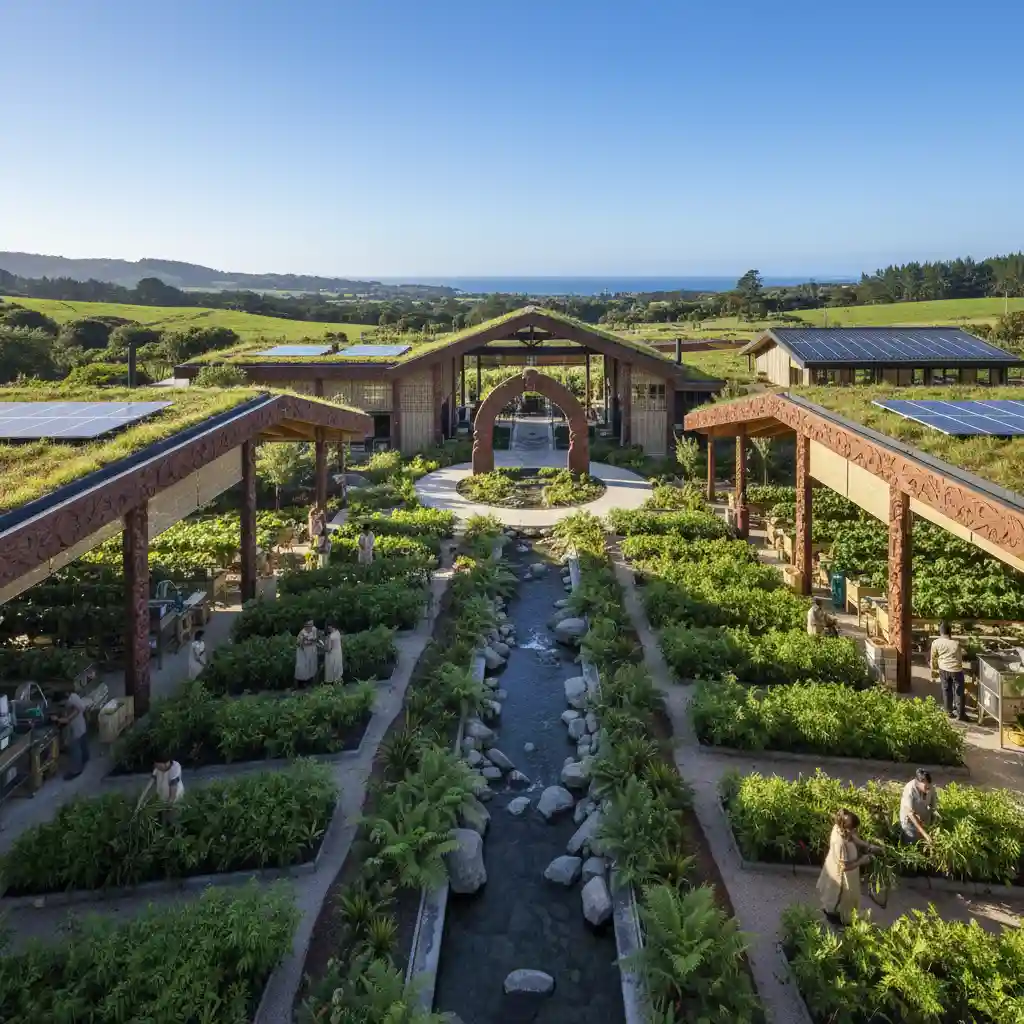
These indigenous-led approaches not only provide robust assurance of sustainable and culturally appropriate practices but also empower Māori communities to maintain sovereignty over their heritage and resources, strengthening the integrity of Rongoā Māori for generations to come.
The Future of Sustainable Rongoā
The longevity and vitality of Rongoā Māori depend on a concerted effort to uphold its sustainable foundations in the face of evolving societal and environmental pressures. The future is intrinsically linked to education, knowledge transfer, and collaborative policy development.
Education and Knowledge Transfer
Ensuring the continuity of sustainable harvesting practices requires robust intergenerational knowledge transfer. This involves teaching the younger generations not only the practical skills of identifying and preparing rongoā plants but, more importantly, the underlying Tikanga, karakia, and spiritual connection to the land. Formal and informal educational pathways, including wānanga (learning institutions), community workshops, and mentorship programs with tohunga and kaumātua, are vital. These initiatives instill a deep understanding of kaitiakitanga and foster a sense of responsibility towards the natural world, ensuring that the holistic philosophy of Rongoā is perpetuated rather than merely its techniques. Revitalizing te reo Māori (the Māori language) and traditional narratives also plays a critical role, as much of the nuanced knowledge is embedded within these cultural forms.
Collaboration and Policy Development
Effective stewardship of rongoā plants and their habitats necessitates collaboration between Māori communities, government agencies, scientific researchers, and conservation organizations. Policy frameworks need to be developed that recognize and protect Māori customary rights and practices, integrate Indigenous knowledge into national biodiversity strategies, and provide resources for Māori-led conservation efforts. This includes co-management models for protected areas, legal recognition of Māori intellectual property rights over traditional knowledge, and funding for sustainable rongoā initiatives. By fostering genuine partnerships and co-creating policy, Aotearoa can ensure that the practice of Rongoā Māori continues to thrive sustainably, contributing to the health of both people and the environment for centuries to come.
In conclusion, sustainable harvesting in Rongoā Māori is a multifaceted practice, deeply embedded in Tikanga, Kaitiakitanga, and a profound spiritual connection to the natural world. It demands respect, reciprocity, and an unwavering commitment to preserving the mauri of the plants and their ecosystems. While modern commercial pressures present challenges, indigenous-led initiatives and thoughtful collaborations offer pathways to ensure that this invaluable healing tradition continues to enrich the lives of New Zealanders and inspire sustainable practices globally. By honoring the wisdom of Rongoā, we not only preserve a cultural heritage but also champion a model of living in harmony with Papatūānuku.
People Also Ask (PAA)
What is the significance of Tikanga in Rongoā Māori harvesting?
Tikanga represents the customary Māori practices and protocols that provide the spiritual and ethical framework for Rongoā harvesting. It ensures that plants are gathered with respect, humility, and an understanding of their mauri (life force), guiding decisions on when, where, and how to harvest to maintain ecological balance and cultural integrity.
How do Rongoā practitioners ensure sustainable collection of plants?
Rongoā practitioners ensure sustainability by following strict ethical guidelines: taking only what is needed, leaving ample plants for regeneration, harvesting during optimal seasons, and respecting specific plant locations. These practices are underpinned by karakia (prayers) and the principle of Kaitiakitanga (guardianship).
What challenges does commercial demand pose for sustainable Rongoā?
Increased commercial demand for Rongoā can lead to over-harvesting, placing pressure on wild plant populations, especially endemic or endangered species. It also creates a tension between economic opportunities and the need to preserve cultural practices and intellectual property, requiring careful management and ethical supply chains.
Why are karakia important during the harvesting of Rongoā plants?
Karakia are vital as they acknowledge the spiritual essence (mauri and wairua) of the plants and the forest, seeking permission from the atua (deities) and expressing gratitude. This sacred act establishes a reciprocal relationship, ensuring the plant’s efficacy and the harvester’s respectful connection to nature.
Are there certifications for sustainable Rongoā producers?
While traditional Western certifications may not fully encompass Tikanga, there is a growing movement towards indigenous-led initiatives and verification standards. These aim to ensure that Rongoā products are harvested and processed according to culturally appropriate, sustainable Māori practices, protecting both the environment and traditional knowledge.
How does Kaitiakitanga relate to Rongoā Māori sustainability?
Kaitiakitanga is the Māori concept of guardianship, entrusting the responsibility to care for the natural environment. In Rongoā, it means actively protecting medicinal plants and their habitats, ensuring their health for future generations, and engaging in long-term conservation and restoration efforts as a fundamental cultural duty.