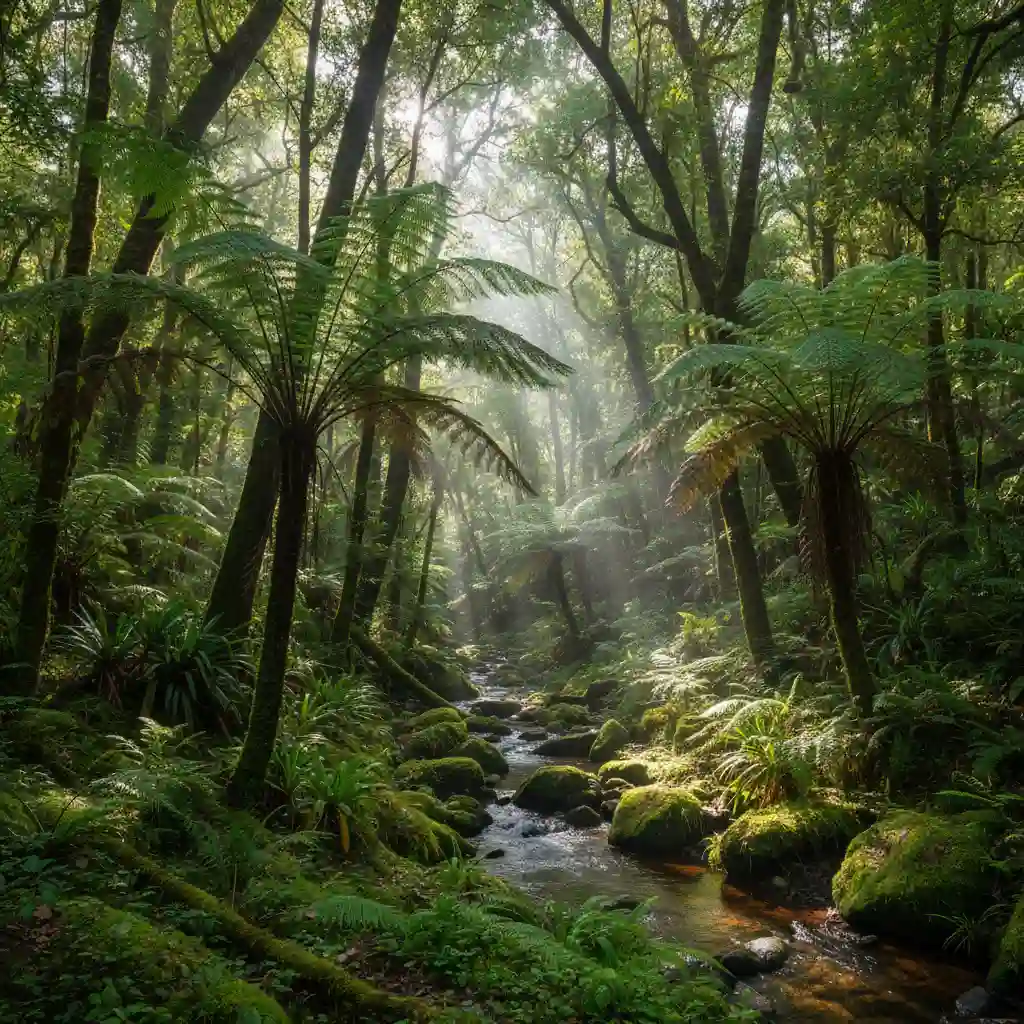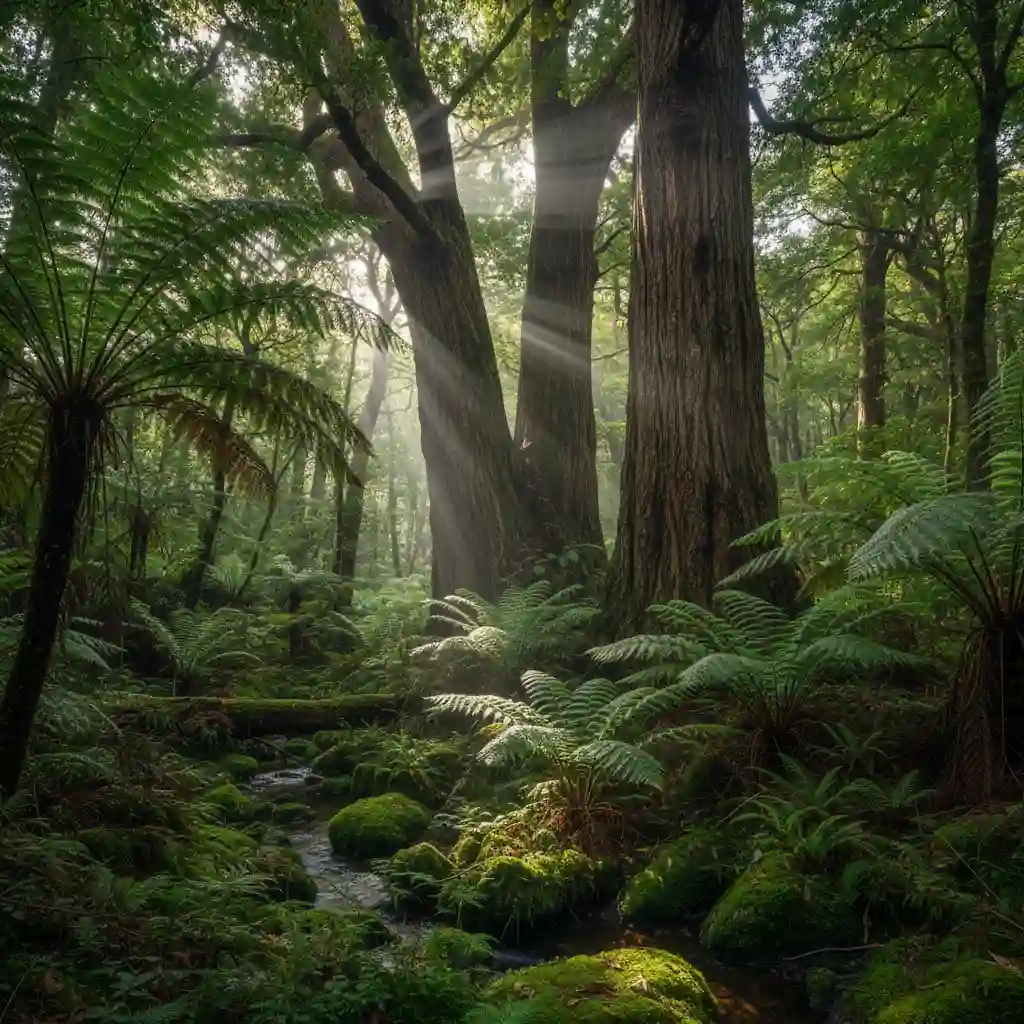
Soil health is the foundational pillar of Rongoā Māori potency, as the complex microbiome of the ngahere (forest) directly influences the synthesis of therapeutic secondary metabolites in native plants. Understanding the symbiotic relationship between soil fungi, nutrient density, and plant defense mechanisms is essential for practitioners seeking to optimize the clinical efficacy of traditional Māori medicine.
The Microbiome of the Forest: Te Ao Tūroa
In the traditional Māori worldview, the soil is not merely a medium for growth but is the literal skin of Papatūānuku (the Earth Mother). This spiritual connection is mirrored in the scientific understanding of the forest microbiome. The ngahere (forest) functions as a vast, interconnected organism where the soil serves as the central nervous system. At the heart of this system is the rhizosphere—the narrow region of soil that is directly influenced by root secretions and associated soil microorganisms.
For Rongoā Māori, the biological activity within this rhizosphere is what determines the ‘Mauri’ or life force of the medicinal plant. Mycorrhizal fungi form expansive networks that connect individual trees and shrubs, facilitating a sophisticated exchange of nutrients, water, and even chemical signals. These fungi extend the reach of plant roots by hundreds of times, accessing deep-seated minerals that the plant could not reach on its own. In exchange, the plant provides the fungi with carbohydrates produced through photosynthesis. This symbiotic relationship is the primary driver of plant health and, consequently, its medicinal potency.
The Role of Indigenous Microorganisms (IMO)
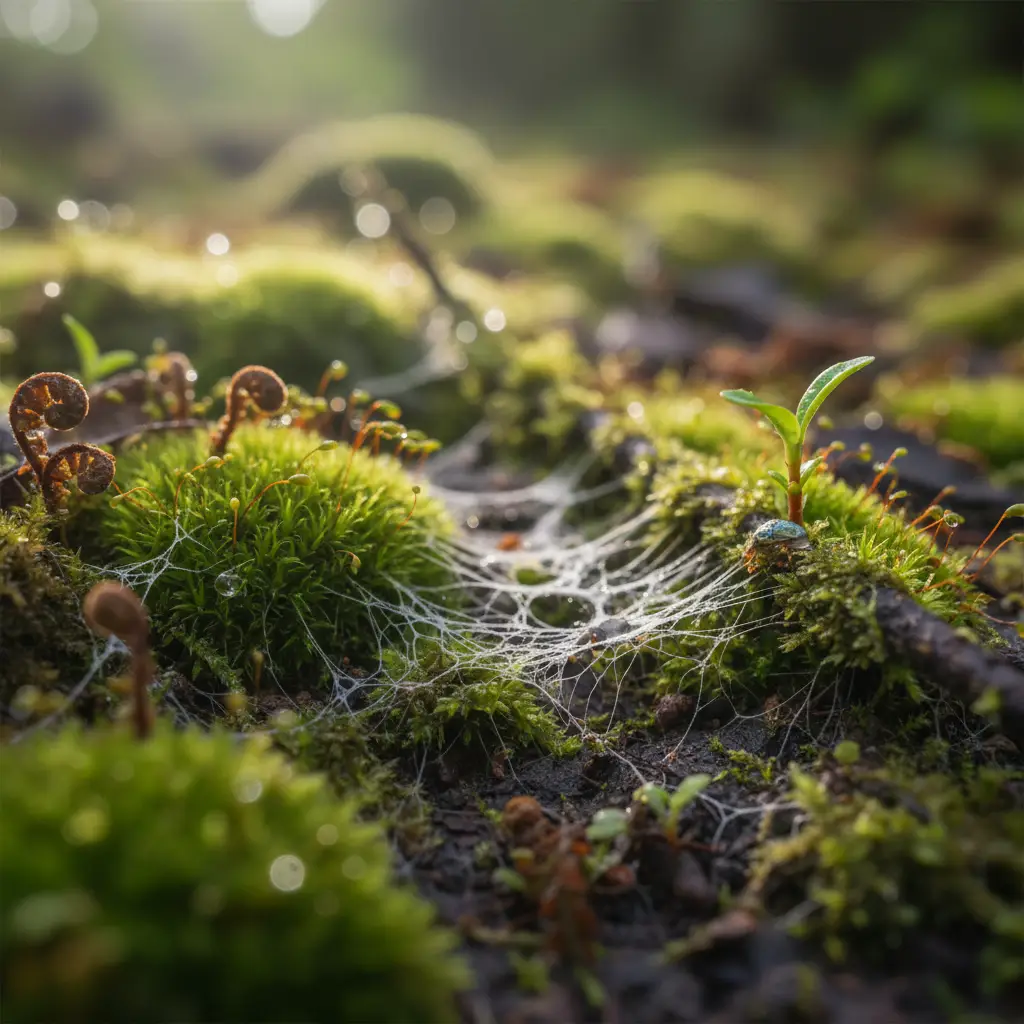
Indigenous microorganisms, or IMO, are the specific bacteria, fungi, and protozoa that have evolved within the New Zealand ecosystem over millennia. These organisms are perfectly adapted to the unique volcanic and alluvial soils of Aotearoa. When a Rongoā plant like Kawakawa or Mānuka grows in an environment rich with its specific co-evolved IMO, it is capable of reaching its full genetic potential. These microbes act as the plant’s external immune system, breaking down organic matter into bioavailable forms and suppressing pathogens that might otherwise weaken the plant. The presence of these microbes is a key indicator of a healthy ngahere and is a primary consideration for traditional harvesters who look for signs of a ‘living’ soil before gathering medicine.
Nutrient Density in Wild Plants: The Science of Potency
The therapeutic efficacy of Rongoā Māori is largely derived from secondary metabolites—organic compounds that are not directly involved in the growth or reproduction of the plant but are essential for its defense and survival. These include alkaloids, terpenes, flavonoids, and phenols. The production of these compounds is highly dependent on the nutrient density of the soil. Unlike cultivated plants that are often pushed for rapid growth using synthetic nitrogen, phosphorus, and potassium (NPK), wild-harvested Rongoā plants grow at a natural pace dictated by the seasonal availability of a broad spectrum of minerals.
Research into plant physiology suggests that ‘environmental stress’—such as the need to compete for nutrients or defend against local insects—actually increases the concentration of these beneficial secondary metabolites. This concept, known as hormesis, explains why a Kawakawa leaf with small insect holes (often referred to as ‘the choice of the looper caterpillar’) is frequently sought after by practitioners. The insect attack, facilitated by the plant’s interaction with its soil environment, triggers a systemic defense response that floods the leaves with bioactive compounds, making the medicine more potent for human use.

Mineral Profiles and Bioavailability
The specific mineral profile of the soil—including trace elements like selenium, magnesium, and zinc—plays a crucial role in the enzymatic pathways that create medicinal oils and resins. In many parts of Aotearoa, soil mineral levels vary significantly due to volcanic history. A practitioner must understand the ‘whakapapa’ (lineage/origin) of the soil to predict the mineral content of the plant. For instance, Mānuka honey and oil potency (measured by UMF or MGO) is directly linked to the soil conditions in which the Mānuka trees grow. High-quality soil leads to a higher concentration of dihydroxyacetone (DHA) in the nectar, which later converts to the antibacterial methylglyoxal (MGO).
Soil Remediation Techniques for Rongoā Gardeners
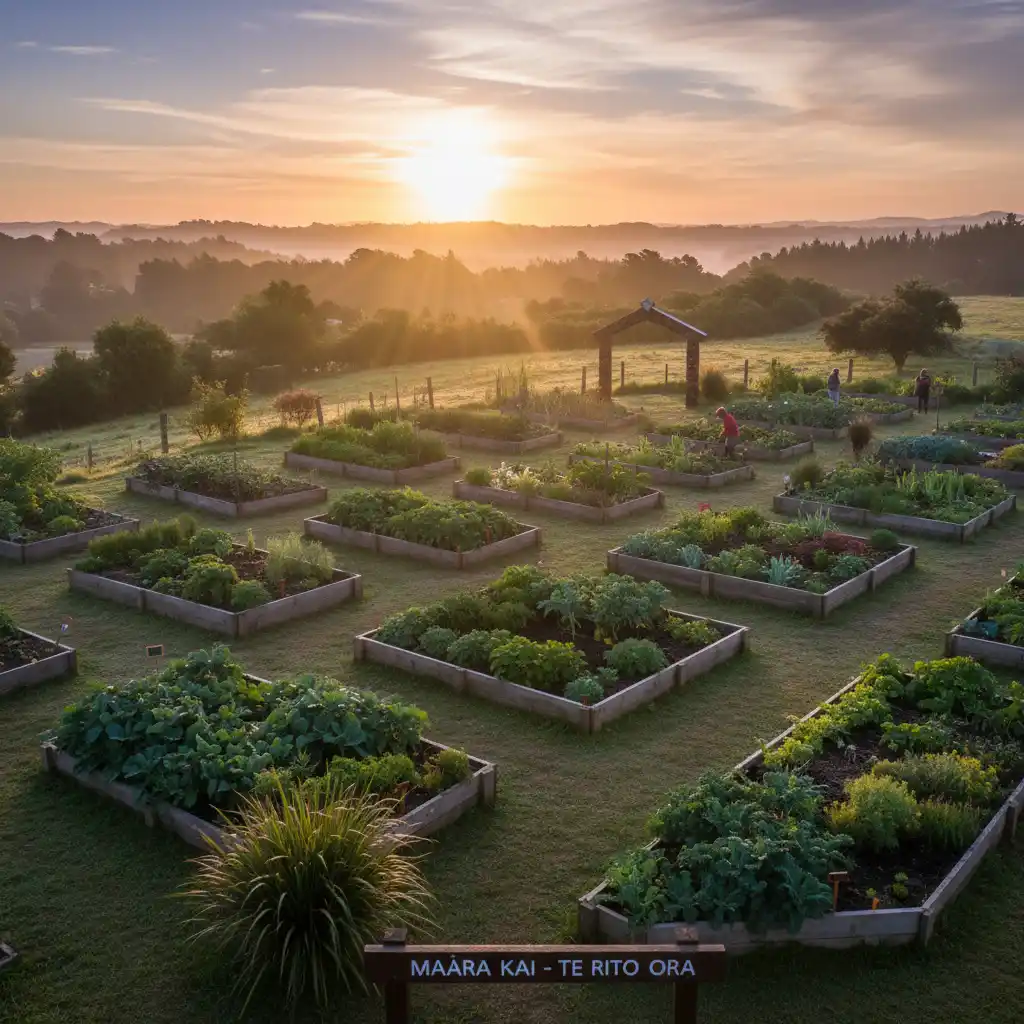
As urban sprawl and industrial agriculture deplete the natural mauri of the land, soil remediation has become a vital skill for the modern Rongoā practitioner. To cultivate medicinal plants in a home or community garden (Maara), one must first restore the biological integrity of the earth. This process begins with the cessation of synthetic chemical use, which destroys the delicate fungal networks essential for Rongoā potency. Instead, practitioners use traditional and modern organic techniques to ‘feed the soil, not the plant.’
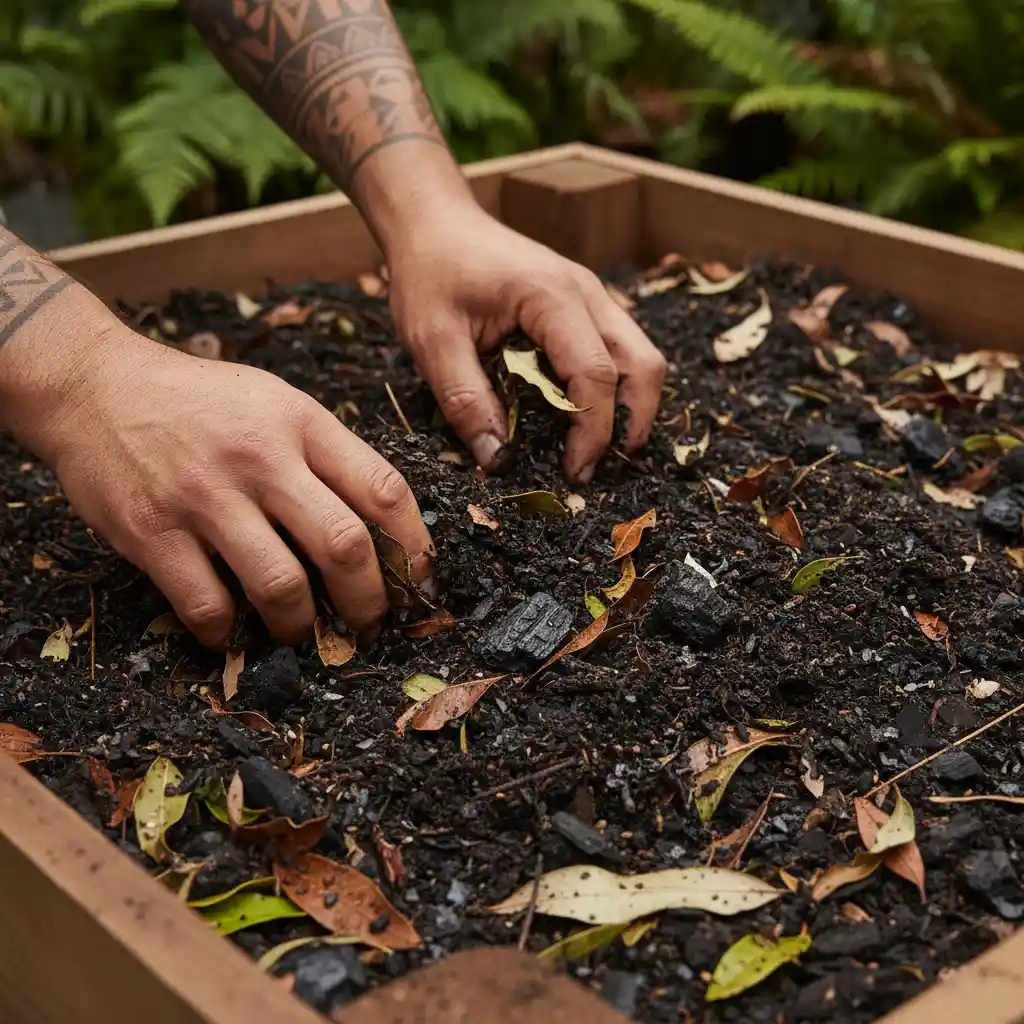
One effective technique is the application of biochar—a form of charcoal produced through pyrolysis that provides a permanent, porous habitat for microorganisms. When ‘charged’ with nutrient-rich liquids like seaweed tea or fermented plant juice, biochar acts as a long-term reservoir of fertility. Another essential practice is the return of organic matter through ‘sheet mulching’ or ‘Hügelkultur,’ which mimics the natural leaf litter cycle of the ngahere. By layering carbon-rich materials with nitrogen-rich compost, gardeners create a self-sustaining ecosystem that encourages the return of worms and beneficial fungi.
Utilizing Uku and Native Mulches
The use of ‘Uku’ (natural clay) is another traditional method for improving soil structure, particularly in sandy or depleted areas. Clay particles have a high cation exchange capacity, meaning they can hold onto essential minerals and prevent them from leaching away during heavy rain. Furthermore, using mulches derived from the same ecosystem—such as shredded Mānuka bark or leaf litter from the forest floor—introduces the specific fungal spores required for native plants to thrive. This ‘biological inoculation’ is a critical step in transitioning a standard garden soil into a high-vibrational Rongoā environment.
Maara Lifestyles: Integrating Soil Health into Daily Practice
A Maara lifestyle is one that centers the health of the soil in every aspect of daily living. It is a holistic approach that views the gardener as a steward (Kaitiaki) of the land’s life force. This lifestyle is governed by the Maramataka (the Māori lunar calendar), which provides specific guidance on when to plant, harvest, and prepare the soil. During certain moon phases, the ‘pull’ on the earth’s waters affects the moisture levels in the topsoil and the activity of soil-dwelling organisms. Aligning soil work with these natural rhythms ensures that the Mauri of the garden remains vibrant and balanced.
Living a Maara lifestyle also involves a commitment to sustainability and the principle of reciprocity. When we harvest Rongoā, we must give back to the soil more than we take. This might involve planting ‘companion’ species that fix nitrogen, such as the native kōwhai, or simply ensuring that all plant waste is returned to the earth through a closed-loop composting system. This cycle of giving and receiving reinforces the connection between the health of the land and the health of the people (Hauora).
The Spiritual Aspect of Soil Care
In a professional Rongoā context, the state of the practitioner’s mind while working the soil is just as important as the physical techniques used. Karakia (incantations/prayers) are often used to acknowledge the tapu (sacredness) of the earth and to set an intention for the medicine being grown. This spiritual integration ensures that the practitioner remains mindful of their impact on the environment and maintains a deep respect for the living world. This mindfulness is believed to be ‘absorbed’ by the soil and the plants, further enhancing the healing qualities of the final Rongoā preparations.
Clinical Integration of Soil Quality
For clinicians and health practitioners integrating Rongoā Māori into their practice, soil quality is a primary factor in quality control and standardization. In a clinical setting, the ‘potency’ of a tincture or balm is not just a matter of the extraction method, but the quality of the raw material. Practitioners must ask critical questions about the source of their plants: Was the soil contaminated with heavy metals? Was it harvested from a thriving ngahere or a depleted roadside? The answers to these questions determine the safety and efficacy of the treatment.
As we move toward a more integrated healthcare model, the science of soil health provides a bridge between traditional wisdom and modern pharmacology. By understanding how soil microbes influence phytochemical profiles, we can validate the efficacy of Rongoā through a lens that respects both Māori cosmology and scientific rigor. This ensures that the future of Rongoā Māori remains grounded in the health of the earth, providing deep, sustainable healing for generations to come.
People Also Ask
How does soil health influence the medicinal properties of Rongoā Māori?
Soil health directly impacts the production of secondary metabolites in plants. A rich, microbially active soil provides the necessary precursors and environmental conditions for plants to synthesize high concentrations of alkaloids and terpenes, which are the active healing compounds in Rongoā.
What role does the ngahere (forest) microbiome play in plant potency?
The forest microbiome, particularly mycorrhizal fungi and indigenous microorganisms (IMO), forms a symbiotic relationship with native plants. This network enhances nutrient uptake and triggers natural defense mechanisms in plants, leading to a higher ‘Mauri’ or medicinal potency compared to plants grown in sterile or chemical soils.
Are wild-harvested Rongoā plants more effective than garden-grown ones?
Wild-harvested plants often have higher potency due to the complex soil ecosystems and natural stressors of the ngahere. however, garden-grown Rongoā can be equally effective if the gardener uses soil remediation techniques to mimic the forest’s natural microbiome and avoids synthetic fertilizers.
How can I improve soil quality for a Rongoā garden using traditional methods?
Traditional methods include the application of biochar, using native mulches like Mānuka bark, and incorporating indigenous microorganisms (IMO) through fermented plant teas. Aligning soil maintenance with the Maramataka (lunar calendar) also helps optimize soil biological activity.
What is the link between soil minerals and plant alkaloids in New Zealand flora?
Specific trace minerals like magnesium and zinc act as catalysts in the enzymatic pathways that produce alkaloids. Since New Zealand soils are geologically diverse, the mineral profile of the local soil directly dictates the chemical ‘fingerprint’ and therapeutic strength of plants like Kawakawa.
How does the Maramataka influence soil preparation and plant harvesting?
The Maramataka guides the timing of soil work based on lunar cycles that affect gravitational pull and soil moisture. Certain moon phases are optimal for root development and microbial activity, while others are better for harvesting when the plant’s medicinal oils are most concentrated in the leaves.