
Identifying native Māori medicinal plants, or Rongoā Māori, requires a sophisticated understanding of New Zealand’s unique botanical taxonomy and ancestral wisdom. Key species include Kawakawa for digestive health, Manuka for its antimicrobial properties, and Harakeke for tissue repair. This guide provides authoritative identification markers, clinical applications, and essential safety protocols for integrating traditional healing into modern clinical practice.
Kawakawa and Manuka: The Foundations of Rongoā
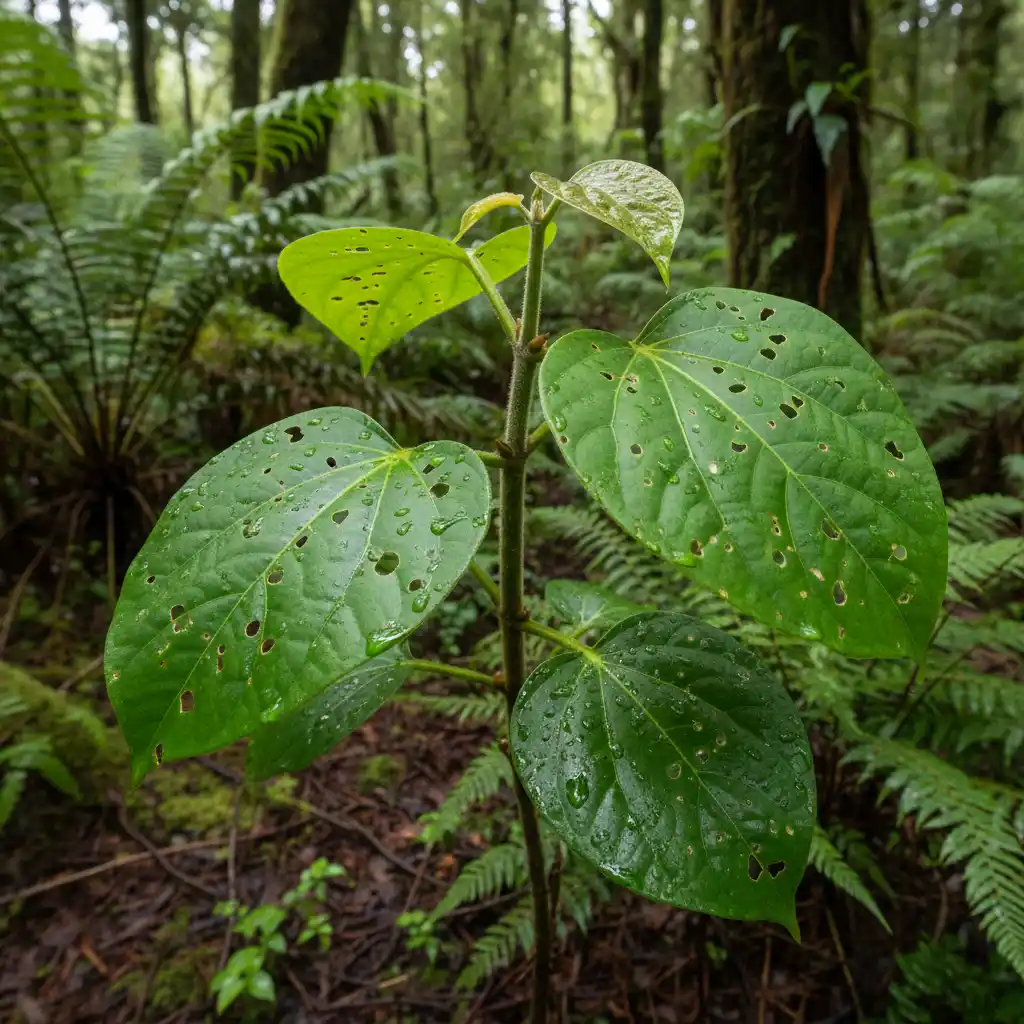
The identification of native Māori medicinal plants often begins with Kawakawa (Piper excelsum). This shrub is easily identified by its heart-shaped, vibrant green leaves. A distinguishing feature of high-potency Kawakawa is the presence of small holes caused by the Kawakawa looper moth (Cleora scriptaria). In the tradition of Rongoā, these holes signify the plant’s active response to predation, which in turn concentrates its medicinal compounds. Culturally, Kawakawa is seen as a bridge between the physical and spiritual realms, often used in karakia (prayers) and ceremonies.
Clinically, Kawakawa contains myristicin and diayangambin, which provide anti-inflammatory and analgesic properties. It is commonly prepared as a tisane (tea) to soothe digestive distress, or infused into oils and balms for eczema and sensitive skin. When identifying Kawakawa in the wild, look for its jointed, bamboo-like stems and the upright fruiting spikes that transition from green to orange as they ripen. It is a hardy plant, typically found in coastal and lowland forests across the North Island and the upper South Island.
The Antimicrobial Power of Manuka
Manuka (Leptospermum scoparium) is perhaps the most globally recognized of the native Māori medicinal plants. Identification can be tricky as it closely resembles Kanuka (Kunzea ericoides). A primary identification rule is: “Manuka is mean, Kanuka is kind.” Manuka leaves are small, sharp, and prickly to the touch, whereas Kanuka leaves are softer. Manuka produces large, solitary white or pinkish flowers and hard, woody seed capsules that persist throughout the year. The bark is typically papery and sheds in long strips.
The medicinal value of Manuka is immense, primarily due to its high concentration of triketones and the presence of Methylglyoxal (MGO) in its honey. Traditionally, a decoction of the bark was used as a sedative and to treat dysentery. Today, Manuka oil is a staple in clinical integration for its broad-spectrum antimicrobial, antifungal, and antiviral properties. It is used in wound care to prevent infection and promote rapid epithelialization. Understanding the specific chemotypes of Manuka depending on its geographical location is essential for clinical practitioners seeking specific therapeutic outcomes.
Harakeke: The Multi-Functional Healer
Harakeke (Phormium tenax), or New Zealand flax, is central to Māori life, providing fiber for weaving and medicine for healing. Identifying Harakeke is straightforward: it grows in large clumps with long, sword-shaped leaves that can reach up to three meters in height. The flower stalks are tall and dark, attracting Tui and other nectar-feeding birds. Unlike the related Wharariki (Mountain Flax), Harakeke seed pods stand upright.
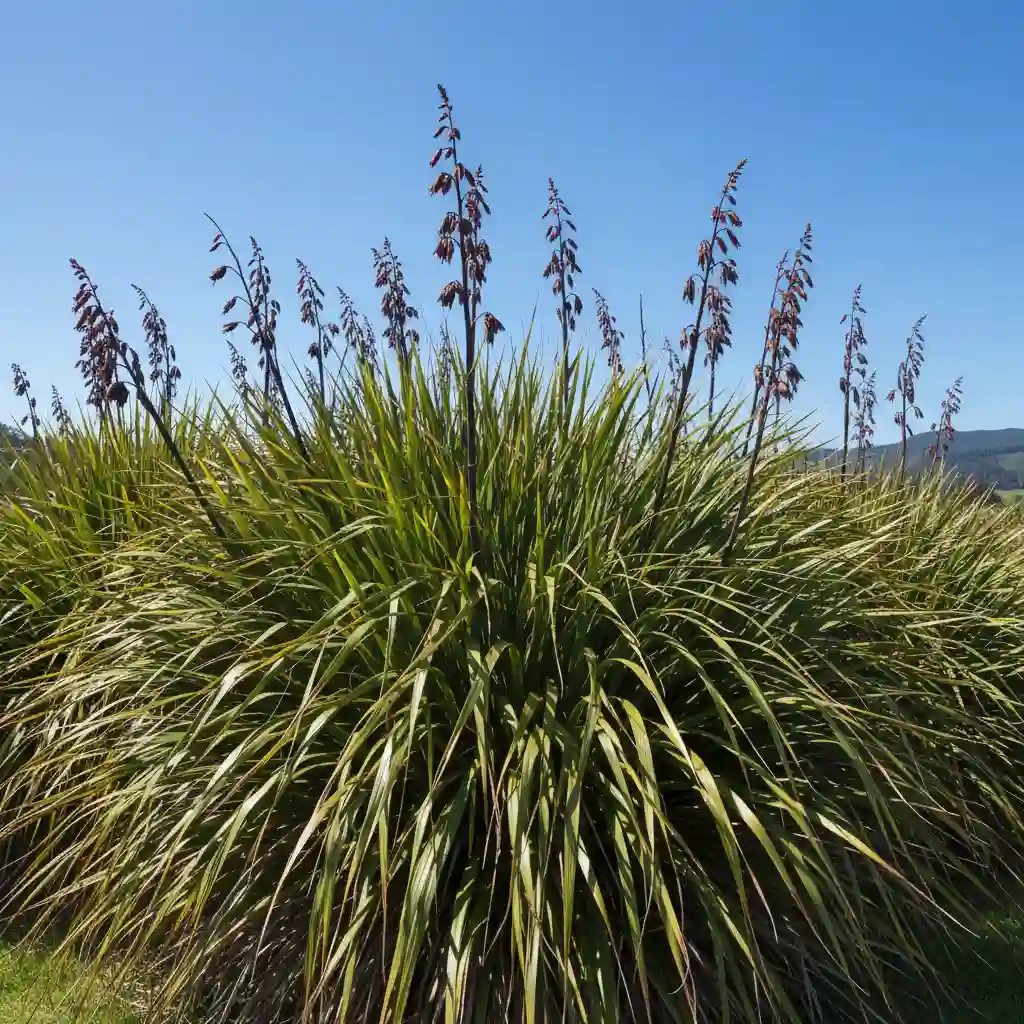
The medicinal uses of Harakeke are diverse. The sticky gum (gel) found at the base of the leaves is a powerful antiseptic and anaesthetic, frequently used for boils, burns, and wounds. It acts similarly to Aloe Vera but with more potent astringent qualities. The root of the Harakeke is also utilized; a decoction made from the juice of the squeezed root serves as a treatment for intestinal parasites and internal complaints. In a modern holistic lifestyle, Harakeke gel is an excellent natural alternative for skin hydration and minor trauma recovery.
Crucially, the harvesting of Harakeke follows strict Tikanga (customary protocols). One must never cut the ‘Rito’ (the central young leaf) or its ‘parents’ (the leaves flanking it). This ensures the survival of the plant and reflects the Māori view of the plant as a family unit. Practitioners must respect these sustainability practices to maintain the integrity of the Rongoā.
Kōwhai and Rātā: Specialized Remedies
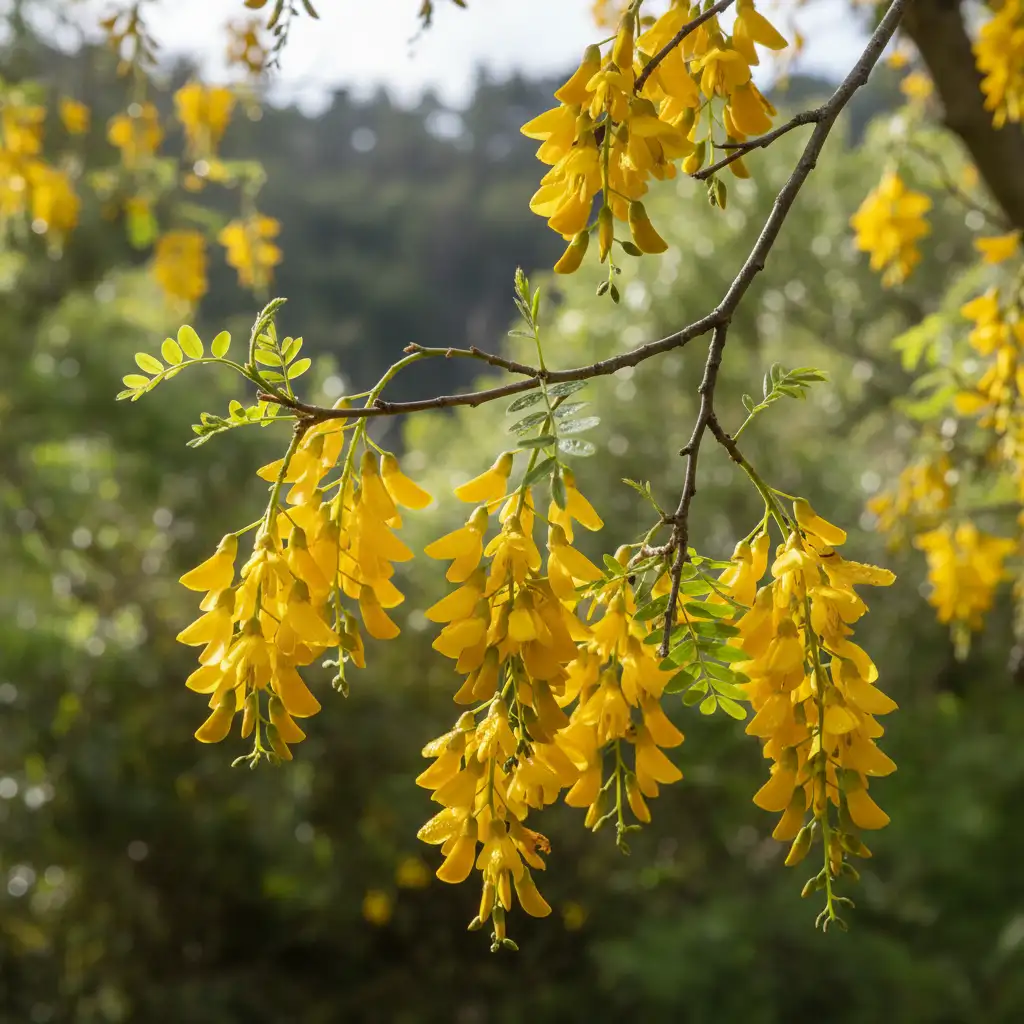
Kōwhai (Sophora species) is iconic for its bright yellow, bell-shaped flowers that herald the arrival of spring. While beautiful, the Kōwhai is a potent medicinal plant that must be handled with care. The inner bark of the Kōwhai is used to treat skin conditions such as shingles and scabies. Historically, a thick infusion of the bark was applied topically to help heal broken bones and severe bruising. Identification is based on the fine, pinnate leaves and the distinctive yellow flowers. It is important to note that the seeds are toxic if ingested, highlighting the need for professional guidance when using native Māori medicinal plants.
Rātā (Metrosideros species), specifically Northern and Southern Rātā, is another vital component of the Māori pharmacopeia. Often confused with Pōhutukawa, Rātā can be identified by its smaller, glossier leaves and brilliant red stamens in its flowers. The bark of the Rātā is known for its astringent properties. Māori healers used the sap and bark infusions to treat toothache and as a lotion for wounds. The juice of the vine (Aka) was sometimes used to treat fevers. Integrating Rātā into clinical settings involves using standardized extracts for their antioxidant and anti-inflammatory benefits, particularly in managing chronic pain and skin integrity.
Tutu and Essential Safety Warnings
The Tutu (Coriaria species) represents one of the most significant safety warnings in Rongoā Māori. While it has been used traditionally for specific poultices, it is highly toxic. The plant is a shrub with shiny green leaves and drooping clusters of berries that turn dark purple when ripe. The danger lies in the seeds and all other parts of the plant, which contain the potent neurotoxin Tutin. Even honey produced from bees feeding on Tutu can be toxic to humans.
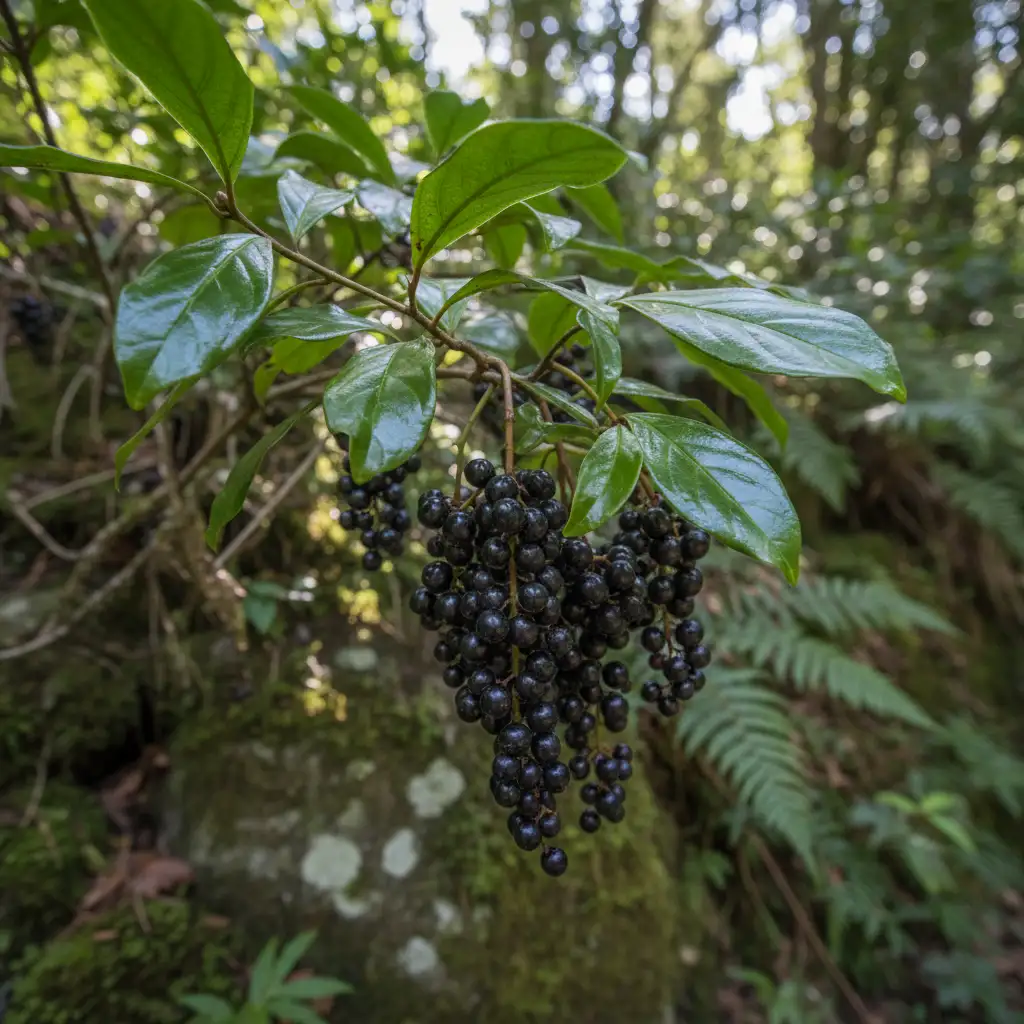
In traditional practice, the fleshy petals of the Tutu were carefully strained to produce a juice, but the seeds were strictly discarded. Because the margin for error is so slim, modern clinical integration generally avoids Tutu entirely. This serves as a critical reminder: identifying native Māori medicinal plants is not just about finding the plant, but understanding its chemistry and the risks involved. Never attempt to prepare Tutu without the direct supervision of an experienced Tohunga (expert healer). General safety in Rongoā also dictates that plants should not be harvested from roadsides or areas where chemical spraying may have occurred, as the plants absorb these toxins.
Clinical Integration and Tikanga
Integrating Rongoā Māori into a clinical environment requires more than just botanical knowledge; it requires an appreciation of Te Ao Māori (the Māori world view). This includes the concepts of Mauri (life force), Tapu (sacredness), and Noa (ordinariness). In a clinical setting, this might manifest as ensuring that Karakia (incantation) is offered before treatment or that plant materials are disposed of back to the earth in a respectful manner. For practitioners, this creates a holistic healing environment that addresses the physical, emotional, and spiritual needs of the patient.
Scientific research is increasingly validating the efficacy of these plants. For instance, studies on Kawakawa have confirmed its bioactive amides, while Manuka’s antibacterial efficacy is world-renowned. By combining this empirical data with traditional knowledge, clinicians can offer a truly integrated health solution. This synergy between Mātauranga Māori (Māori knowledge) and Western science represents the future of healthcare in Aotearoa New Zealand, promoting a more inclusive and effective medical model.
As you begin your journey in identifying native Māori medicinal plants, remember to move slowly and with respect. Learn from the environment, seek out mentors, and always prioritize the health of the plant and the safety of the patient. The wisdom of the bush is a gift that requires stewardship and humility.
People Also Ask
What are the most common Māori medicinal plants?
The most common plants include Kawakawa for digestion, Manuka for its antiseptic properties, Harakeke for skin and internal health, and Kōwhai for skin ailments.
Is it safe to harvest native plants for Rongoā?
It is safe if you have correctly identified the species and followed Tikanga. However, some plants like Tutu are highly toxic, and many areas require permits for harvesting.
How does Kawakawa assist with digestive health?
Kawakawa contains anti-inflammatory compounds like myristicin that help relax the digestive tract and reduce spasms, making it effective for stomach aches and bloating.
Can Harakeke be used for topical wound healing?
Yes, the gel found at the base of Harakeke leaves is a natural antiseptic and anaesthetic, ideal for treating burns, cuts, and insect bites.
What precautions should be taken with the Tutu plant?
Tutu contains the neurotoxin Tutin. All parts except the fleshy fruit petals are poisonous. It should never be used without expert guidance due to the high risk of poisoning.
How is Rongoā Māori integrated into clinical healthcare today?
Rongoā is integrated through the use of plant-based balms, tinctures, and teas alongside Western medicine, and by respecting Māori protocols such as Karakia in the healing process.
“,”metaTitle”:”Identifying Native Māori Medicinal Plants: A Comprehensive Guide to Rongoā Māori”,”metaDescription”:”Master the art of identifying native Māori medicinal plants with our in-depth guide to Rongoā Māori. Learn about Kawakawa, Manuka, Harakeke, and safe clinical integration.”,”tags”:[“Rongoā Māori”,”Native New Zealand Plants”,”Medicinal Plants”,”Holistic Health”,”Traditional Māori Medicine”,”Kawakawa”,”Manuka”,”Harakeke”]}