Rongoā workshops are community-led educational initiatives focused on the preservation and revitalization of traditional Māori healing practices. These workshops integrate clinical knowledge with ancestral wisdom, utilizing marae-based environments to facilitate intergenerational exchange, hands-on medicinal preparation, and the use of storytelling as a primary pedagogical tool for maintaining holistic health and oratory traditions.
The Foundations of Marae-based Learning
The marae serves as the heartbeat of Māori social and spiritual life, making it the most appropriate setting for rongoā workshops. Unlike a sterile classroom, the marae provides a tūrangawaewae—a place to stand—where the environment itself speaks of history, genealogy, and connection to the land. Within this sacred space, learners are not merely students but are welcomed into a collective consciousness that values the spiritual dimensions of health alongside the physical. The revitalization of oratory within these workshops begins the moment participants step onto the marae. The pōwhiri (welcoming ceremony) sets the tone, where whaikōrero (oratory) and waiata (song) establish the connection between the visitors, the hosts, and the ancestors. For those seeking rongoā workshops, the marae-based model offers a unique immersive experience that honors the tapu (sacredness) of the medicinal knowledge being shared. It is here that the protocols of tikanga Māori are practiced daily, ensuring that the harvesting and use of native plants are done with the utmost respect for the Mauri (life force) of the forest. By situating learning in this context, rongoā workshops ensure that the knowledge remains anchored to the people and the land from which it originated.

Fostering Intergenerational Exchange
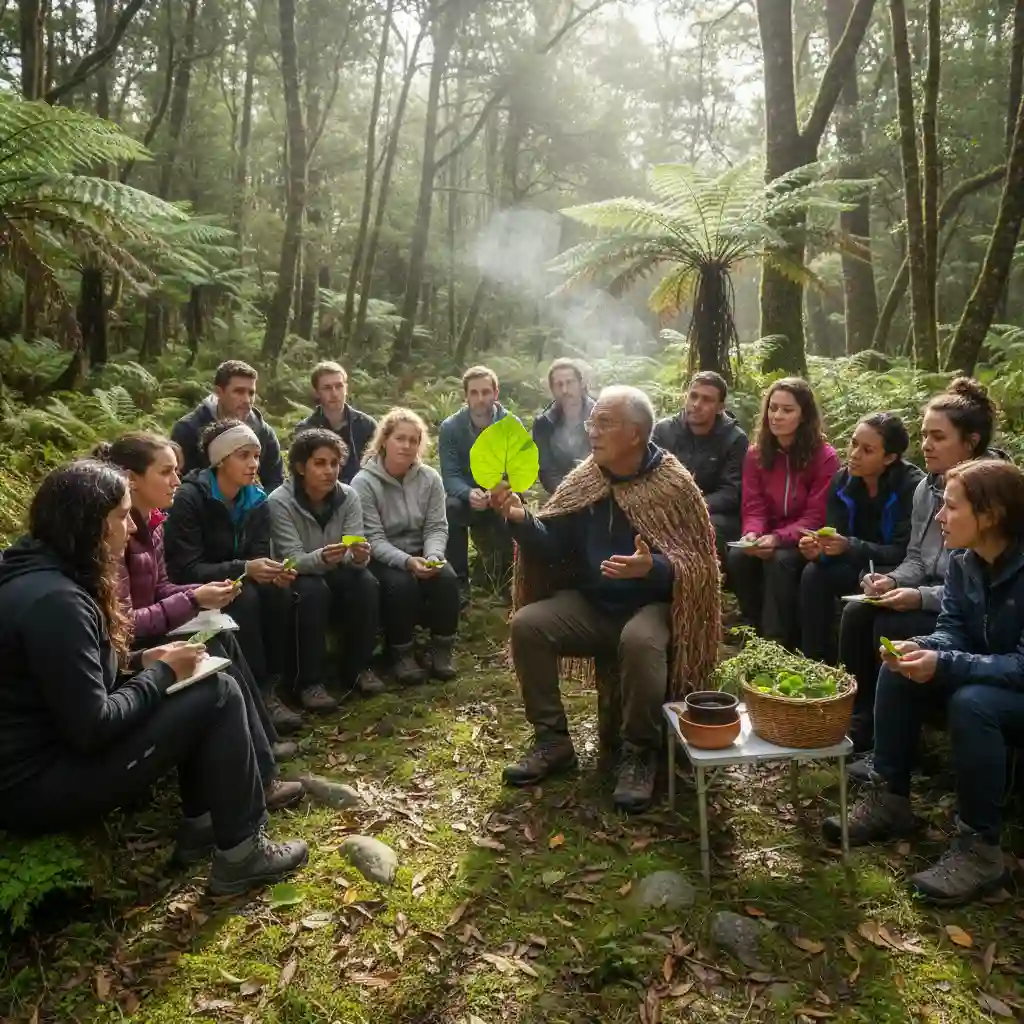
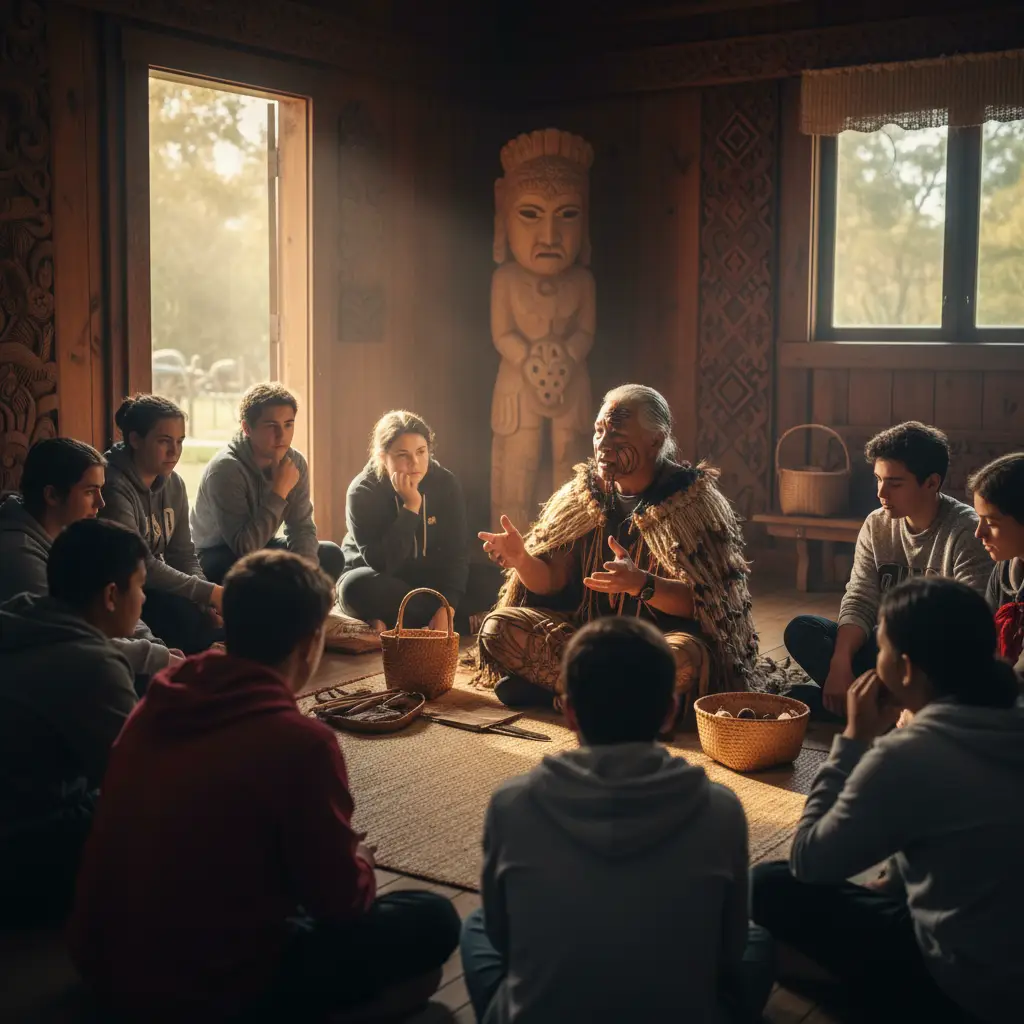
One of the most critical components of rongoā workshops is the emphasis on intergenerational exchange. In Māori culture, the concept of ‘ako’ signifies that teaching and learning are reciprocal processes. Kaumātua (elders) hold the vast repositories of mātauranga Māori (Māori knowledge), while the rangatahi (youth) bring the energy and the technological literacy to ensure this knowledge survives in the modern world. Rongoā workshops provide a structured yet organic environment where these two groups can interact meaningfully. Through the practice of oral tradition, elders pass down the specific names of plants, their seasonal indicators, and their medicinal applications. This exchange is not just about facts; it is about the transmission of mana and the strengthening of whanaungatanga (relationships). When a young person learns to identify Kawakawa or Manuka from an elder, they are also learning the stories of their ancestors who used those same plants. This process revitalizes the oral tradition, as the youth are encouraged to retell these stories and internalize the oratory skills required to describe the healing properties of the natural world. This continuity is essential for the clinical integration of rongoā, as it ensures that the practitioners of tomorrow remain deeply rooted in the cultural values of yesterday.
The Art of Hands-on Preparation
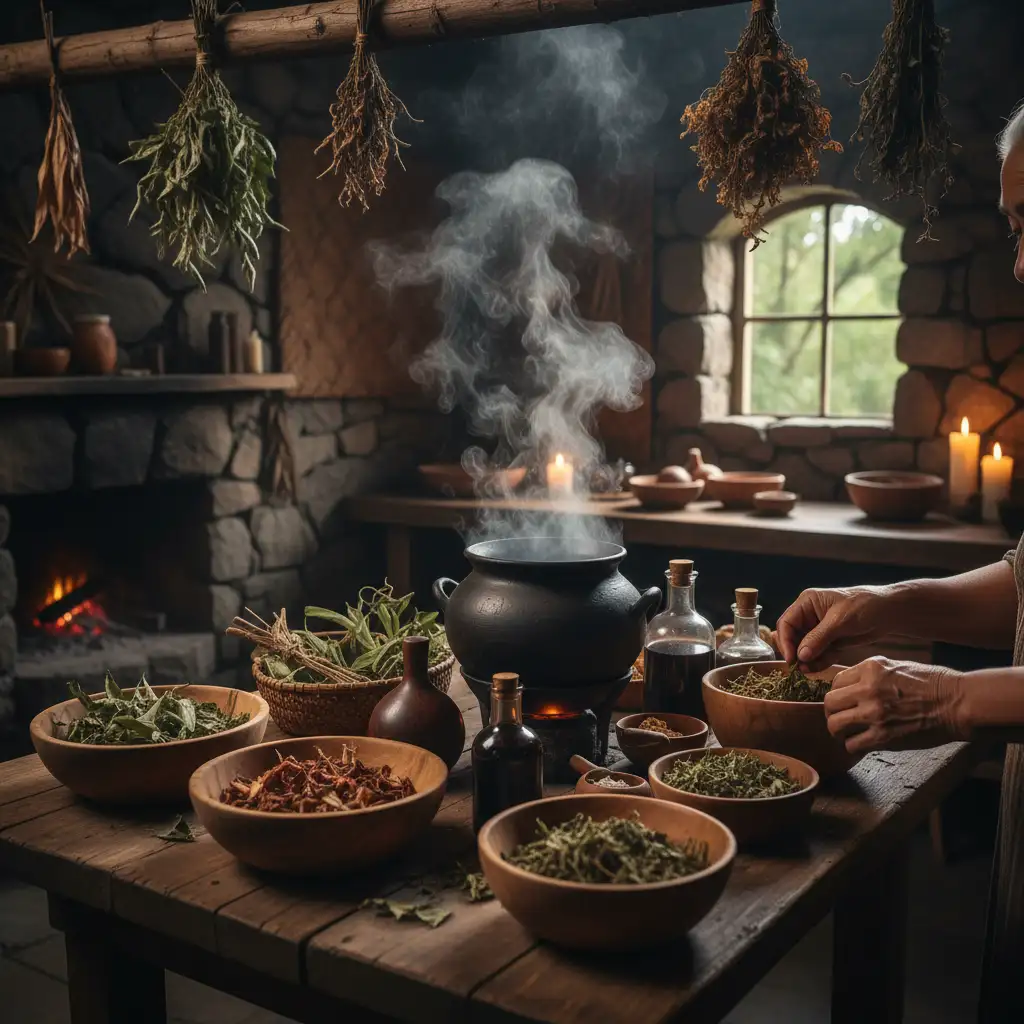
Rongoā workshops are inherently practical. The transition from theory to practice occurs through the hands-on preparation of medicinal remedies. Participants engage in the entire lifecycle of a rongoā product, from the initial karakia (prayer) offered to Tāne Mahuta (the god of the forest) before harvesting, to the final bottling of a tincture or balm. This physical engagement is a powerful educational tool that reinforces memory through sensory experience. Touching the waxy surface of a leaf, smelling the pungent aroma of crushed bark, and feeling the warmth of a boiling infusion creates deep neurological pathways that a textbook simply cannot provide. Common practices in these workshops include making wairākau (herbal infusions), ohaoha (ointments), and understanding the application of romiromi (traditional massage). By participating in these processes, students learn the subtle nuances of plant chemistry from a Māori perspective—knowing exactly when a plant is at its most potent and how to extract its essence without causing harm to the ecosystem. This hands-on approach is vital for those looking to integrate rongoā into a clinical setting, as it emphasizes quality, safety, and the spiritual integrity of the medicine. It transforms the learner from a passive observer into an active kaitiaki (guardian) of traditional knowledge.
Storytelling as a Primary Educational Tool
In the absence of written records for much of Māori history, storytelling became the primary vehicle for preserving and transmitting complex information. Rongoā workshops utilize pūrākau (traditional narratives) to teach everything from botanical identification to the ethical use of resources. These stories are often allegorical, using personification to explain the relationship between different plants and the environment. For example, the story of how certain plants received their physical characteristics often contains clues about their medicinal uses. Through storytelling, oratory is revitalized as participants learn to weave these narratives into their own practice. This method of education ensures that the information is memorable and culturally resonant. It allows for the exploration of the ‘why’ behind the ‘how.’ Why do we only harvest from the sunny side of the tree? Why must we return the remains of the plants to the earth? The answers lie in the pūrākau. By mastering these stories, practitioners of rongoā are able to communicate the value of their work to both their communities and the wider medical world, providing a narrative framework that supports the clinical efficacy of their remedies. This oral tradition is a living, breathing aspect of the workshops, ensuring that every drop of medicine is accompanied by a history that gives it power.
Clinical Integration and Holistic Lifestyles
As the demand for holistic health solutions increases globally, the clinical integration of rongoā Māori has become a focal point of many community workshops. This integration does not mean subordinating rongoā to Western medicine; rather, it involves a respectful partnership where both systems can coexist for the benefit of the patient. Rongoā workshops often include modules on how to bridge these two worlds. This includes understanding the legalities of health and safety, the ethics of patient care, and the ways in which rongoā can complement standard medical treatments. For example, rongoā can be particularly effective in managing chronic pain, stress, and mental health issues through its focus on the hinengaro (mind) and wairua (spirit). By educating practitioners in both the traditional and clinical aspects, these workshops ensure that rongoā is viewed as a credible and vital component of a modern holistic lifestyle. This professionalization helps to protect the practice from cultural appropriation and ensures that the benefits of Māori healing are available to all, while remaining firmly under the stewardship of Māori practitioners. The goal is a healthcare system that recognizes the mana of traditional healing and provides patients with a wider range of options for their wellbeing.
Revitalizing Oratory through Traditional Practice
The revitalization of oratory is perhaps one of the most profound outcomes of rongoā workshops. Oratory in a Māori context is not just about speaking; it is about the ability to connect the physical and spiritual realms through the power of the voice. In rongoā, this is manifested in the use of karakia, the explanation of medicinal properties, and the sharing of whakapapa (genealogy) as it relates to the natural world. As participants gain confidence in their knowledge of rongoā, they also gain confidence in their ability to speak on behalf of their culture and their environment. The workshops provide a safe space to practice these skills, moving from the private sphere of the home to the public sphere of the marae and eventually into the professional clinical environment. This revitalization ensures that the ‘voice’ of the forest is heard once again through the people who care for it. It empowers individuals to become advocates for indigenous health and environmental sustainability. By focusing on the revitalization of oratory, rongoā workshops ensure that the wisdom of the past is articulated clearly and powerfully in the present, securing a healthy future for generations to come. This holistic approach to education—combining spirit, mind, body, and voice—is what makes rongoā workshops a cornerstone of Māori cultural and clinical revitalization.
What are rongoā workshops?
Rongoā workshops are educational programs focused on traditional Māori healing practices. They cover plant identification, medicinal preparation, and the spiritual aspects of health, often held in marae-based settings to maintain cultural integrity.
How does one find a marae-based rongoā course?
Interested individuals can typically find these courses through local iwi (tribal) websites, Māori health providers, or community centers. Many are also listed on national Māori education platforms.
Can non-Māori attend rongoā workshops?
Yes, many rongoā workshops are open to all who have a respectful interest in traditional healing. However, it is essential to follow the tikanga (protocols) of the host marae or organization.
What plants are commonly used in rongoā?
Commonly used plants include Kawakawa (for skin and digestion), Manuka (for antiseptic properties), Harakeke (for healing wounds), and Kōwhai (for its cleaning properties). Each plant has specific harvesting protocols.
How is storytelling used in Māori education?
Storytelling, or pūrākau, is used to encode complex ecological and medicinal knowledge into memorable narratives, ensuring that information is passed down accurately through generations via oral tradition.
What is the role of clinical integration in rongoā?
Clinical integration involves combining rongoā Māori with Western medical practices to provide a more holistic approach to health, ensuring cultural safety and a wider range of treatment options for patients.