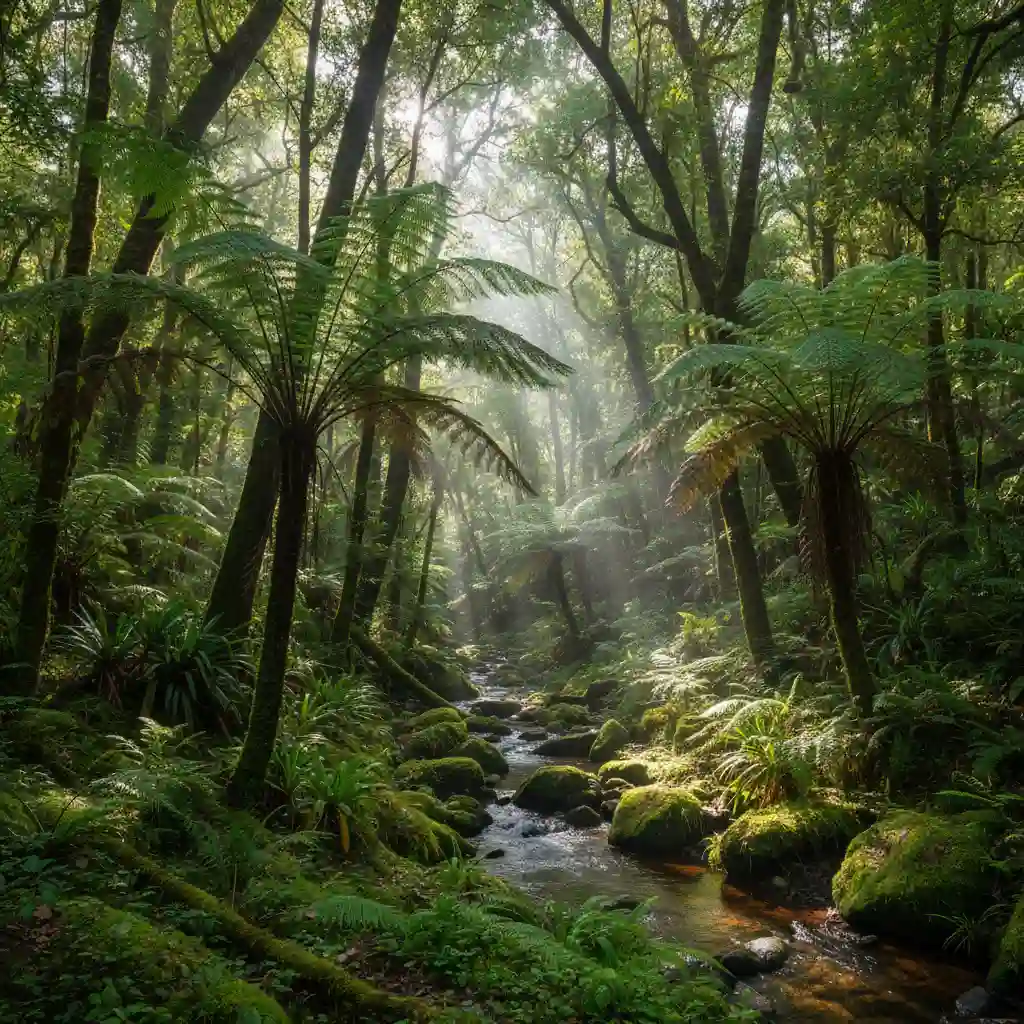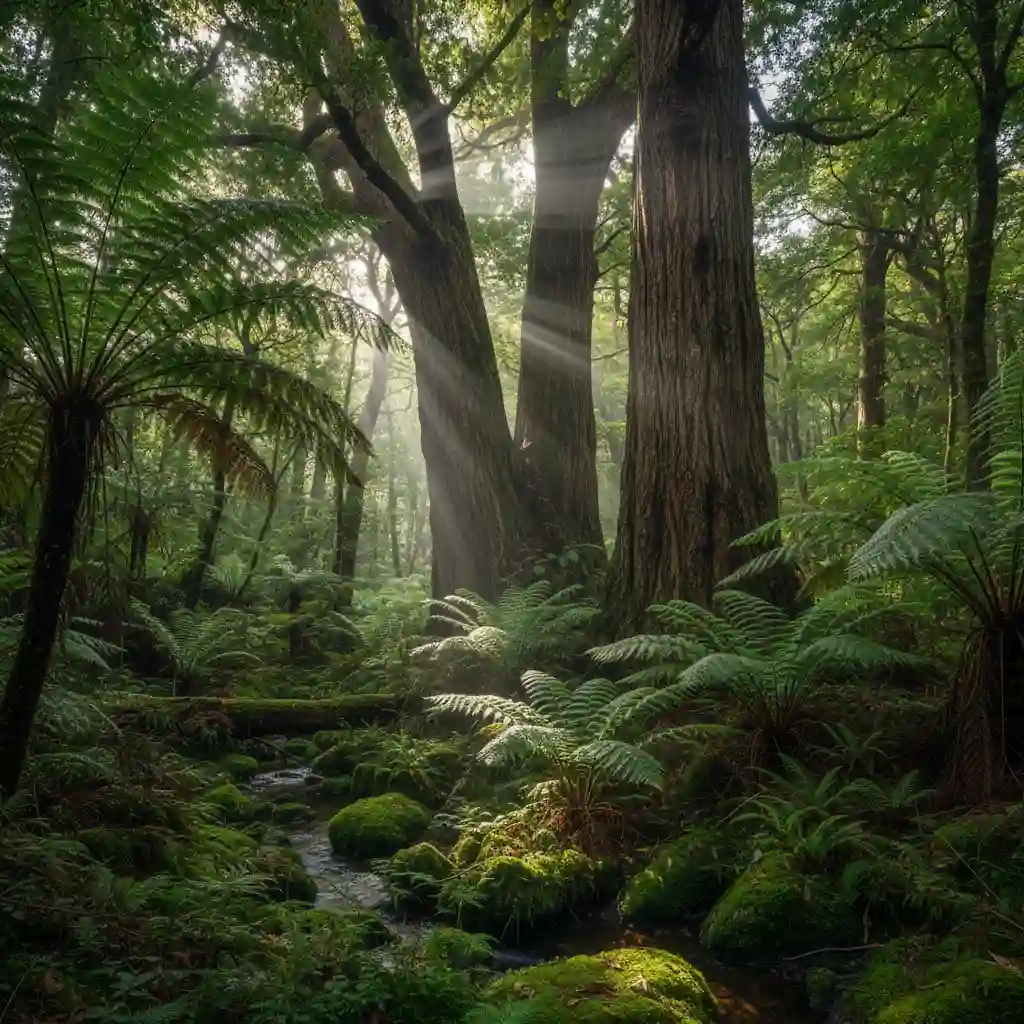
Rongoā Māori training is the comprehensive educational process of learning traditional Māori healing systems, involving herbal medicine, physical therapies, and spiritual connection. It transitions through ancestral apprenticeship models and modern institutional courses, focusing on the preservation of mātauranga Māori while integrating with contemporary clinical standards to produce skilled practitioners and future Tohunga in a modern healthcare context.
The Foundations of Rongoā Māori Training
Training the next generation of Tohunga (experts/practitioners) is not merely a transfer of botanical knowledge; it is an immersion into a worldview where health is inseparable from the land, the ancestors, and the spiritual realm. Rongoā Māori training begins with the fundamental understanding of Wairuatanga (spirituality). Without this spiritual anchor, the physical application of rongoā rākau (plant remedies) or mirimiri (physical therapy) is considered incomplete. The process involves learning to perceive the mauri (life force) within the environment and the patient.
Students of rongoā must first undergo a period of personal alignment. This involves understanding their own whakapapa (genealogy) and their connection to the atua (deities) such as Tāne Mahuta, the guardian of the forest. The training curriculum is deeply rooted in the Maramataka (Māori lunar calendar), which dictates the optimal times for harvesting specific plants, performing certain rituals, and initiating healing sessions. By aligning training with these natural cycles, the ākonga (student) learns that healing is a collaborative effort between the practitioner, the patient, and the natural world.
Holistic Health Frameworks
Central to rongoā Māori training are frameworks such as Te Whare Tapa Whā, which visualizes health as a four-walled house: taha tinana (physical health), taha wairua (spiritual health), taha hinengaro (mental and emotional health), and taha whānau (family health). Ākonga are taught to diagnose imbalances across these four pillars rather than focusing solely on physical symptoms. This requires a high degree of emotional intelligence and cultural competency, as the root cause of an illness may lie in a spiritual transgression or a historical trauma within the whānau lineage.
Apprenticeship Models: Te Ara o te Tohunga
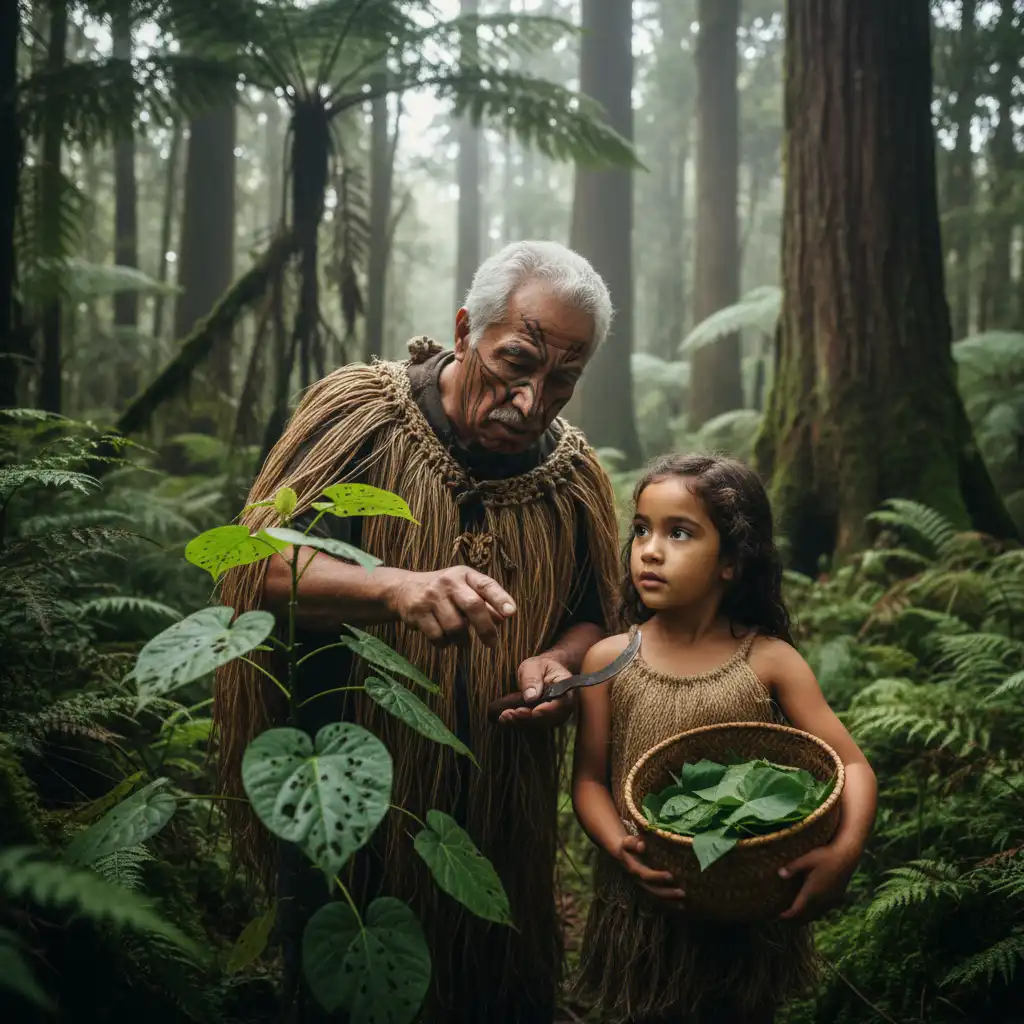
Historically, the path to becoming a Tohunga was exclusively through Te Ara o te Tohunga—the path of the expert. This apprenticeship model was highly selective. A Tohunga would identify a child or young adult who displayed the necessary temperament, sensitivity, and lineage to carry the mantle. This was not a public education system; it was a sacred transmission of knowledge (Kōrero tuku iho) that occurred within the intimacy of the whānau (family) or hapū (sub-tribe).
In these traditional settings, the ākonga would live alongside the Tohunga, observing their every move. They learned through mimesis and oral repetition. There were no textbooks or written notes. Instead, the student memorized the properties of hundreds of plants, the specific karakia (incantations) required for different ailments, and the subtle techniques of mirimiri and romiromi (deep tissue manipulation). This immersion ensured that the knowledge remained within the appropriate cultural context and was protected by the protocols of tapu (sacred restriction).
The Concept of Pakiaka and Aka
Training under a mentor involves understanding the ‘pakiaka’ (roots) and the ‘aka’ (vines). The roots represent the ancient, foundational knowledge that remains unchanged—the laws of nature and the spiritual protocols. The vines represent the adaptive applications of that knowledge in a changing world. A modern apprentice must learn how to apply ancient wisdom to contemporary issues such as stress, diabetes, and mental health crises, all while maintaining a firm grip on the traditional pakiaka. This dual focus is a hallmark of high-level rongoā Māori training today.
Institutional Learning and Wānanga Pathways
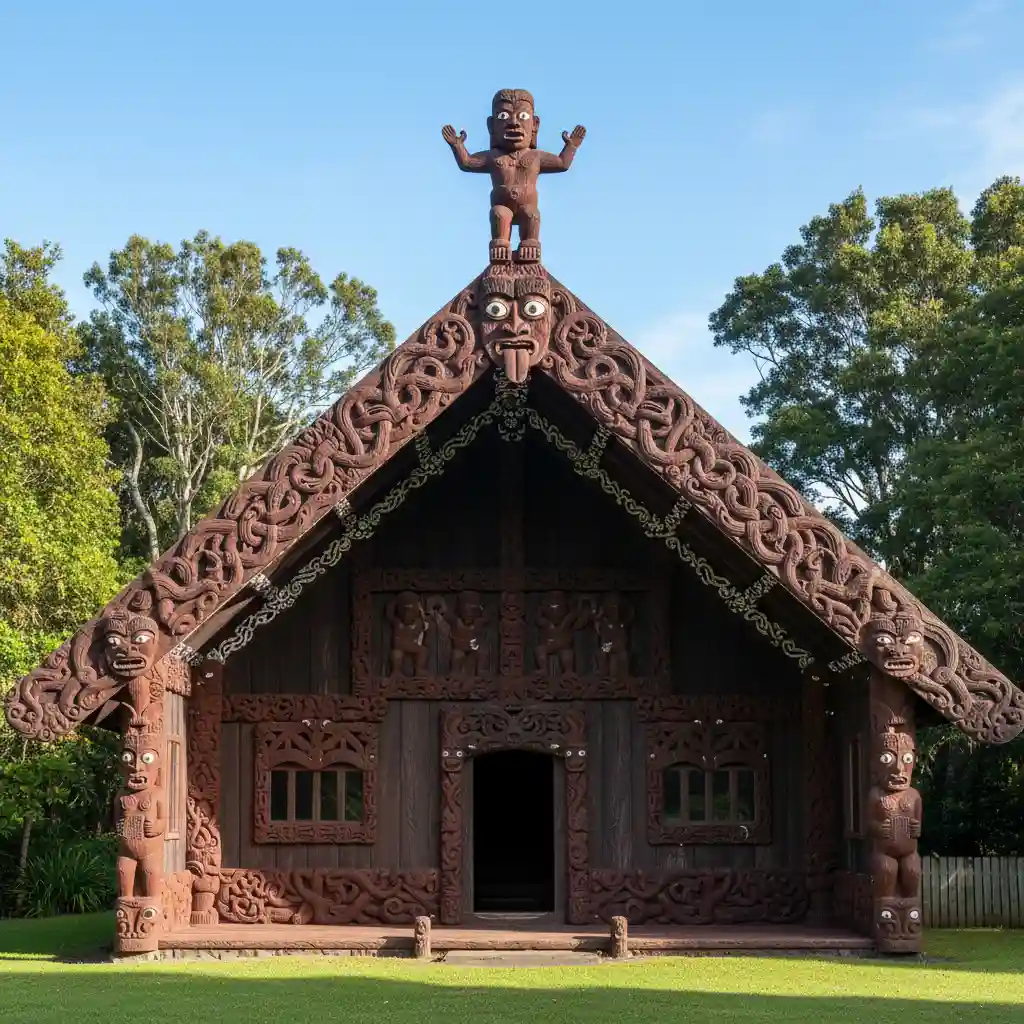
In the late 20th and early 21st centuries, the demand for rongoā Māori grew beyond what traditional apprenticeship models could sustain. This led to the development of institutional learning pathways, primarily through Te Wānanga o Aotearoa and Te Wānanga o Raukawa. These institutions offer NZQA-accredited certificates and diplomas in Rongoā Māori, making the knowledge accessible to a wider demographic, including those who may have been disconnected from their tribal roots.
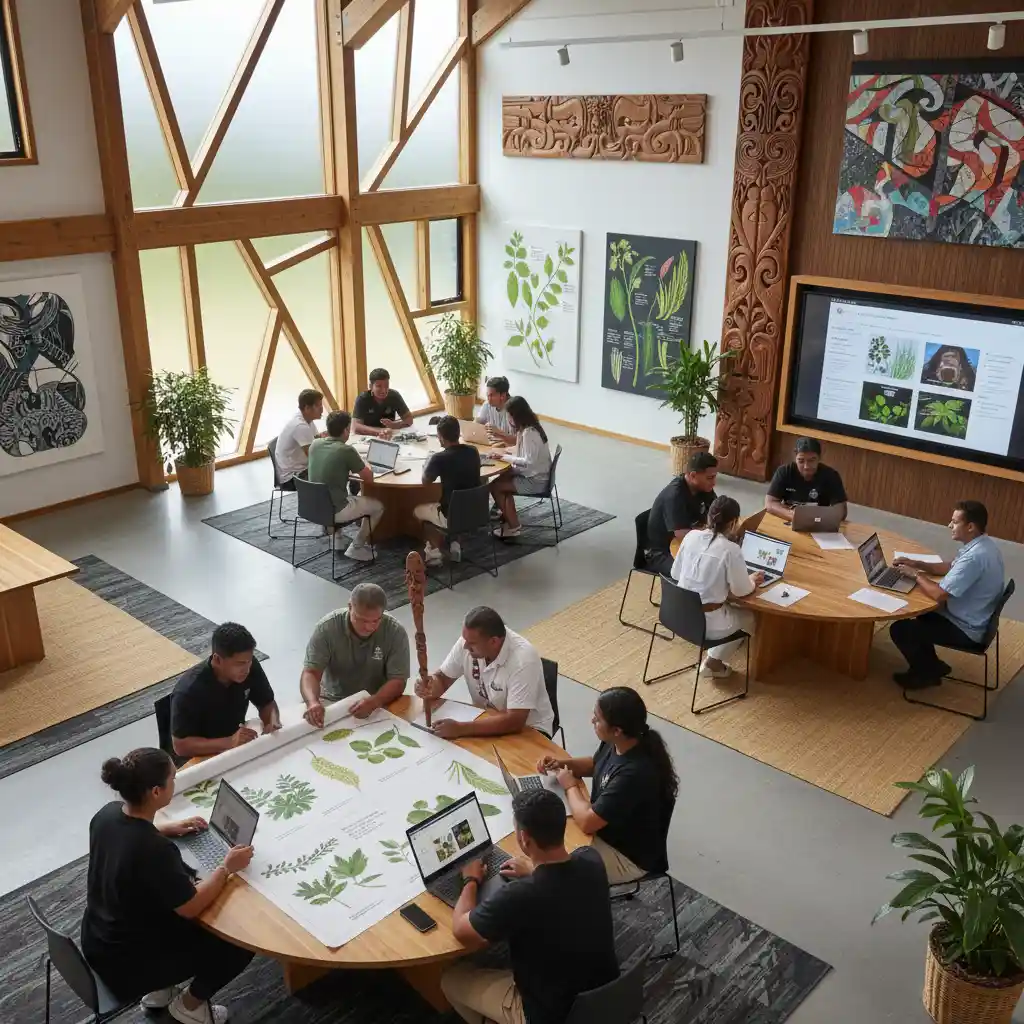
Institutional rongoā Māori training provides a structured environment where students can learn botany, Māori history, and the practical application of remedies. It allows for a standardized baseline of safety and ethics, which is crucial for practitioners working in public health settings. However, the transition from forest to classroom is not without tension. Educators must work hard to ensure that the ‘wairua’ of the practice is not lost in the move toward academic rubrics and assessment criteria.
The Modern Curriculum
A typical diploma-level rongoā Māori training program includes modules on plant identification (rongoā rākau), the history of Māori health, the impact of the Tohunga Suppression Act 1907, and the legalities of traditional medicine in New Zealand. Students also spend significant time in ‘noho’ (residential stays) on marae, where they practice communal living and service, which are essential components of the Māori healing philosophy. This blend of academic study and cultural immersion seeks to bridge the gap between traditional wisdom and modern educational requirements.
Oratory Tradition vs. Documentation
One of the most significant debates in rongoā Māori training is the shift from oratory tradition to documentation. Traditionally, Māori knowledge was exclusively oral. This was a deliberate choice to ensure that information was shared only with those who had proven their integrity and readiness. Written documentation was often viewed with suspicion, as it allowed sacred knowledge to be accessed by those without the necessary spiritual preparation or genealogical connection.
Today, documentation is a necessity for many. It assists in the preservation of knowledge that might otherwise be lost as the older generation of Tohunga passes away. It also provides a paper trail for clinical safety and research. Yet, the core of rongoā Māori—the nuance of the voice in a karakia, the specific feel of a plant leaf, the intuitive ‘knowing’ during a massage—cannot be fully captured on a page. Therefore, training programs often emphasize that while books are a tool, the real learning happens in the field and through the breath of the teacher.
Kaitiakitanga of Intellectual Property
Training also includes a heavy focus on Kaitiakitanga (guardianship). Ākonga are taught that they are not ‘owners’ of the knowledge but guardians. This is particularly relevant in the age of bioprospecting and the commercialization of indigenous medicine. Training involves understanding the Waitangi Tribunal’s findings (such as the WAI 262 claim) regarding Māori intellectual and cultural property. Future practitioners must be equipped to protect the integrity of rongoā from exploitation while still being able to serve their communities.
Clinical Integration and Holistic Lifestyles
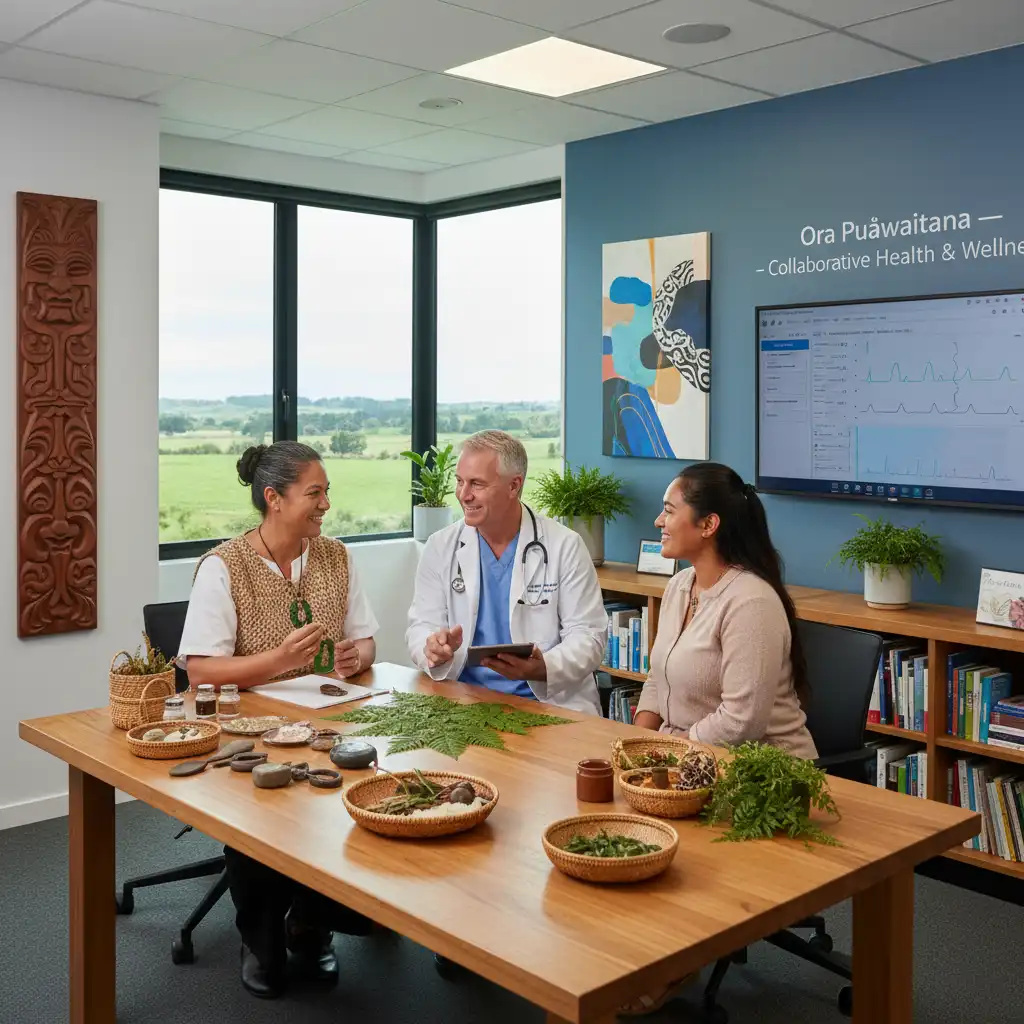
As the healthcare landscape in New Zealand evolves toward a more integrated model, rongoā Māori training is increasingly focusing on clinical integration. This involves teaching practitioners how to work alongside GPs, nurses, and physical therapists. The goal is not for rongoā to replace Western medicine, but to complement it, offering a holistic layer that Western models often lack.
For a trainee, this means learning how to communicate their findings in a way that is understood by clinical staff while not compromising their cultural framework. It also involves strict training in hygiene, contraindications between herbal remedies and pharmaceutical drugs, and the ethical boundaries of the patient-practitioner relationship. This clinical rigor ensures that rongoā is viewed as a credible and safe option within the wider health system.
Rongoā as a Lifestyle
Modern training emphasizes that rongoā is a lifestyle, not just a clinical intervention. Students are encouraged to cultivate their own rongoā gardens, practice mindfulness through karakia, and maintain their own health through traditional Māori diets. This ‘living’ of the knowledge is what allows a practitioner to speak from a place of authenticity. In this context, training is a lifelong journey of self-refinement and community service.
Certification and Credentialing Challenges
The path toward a formalized certification for Tohunga is fraught with challenges. Unlike Western medical professions, which are governed by statutory bodies under the Health Practitioners Competence Assurance Act, Rongoā Māori has traditionally been self-regulated by the communities it serves. The introduction of government-mandated certification risks imposing a Western hierarchy on a system that values spiritual and communal validation over academic degrees.
To address this, organizations like Te Kāhui Rongoā (the national rongoā governance body) work to establish standards that are culturally appropriate. They focus on ‘mana’ (prestige/authority) and ‘tika’ (correctness) as the metrics of success. For the trainee, this means their ‘certification’ often comes from their peers and their patients as much as from an educational institution. Navigating these two worlds—the bureaucratic and the traditional—is a key part of modern rongoā Māori training.
Standardization vs. Tribal Diversity
Another challenge is the incredible diversity of rongoā practices across different iwi (tribes). A remedy used by Ngāpuhi in the north may differ significantly from one used by Ngāi Tahu in the south. Institutional training must balance the need for a standardized curriculum with the necessity of respecting these tribal variations. Trainees are often encouraged to return to their own tribal lands to learn the specific nuances of their own ancestors’ practices, ensuring that rongoā remains a living, localized tradition.
Sustaining the Lineage: The Future of Tohunga
The future of rongoā Māori training lies in a hybrid model that honors both the sacredness of the past and the realities of the present. As we see a resurgence in Māori identity and a growing global interest in indigenous wisdom, the role of the Tohunga is more vital than ever. The next generation must be masters of the forest, experts in human anatomy, spiritual conduits, and navigators of the modern medical system.
By investing in robust rongoā Māori training, New Zealand ensures the survival of a unique medical system that offers profound benefits for all. Whether through the quiet whispers of an elder in the bush or the structured lectures of a Wānanga, the transmission of this knowledge continues to flow like the sacred waters of a mountain stream, nourishing the health and wellbeing of generations to come.
People Also Ask
What is the traditional path to becoming a Tohunga?
The traditional path, known as Te Ara o te Tohunga, involves a lifelong apprenticeship under an established expert. It focuses on the oral transmission of knowledge, spiritual discipline, and the mastery of rongoā rākau, mirimiri, and karakia within a whānau or hapū context.
Are there recognized certifications for rongoa maori training in NZ?
Yes, institutions like Te Wānanga o Aotearoa and Te Wānanga o Raukawa offer NZQA-accredited certificates and diplomas. Additionally, Te Kāhui Rongoā provides a framework for practitioner registration and quality assurance based on cultural protocols.
How long does it take to complete rongoa maori training?
Institutional courses usually range from one to three years for certificates and diplomas. However, traditional training is often considered a lifelong journey that requires years of immersion before one is recognized as a Tohunga by their community.
Can non-Māori participate in rongoa maori training?
Many institutional courses are open to all who have a genuine interest and respect for the culture. However, some aspects of traditional tribal rongoā may remain restricted to whānau members to protect the sanctity and ownership of specific ancestral knowledge.
What are the key plants studied in rongoa maori training?
Commonly studied plants include Kawakawa (for blood and skin), Mānuka (for antiseptic properties), Harakeke (for digestive and topical use), and Kōwhai (for healing wounds). Training includes identification, spiritual harvesting protocols, and preparation methods.
How does wairuatanga (spirituality) factor into the training?
Wairuatanga is the foundation of all rongoā Māori training. It involves using karakia (prayer) to connect with the spiritual realm, ensuring the mauri (life force) of the plants and the practitioner is aligned to facilitate true healing of the patient’s soul and body.