
Wairuatanga in wellness represents the essential spiritual dimension of Māori health, emphasizing that the human spirit (wairua) is inseparable from physical and mental well-being. By fostering a deep connection to ancestors, the natural world, and the divine, wairuatanga provides a foundational framework for achieving balance and holistic vitality within the Rongoā Māori tradition.
Understanding Wairuatanga in Modern Wellness
In the contemporary landscape of health and wellness, there is an increasing recognition that biological models alone are insufficient to address the complexities of human suffering. Wairuatanga, a cornerstone of Te Ao Māori (the Māori worldview), offers a profound alternative. It is not merely “spirituality” in a generic sense but a specific, culturally rooted understanding of the lifeforce that connects all things. When we discuss wairuatanga in wellness, we are acknowledging that a person’s health is inextricably linked to their environment, their lineage (whakapapa), and their spiritual state.
For the practitioner of Rongoā Māori, the wairua is the most essential requirement for health. If the wairua is neglected, the physical body (tinana) and the mind (hinengaro) will inevitably suffer. This holistic perspective challenges the Western medical paradigm of reductionism, where symptoms are treated in isolation. Instead, wairuatanga demands that we look at the unseen forces—the energies that flow between individuals and the cosmos.

Healing the Spirit First: The Foundational Pillar
The renowned health model Te Whare Tapa Whā, developed by Sir Mason Durie, identifies Taha Wairua (the spiritual side) as the most vital of the four pillars of health. The metaphor of the wharenui (meeting house) suggests that if the spiritual pillar is weak, the entire structure is prone to collapse. Healing the spirit first is not a secondary consideration; it is the prerequisite for any lasting physical recovery.
The Primacy of the Wairua
In clinical integration, this means that before a practitioner prescribes herbs or performs physical manipulation (mirimiri), they must first assess the spiritual state of the patient. This involves understanding the patient’s sense of belonging and their connection to their whenua (land). A person who is disconnected from their roots often experiences a “spiritual hunger” or a thinning of the wairua, which leaves them vulnerable to illness. By prioritizing spiritual restoration, we build a resilient foundation upon which other forms of medicine can act more effectively.
Whakapapa as a Healing Tool
Whakapapa, or genealogy, is a powerful tool in wairuatanga. It is the bridge that connects the living to their ancestors (tīpuna). In a wellness context, acknowledging one’s ancestors provides a sense of continuity and protection. It allows the individual to draw strength from those who came before. When a patient understands that they are the “living face” of their ancestors, their self-worth increases, and their wairua is strengthened.
Spiritual Blockages and Physical Pain
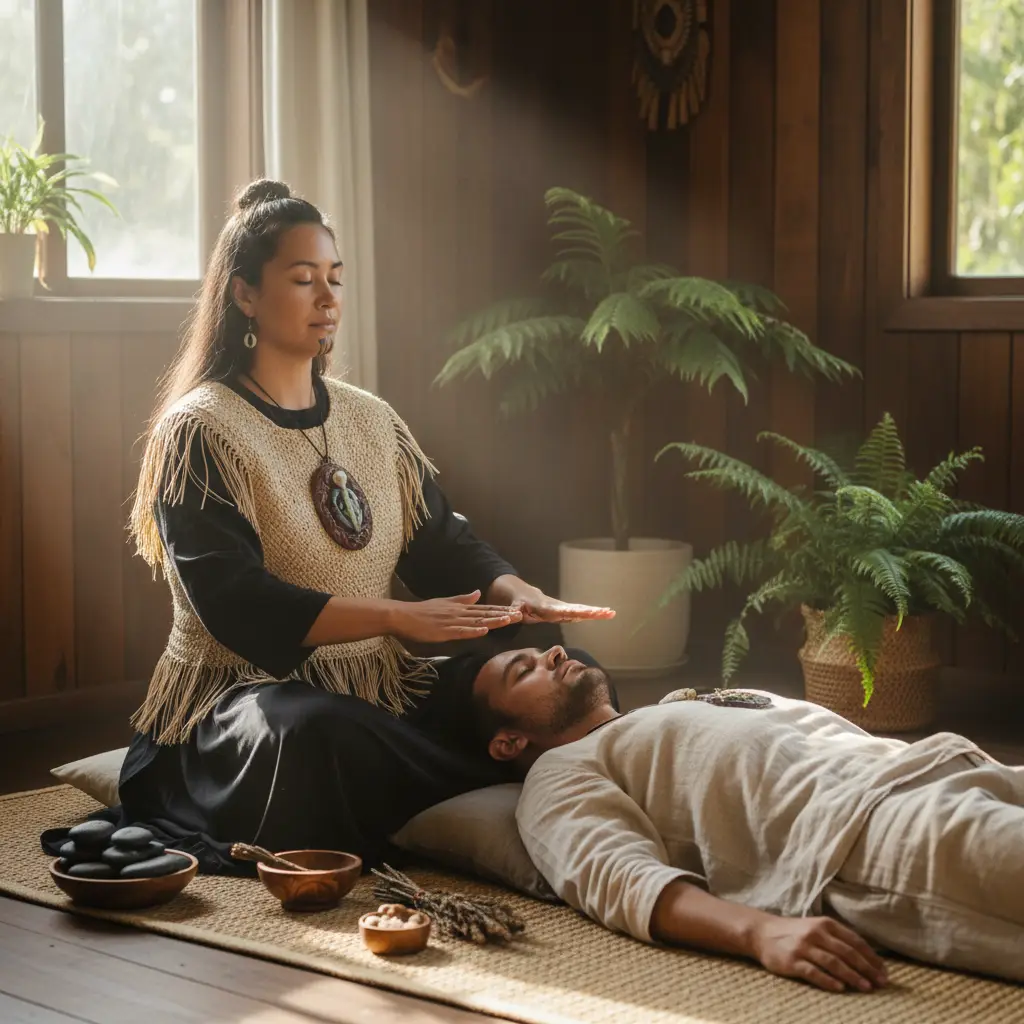
One of the most profound insights of Rongoā Māori is the understanding that physical pain (mamae) is often the manifestation of a spiritual blockage. These blockages can arise from unresolved trauma, historical grievances, or a breach of tapu (sacredness). When energy cannot flow freely through the wairua, it stagnates in the physical body, leading to chronic pain, inflammation, or autoimmune issues.
Identifying the Root Cause
Traditional healers (tohunga) look beyond the site of physical pain to find the spiritual disharmony. For instance, chronic lower back pain might be interpreted not just as a disc issue, but as a lack of support or a heavy burden being carried from the past. By addressing the spiritual blockage through dialogue, ritual, and energy work, the physical symptoms often resolve with surprising speed. This is the essence of “wairuatanga in wellness”: treating the cause, not just the symptom.
The Role of Emotional Release
Spiritual blockages are frequently tied to suppressed emotions. In the Māori world, the expression of grief (tangihanga) and anger is seen as a necessary process for clearing the wairua. Wellness practices that integrate wairuatanga encourage patients to voice their internal struggles, thereby releasing the “spiritual knots” that bind their physical health.
Energy Centers in Rongoā Māori
While often compared to the Vedic concept of chakras, Rongoā Māori has its own sophisticated understanding of the body’s energy centers. These centers are points where the mauri (lifeforce) and wairua interact most intensely with the physical frame. Understanding these centers is crucial for any clinical integration of Māori healing practices.
The Flow of Mauri
Mauri is the spark of life that animates all matter. In the human body, mauri flows through specific pathways. When these pathways are clear, the individual experiences high energy and mental clarity. Rongoā practitioners use mirimiri (massage) and romiromi (deep tissue stimulation) to ensure that the mauri is vibrant. These techniques target specific points on the body known to hold tension and spiritual weight, facilitating a total system reset.
The Heart and the Head
The connection between the head (the seat of knowledge and connection to the divine) and the heart (the seat of emotion and connection to others) is paramount. In wairuatanga, the alignment of these centers ensures that an individual’s actions are in harmony with their spiritual purpose. Disconnection between the two often manifests as anxiety or existential dread—conditions that are increasingly common in modern society but can be mitigated through targeted rongoā practices.
The Power of Karakia: Chanting and Intention
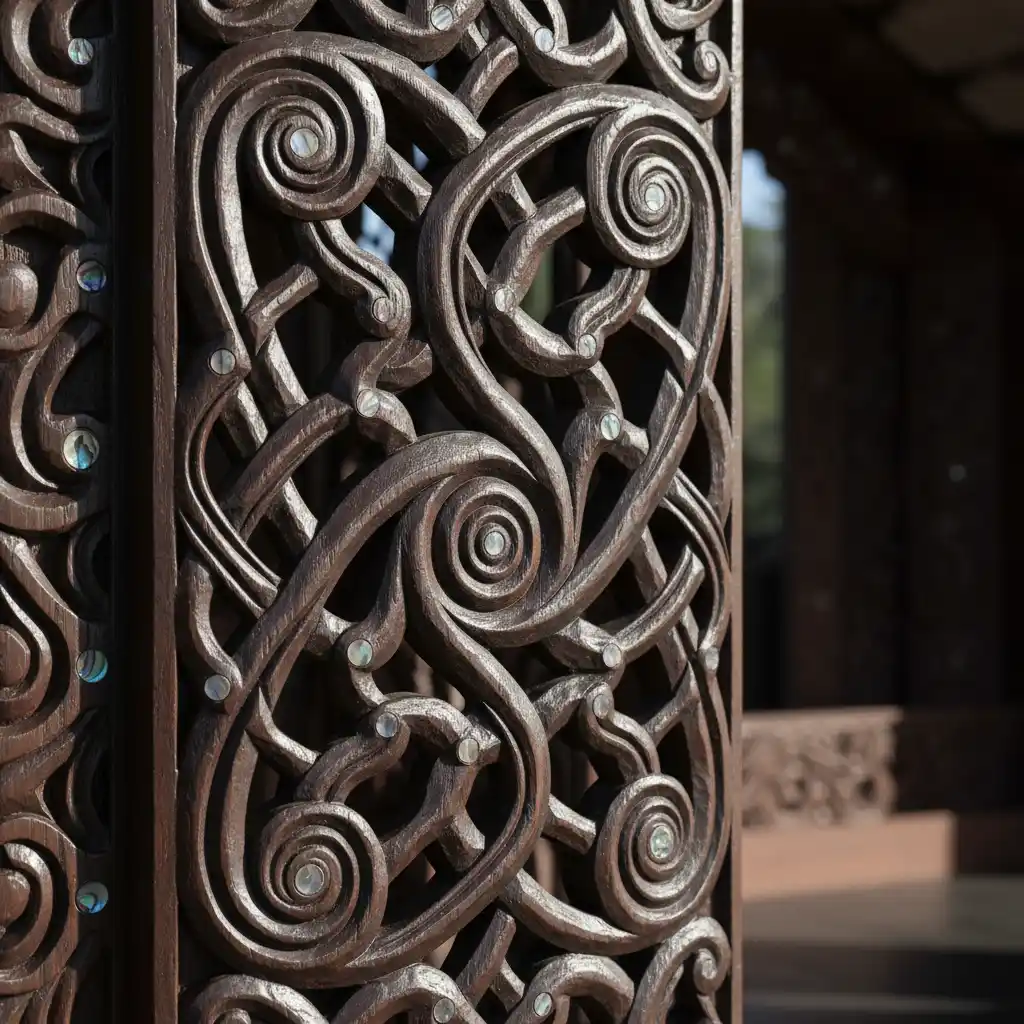
Karakia are often translated as “prayers” or “incantations,” but within the context of wairuatanga in wellness, they are much more. A karakia is a set of ritual chants that serve to align the vibrations of the individual with the vibrations of the natural world and the divine. It is a technology of the spirit used to clear space, set intentions, and invoke protection.
The Science of Sound and Vibration
From a modern wellness perspective, karakia can be understood as a form of sound therapy. The rhythmic nature of the chanting calms the nervous system, reduces cortisol levels, and brings the brain into an alpha state conducive to healing. When a practitioner uses karakia, they are literally changing the frequency of the room and the patient, making it easier for spiritual and physical healing to occur.
Intention as a Healing Force
The efficacy of karakia is also rooted in the power of intention. By vocalizing a specific outcome or calling upon specific ancestors, the practitioner and the patient co-create a healing environment. This focused intention acts as a catalyst for the wairua to begin its own self-repair process. It is a reminder that healing is an active, collaborative process between the healer, the patient, and the spiritual realm.
Integrating Wairuatanga into Clinical Practice
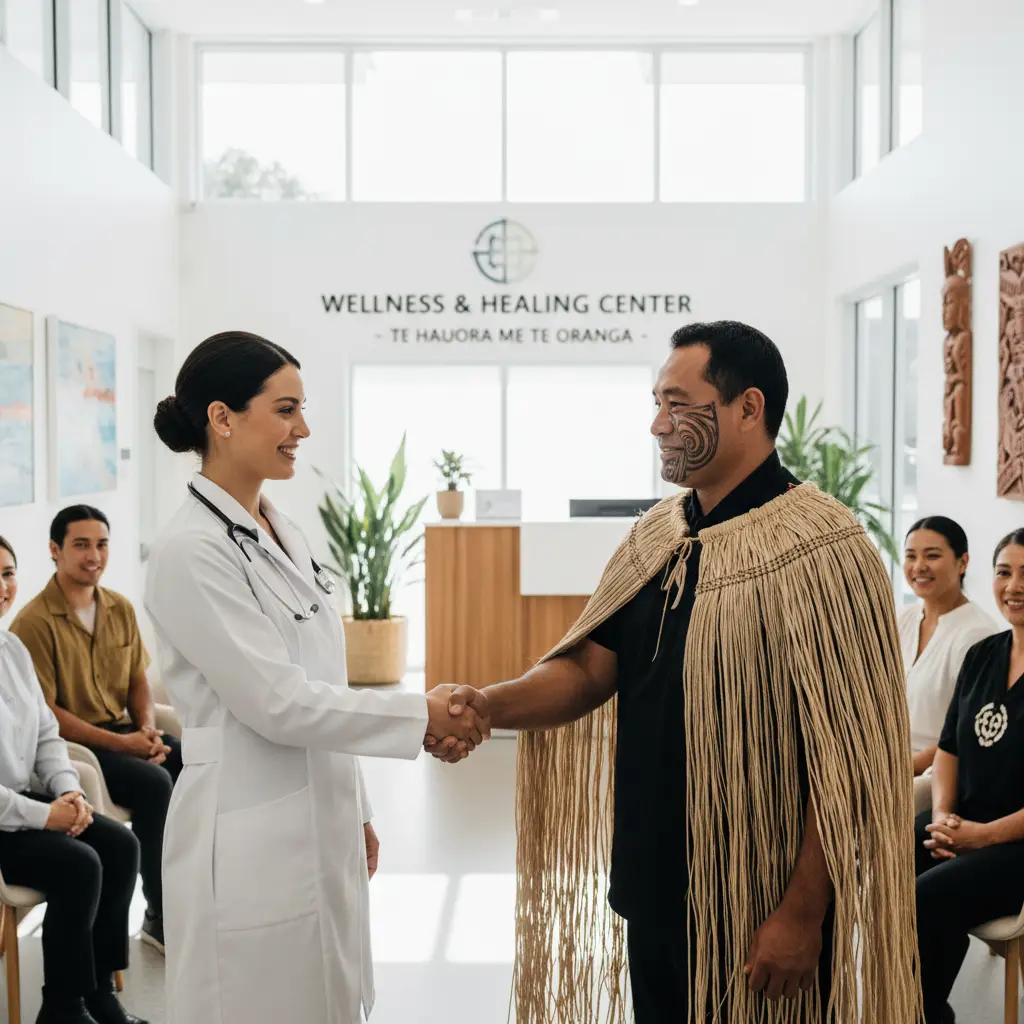
For clinical professionals—doctors, nurses, and therapists—integrating wairuatanga requires a shift in perspective. It involves moving from a “provider-centric” model to a “culturally-safe” model that respects the spiritual beliefs of the patient. This integration is not about the clinician becoming a tohunga, but about creating space for spiritual needs to be met.
Practical Steps for Clinicians
Clinicians can begin by asking simple, open-ended questions about a patient’s spiritual well-being. Asking “What gives you strength?” or “Is there a spiritual practice that is important to you?” can open the door to a more holistic treatment plan. Furthermore, allowing families to perform karakia in clinical settings or providing access to rongoā practitioners alongside conventional treatments can significantly improve patient outcomes.
The Future of Holistic Health
The integration of wairuatanga in wellness is part of a larger movement toward decolonizing healthcare. By valuing indigenous wisdom alongside scientific evidence, we create a more robust and compassionate healthcare system. When we treat the wairua, we are not just treating a person; we are healing a lineage and a community. This is the true power of rongoā Māori in the 21st century.
Case Studies in Spiritual Recovery
Evidence from community-led health initiatives in New Zealand shows that when Māori patients have access to wairua-centered care, engagement with health services increases. Patients report feeling “seen” and “heard” in a way that standard clinical encounters do not provide. This sense of cultural safety leads to better adherence to treatment and more positive long-term health outcomes, proving that wairuatanga is a vital clinical asset.
Conclusion
Wairuatanga in wellness is an invitation to view health through a wider lens. It reminds us that we are more than biological machines; we are spiritual beings with deep connections to the past, the present, and the future. By addressing spiritual blockages, utilizing the power of karakia, and understanding the energy centers of the body, we can achieve a state of holistic health that is both profound and sustainable. As we move forward, the marriage of traditional Māori wisdom and modern clinical practice offers a promising path toward true well-being for all.
People Also Ask
What is the meaning of wairuatanga in a health context?
In health, wairuatanga refers to the spiritual dimension of a person’s life, which is considered the most essential component of overall well-being. It involves a person’s connection to their ancestors, their land, and their sense of purpose.
How does Rongoā Māori differ from Western medicine?
Rongoā Māori is holistic, focusing on the spiritual, mental, and family aspects of health alongside the physical. Western medicine tends to be more reductionist, often focusing on treating specific physical symptoms or organs in isolation.
Can karakia actually help with physical healing?
Yes, from a holistic perspective, karakia helps by reducing stress, aligning the patient’s intentions, and creating a healing environment. It addresses the spiritual causes of illness, which in turn supports physical recovery.
What are ‘spiritual blockages’ in Māori healing?
Spiritual blockages are disruptions in the flow of a person’s wairua or mauri, often caused by trauma, grief, or cultural disconnection. These blockages can manifest as physical pain or mental distress.
How can I incorporate wairuatanga into my daily life?
You can incorporate wairuatanga by spending time in nature, practicing mindfulness or karakia, connecting with your family history, and ensuring your actions align with your core spiritual values.
Is wairuatanga only for people of Māori descent?
While wairuatanga is a Māori concept, the principles of spiritual connection, environmental harmony, and holistic health can be applied to and benefit people of all cultural backgrounds.