
Cultural safety in Māori health refers to a practitioner’s ongoing reflection on their own cultural identity and its impact on clinical practice. It prioritizes the patient’s experience of feeling safe, respected, and empowered, particularly through the recognition of Māori data sovereignty and the integration of traditional Rongoā Māori practices like Mirimiri within clinical environments.
Māori Data Sovereignty and Governance
Māori data sovereignty is a fundamental pillar of cultural safety in contemporary healthcare. It is the inherent right of Māori to exercise authority over the collection, ownership, and application of data that pertains to their people, land, and resources. In a clinical setting, this extends far beyond standard privacy laws such as the Privacy Act 2020. It involves recognizing that data is a ‘taonga’ (treasure) and must be treated with the appropriate level of protection and respect. For clinics, this means implementing governance structures where Māori have a say in how their health information is utilized, ensuring that data is not used to perpetuate stereotypes or justify inequitable resource allocation.

The Principles of Te Mana Raraunga
The Te Mana Raraunga (Māori Data Sovereignty Network) provides a framework that clinics can adopt to ensure they are meeting their obligations. These principles focus on Rangatiratanga (Authority), Whakapapa (Relationships), and Kotahitanga (Collective Benefit). When a clinic collects information about a patient’s iwi (tribe) or hapū (sub-tribe), they are engaging with that patient’s whakapapa. This data is not just individual; it is collective. Therefore, clinical privacy policies must reflect a commitment to protecting the collective identity of the patient, ensuring that any research or secondary use of data is approved by Māori governance bodies.
Data Privacy vs. Data Sovereignty
While privacy focuses on the protection of individual identity and personal information, data sovereignty focuses on the control and use of that information. In the context of cultural safety maori health, a clinic may be compliant with privacy regulations but still fail at data sovereignty if they do not allow Māori oversight of the data lifecycle. Practitioners must understand that Māori patients may be hesitant to share certain aspects of their health history if they feel the information will be stored in a system that does not respect indigenous rights. Establishing trust requires transparency about where data is stored, who has access to it, and how it benefits the Māori community directly.
Creating Safe Spaces for Mirimiri
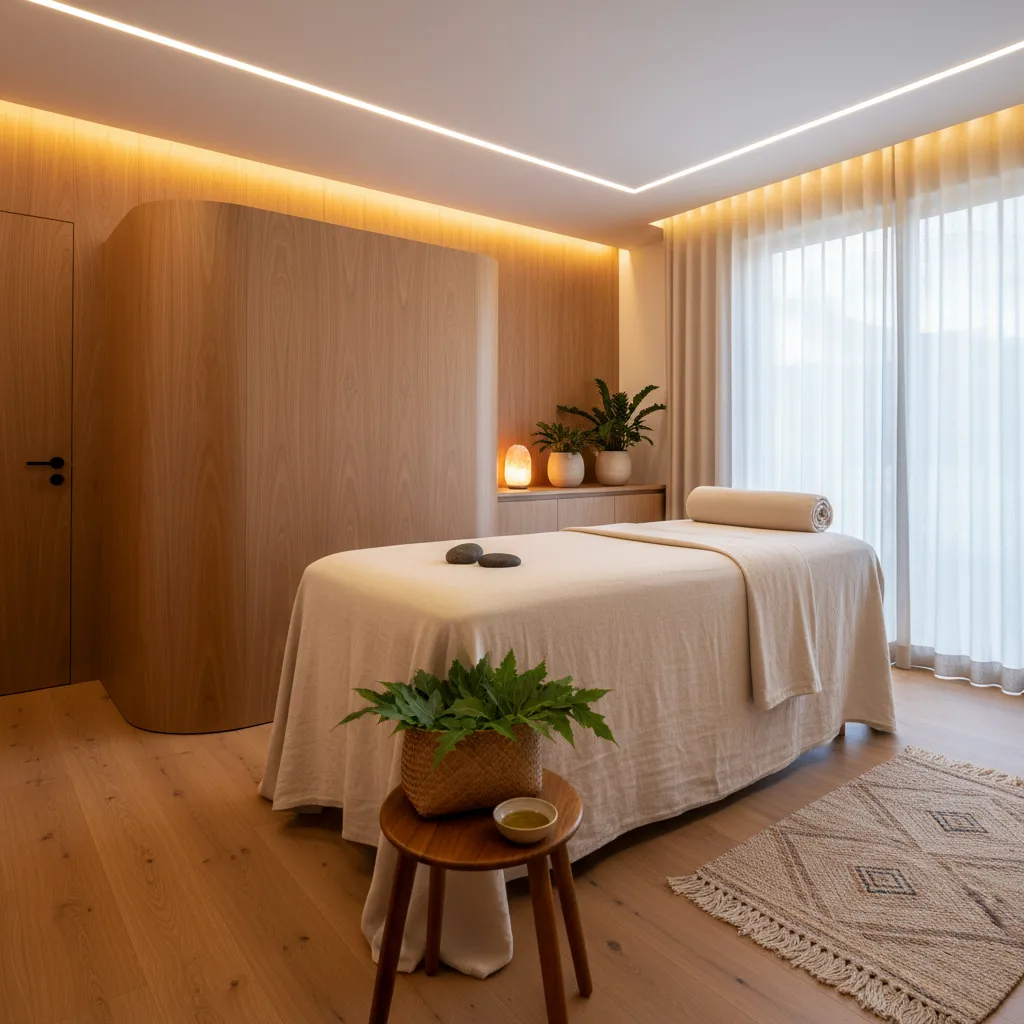
Mirimiri and Romiromi are traditional Māori healing modalities that involve physical touch, energy work, and the balancing of mauri (life force). Integrating these practices into a clinical setting requires a radical shift in how we perceive the clinical environment. Cultural safety in this context means moving away from sterile, impersonal examination rooms toward spaces that acknowledge the tapu (sacred) nature of the work being performed. Privacy for Mirimiri is not just about a closed door; it is about spiritual and emotional safety for both the practitioner and the patient.
Managing Tapu and Noa
In Māori worldviews, the concepts of tapu (sacred/restricted) and noa (ordinary/free from restriction) govern interactions. Mirimiri involves working with the body, which is considered tapu. Clinical spaces must be designed to respect these boundaries. For example, providing access to water for cleansing (whakanoa) after a session is a critical requirement. Furthermore, the physical layout should ensure that the head, which is the most tapu part of the body, is respected. Practitioners must also be aware that the presence of food (noa) near a healing space can be culturally insensitive. By addressing these nuances, clinics provide a level of cultural safety that standard medical environments often overlook.
Physical and Spiritual Privacy
Standard clinical privacy often focuses on visual and auditory barriers. While these are important for Mirimiri, spiritual privacy is equally vital. This includes allowing time for karakia (prayer) before and after treatments without interruption. It also involves ensuring that the practitioner has the space to clear the energy of the room between patients. When a clinic validates these requirements, it signals to Māori patients that their traditions are not just ‘permitted’ but are valued as legitimate forms of healthcare. This validation is a core component of cultural safety maori health, fostering an environment where patients feel they can bring their whole selves to the healing process.
Clinician Training and Cultural Competency
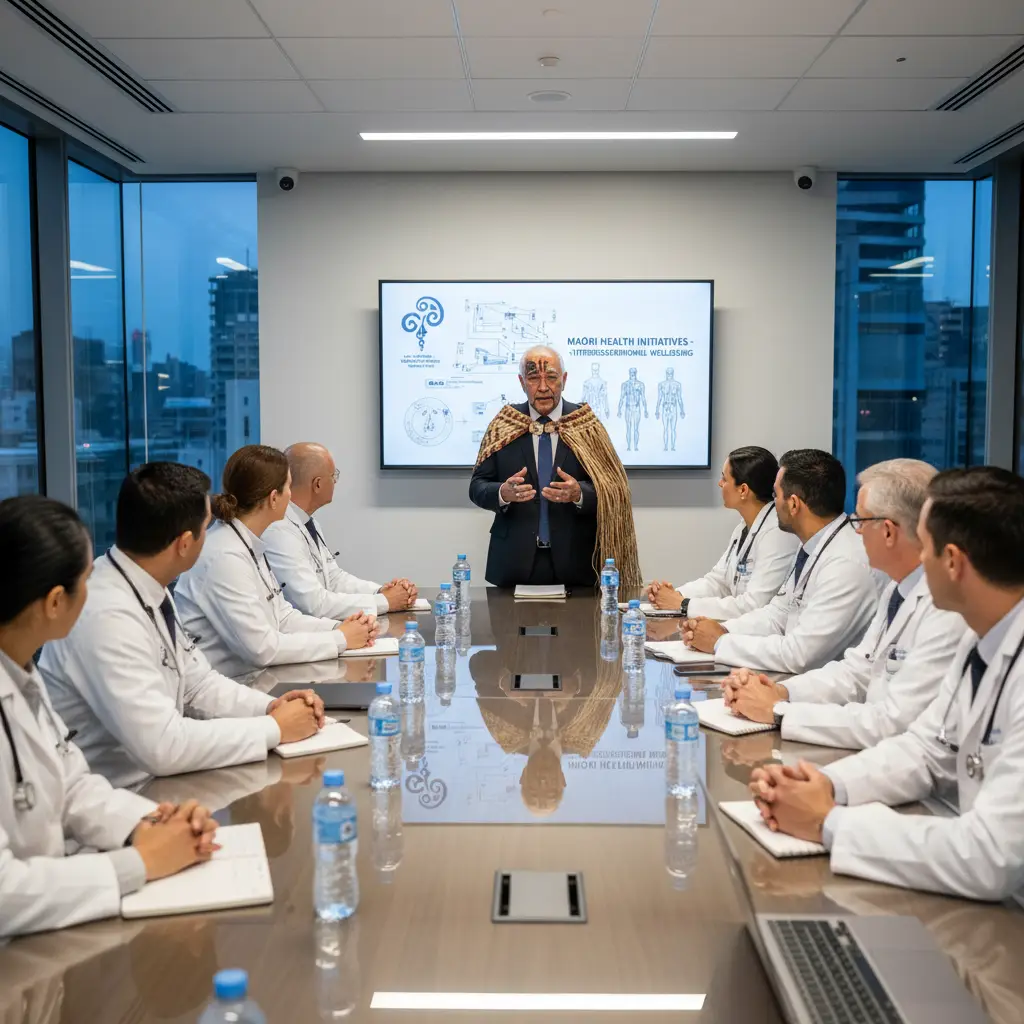
Achieving cultural safety requires more than a one-off workshop or a checklist of Māori terms. It demands a deep, ongoing commitment to clinician training and self-reflection. The goal is to move beyond ‘cultural competence’—which focuses on acquiring knowledge about ‘the other’—and toward ‘cultural safety,’ which focuses on the clinician’s own biases and the power imbalances inherent in the healthcare system. For clinicians working in integrated Rongoā Māori settings, this training must include a thorough understanding of Te Tiriti o Waitangi (The Treaty of Waitangi) and its application to health equity.
Addressing Historical Trauma
Clinicians must be educated on the history of Māori health, including the impact of the Tohunga Suppression Act of 1907. This legislation effectively criminalized traditional Māori healing for decades, leading to a loss of knowledge and a deep-seated mistrust of the colonial medical system. Understanding this historical context is essential for building rapport with Māori patients. Training should emphasize that cultural safety is defined by the patient; if the patient does not feel safe, the practitioner has not achieved cultural safety, regardless of their intentions.
Effective Communication and Whanaungatanga
A key aspect of training is mastering the art of whanaungatanga (relationship building). In Māori culture, establishing a personal connection before diving into clinical questions is non-negotiable. Clinicians should be trained to share a bit about their own background and to listen deeply to the patient’s story. This approach breaks down the clinical hierarchy and creates a partnership. Furthermore, clinicians must be taught how to navigate difficult conversations regarding privacy and data, ensuring they can explain complex legal concepts in a way that respects the patient’s mana (prestige and authority).
Respecting Oral Traditions in Documentation
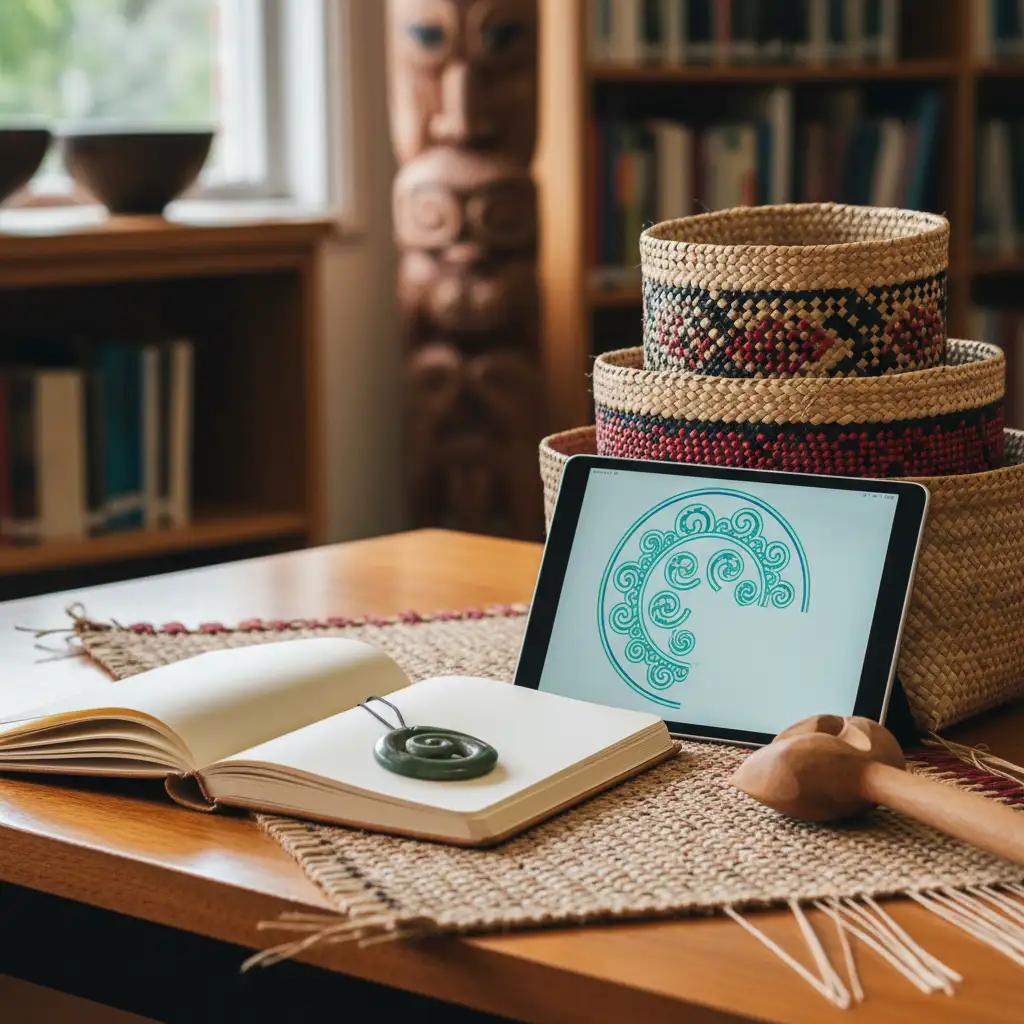
Māori culture is traditionally oral, with knowledge passed down through kōrero (speech), waiata (song), and pūrākau (stories). In a modern clinic, the requirement for extensive written documentation can clash with these oral traditions. Cultural safety involves finding a balance between meeting legal documentation standards and respecting the sacredness of oral knowledge. This is particularly relevant when documenting Rongoā Māori treatments, where the specific ‘recipe’ or method might be a family secret (whānau kōrero) not intended for a general medical file.
The Ethics of Knowledge Extraction
There is a risk in clinical settings of ‘extracting’ Māori knowledge for the benefit of the system without giving back to the community. When documenting traditional practices, clinicians should ask: ‘Is this information necessary for the patient’s care, or is it being collected for administrative convenience?’ Cultural safety requires clinicians to be guardians of the information shared with them. They must ensure that the nuances of a patient’s story are not lost when translated into medical jargon, and they must be prepared to omit certain details if the patient deems them too tapu for a digital record.
Collaborative Note-Taking
One way to respect oral traditions is through collaborative note-taking. Instead of the clinician typing away while the patient speaks, the process should be a dialogue. Reviewing the notes with the patient at the end of the session ensures that their voice is accurately represented. This practice also empowers the patient to decide what parts of their kōrero are formalized in the record. In integrated clinics, where a Rongoā practitioner and a GP might both be seeing a patient, clear protocols must be in place regarding what information is shared between them, ensuring that the patient’s privacy remains the priority.
Implementation Strategies for Modern Clinics
For a clinic to truly embody cultural safety maori health, it must move from theory to practice. This involves structural changes to how the clinic operates. One effective strategy is the appointment of a Māori Health Liaison or a Kaiwhiriwhiri (navigator) who can bridge the gap between traditional practices and clinical requirements. This role is vital for ensuring that Māori protocols (tikanga) are followed daily and that patients have an advocate who understands their cultural needs.
Policy and Physical Environment Audit
Clinics should conduct regular audits of their physical environment and their written policies. Does the waiting room feel welcoming to whānau (families)? Are there bilingual signs? Is the privacy policy written in plain language that acknowledges Māori data sovereignty? These small changes contribute to an overall atmosphere of safety. Furthermore, clinics should establish a Māori Advisory Group to provide ongoing guidance on everything from facility design to data management protocols. This ensures that the clinic remains accountable to the community it serves.
Integrating Rongoā Māori Practitioners
The gold standard for cultural safety is the full integration of Rongoā Māori practitioners into the primary care team. This requires a shift in the funding model and a recognition of Rongoā as a legitimate healthcare service. When a clinic employs a Mirimiri practitioner, they must ensure that practitioner has the same level of support, professional development, and respect as the GP or the nurse. This integration sends a powerful message to the community that Māori health perspectives are central, not peripheral, to the clinic’s mission. By creating a truly bicultural environment, clinics can begin to address the systemic inequities that have long plagued Māori health outcomes.
Conclusion
Privacy and cultural safety in clinics are not merely administrative hurdles; they are the foundation of ethical healthcare for Māori. By embracing Māori data sovereignty, creating dedicated spaces for Mirimiri, investing in deep clinician training, and respecting oral traditions, healthcare providers can create a system that truly honors Te Tiriti o Waitangi. This holistic approach ensures that Māori patients feel seen, heard, and respected, leading to better engagement and improved health outcomes for whānau across Aotearoa. As we move forward, the integration of Rongoā Māori into clinical settings must be led by Māori voices, ensuring that cultural safety remains a lived reality rather than just a theoretical goal.
Frequently Asked Questions
What is the difference between cultural competence and cultural safety?
Cultural competence focuses on the healthcare provider’s knowledge of other cultures, whereas cultural safety focuses on the patient’s experience and the provider’s self-reflection on power imbalances. Cultural safety is determined by the patient, not the practitioner.
Why is Māori data sovereignty important in a clinic?
It ensures that Māori have authority over their own health data, recognizing it as a taonga. This protects against the misuse of information and ensures that data collection benefits Māori communities and supports health equity.
How can a clinic make a space safe for Mirimiri?
A safe space for Mirimiri includes physical privacy, a quiet environment for karakia, access to water for cleansing rituals, and an understanding of tapu and noa, ensuring the environment is spiritually and culturally appropriate.
What role does Te Tiriti o Waitangi play in healthcare privacy?
Te Tiriti o Waitangi mandates a partnership between the Crown and Māori. In healthcare, this means ensuring Māori have a say in how their information is handled and that privacy policies reflect Māori values and rights to self-determination.
How should clinicians document traditional Rongoā Māori treatments?
Clinicians should use a collaborative approach, asking patients what information they are comfortable having recorded. Documentation should be relevant to clinical care while respecting that some traditional knowledge is sacred and may not be for public or general records.
What are the benefits of integrating Rongoā Māori into clinical settings?
Integration provides a holistic approach to health that recognizes Māori worldviews, improves patient trust, increases engagement with healthcare services, and helps address the long-standing health disparities faced by Māori.