
A GP referral for Rongoā Māori facilitates a formal clinical pathway where medical professionals direct patients toward traditional Māori healing. This collaborative model, often funded via ACC or Te Whatu Ora, integrates indigenous knowledge with primary care to provide holistic treatment addressing physical, spiritual, and psychological health within a culturally safe framework.
The Landscape of Integrated Healthcare
The integration of Rongoā Māori into the primary healthcare framework of Aotearoa New Zealand marks a transformative era in medical practice. Traditionally, Western clinical models and indigenous healing systems operated in parallel, often with little intersection. However, the modern shift toward health equity and the realization of Te Tiriti o Waitangi principles have paved the way for a more unified approach. A GP referral for Rongoā Māori is no longer a peripheral suggestion but a recognized clinical pathway that acknowledges the holistic needs of the patient, specifically through the lens of Te Whare Tapa Whā.
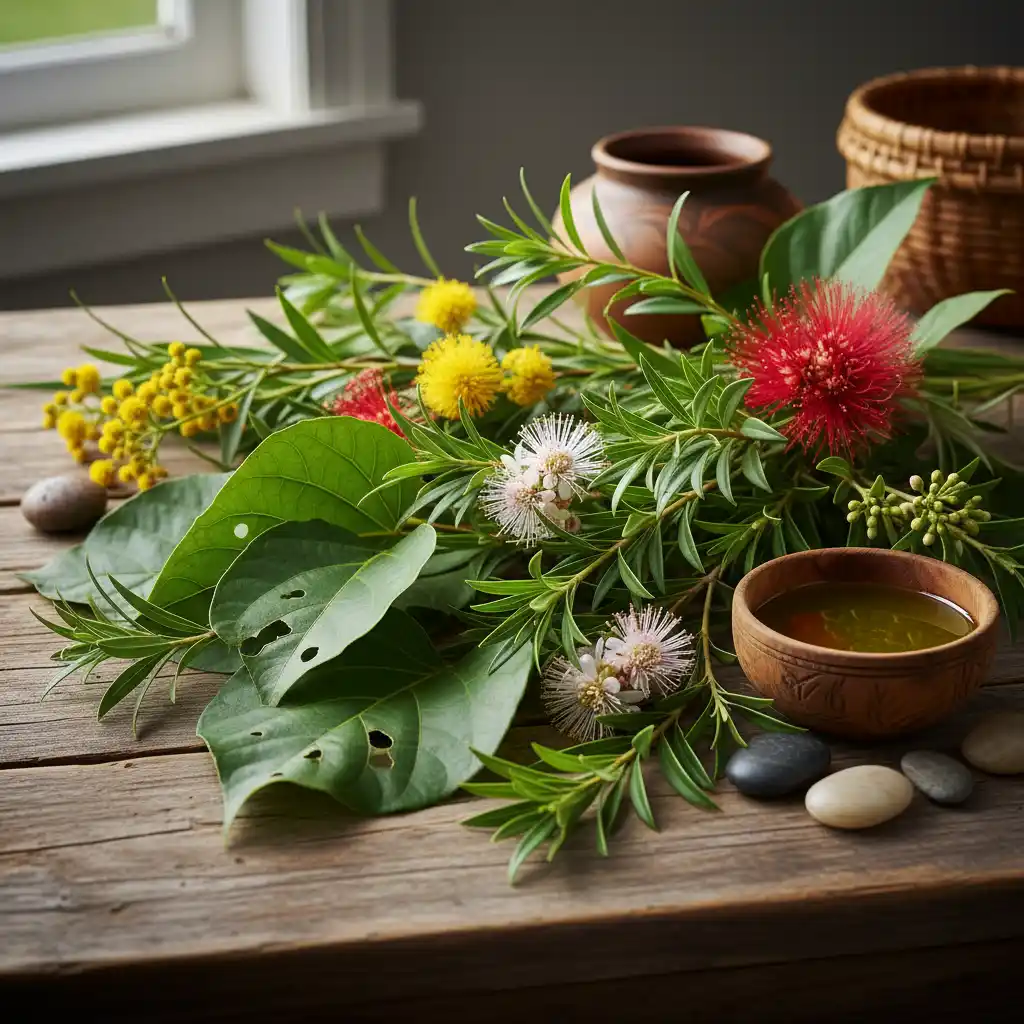
Rongoā Māori encompasses a wide range of healing modalities, including Rākau Rongoā (herbal medicine), Mirimiri and Romiromi (bodywork/massage), and Whitiwhiti Kōrero (pastoral care or counseling). When a GP initiates a referral, they are validating a patient’s cultural identity as a determinant of health. This recognition is vital in addressing the long-standing disparities in health outcomes for Māori, as it provides a pathway that is often more accessible and culturally resonant than standard secondary care options.
The Holistic Philosophy of Rongoā
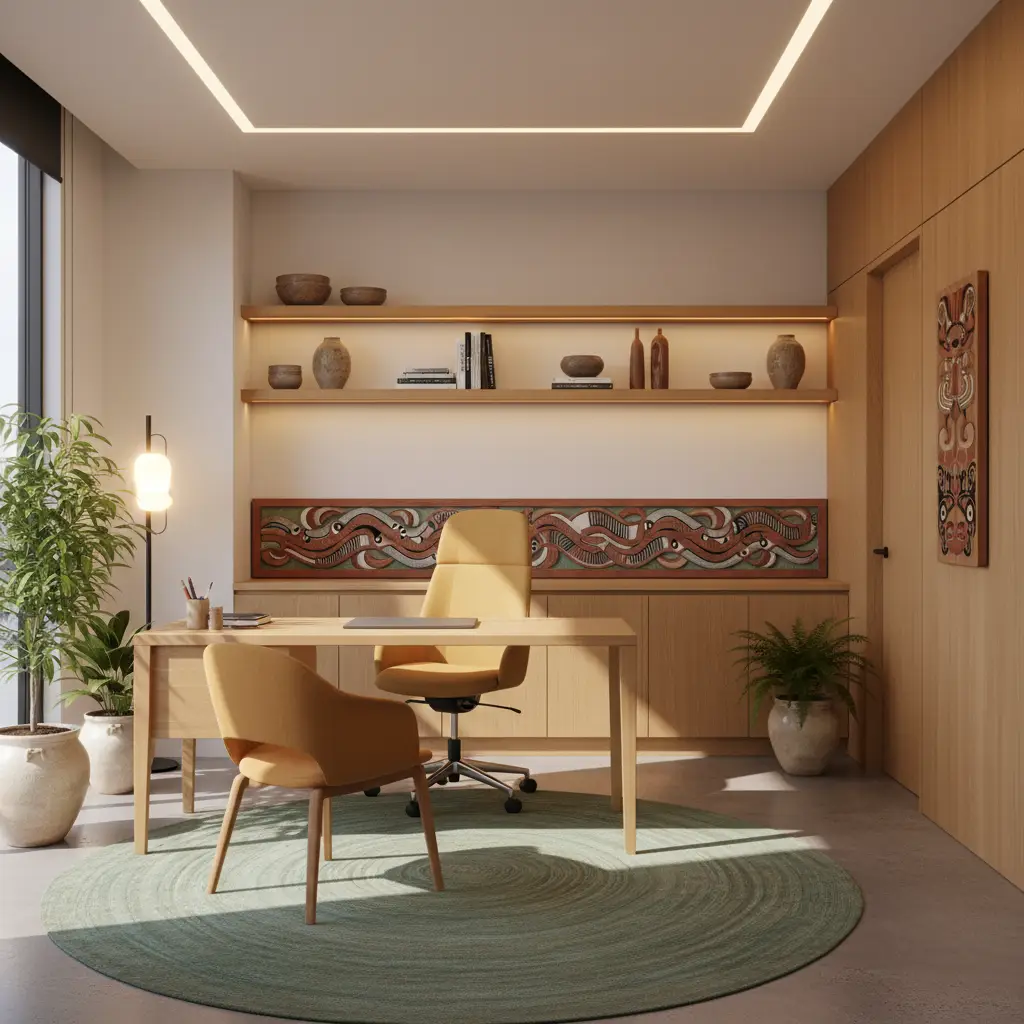
At the heart of any GP referral for Rongoā Māori is the understanding that health is not merely the absence of disease. It is the balance of Taha Tinana (physical health), Taha Wairua (spiritual health), Taha Hinengaro (mental and emotional health), and Taha Whānau (family health). GPs who engage in this referral process often find that patients experience a deeper sense of engagement with their own recovery. The practitioner’s role is to facilitate the body’s innate healing capacity through Tikanga-led practices, creating a space where the patient feels empowered and understood.
The Referral Process: From GP to Practitioner
The process of initiating a GP referral for Rongoā Māori requires a clear understanding of both clinical necessity and patient preference. For many GPs, this begins with a standard consultation where the patient expresses an interest in traditional healing or where the GP identifies that traditional methods may complement existing treatments for chronic pain, mental health challenges, or recovery from trauma.
Initiating the Consultation
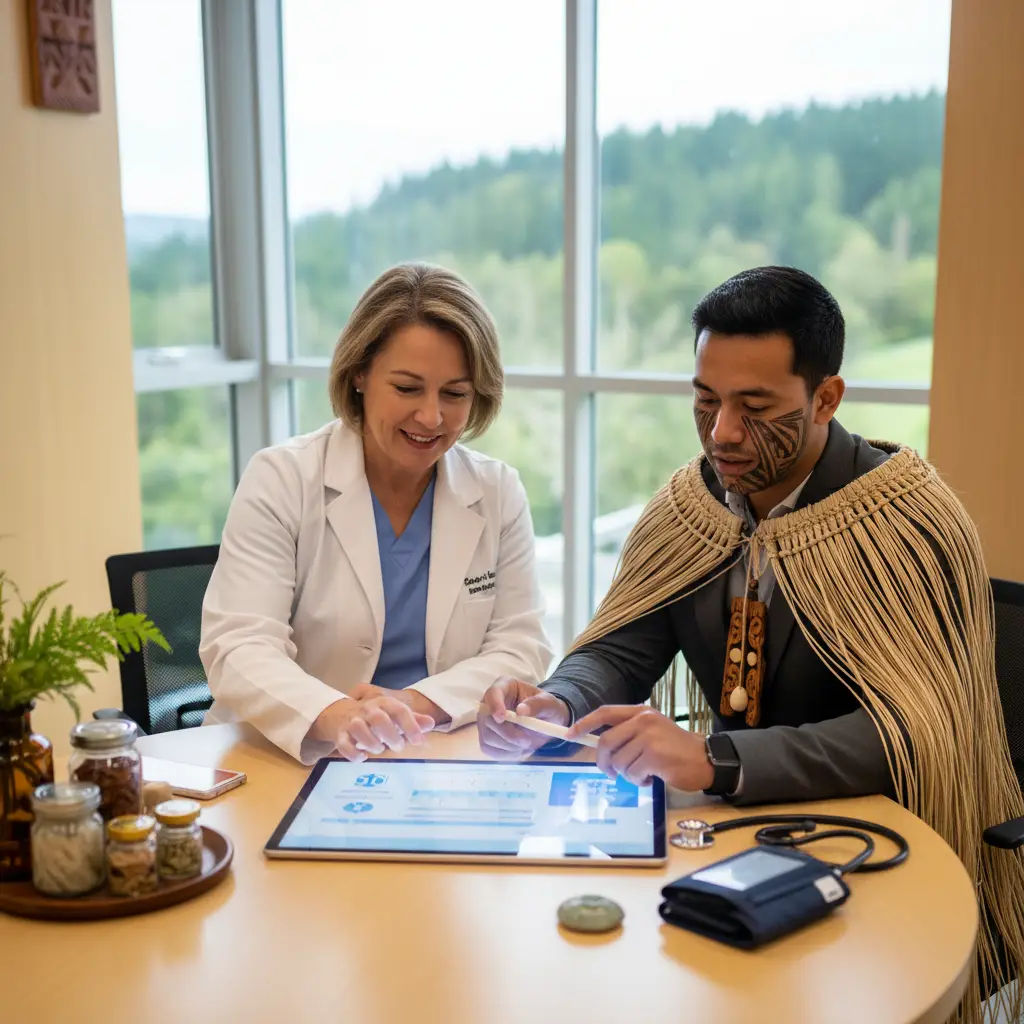
During the consultation, the GP must document the clinical rationale for the referral. This includes noting the symptoms, the history of the condition, and why Rongoā Māori is considered an appropriate intervention. The GP does not need to be an expert in Rongoā but should have a basic understanding of its benefits. The referral is then sent to a registered Rongoā practitioner or a Kaupapa Māori health provider. It is essential that the practitioner is recognized by the relevant funding bodies, such as ACC or Te Whatu Ora, to ensure that the patient can access funded sessions.
The Role of Patient Choice
Central to the referral process is patient autonomy. The GP should provide information on available practitioners, allowing the patient to choose someone they feel a cultural or personal connection with. This relationship, known as the therapeutic alliance, is particularly strong in Rongoā Māori due to the emphasis on Whanaungatanga (relationship building). Once a practitioner is selected, the GP provides a formal referral letter or completes the necessary digital forms required by the regional health authority.
ACC and Rongoā Coverage: A Policy Shift
Since 2020, the Accident Compensation Corporation (ACC) has formally recognized Rongoā Māori as a rehabilitation service. This was a landmark decision that significantly increased the volume of GP referrals for Rongoā Māori. Under this policy, if a patient has an accepted ACC claim for an injury, they can request Rongoā Māori as part of their rehabilitation plan. This is categorized under the Kaupapa Māori Health Services, specifically using the code RGM01 for practitioner services.
How ACC Funding Works
For a patient to receive ACC-funded Rongoā Māori, the following steps generally occur: First, the patient must have an active ACC claim number. The GP or the Rongoā practitioner can then apply for a purchase order. Unlike some other services, ACC does not require a formal medical referral from a GP for a patient to *start* Rongoā, but having a GP referral for Rongoā Māori strengthens the clinical justification and ensures the GP remains informed of the patient’s recovery journey. ACC pays the practitioner directly, removing financial barriers for the patient.
Coverage Boundaries
It is important to note that ACC coverage is strictly for injury-related recovery. This includes physical trauma, sensitive claims (sexual vibration), and mental health conditions resulting from an injury. For non-injury health issues, such as chronic illness or general wellness, funding may come from Te Whatu Ora or through primary health organizations (PHOs). GPs should be aware of these funding distinctions to guide their patients correctly through the administrative landscape.
Clinical Criteria and Eligibility for Referral
While Rongoā Māori is a universal healing system, specific criteria help GPs determine when a referral is most appropriate. Clinical eligibility is often broad because Rongoā treats the person rather than the isolated symptom. However, certain conditions have shown significant responsiveness to integrated care models.
Physical and Neurological Conditions
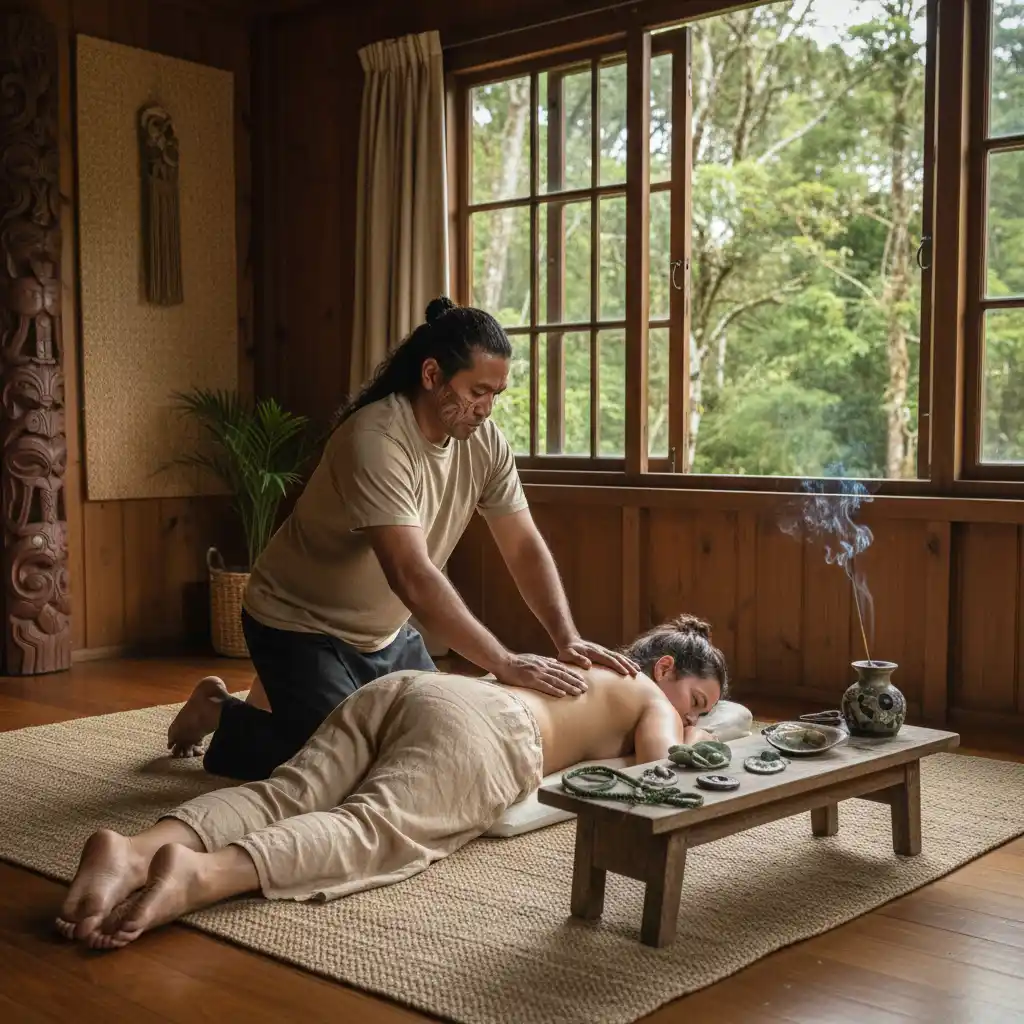
Patients suffering from chronic pain, musculoskeletal injuries, or neurological symptoms often benefit from Mirimiri and Romiromi. These modalities involve deep tissue work and the manipulation of pressure points, which can complement physiotherapy or osteopathic treatments. A GP referral for Rongoā Māori in these cases often focuses on pain management and the restoration of physical mobility through a culturally specific lens.
Mental Health and Emotional Wellbeing
Whitiwhiti Kōrero, the oral tradition of healing, is highly effective for patients dealing with anxiety, depression, or post-traumatic stress. By integrating pūrākau (stories) and karakia (incantations), practitioners help patients process emotional distress. GPs may refer patients who find traditional Western talk therapies intimidating or culturally misaligned. The criteria here are often based on the patient’s need for a holistic spiritual connection during their healing process.
Post-Treatment Reporting and Communication
A critical component of the GP referral for Rongoā Māori is the feedback loop between the practitioner and the primary care provider. For the referral to be clinically effective, there must be a mechanism for reporting progress and ensuring patient safety. This communication ensures that the GP can monitor the patient’s overall health and adjust other treatments, such as medication, if necessary.
The Practitioner’s Progress Report
Upon completion of a set number of sessions (often 12 or 16 under ACC), the Rongoā practitioner provides a summary of the treatment. This report typically outlines the modalities used, the patient’s engagement, and the outcomes achieved across the four dimensions of Te Whare Tapa Whā. Unlike a standard medical report, this may include observations on the patient’s wairua (spirit) and hinengaro (mind), providing the GP with a more comprehensive view of the patient’s state.
Integration into the Patient’s Health Record
GPs are encouraged to integrate these reports into the patient’s electronic health record. This allows for a longitudinal view of how Rongoā Māori has contributed to the patient’s health journey. It also facilitates better multidisciplinary team (MDT) meetings, where the GP, Rongoā practitioner, and other specialists can discuss the best path forward for complex cases. Clear communication prevents the fragmentation of care and ensures that all providers are working toward the same hauora (wellness) goals.
Clinical Governance and Cultural Safety
As the GP referral for Rongoā Māori becomes more common, the importance of clinical governance and cultural safety cannot be overstated. GPs need to feel confident that the practitioners they are referring to operate with high standards of Tikanga and safety. Most practitioners are members of professional bodies like Te Kāhui Rongoā, which sets standards for practice and ensures that practitioners are accountable to their communities and the health system.
Understanding Tikanga in Practice
Cultural safety in this context means that the GP respects the practitioner’s methods, even if they do not fully understand the spiritual underpinnings. Conversely, the practitioner respects the GP’s clinical responsibility. This mutual respect is the foundation of a safe referral pathway. GPs should ensure that their practice is an environment where Māori patients feel safe to discuss traditional healing without fear of judgment, as this transparency is necessary for safe clinical oversight.
The Future of Bicultural Medicine
The future of the GP referral for Rongoā Māori lies in its normalization. As more clinical evidence and patient success stories emerge, Rongoā will likely become a first-line consideration for holistic care. We are moving toward a bicultural medical model where the strengths of both Western science and indigenous wisdom are harnessed to provide the best possible outcomes for all New Zealanders. This evolution requires ongoing education for GPs and a commitment to resourcing Māori-led health initiatives.
Expanding Access and Workforce Development
To support this growth, there is a need for a sustainable workforce. This includes training more practitioners and providing GPs with the tools they need to navigate the referral landscape efficiently. Digital platforms are being developed to streamline the GP referral for Rongoā Māori, making it as simple as referring to any other specialist. By prioritizing these pathways, the New Zealand health system moves closer to a truly integrated, equitable, and holistic model of care.
People Also Ask
How do I get a GP referral for Rongoā Māori?
You can request a referral during a standard consultation with your General Practitioner. Discuss your health goals and your interest in traditional healing. The GP will then write a referral to a registered Rongoā practitioner, ensuring your clinical history is shared for a holistic approach.
Does ACC pay for Rongoā Māori?
Yes, ACC provides funding for Rongoā Māori if you have an accepted claim for an injury. This is part of their Kaupapa Māori Health Services. You can choose a practitioner who is registered with ACC, and they will manage the funding process directly.
What types of treatment are included in Rongoā Māori?
Typical treatments include Mirimiri and Romiromi (bodywork), Rākau Rongoā (native plant remedies), and Whitiwhiti Kōrero (spiritual and emotional counseling). Each session is tailored to the individual’s needs following the Te Whare Tapa Whā model.
Can I choose my own Rongoā Māori practitioner?
Absolutely. Patient choice is a fundamental part of the referral process. You can search for practitioners through Te Kāhui Rongoā or ask your GP for a list of local providers who accept referrals.
What is the difference between Rongoā Māori and physiotherapy?
While both can involve physical manipulation, Rongoā Māori is a holistic indigenous practice that includes spiritual and emotional healing elements alongside physical work. Physiotherapy focuses primarily on the biomechanical aspects of injury and movement.
How does a GP monitor progress after a Rongoā referral?
Practitioners provide post-treatment reports to the referring GP. These reports summarize the progress made across physical, mental, and spiritual domains, allowing the GP to coordinate further care and monitor overall health outcomes.