A multidisciplinary Māori health approach integrates traditional Rongoā practitioners, such as Tohunga, with Western clinical specialists to provide holistic care. By bridging the gap between spiritual, mental, physical, and whānau wellbeing, collaborative treatment plans ensure that Māori patients receive culturally safe, comprehensive interventions that honor their heritage while utilizing modern medical advancements for optimal health outcomes.
Defining Roles in Multidisciplinary Māori Health
In the evolving landscape of Aotearoa New Zealand’s healthcare system, the integration of traditional knowledge and modern medicine is no longer just a preference; it is a clinical necessity. To understand multidisciplinary Māori health, one must first define the distinct but complementary roles of the medical practitioner and the Tohunga. A Tohunga is a recognized expert in Rongoā Māori (traditional healing), encompassing herbal medicine (Rongoā rākau), physical therapies (Mirimiri and Romiromi), and spiritual guidance (Karakia). Their role is to address the spiritual and cultural dimensions of illness, which are often overlooked in standard clinical settings.
On the other side of the collaborative spectrum are the clinicians—doctors, nurses, physiotherapists, and specialists—who provide diagnostic clarity, surgical interventions, and pharmaceutical management. The magic happens at the intersection of these two worlds. In a truly multidisciplinary Māori health framework, the clinician does not supersede the Tohunga, nor does the Tohunga dismiss the necessity of clinical intervention. Instead, they operate as a unified front, sharing insights to create a treatment plan that addresses the patient as a whole person rather than a collection of symptoms.
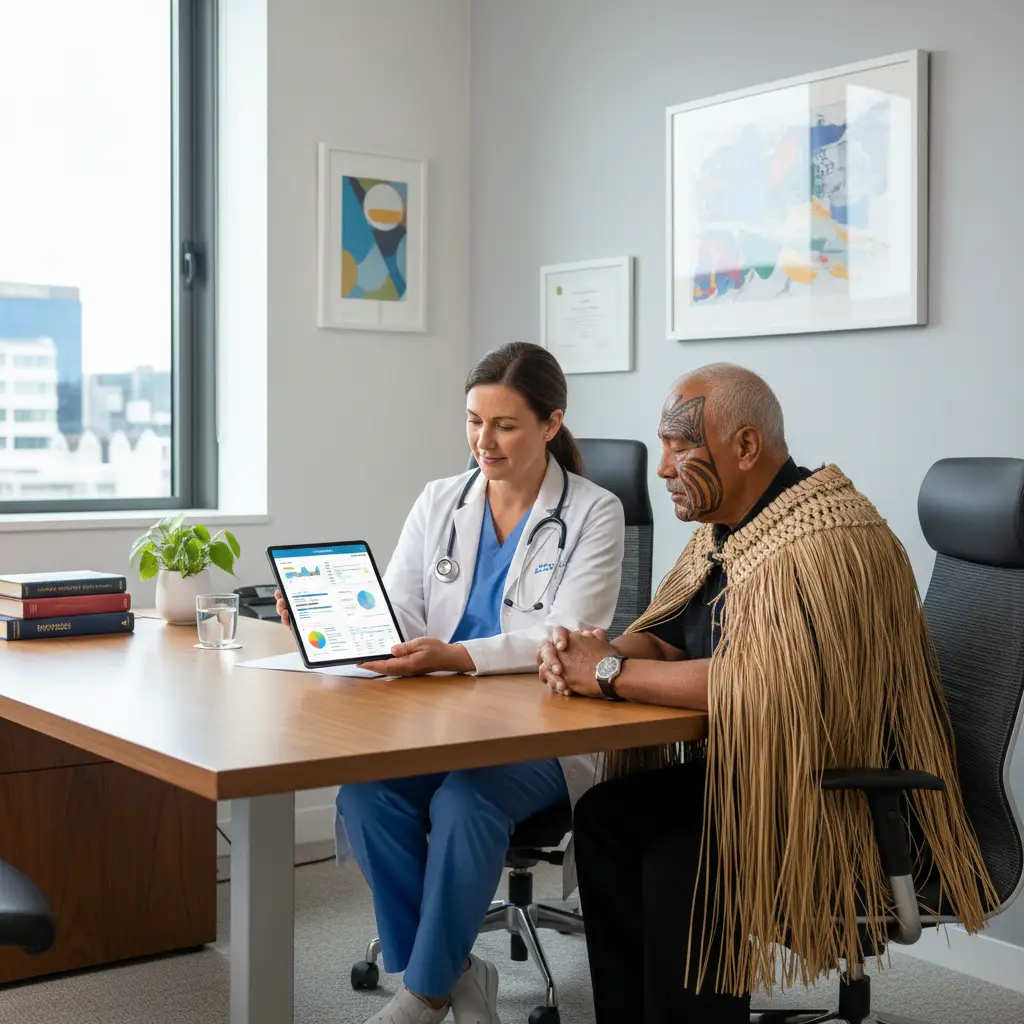
Professionalism in this context requires a deep understanding of cultural safety. Clinicians must recognize that for many Māori, health is intrinsically linked to land (Whenua), ancestry (Whakapapa), and spiritual connection (Wairua). When a Tohunga is involved, they act as a bridge, ensuring that the clinical pathway does not alienate the patient. This role definition is critical because it establishes boundaries and mutual respect, allowing for a seamless transition between the hospital ward and the Rongoā clinic.
Holistic Wellness Mapping: Integrating Te Whare Tapa Whā
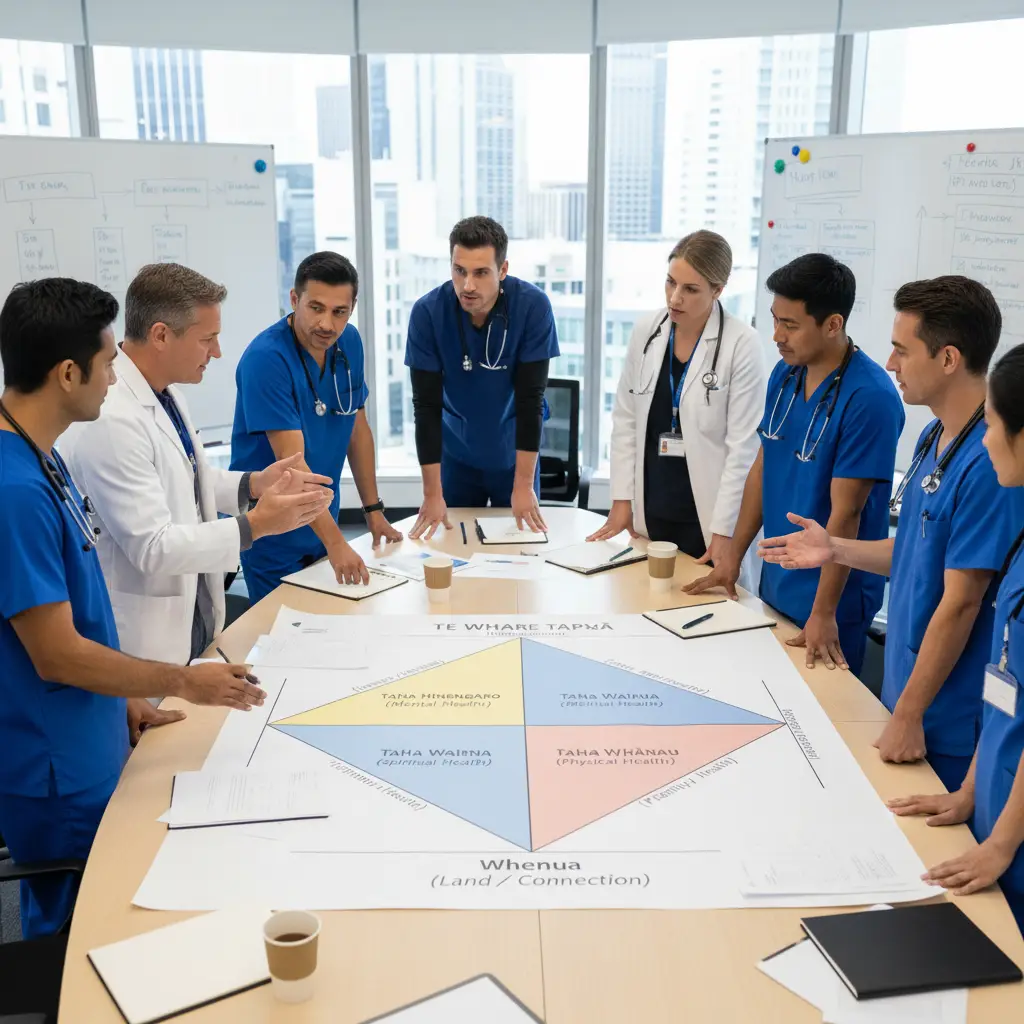
At the heart of multidisciplinary Māori health is the wellness model known as Te Whare Tapa Whā, developed by Sir Mason Durie. This model compares health to a four-walled house, where each wall represents a different dimension of wellbeing: Te Taha Tinana (physical health), Te Taha Hinengaro (mental health), Te Taha Whānau (family health), and Te Taha Wairua (spiritual health). If one wall is weak, the entire structure is compromised. Collaborative treatment plans use this framework to map out a patient’s journey.
Holistic wellness mapping involves more than just a checklist. It requires a joint assessment where the MDT (Multidisciplinary Team) evaluates the patient’s clinical metrics alongside their spiritual and social needs. For example, a patient suffering from chronic pain might receive a physical diagnosis from a GP (Te Taha Tinana), but the Tohunga may identify a blockage in Te Taha Wairua stemming from historical trauma or a lack of connection to their Iwi. By mapping these together, the treatment plan might include a combination of physiotherapy, psychological counseling, and traditional Mirimiri.
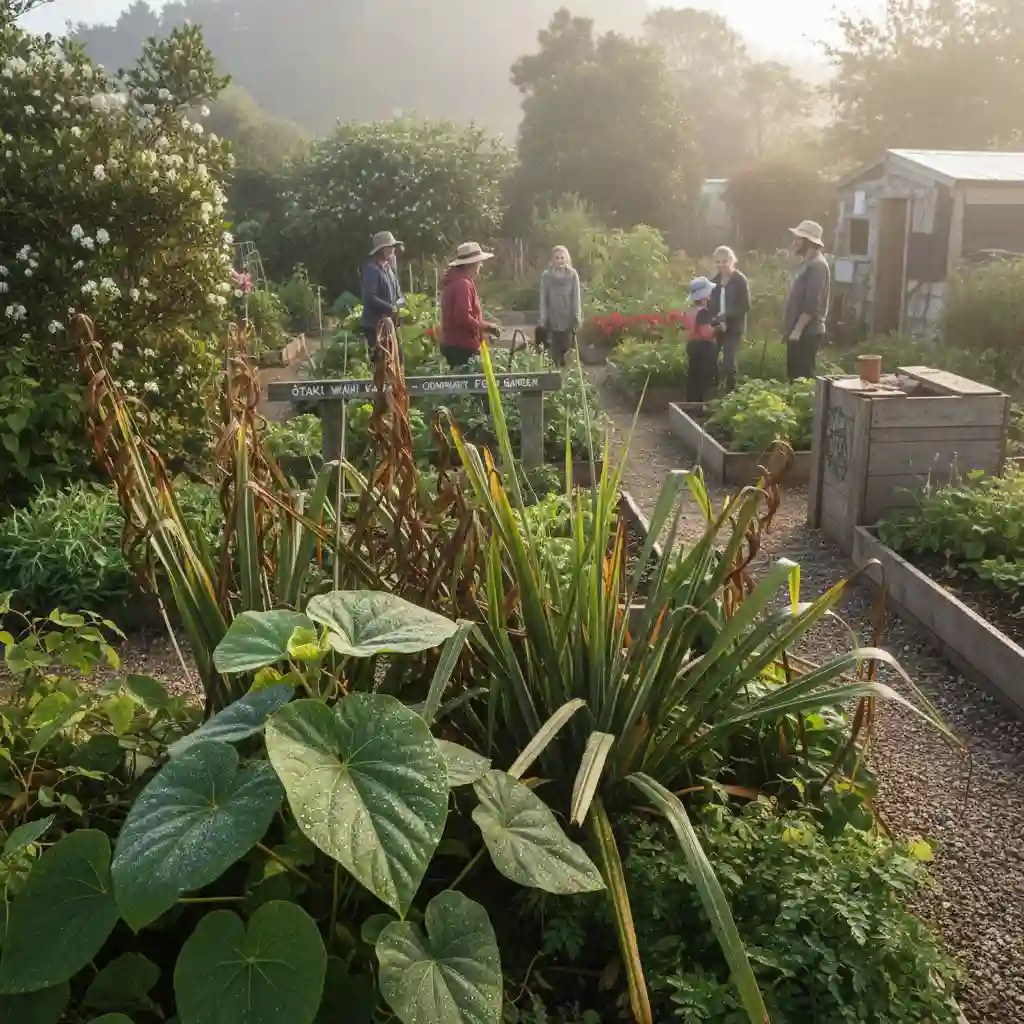
This mapping process also identifies the role of the Whānau. In Western medicine, the individual is the unit of care. In Māori health, the Whānau is the unit of care. A multidisciplinary plan must therefore include provisions for family involvement, ensuring that the patient’s support network is informed and empowered. This holistic approach reduces the likelihood of treatment non-compliance, as the plan aligns with the patient’s core values and social reality. By addressing the ‘unseen’ walls of the house, the MDT ensures long-term stability and resilience for the patient.
Integrating Te Taha Wairua
Integrating the spiritual dimension (Wairua) is perhaps the most significant challenge and opportunity for modern MDTs. For many clinicians, spirituality is seen as outside the realm of medicine. However, in the context of Māori health, Wairua is the foundational element. Tohunga provide the necessary expertise to navigate this space, offering Karakia (incantations/prayers) that can calm a patient before surgery or help them process grief. When a clinician acknowledges the importance of Wairua, they build a level of trust that pharmaceutical interventions alone cannot achieve. This is a hallmark of high-level multidisciplinary Māori health practice.
Joint Consultation Models and Practical Integration
How does this collaboration look in practice? Joint consultation models are the primary vehicle for successful integration. This involves a shared appointment where the patient, the clinician, and the Tohunga meet simultaneously. While this may seem resource-intensive, the commercial and clinical benefits are profound. A joint consultation allows for real-time resolution of conflicting advice and ensures that the patient does not feel caught between two disparate systems.
During these sessions, the clinician may present the results of blood tests or scans, while the Tohunga offers observations based on traditional diagnostic methods, such as assessing the patient’s mauri (life force). The integration of these perspectives leads to a more nuanced treatment plan. For instance, a patient might be prescribed medication for hypertension but also be advised by the Tohunga on specific dietary changes involving traditional Rongoā rākau (herbal preparations) that have been used for generations. The MDT ensures that there are no adverse interactions between the pharmaceutical drugs and the traditional herbs.
Another model is the ‘Navigator’ or ‘Kaimanaaki’ approach, where a dedicated staff member facilitates the communication between the patient, the clinical team, and the Rongoā practitioners. This ensures that the cultural safety of the patient is maintained throughout their journey in the healthcare system. For private clinics looking to specialize in multidisciplinary Māori health, adopting these models is a significant competitive advantage. It signals a commitment to equity and a sophisticated understanding of holistic care that appeals to a broad demographic seeking more than just a quick fix for their ailments.
Case Study Sharing: Success in Integrated Clinical Practice
To illustrate the efficacy of this approach, we can look at documented cases of chronic disease management. Consider a case of a 55-year-old Māori male with Type 2 Diabetes and high levels of distress. Standard clinical management had failed to lower his HbA1c levels because the patient felt disconnected from the clinical environment and was skeptical of the medication’s long-term effects. A multidisciplinary Māori health team intervened, including a GP, a diabetes nurse, and a Tohunga.
The Tohunga worked with the patient to reconnect him with his Marae and introduced Rongoā rākau to support his digestion and energy levels. Simultaneously, the GP adjusted his insulin regimen. Because the Tohunga validated the patient’s cultural identity, the patient felt more comfortable engaging with the clinical team. Over six months, the patient’s HbA1c levels dropped significantly, not just because of the insulin, but because the holistic support improved his mental health and community engagement. This is a clear example of how integrated care solves problems that clinical medicine cannot solve in isolation.
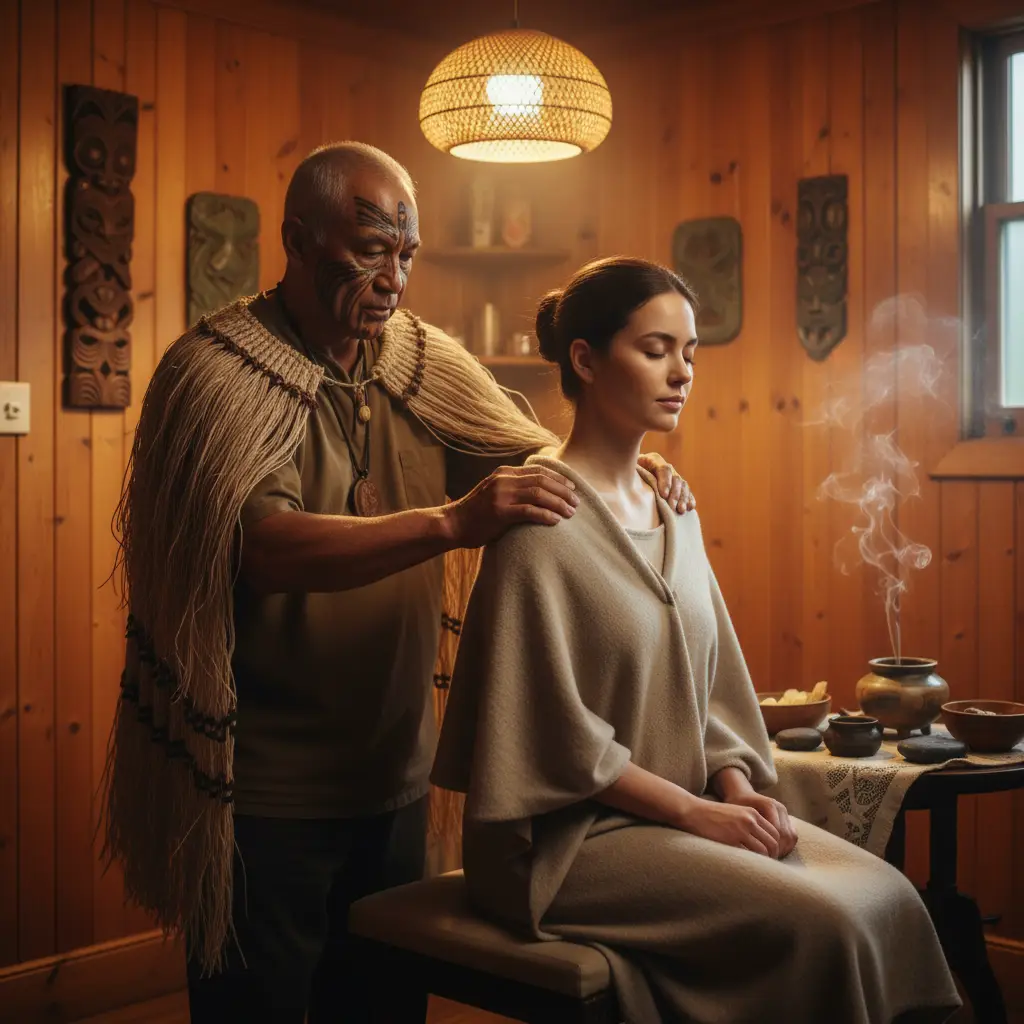
Another case involves post-operative recovery for a wahine (woman) who underwent a major orthopedic surgery. While the surgery was a success, her recovery was stalled by ‘mate māori’—a spiritual ailment characterized by a lack of will and deep-seated anxiety. The surgical team brought in a Rongoā practitioner who utilized Romiromi (deep tissue massage) and Karakia to address the spiritual trauma associated with the physical injury. The result was a faster-than-expected return to mobility and a significant reduction in the need for opioid-based pain relief. These case studies demonstrate that multidisciplinary Māori health is not a theoretical concept but a practical, evidence-based method for improving patient recovery times and satisfaction.
The Commercial and Social Impact of Collaborative Care
From a commercial perspective, the integration of Rongoā and MDTs represents a growing market in the healthcare sector. As healthcare providers move toward value-based care, the ability to deliver outcomes for diverse populations is paramount. Multidisciplinary Māori health models reduce the ‘revolving door’ effect in hospitals—where patients are treated for acute symptoms but return shortly after because the underlying social or spiritual causes were not addressed. By investing in holistic plans, providers can lower long-term costs and improve the health of the population.
Furthermore, the social impact cannot be overstated. Addressing health disparities for Māori is a core obligation under the Treaty of Waitangi. Organizations that lead the way in providing integrated, culturally safe care are not only fulfilling their social responsibility but also positioning themselves as leaders in a modern, inclusive New Zealand. This approach fosters trust within the community, ensuring that Māori individuals feel seen and heard. When patients trust their providers, they engage earlier with health services, leading to preventative care that is far more cost-effective than late-stage emergency interventions. In the competitive field of holistic lifestyle and clinical integration, those who master the MDT-Tohunga partnership set the gold standard for the industry.
Frequently Asked Questions
What is a multidisciplinary Māori health approach?
It is a collaborative healthcare model that combines Western medical practices with traditional Māori healing methods, involving both clinical specialists and Rongoā practitioners (Tohunga) to treat the whole person.
How do Tohunga collaborate with Western doctors?
They collaborate through joint consultations, shared treatment plans, and mutual referrals, ensuring that clinical interventions are culturally safe and that spiritual/cultural needs are addressed alongside physical ones.
Is Rongoā Māori covered by insurance or ACC?
In many cases, yes. ACC (Accident Compensation Corporation) in New Zealand recognizes and funds Rongoā Māori as a rehabilitation service, acknowledging its effectiveness in holistic recovery.
What are the benefits of Te Whare Tapa Whā in clinical settings?
It provides a structured framework for clinicians to assess and treat four key dimensions of health—physical, mental, spiritual, and family—ensuring no aspect of the patient’s wellbeing is ignored.
Can I access traditional Māori healing in public hospitals?
Many public hospitals in New Zealand now have Māori health units or Kaimanaaki (navigators) who can facilitate access to Rongoā practitioners and spiritual support during your stay.
How does cultural safety impact Māori patient outcomes?
Cultural safety builds trust and reduces barriers to care. When patients feel their values are respected, they are more likely to follow treatment plans and engage in preventative health measures, leading to better long-term outcomes.