
Integrating rongoā in hospitals provides a holistic approach to patient recovery by combining traditional Māori healing practices—such as rākau rongoā (herbal medicine) and mirimiri (massage)—with Western clinical care. This cultural integration, supported by the Pae Ora Act, ensures that Māori patients receive spiritually and physically congruent treatment within the New Zealand public health system.
The Evolution of Rongoā in Modern Healthcare
Rongoā Māori is not merely a collection of herbal remedies; it is a comprehensive system of healing that encompasses the physical, mental, spiritual, and familial well-being of an individual. For decades, the integration of rongoā in hospitals was hindered by the legacy of the Tohunga Suppression Act of 1907, which effectively criminalized traditional healing practices. However, the late 20th and early 21st centuries have seen a profound resurgence in the recognition of indigenous knowledge as a valid and necessary component of healthcare.
Today, the New Zealand healthcare landscape is undergoing a structural transformation. The shift from decentralized District Health Boards (DHBs) to a centralized system under Te Whatu Ora (Health New Zealand) and Te Aka Whai Ora (Māori Health Authority) has created unprecedented opportunities for rongoā practitioners to operate alongside clinicians. This evolution is driven by the understanding that Western medicine often focuses on the pathology of disease, whereas rongoā addresses the restoration of mauri (life force) and wairua (spirit).
The Pillars of Rongoā Māori
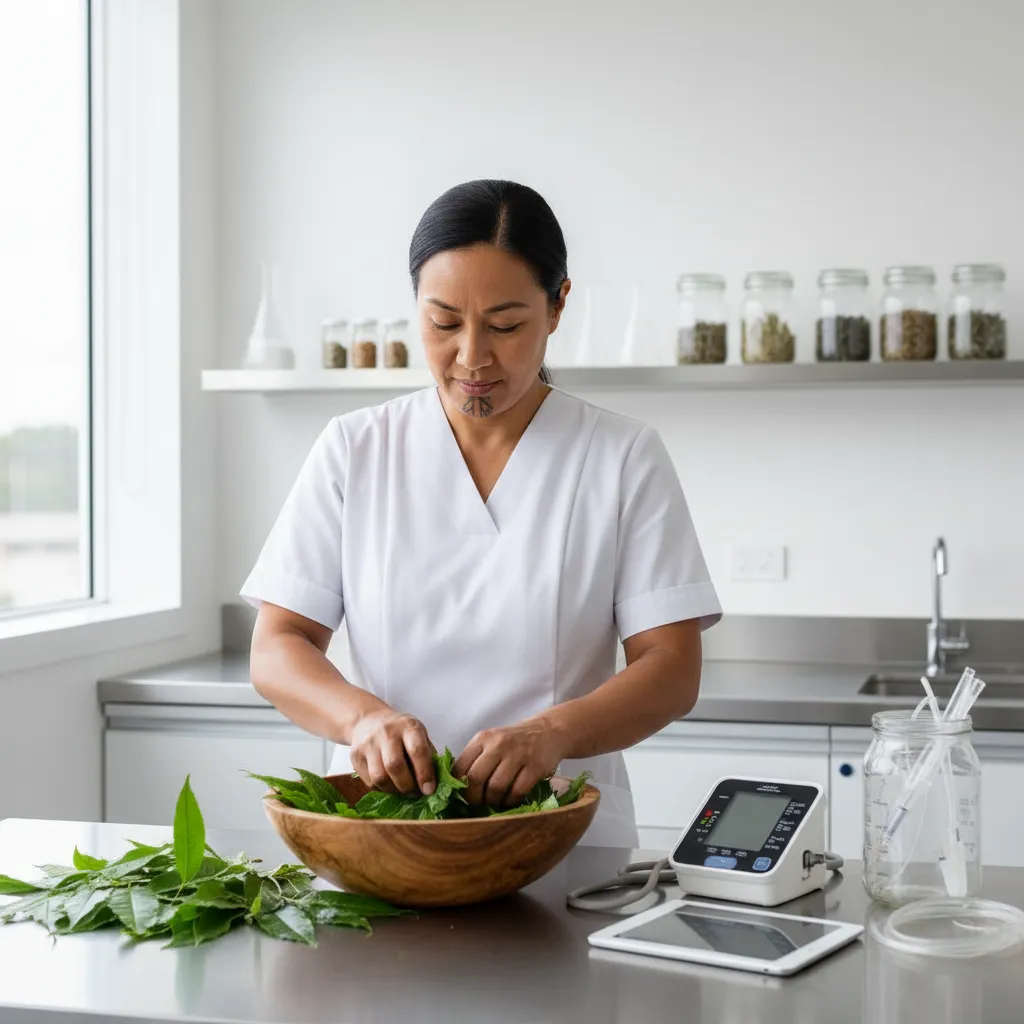
To understand its role in hospitals, one must recognize the three primary modalities of rongoā. First is Rākau Rongoā, the use of plant-based medicines derived from the New Zealand bush. Second is Mirimiri and Romiromi, which involve physical therapies and the release of energy blockages. Third is Karakia, the spiritual incantations or prayers that ground the healing process in a divine or ancestral context. In a clinical setting, these modalities are increasingly used to complement post-operative recovery, pain management, and palliative care.
Inpatient Access to Rongoā: Navigating the System
For patients seeking rongoā in hospitals, the path has historically been informal. Patients or their whānau (families) often had to facilitate their own healers. However, modern clinical guidelines are standardizing access. Inpatients can now request cultural support through Māori Health Units or Kaitakawaenga (Māori liaison officers). These intermediaries play a crucial role in ensuring that the patient’s desire for traditional healing is communicated to the lead consultant and nursing staff.
The Role of Kaitakawaenga
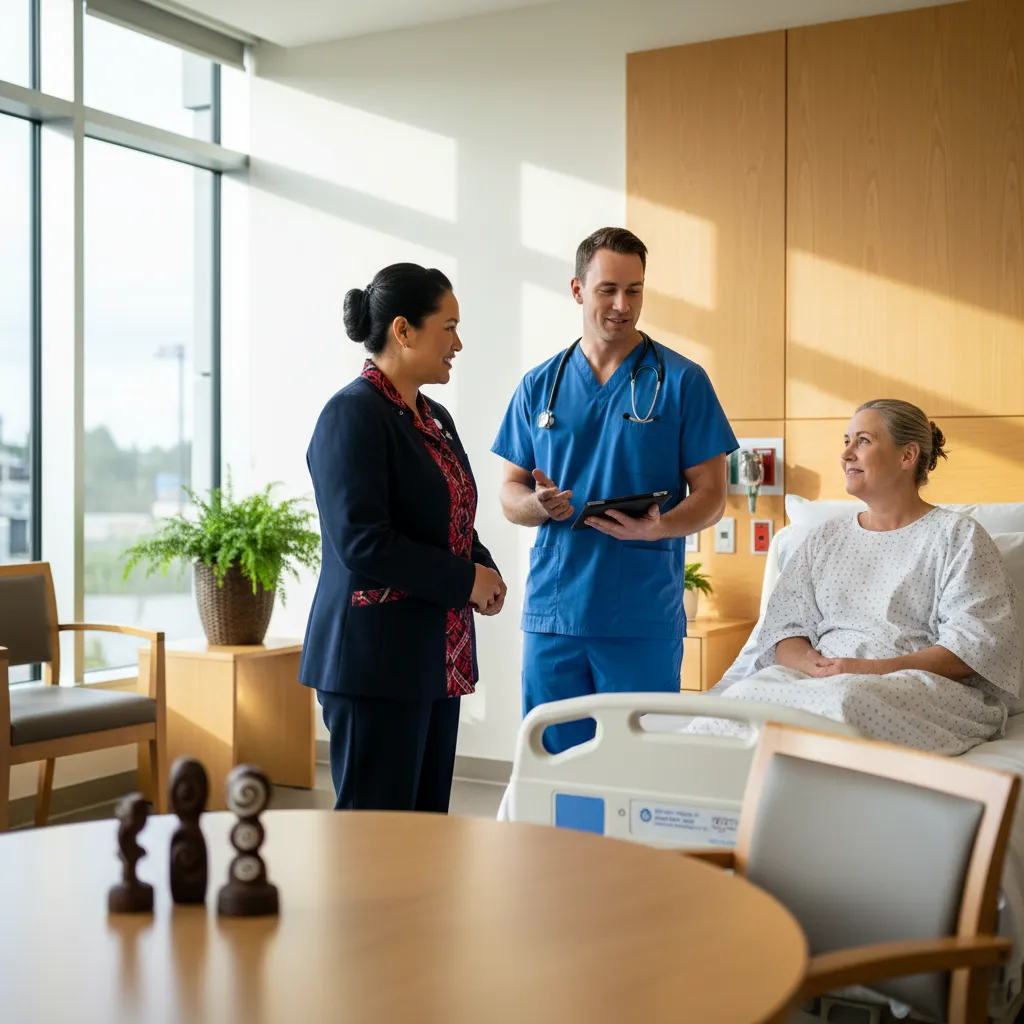
Kaitakawaenga act as the bridge between the patient and the clinical team. They ensure that rongoā practitioners are granted access to the ward and that the environment is conducive to healing. This might involve arranging a private space for mirimiri or ensuring that the hospital’s fire safety protocols allow for the symbolic use of specific elements if required. Their presence mitigates the cultural isolation many Māori feel in clinical environments, fostering a sense of tŦrangawaewae (a place to stand).
Bridging the Gap Between Allopathic and Indigenous Healing
The primary challenge of integrating rongoā in hospitals lies in the philosophical divergence between Western allopathic medicine and indigenous epistemology. Western medicine is frequently reductionist, focusing on isolating symptoms and treating them with biochemical interventions. In contrast, rongoā is systemic. It views the patient as an extension of their environment and ancestry.
Applying Te Whare Tapa Whā
The Te Whare Tapa Whā model, developed by Sir Mason Durie, is the foundational framework for this integration. It represents health as a four-sided house: Te Taha Tinana (physical), Te Taha Hinengaro (mental/emotional), Te Taha Whānau (family), and Te Taha Wairua (spiritual). While hospitals excel at treating Te Taha Tinana, they often struggle with the spiritual and familial dimensions. Rongoā fills these gaps, providing a comprehensive care plan that addresses why a person is unwell, not just how the illness is manifesting.
Cultural Safety and Clinician Education
For integration to be successful, Western-trained clinicians must practice cultural safety. This does not mean doctors must become experts in rongoā, but they must respect its validity and understand its importance to the patient’s recovery. Education programs are currently being implemented to help nursing and medical staff understand that rongoā is a legitimate health choice protected by legislation and human rights frameworks.
Legal Frameworks and Te Tiriti o Waitangi Obligations
The integration of rongoā in hospitals is not a matter of clinical preference; it is a legal and constitutional obligation in New Zealand. Te Tiriti o Waitangi (The Treaty of Waitangi) guarantees Māori the right to maintain their traditional healing practices and ensures that the Crown provides equitable health outcomes.
The Pae Ora (Healthy Futures) Act 2022
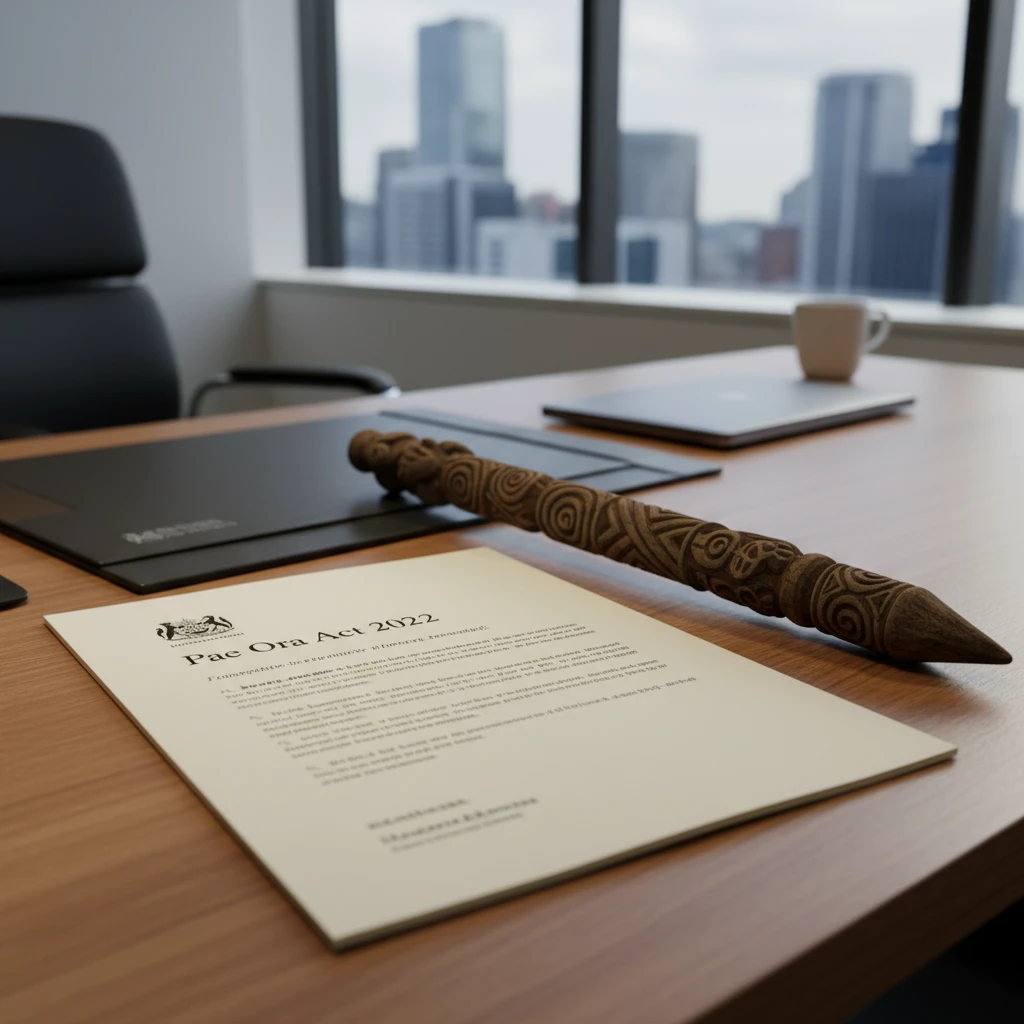
The Pae Ora Act is a landmark piece of legislation that specifically identifies rongoā as a priority within the health system. It mandates that the health system must provide for the needs of Māori and support the delivery of rongoā. This has led to increased funding for rongoā providers and a more formalized referral system where GPs and hospital specialists can direct patients toward traditional healers.
ACC and Rongoā Coverage
In a significant shift, the Accident Compensation Corporation (ACC) now funds rongoā Māori services for those with covered injuries. This recognition by a major government insurer validates rongoā as an effective rehabilitation tool. Patients in hospital for trauma or surgery can now utilize ACC-funded rongoā practitioners as part of their rehabilitation team, ensuring that the financial burden of seeking traditional care is removed.
Sterilization and Safety: Clinical Standards in Traditional Practice
One of the most debated aspects of rongoā in hospitals is the intersection of traditional preparation and modern sterilization standards. Hospitals are sterile environments where the introduction of organic materials (like freshly harvested leaves) can trigger concerns regarding infection control.
Standardizing Rākau Rongoā Preparation
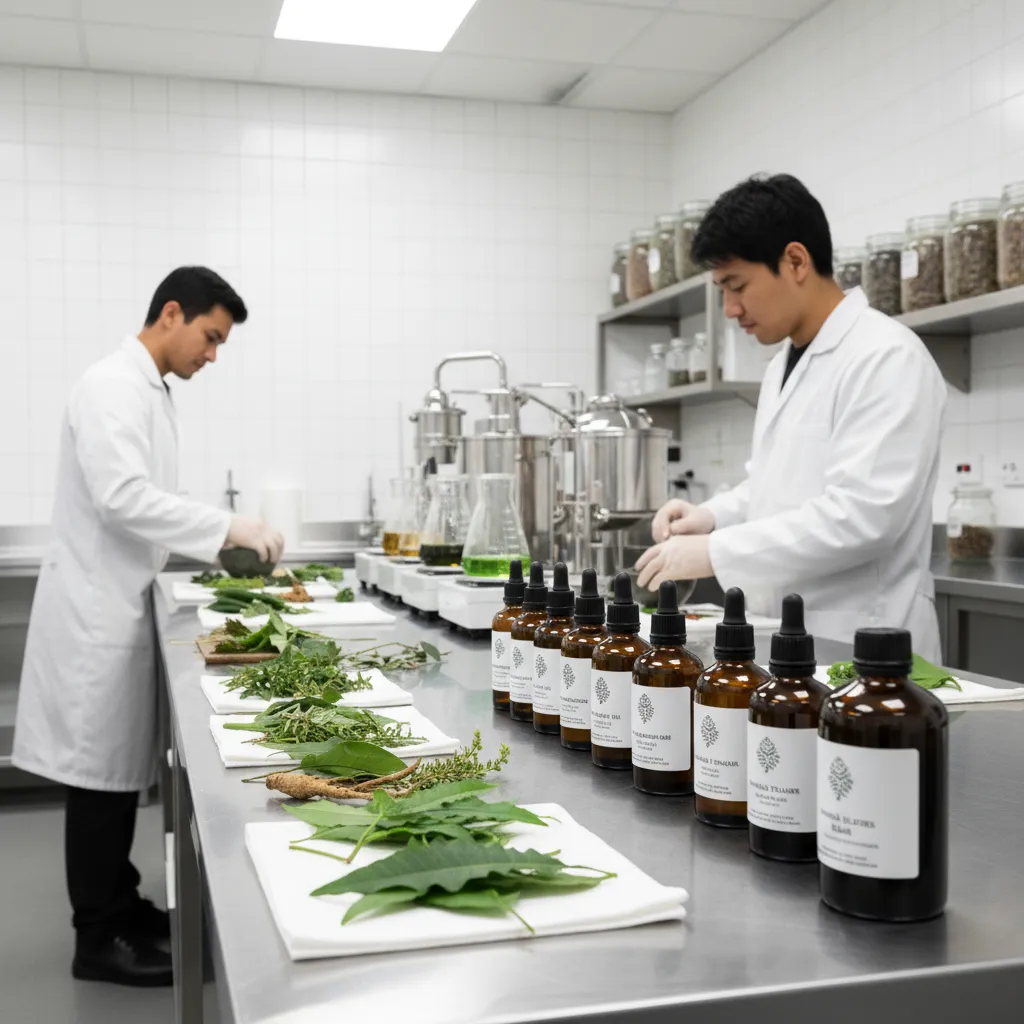
To address this, many rongoā practitioners have adopted standardized preparation methods that align with food safety and pharmaceutical guidelines. This includes using distilled water, precise temperature controls for decoctions, and sterile bottling processes. By documenting the preparation of rākau rongoā, practitioners can provide hospital pharmacists with the necessary assurance that the products are free from contaminants.
Managing Drug-Herb Interactions
Safety also involves monitoring potential interactions between traditional plant medicines and pharmaceutical drugs. For example, the use of Kawakawa (Macropiper excelsum) for its anti-inflammatory properties must be coordinated with the administration of blood thinners or other medications. In modern integrated wards, rongoā practitioners and hospital pharmacists collaborate to ensure that the patient’s total medication regime is safe and effective.
The Future of Holistic Clinical Integration
The future of rongoā in hospitals looks toward a truly pluralistic health system. This involves the creation of dedicated rongoā spaces within new hospital builds, where the architecture itself reflects Māori values—using natural light, ventilation, and proximity to native gardens. Furthermore, the professionalization of the rongoā workforce through organizations like Te Kāhui Rongoā ensures that practitioners are supported by a professional body that maintains ethical and quality standards.
Ultimately, the inclusion of rongoā in clinical settings is a step toward health equity. When a patient feels that their culture is respected and their traditional knowledge is valued, their engagement with the healthcare system improves. This leads to better adherence to treatment plans, reduced stress levels, and faster recovery times. Rongoā in hospitals is not just a cultural gesture; it is a clinical necessity for a healthy Aotearoa.
People Also Ask
Is rongoā Māori available in all New Zealand hospitals?
While not every ward has a resident practitioner, all Te Whatu Ora hospitals are required to provide access to Māori cultural support, which can facilitate rongoā services upon request.
Do I need a referral for rongoā in a clinical setting?
Inpatients can request rongoā through the hospital’s Māori Health Unit. For outpatients, many GPs can now provide referrals to ACC-approved rongoā practitioners.
Is rongoā Māori covered by ACC or public funding?
Yes, ACC provides funding for rongoā Māori as a rehabilitation option for covered injuries. Public funding is also increasing through Te Aka Whai Ora initiatives.
How do doctors and rongoā practitioners work together?
They collaborate through integrated care plans, sharing information about the patient’s progress and ensuring that traditional and Western treatments complement each other without safety risks.
What are the safety regulations for rongoā plant medicines?
Practitioners follow Te Kāhui Rongoā standards, which include sustainable harvesting, clean preparation techniques, and awareness of potential interactions with pharmaceutical drugs.
Can non-Māori access rongoā services in hospitals?
Yes, rongoā is available to all patients who seek a holistic approach to healing, provided they respect the cultural protocols and foundations of the practice.