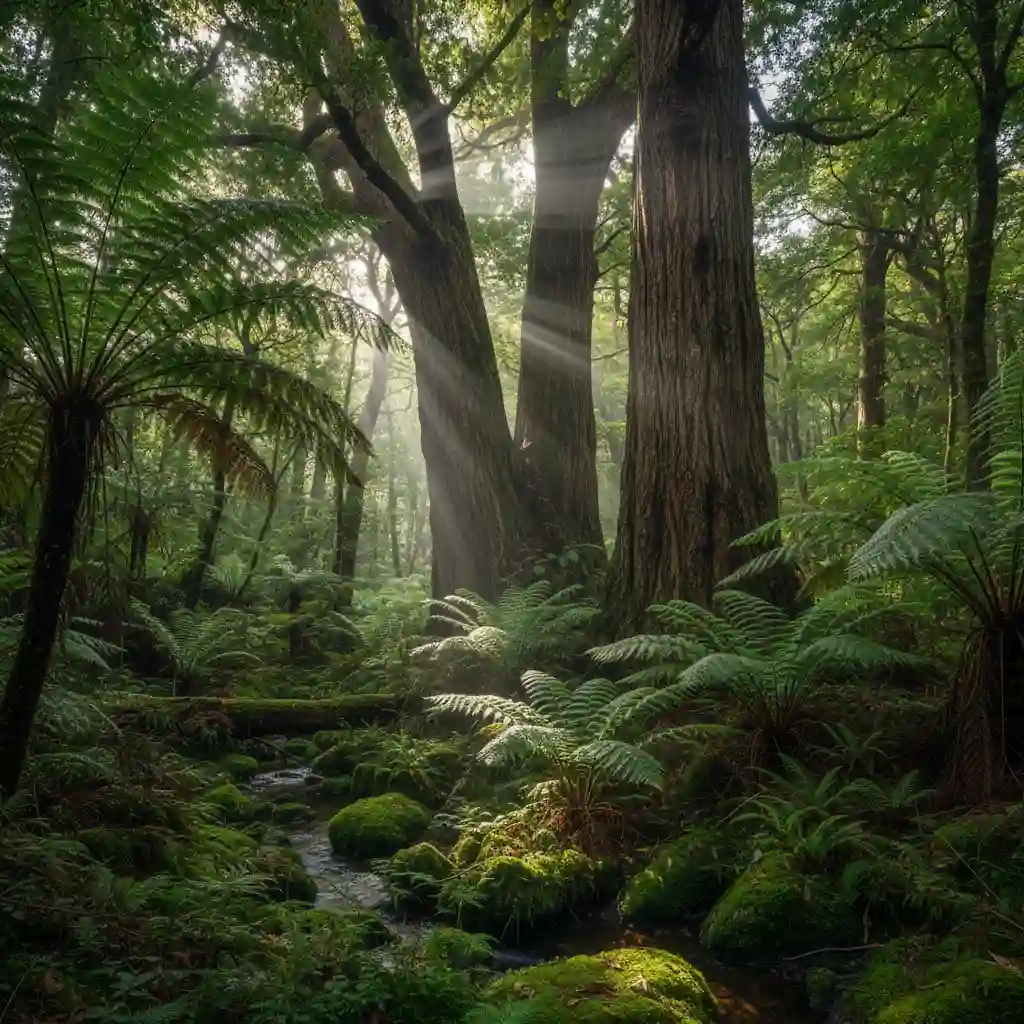
Integrating Maramataka for emotional regulation involves aligning psychological self-care with the Maori mental health lunar cycle. By tracking specific lunar phases like Whiro and Rakaunui, individuals can predict emotional fluctuations, manage energy expenditure, and implement traditional Māori coping mechanisms, leading to improved mental resilience and a holistic connection to the natural environment.
Foundations of Maramataka in Mental Health
The Maramataka is the traditional Māori lunar calendar, a sophisticated system that governs the timing of planting, fishing, and community rituals. However, its application in contemporary Maori mental health lunar cycle studies has revealed its profound utility as a tool for emotional regulation. Unlike the Gregorian calendar, which is linear and disconnected from natural rhythms, the Maramataka is cyclical, reflecting the ebb and flow of energy in the environment and the human psyche. In the context of Rongoā Māori and holistic clinical practice, understanding these cycles allows for a more nuanced approach to mental wellbeing, moving away from reactive treatment toward proactive, rhythmic living.
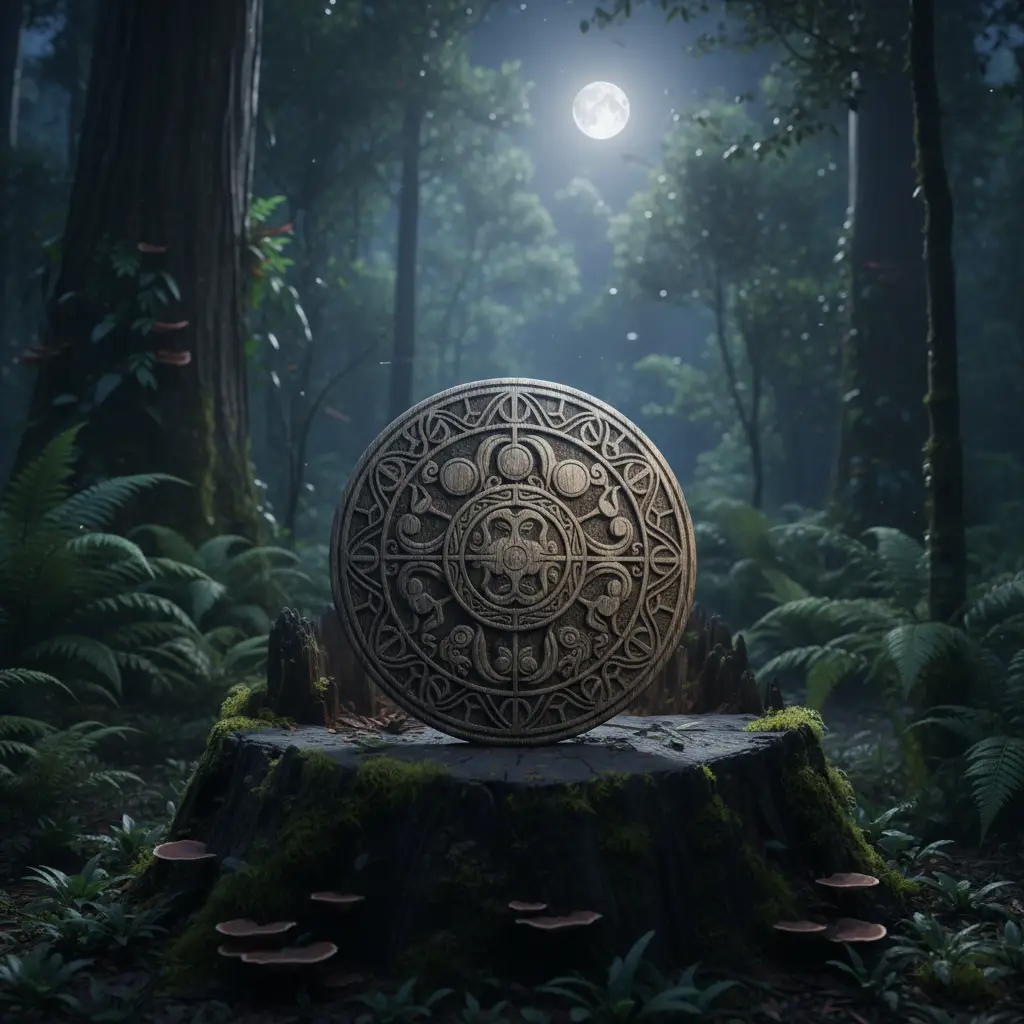
For many Māori practitioners, the lunar cycle provides a diagnostic framework. Mental health is not seen as a static state but as a dynamic process influenced by Te Taiao (the natural world). When we speak of the Maori mental health lunar cycle, we are acknowledging that our internal emotional landscapes are intrinsically linked to the phases of Hina (the personification of the moon). This connection validates the experience of those who feel ‘out of sorts’ during certain times of the month, providing a cultural explanation that reduces stigma and empowers the individual through self-awareness.
Identifying Vulnerable Phases
One of the primary benefits of utilizing the Maramataka for emotional regulation is the ability to identify vulnerable phases before they manifest as crises. In the Maori mental health lunar cycle, specific nights are known to carry lower energy or higher turbulence, which can directly impact those struggling with depression, anxiety, or mood disorders.
Whiro: The New Moon and Introspection
Whiro is the phase of the new moon, characterized by the lowest energy levels of the month. In traditional contexts, this was a time when no planting or fishing occurred because the earth and sea were at rest. Psychologically, Whiro represents a period of deep introspection. For many, this can manifest as a ‘low’ mood or a desire to withdraw from social interaction. By recognizing Whiro as a natural time for rest, individuals can avoid the guilt of being ‘unproductive’ and instead focus on reflection and replenishment. In clinical integration, practitioners might advise clients to avoid high-stress meetings or major decisions during the Whiro phase to prevent burnout.
The Tamatea Nights: Emotional Volatility
Following the Whiro phase, the Tamatea nights (Tamatea-ngana, Tamatea-kai-ariki) are often associated with unpredictable weather and, by extension, unpredictable emotions. The energy begins to rise, but it is often jagged or unsettled. This is a critical period for emotional regulation. Identifying these nights allows individuals to practice ‘watchfulness,’ staying mindful of potential triggers and avoiding confrontational environments. It is a time for grounding exercises and maintaining a stable routine to counteract the external and internal turbulence.
The Role of Hinauri and Emotional Depth
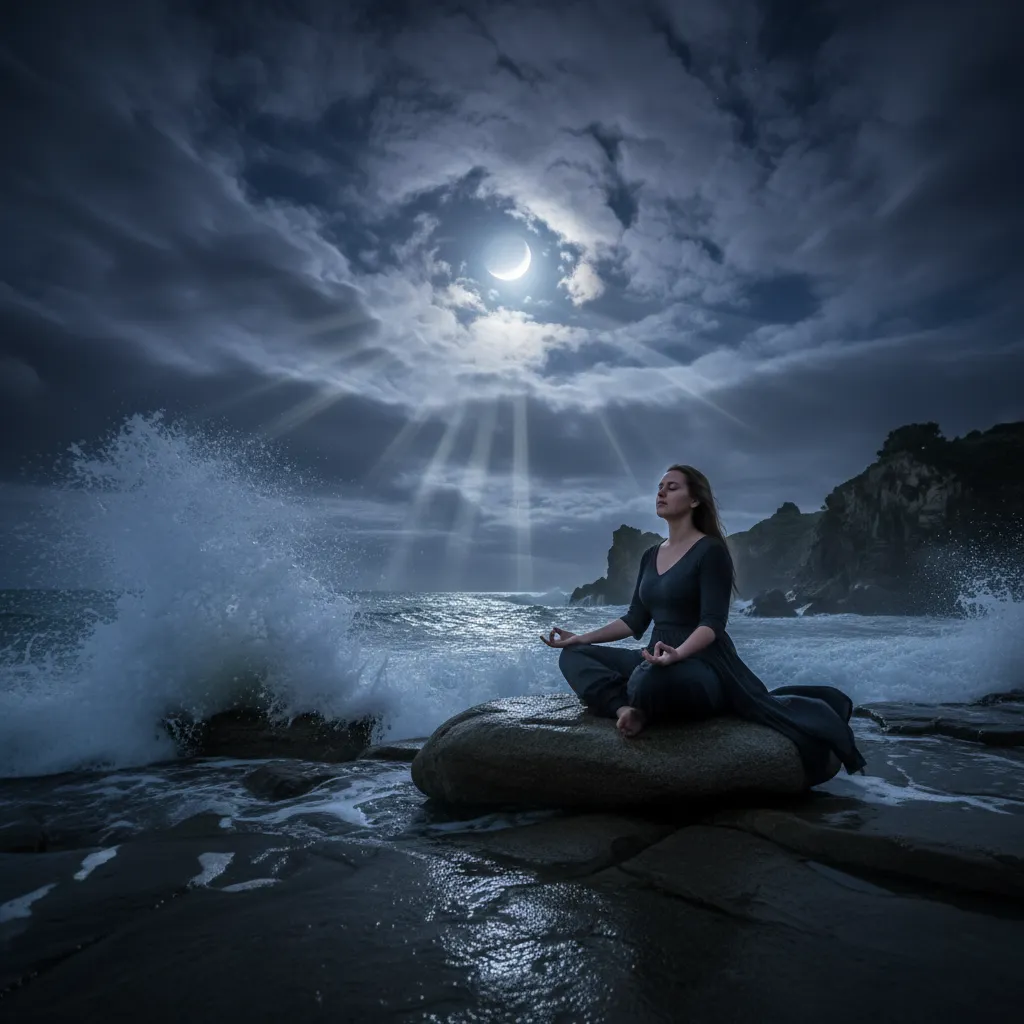
In Māori cosmology, Hinauri represents the moon in its dark or hidden state, often associated with the processing of grief, sorrow, and deep-seated emotions. The transition of Hina (the moon) through her various names—Hinatea (the bright moon) and Hinauri (the dark moon)—mirrors the human experience of light and shadow within the psyche. Understanding the role of Hinauri is essential for a holistic Maori mental health lunar cycle approach.
Hinauri provides a sacred space for ‘te po’ (the darkness). In many Western clinical models, darkness or low mood is treated purely as a deficit. However, through the lens of Maramataka, the dark phases are necessary for growth. Hinauri teaches us that emotions like grief or sadness are not problems to be solved but phases to be navigated. This perspective is vital for Rongoā Māori practitioners who work with clients on trauma recovery. By aligning therapy with the dark phases of the moon, sessions can focus on release and shadow-work, while the brighter phases can be used for building forward momentum and externalizing goals.
Collective Mood Patterns and Whanau Wellbeing
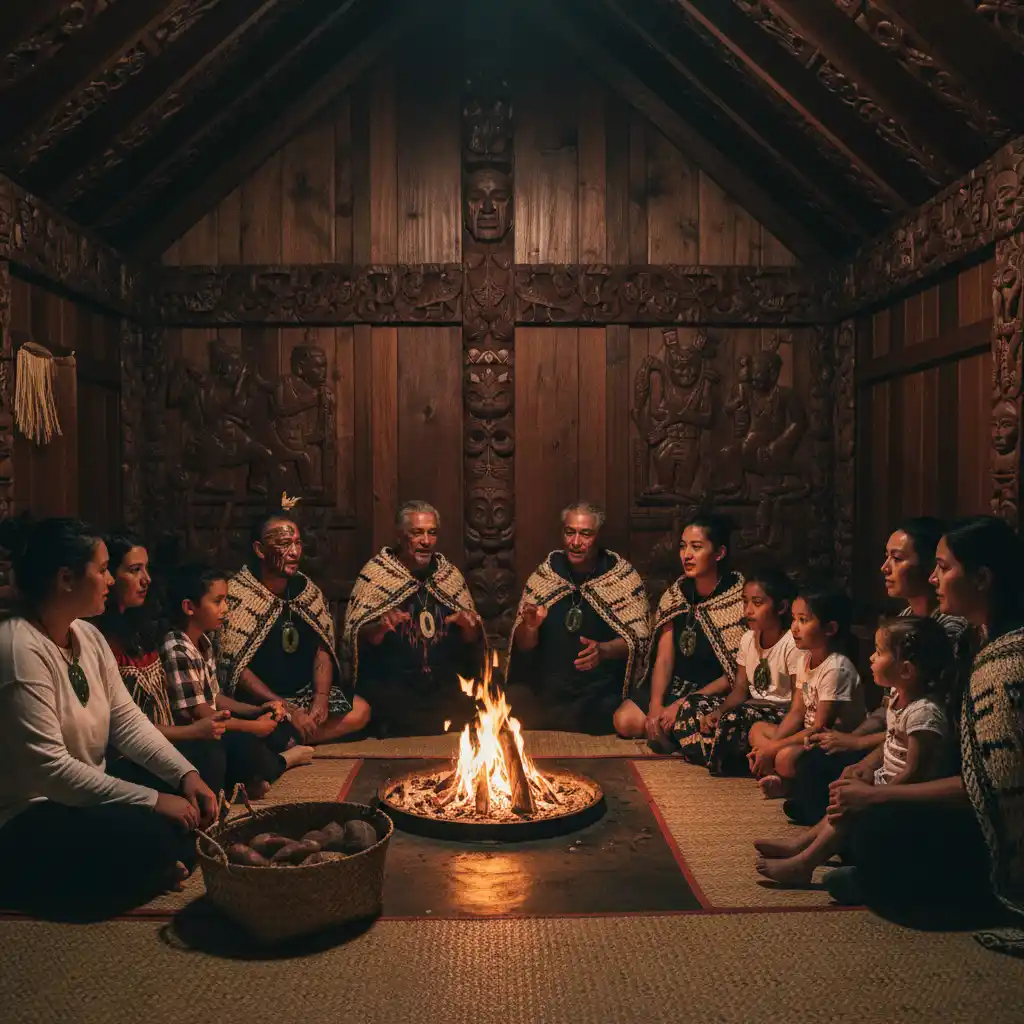
Emotional regulation is not just an individual pursuit; in a Māori world view, it is a collective responsibility. The Maori mental health lunar cycle affects whānau (families) and hapū (communities) as a whole. There are times of the month when the collective mood is high and times when it is somber. Recognizing these patterns can significantly improve whānau dynamics and reduce conflict.
Rakaunui: High Energy and Social Connectivity
Rakaunui, the full moon, is a time of maximum energy. Traditionally, this was a time for intense activity, community gatherings, and harvesting. In terms of emotional regulation, Rakaunui can be a double-edged sword. While it provides a boost in motivation and sociability, it can also lead to impulsivity or heightened agitation for those sensitive to high energy. Collective mood patterns during Rakaunui are often characterized by high output and social engagement. In a clinical or organizational setting, this is the optimal time for group therapy, community events, and collaborative projects, provided that there are outlets for the excess energy to be channeled constructively.
Building Emotional Resilience and Clinical Integration
Building emotional resilience through the Maramataka involves the practical application of lunar observations to daily life. This integration of indigenous wisdom with modern clinical practice is at the heart of contemporary Māori mental health strategies. By moving in rhythm with the moon, we build a reservoir of resilience that can withstand the inevitable stresses of life.
Rongoā Māori and the Lunar Cycle
Rongoā Māori (traditional healing) is deeply integrated with the Maramataka. The potency of medicinal plants is believed to change with the moon’s phases. Similarly, the ‘psychological potency’ of different therapeutic interventions varies. For example, cleansing rituals or karakia (incantations) focused on letting go are particularly effective during the waning phases of the moon (the Oturu to Mutuwhenua period). Practitioners who integrate these timings into their clinical work find that clients often experience a more profound sense of alignment and healing.
Practical Exercises for Daily Regulation
To effectively use the Maori mental health lunar cycle, individuals are encouraged to keep a ‘Maramataka Journal.’ This involves tracking daily moods, energy levels, and sleep patterns against the lunar phase. Over three to four months, patterns inevitably emerge. A person might find that they consistently feel anxious during the Korekore nights or particularly creative during the Ohua phase. Once these patterns are identified, ‘preventative care’ can be scheduled. This might include increasing mindfulness practices during vulnerable nights or scheduling high-stakes tasks during peak energy phases. This proactive approach is the cornerstone of emotional regulation.

Ultimately, the Maramataka offers a pathway back to our natural selves. In a world that demands constant, high-level performance regardless of our internal state, the Maori mental health lunar cycle provides a culturally grounded ‘permission’ to be human. It validates our need for rest, honors our periods of high energy, and provides a map for navigating the complex waters of our emotions. By reclaiming this ancestral knowledge, we find not just a way to manage our mental health, but a way to thrive in harmony with the universe.
People Also Ask
What is the Maramataka and how does it relate to mental health?
The Maramataka is the traditional Māori lunar calendar. It relates to mental health by providing a framework to understand how the moon’s phases influence human energy, mood, and behavior, allowing for better emotional regulation and self-awareness.
Which moon phase is best for rest in the Maori mental health lunar cycle?
Whiro (the new moon) is considered the best time for rest and introspection. It is a period of low energy where the earth and the body are encouraged to recover and reflect.
Can the Maramataka be used in professional clinical therapy?
Yes, many Māori clinicians and health providers integrate the Maramataka into therapy by scheduling interventions and setting goals that align with the patient’s natural energy cycles according to the lunar phases.
What are the Tamatea nights in the Maramataka?
The Tamatea nights are a series of lunar phases known for unpredictable energy and weather. In a mental health context, they are times to be mindful of emotional volatility and to practice grounding techniques.
How does the full moon (Rakaunui) affect emotions according to Māori tradition?
Rakaunui is a time of high energy and abundance. While it can boost productivity and social interaction, it can also lead to overstimulation or restlessness if that energy is not managed correctly.
How can I start tracking my own Maori mental health lunar cycle?
You can start by downloading a Maramataka chart or app and keeping a daily journal of your energy levels, sleep quality, and mood to see how they align with the current lunar phase over several months.