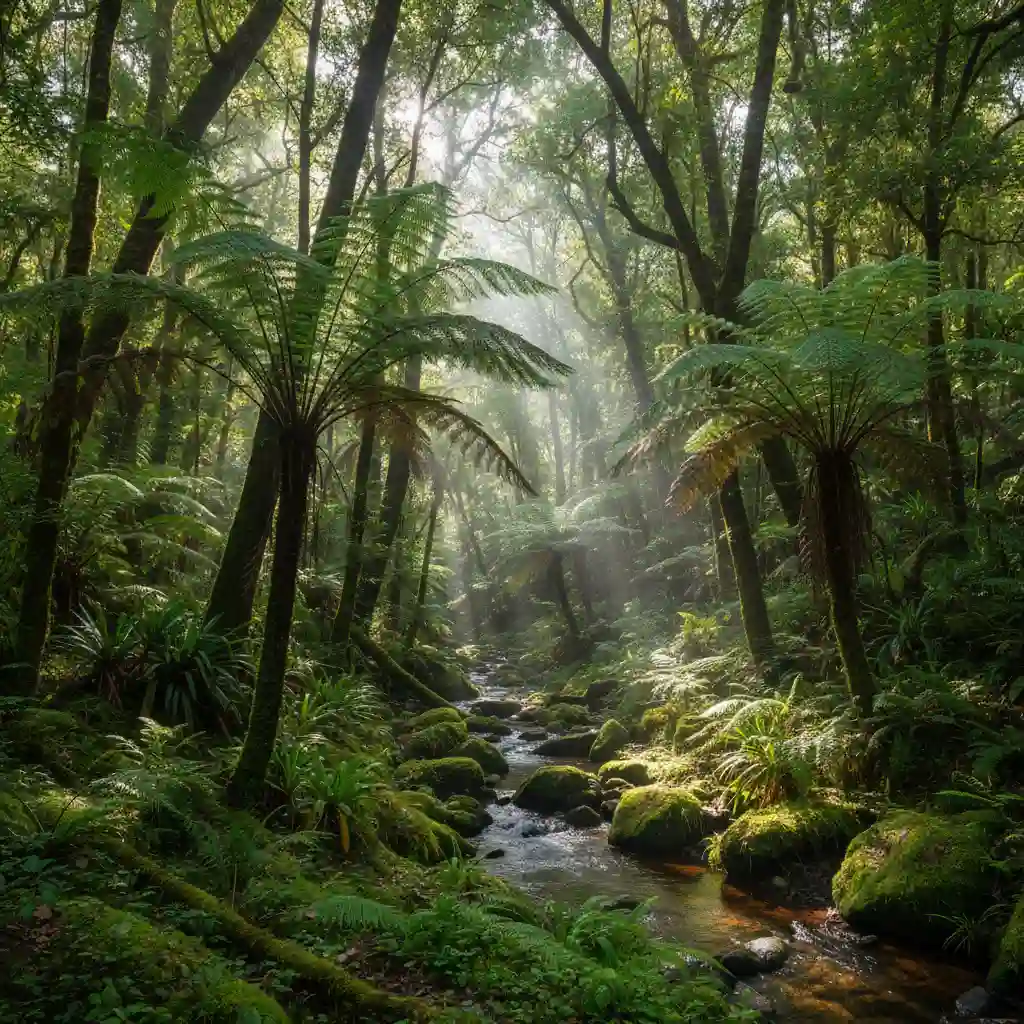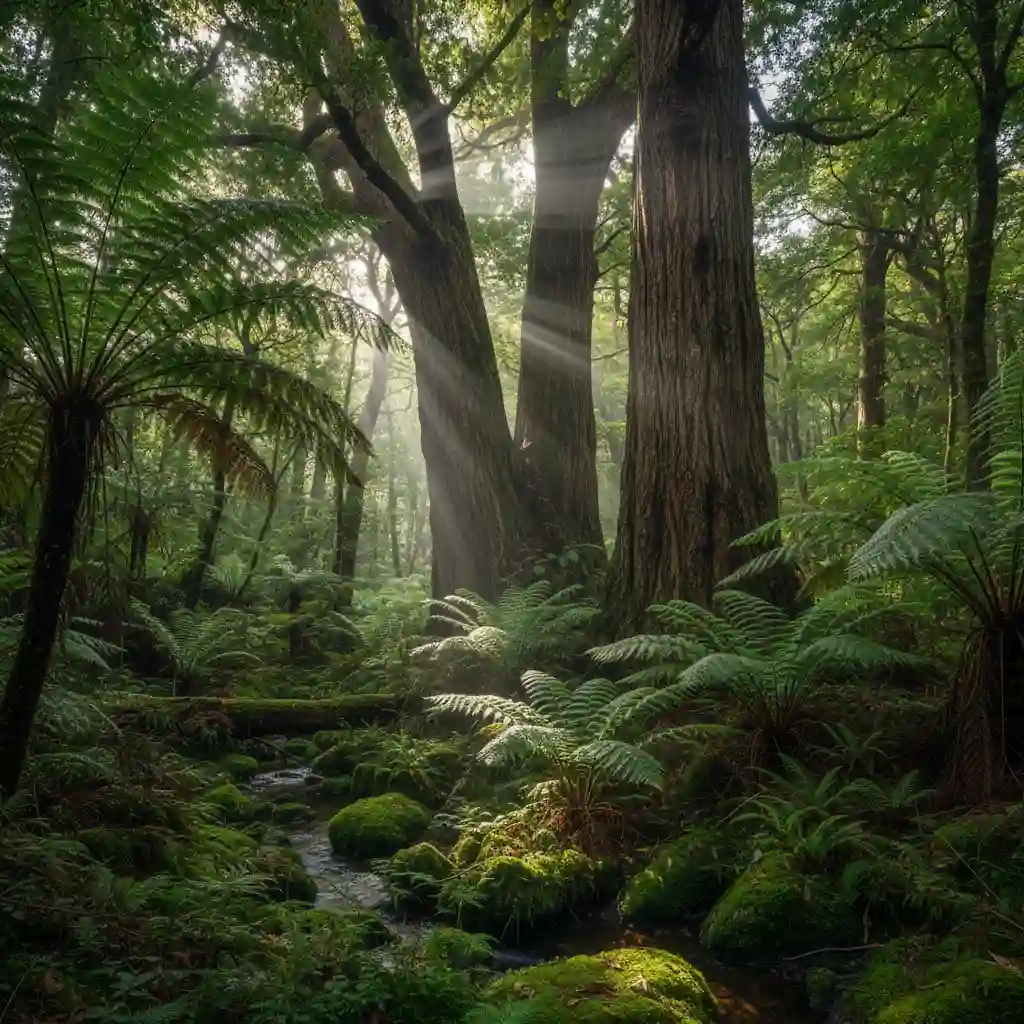
Harvesting rongoā by maramataka is the traditional Māori practice of aligning the collection of medicinal flora with the lunar cycle to maximize therapeutic potency. This methodology relies on the moon’s gravitational pull to influence sap flow, ensuring that plant constituents like alkaloids and essential oils are at their peak during specific phases for clinical efficacy.
The Science of Sap Flow and Lunar Pull
The practice of harvesting rongoā by maramataka is not merely a cultural tradition; it is rooted in the fundamental principles of biological rhythms and geophysics. The moon’s gravitational pull, which governs the tides of our oceans, exerts a similar, albeit subtler, influence on the moisture content within plants. This phenomenon, often referred to as ‘lunar sap flow,’ dictates the movement of water and nutrients between the root systems and the upper canopy.
During the waxing phases of the moon, as the light increases toward the full moon (Rākau-nui), the gravitational pull works in tandem with increasing moonlight to encourage the upward movement of sap. This phase is characterized by high metabolic activity in the aerial parts of the plant. Conversely, as the moon wanes toward the new moon (Whiro), the energy and moisture of the plant retreat back toward the earth and the root systems. Understanding these shifts is vital for any practitioner looking to optimize the chemical profile of the rongoā they prepare.

In a clinical context, the concentration of active compounds—such as the volatile oils in Kawakawa or the mucilage in Houhere—fluctuates according to these cycles. By harvesting when the sap is concentrated in the desired part of the plant, the practitioner ensures a more potent and effective remedy. This alignment reduces the volume of plant material required, promoting environmental sustainability while enhancing patient outcomes.
Strategic Timing for Root Collection
When the objective is the collection of roots or underground rhizomes, the maramataka directs us toward the waning phases, particularly the days surrounding Whiro (the new moon). During this period, the gravitational pull is lessened, and the plant’s internal energy is directed downward. This is the time when the ‘mauri’ or life force, along with the concentrated nutrients and secondary metabolites, is stored in the root system.
For rongoā such as Kareao (Supplejack) or various native ferns where the root is the primary medicinal component, harvesting during the Whiro or the Mutuwhenua phase ensures that the roots are turgid and rich in stored carbohydrates and medicinal alkaloids. Harvesting roots during a full moon, when the sap is pulled upward, often results in ’empty’ or woody roots that lack the desired therapeutic density.
Specific Lunar Phases for Roots
The days following the full moon, as the light begins to fade, represent the transition of energy back to the earth. Practitioners often look for the Tangaroa phases (Tangaroa-a-mua, Tangaroa-a-roto, Tangaroa-ki-okahu). These days are traditionally associated with the sea and moisture, making them excellent for gathering roots that require a high moisture content for extraction or those that are particularly resilient.
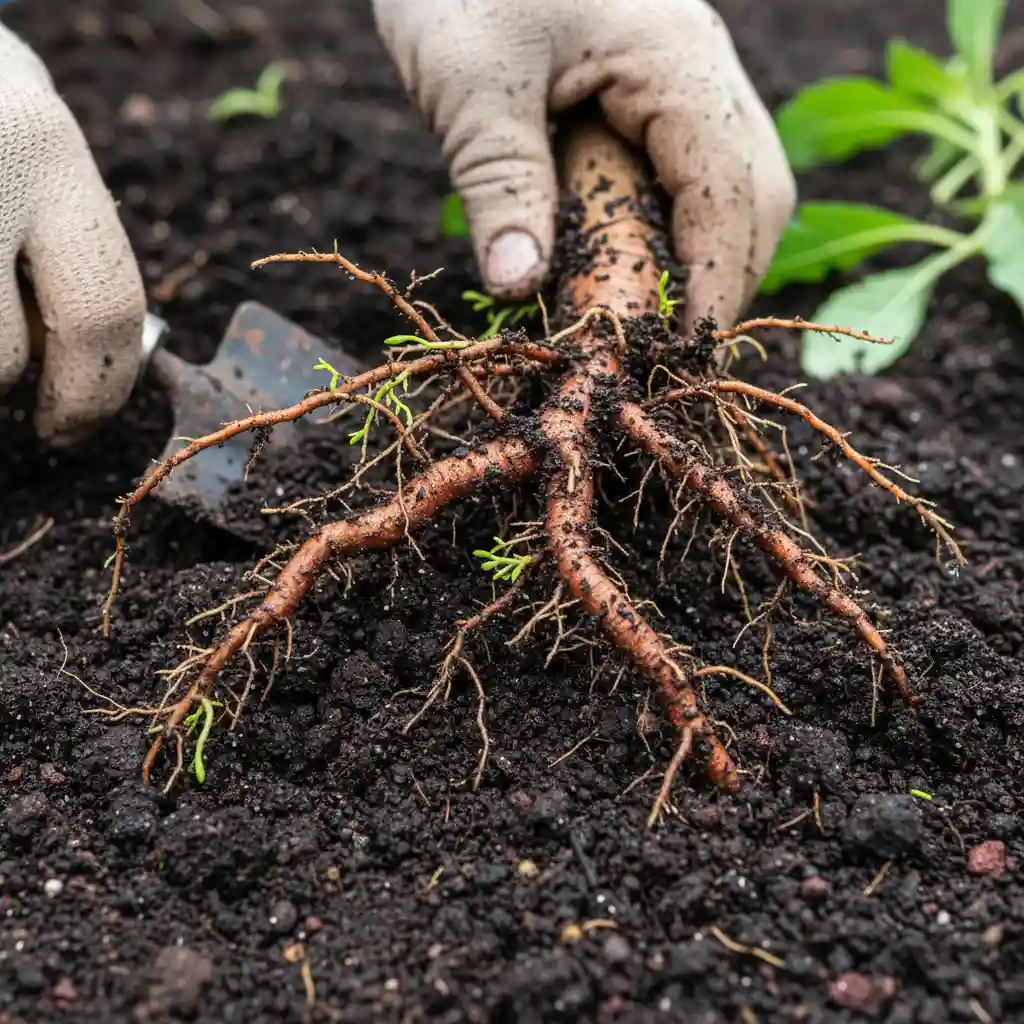
Clinical practitioners should note that root-based rongoā harvested during these low-light phases often have a longer shelf life and a more grounded, sedative quality in their energetic profile. This is particularly relevant when treating conditions related to the ‘lower’ systems of the body, such as digestive issues or reproductive health.
Leaf and Bark Harvesting Protocols
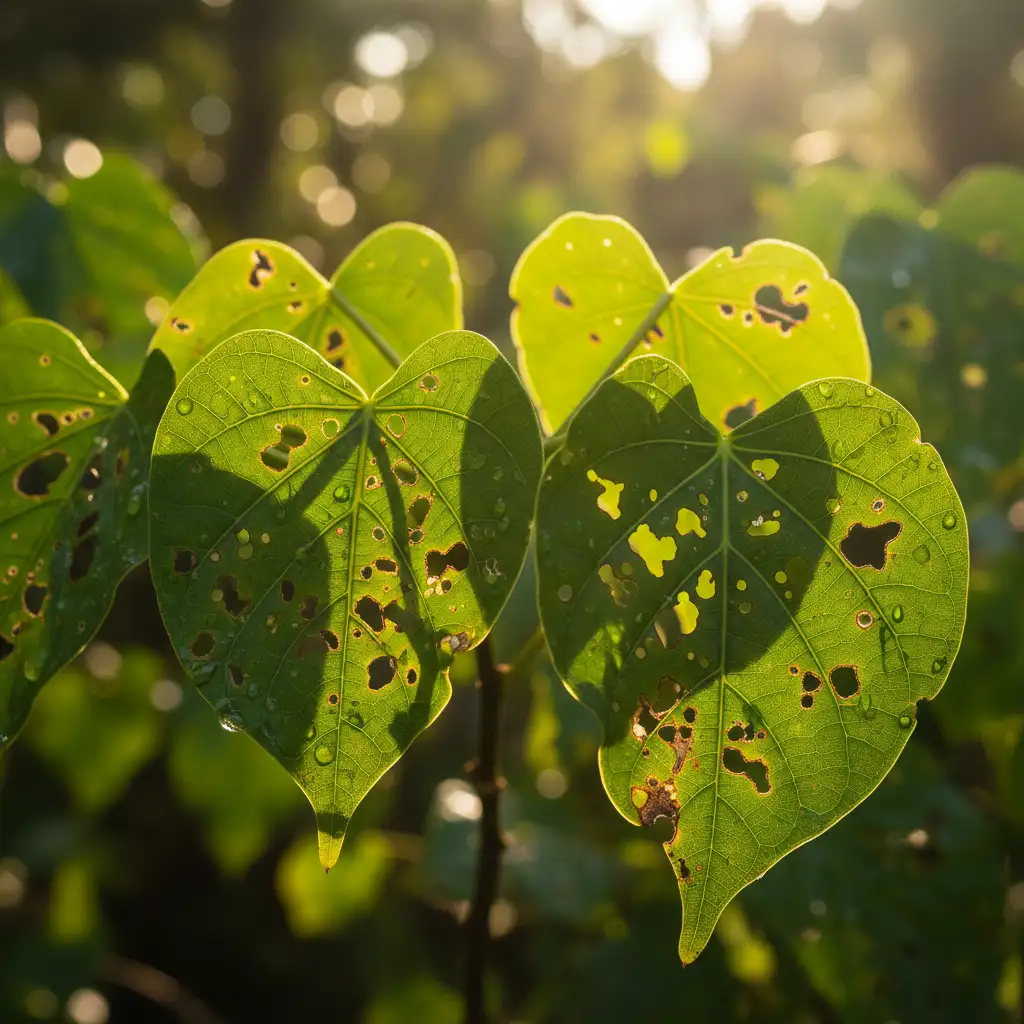
Leaf and bark collection requires a different approach. The optimal time for harvesting these components is during the waxing moon, specifically the days leading up to and including the full moon (Rākau-nui). As the lunar light increases, the sap is drawn upward into the leaves and the inner bark (the phloem and xylem layers). This is when the plant is at its most vibrant and ‘awake.’
Kawakawa (Macropiper excelsum), perhaps the most well-known rongoā, is best harvested when the moon is high and bright. The leaves are more likely to be distal and filled with the essential oils that provide its signature peppery taste and anti-inflammatory properties. Bark, such as that from the Mānuka or Kānuka, is more easily stripped and contains higher concentrations of antimicrobial resins when the sap is flowing freely beneath it.
The Role of the Tamatea Phases
The Tamatea phases are known for their unpredictable and often stormy energy. While the sap is moving, these days require caution. Traditional knowledge suggests that the ‘agitated’ state of the environment during Tamatea can reflect in the potency of the plant. Some practitioners avoid harvesting for delicate tonics during these days, preferring the stability of the Ohua or Hotu phases. However, for rongoā intended to ‘break up’ stagnation or stimulate a sluggish system, the turbulent energy of Tamatea can be strategically utilized.
Potency, Seasonal Cycles, and Clinical Application
While the lunar cycle (maramataka) provides the monthly rhythm, it must be viewed within the larger context of the solar seasons (Ngā Takiwā). Potency is a product of both. For example, harvesting bark in the height of summer (Rāmaka) when the sun is at its zenith adds a different ‘thermal’ quality to the medicine compared to a winter harvest (Takurua).
In clinical integration, the practitioner must consider the ‘dosage’ in relation to the harvest time. Rongoā harvested at the peak of the Rākau-nui phase may be significantly more potent than that harvested at Whiro. This requires a nuanced understanding of patient sensitivity. A patient with high inflammation may require the cooling, ‘high-sap’ energy of a full-moon harvest, while a patient suffering from exhaustion or ‘wairua’ depletion might benefit more from the grounded, earth-bound energy of rongoā collected during the waning moon.
Furthermore, the maramataka guides the preparation process. The ‘tiring’ or drying of herbs, the infusion of oils, and the boiling of waikiriki (decoctions) are all traditionally timed to match the lunar energy. Infusing oils starting at the new moon and allowing them to sit through a full cycle ensures the medicine captures the entirety of the lunar influence.
Tikanga and Ethical Harvesting Frameworks
Harvesting rongoā by maramataka is inseparable from Tikanga Māori (customary protocols). This includes the practice of Karakia (prayer/incantation) before entering the forest and before the first cut is made. Karakia acknowledges the atua (deities) such as Tāne Mahuta (protector of the forest) and aligns the practitioner’s intention with the healing process.
Ethical harvesting also demands that one never takes the ‘first’ plant they see and never harvests more than 10-20% of a single plant’s foliage. This ensures the survival of the species and the health of the ecosystem. By following the maramataka, the practitioner naturally respects the plant’s recovery time. If we only harvest certain parts at certain times, the plant is given phases of rest where it is not being disturbed, allowing for regeneration.
Integrating Maramataka into Modern Clinical Practice
For modern health practitioners, integrating these principles involves a shift in perspective from a ‘pharmaceutical’ model to a ‘relational’ model. It involves keeping a lunar diary alongside clinical notes. By tracking the dates of harvest and preparation, practitioners can begin to see patterns in the efficacy of their treatments. This data-driven approach to traditional knowledge allows for a sophisticated level of clinical refinement.
Clinics that specialize in rongoā Māori often schedule their major harvesting expeditions and medicine-making days according to the maramataka months. This not only ensures the quality of the product but also builds a rhythm within the clinic that reduces burnout and aligns the staff with the natural world. It is a holistic approach that treats the medicine-maker, the plant, and the patient as an interconnected system.
Summary of Harvesting Windows
- Whiro to Tamatea-whakapau: Focus on roots, grounding medicines, and internal cleansing.
- Huna to Rākau-matohi: Focus on leaves, flowers, and upward-moving energy for vitality.
- Rākau-nui: Peak potency for aerial parts; maximum sap flow.
- Tangaroa phases: Ideal for high-moisture plants and those used for fluid balance.
By adhering to these windows, the practitioner honors the Mātauranga (knowledge) passed down through generations while providing a level of care that is deeply attuned to the rhythms of the environment.
People Also Ask
What is the best moon phase for harvesting Kawakawa?
The best time to harvest Kawakawa leaves is during the waxing moon, specifically the days leading up to Rākau-nui (full moon). This is when the essential oils and sap are most concentrated in the leaves, providing maximum anti-inflammatory benefits.
Why does the moon affect plant potency?
The moon affects plant potency through gravitational pull, which influences the movement of sap (moisture and nutrients) within the plant. It also provides varying levels of light that trigger different metabolic responses and growth patterns.
Can I harvest rongoā at night?
While some specific rituals may involve night collection, traditional rongoā is typically harvested at dawn or early morning. This is when the dew is still present and the plant has not been stressed by the midday sun, preserving the ‘mauri’ or life force.
What happens if I harvest during the ‘unfavorable’ days?
Harvesting on days like Huna (hidden) or certain Tamatea phases may result in rongoā that is less potent, harder to preserve, or energetically ‘unstable.’ Traditional knowledge suggests these remedies may not hold their healing power as effectively.
How do I start using a Maramataka for my garden?
Begin by obtaining a localized Maramataka dial or calendar. Observe the moon phases and note the growth patterns of your plants. Start by aligning your weeding with the waning moon and your planting/harvesting with the waxing moon.
Is harvesting rongoā by the moon scientifically proven?
While Western ‘reductionist’ science is still catching up, numerous studies in chronobiology and agricultural science confirm that lunar cycles influence seed germination, plant growth rates, and the concentration of secondary metabolites in various species.