Māori lunar phases, collectively known as the Maramataka, represent a sophisticated ecological and temporal system that guides human activity through the observation of the moon’s cycles. By understanding phases from Whiro (New Moon) to Mutu (the final phase), practitioners can align Rongoā Māori clinical interventions, agricultural planning, and holistic lifestyle management with natural energy shifts.
Defining the Maramataka: The Foundations of Lunar Observation
The Maramataka is the traditional Māori lunar calendar, but to define it merely as a calendar is to understate its complexity. It is a comprehensive system of time-reckoning that integrates the movements of the moon (marama), the sun (rā), and the stars (whetū) with the seasonal changes of the environment. Unlike the Gregorian calendar, which is fixed and linear, the Maramataka is rhythmic and observational, emphasizing the quality of time rather than just its quantity.
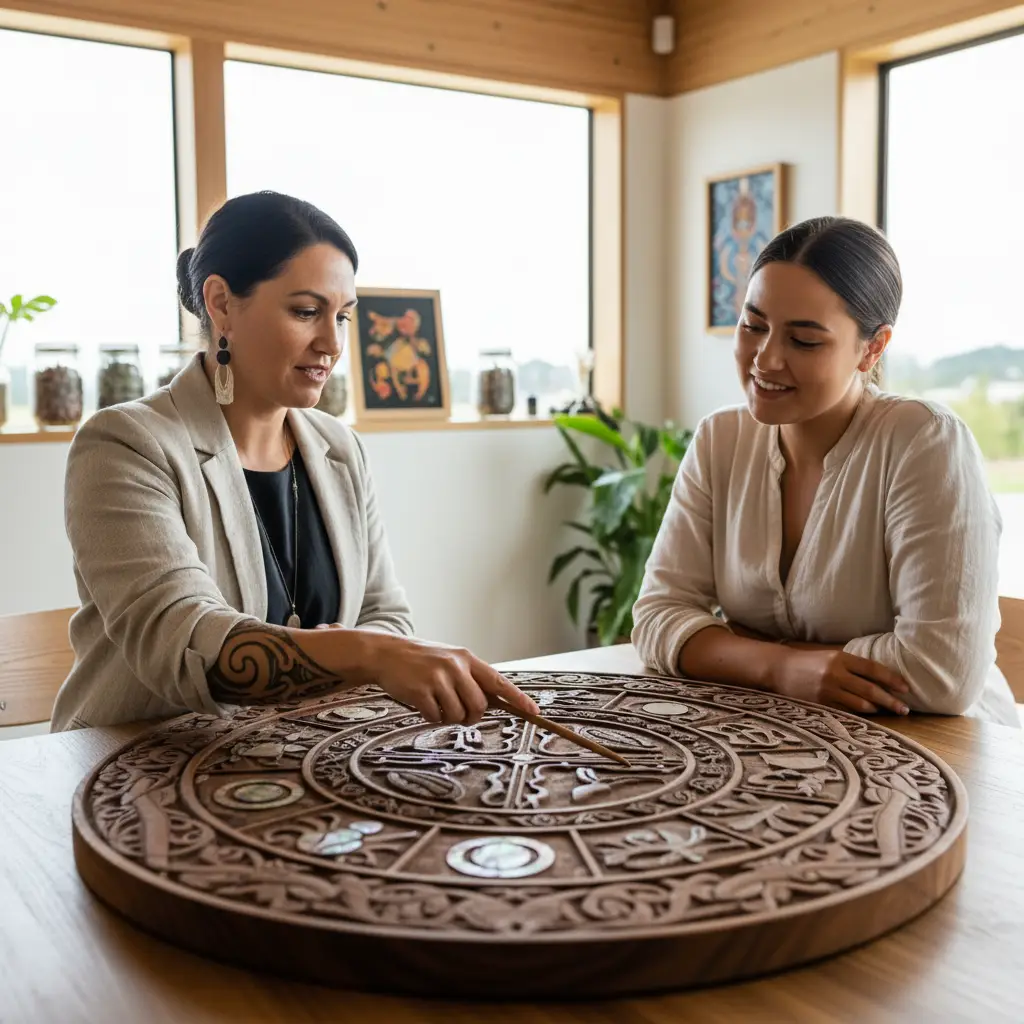
For the practitioner of Rongoā Māori (traditional Māori healing), the Maramataka is an essential diagnostic and prescriptive tool. Each of the approximately 30 phases of the lunar month carries a specific energy or ‘mauri’. This mauri influences the sap flow in plants, the behavior of tides, the temperament of animals, and the physiological and psychological states of human beings. By understanding whether a day is governed by the energy of Tangaroa (the god of the sea) or the unpredictable nature of the Tamatea phases, a practitioner can determine the most efficacious time for harvesting medicinal plants or performing therapeutic bodywork.
The Role of the Moon in Te Ao Māori
In the Māori worldview, the moon is a central figure in the maintenance of balance. It is often referred to as ‘Te Marama-i-whanake’ (the moon that grows) or ‘Te Marama-kua-pahemo’ (the moon that has passed). The moon’s cycle is seen as a blueprint for the cycles of life, death, and rebirth. This celestial rhythm dictates the ‘taka’ or ‘turn’ of events. In a clinical Rongoā setting, acknowledging the moon’s current phase allows the clinician to work with the patient’s natural biological rhythms, leading to more profound healing outcomes.
Key Phases for Action: High Energy and Productivity
Within the Maramataka, certain phases are characterized by high energy and abundance. These are the periods when the ‘mauri’ of the environment is outward-facing and expansive. These phases are traditionally used for planting, fishing, and communal activities, as well as intensive healing sessions that require the patient to have high stamina.
Rākaunui: The Peak of Energy
The phase of Rākaunui (Full Moon) is the most recognizable period of high energy. During this time, the tides are at their highest, and the ‘wai’ (water) within all living things—including humans and plants—is drawn toward the surface. In Rongoā Māori, this is a prime time for harvesting certain leaf-based medicines, as the potency of the plant is believed to be concentrated in the foliage. However, because energy is so high, it can also be a time of emotional intensity. Clinical integration during Rākaunui often focuses on ‘mirimiri’ (massage) to help ground the patient’s excess energy.
The Tangaroa Phases: Abundance and Flow
The three phases known as Tangaroa-ā-mua, Tangaroa-ā-roto, and Tangaroa-kiokio are widely considered the most productive days of the lunar month. Named after the deity of the ocean, these days are synonymous with abundance. For the Rongoā practitioner, these are excellent days for surgical procedures (traditionally) or deep-tissue clinical work, as the body is believed to be in its most resilient and ‘flowing’ state. These are also the best days for planting root crops, as the energy is moving downward and inward toward the earth’s foundations.
Orongonui: The Day of the Creator
Orongonui is a phase dedicated to Rongo-mā-Tāne, the deity of peace and cultivated foods. It is a day of immense spiritual and physical fertility. In a lifestyle context, this is a time for networking, building relationships, and launching new projects. From a clinical perspective, Orongonui is an auspicious day for starting a new course of treatment or long-term healing journey, as the energy supports growth and sustained health.
Phases for Reflection: Rest, Internalization, and Preparation
Contrastingly, the Maramataka identifies phases where energy is low or ‘hidden’. These phases are not ‘bad’ or ‘unlucky’; rather, they are necessary periods of rest and internal calibration. In a high-performance modern world, the Maramataka offers a culturally grounded justification for ‘stepping back’ to recharge.
Whiro: The New Moon and the Unseen
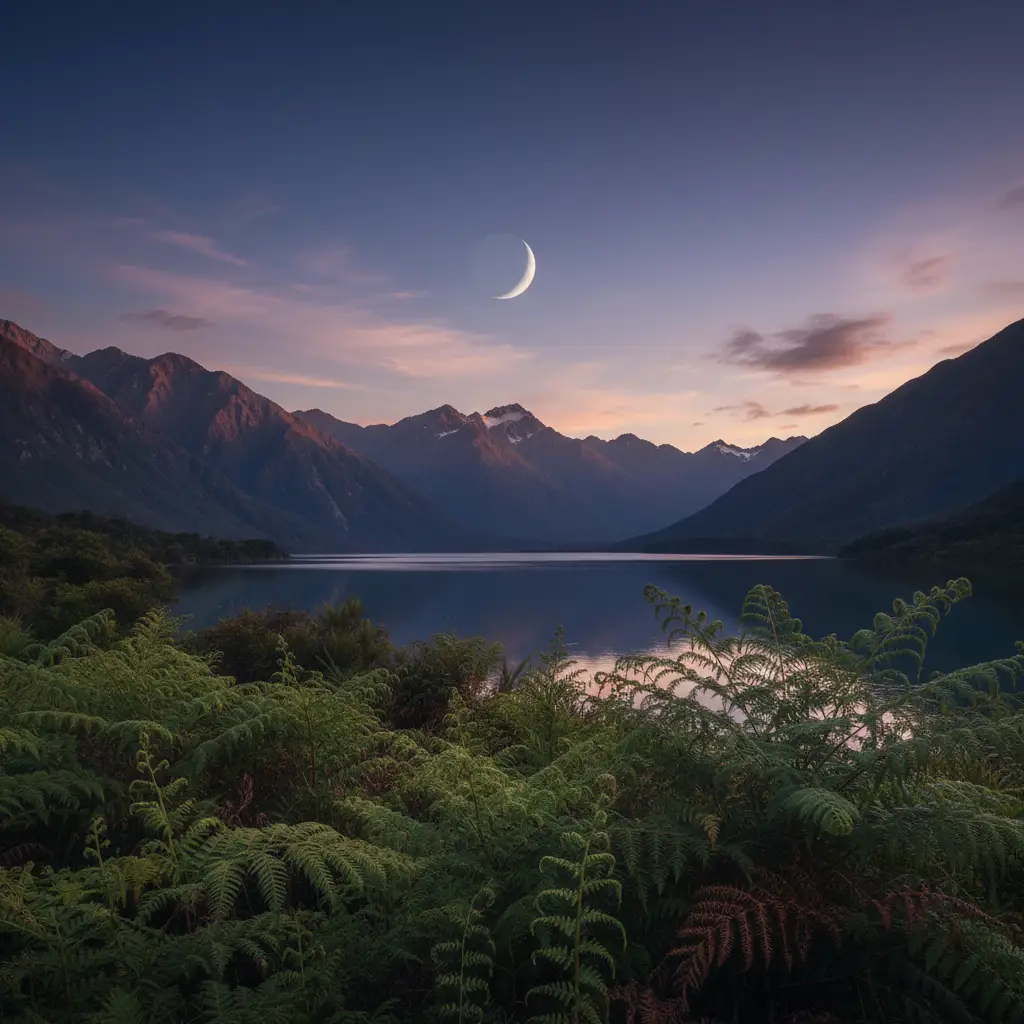
Whiro is the first phase of the lunar cycle, representing the New Moon. It is a time when the moon is not visible in the sky. In Māori tradition, Whiro is associated with the underworld and the unseen. Energy levels are typically at their lowest during this phase. This is a time for ‘no-action’—avoiding significant travel, big decisions, or heavy physical labor. In a Rongoā Māori lifestyle, Whiro is the period for fasting, meditation, and spiritual cleansing. Clinically, it is a time for quiet consultation and gentle energy work rather than intensive physical therapy.
The Tamatea Phases: Unpredictability and Caution
The four Tamatea phases (Tamatea-ngana, Tamatea-a-hotu, Tamatea-a-io, and Tamatea-kai-ariki) are known for their volatility. The weather is often unpredictable, and human emotions can mirror this turbulence. For the clinician, this is a time to be wary of heightened sensitivity in patients. It is a period for ‘reflection’ and ‘caution’ rather than ‘action’. By observing the Maramataka, a practitioner might choose to schedule less confronting therapies during these days to avoid overstimulating a patient who may already be feeling ‘on edge’ due to the environmental energy.
Huna: The Hidden Potential
The word ‘Huna’ means hidden. During this phase, fish and other food sources are said to hide, and energy is recessed. This is a time for personal inventory and internal work. In the context of a holistic lifestyle, the Huna phase is the perfect time to review one’s goals and prepare the ‘seeds’ (both literal and metaphorical) that will be planted during the upcoming high-energy phases. It is a time of planning and quiet preparation behind the scenes.
Observing the Environment: The Tohu of the Natural World
A critical aspect of mastering the Māori lunar phases is the observation of ‘tohu’ or environmental signs. The Maramataka is not a static document; it is a living system that requires the observer to be present in their local environment. The moon provides the framework, but the birds, plants, and insects provide the specific details for that month and year.
The Connection Between Moon and Sea
The interaction between the moon and the tides is the most visible expression of the Maramataka. High energy lunar phases correlate with ‘tai pari’ (high tides), which in turn affect the behavior of marine life. For those integrating Rongoā into their diet, understanding when certain seafood is at its nutritional peak—such as shellfish during the Tangaroa phases—is vital. This ensures that the food consumed is not only fresh but also vibrating with its maximum life-force energy.
Botanical Tohu and Flowering Cycles
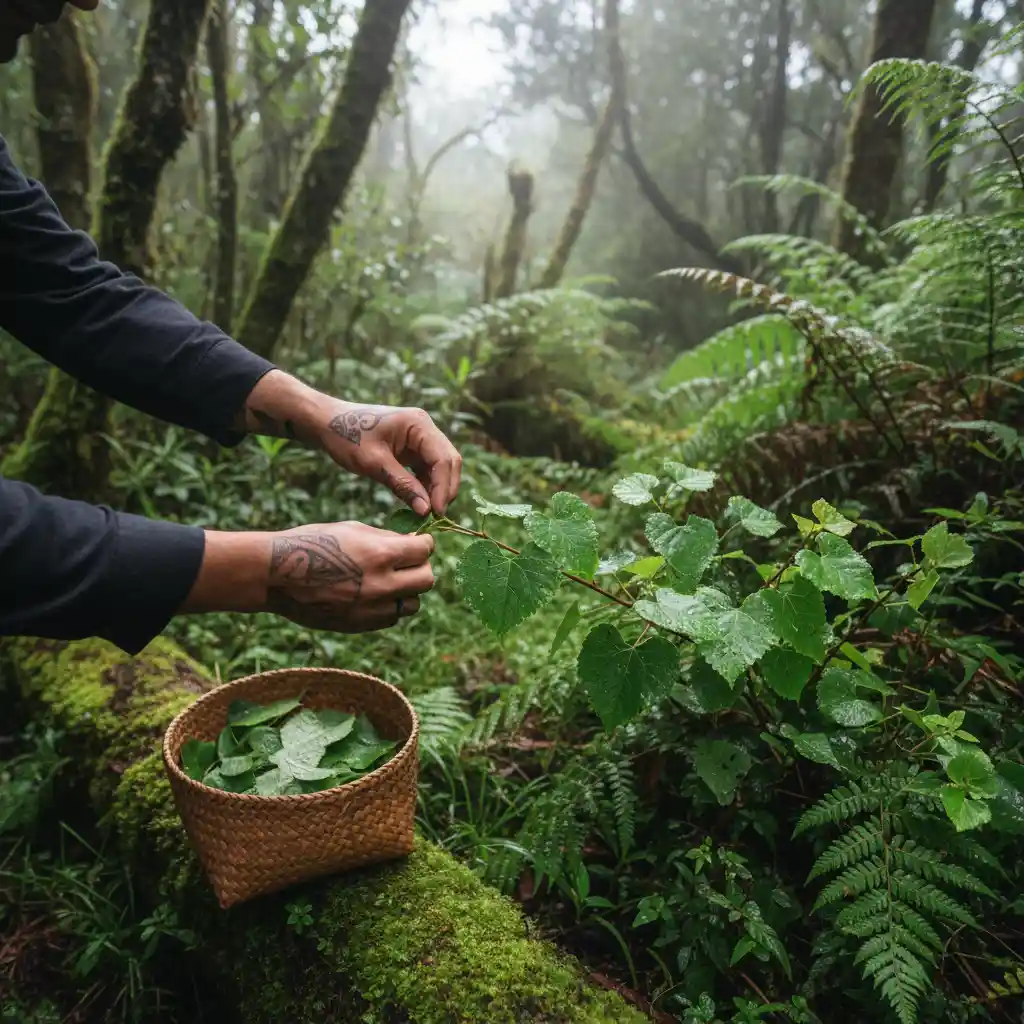
Plants respond to the lunar cycle with remarkable precision. Certain rongoā plants, such as the Kowhai or the Manuka, may flower earlier or later depending on the lunar progression and the preceding seasonal weather. A practitioner observing the Maramataka will look for these ‘tohu’ to confirm the moon’s phase and the environmental readiness for certain activities. For example, the appearance of specific blossoms might signal that it is time to harvest the inner bark of a tree for its medicinal properties, ensuring the sap flow is at the ideal level for both the tree’s health and the medicine’s potency.
Avian and Insect Indicators
The behavior of birds and insects also serves as a vital indicator. The migratory patterns of the Pīpīwharauroa (shining cuckoo) or the nesting habits of local birds often align with specific lunar months. In a clinical integration, these signs can help a practitioner understand broader seasonal health trends, such as the onset of respiratory issues in the community or times when the nervous system might be more susceptible to stress.
Clinical Integration of Maramataka in Rongoā Māori
For modern health professionals looking to integrate Māori lunar phases into a clinical setting, the approach must be both respectful and practical. It begins with the practitioner’s own alignment. By living according to the Maramataka, the clinician develops a deeper ‘tinana’ (bodily) understanding of the energy shifts they are observing in their patients.
In practice, this might look like scheduling more intensive, ‘release-based’ treatments (like deep Mirimiri or Romiromi) during the high-energy Tangaroa and Rākaunui phases. Conversely, the Whiro and Mutu phases might be reserved for administrative tasks, practitioner self-care, and patient consultations that focus on ‘rongoā puku’ (internal medicines) and spiritual counseling. This alignment prevents practitioner burnout and ensures that the patient receives the type of care that their own body is naturally primed to accept at that time.
Furthermore, the Maramataka provides a framework for ‘preventative’ medicine. By anticipating the Tamatea phases, a practitioner can provide patients with grounding techniques or calming herbal teas in advance, helping them navigate potential emotional turbulence before it manifests as physical illness. This is the essence of the Rongoā Māori holistic lifestyle: not just treating the symptom, but living in a way that maintains the balance between the individual and the taiao (environment).
Summary of the Lunar Month
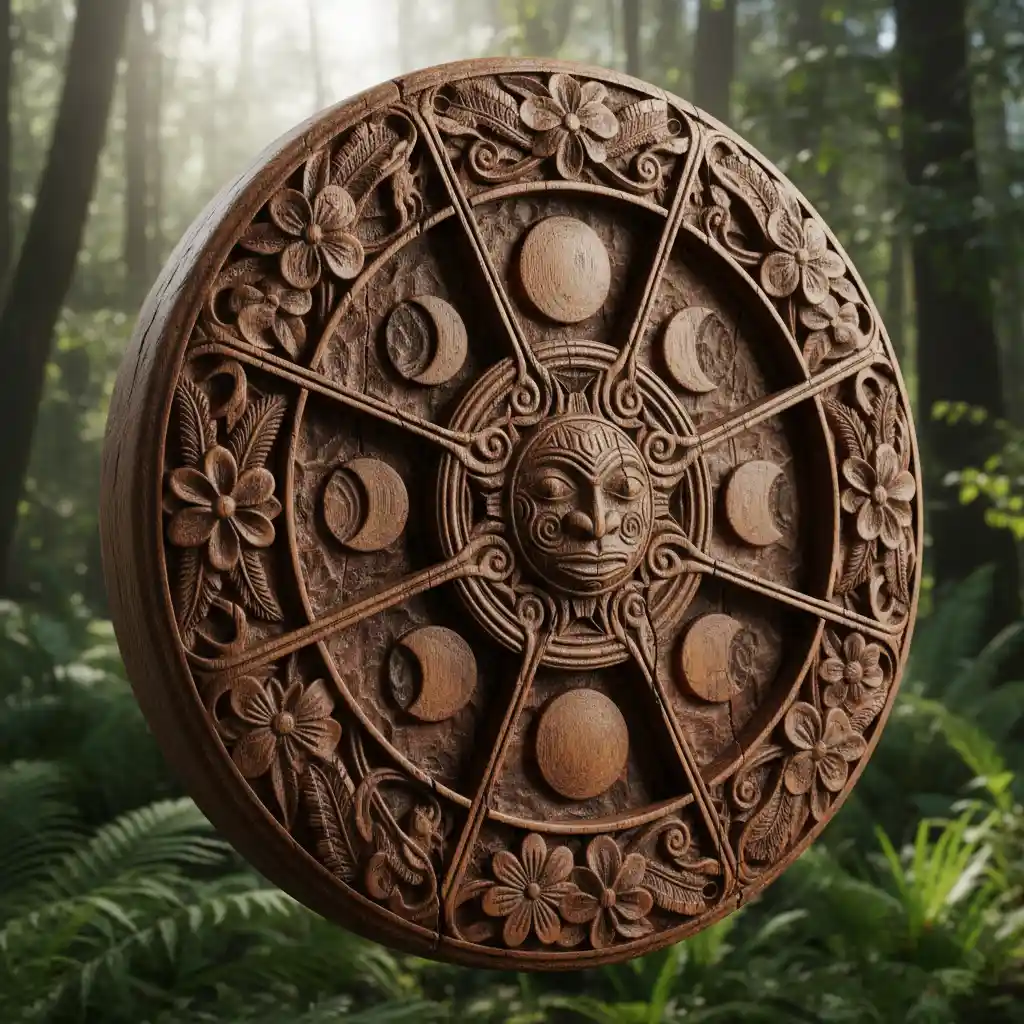
The journey from Whiro to Mutu is a continuous loop of energy. It moves from the void and potential of Whiro, through the building excitement of the early crescent, into the chaotic power of Tamatea, the peak abundance of Rākaunui, the productive ‘doing’ of the Tangaroa days, and finally into the completion and letting go of Omutu. Each phase is a teacher, and each day offers a specific opportunity for healing and growth. By returning to this ancestral knowledge, we find a sustainable path for modern health and well-being.
People Also Asked
What is the significance of the Whiro moon?
Whiro is the New Moon phase, representing the lowest energy point of the lunar cycle. In Te Ao Māori, it is a time for rest, reflection, and spiritual connection. It is generally advised to avoid major physical activities or important decisions during this time, focusing instead on internal planning and rejuvenation.
When is the best time to harvest Rongoā according to the Maramataka?
The best time for harvesting depends on the part of the plant being used. Generally, high-energy phases like Rākaunui (Full Moon) are ideal for harvesting leaves as the sap is high. The Tangaroa phases are considered excellent for all-around productivity and harvesting, ensuring the plant’s medicinal properties are at their peak.
How many phases are in the Māori lunar calendar?
A typical Maramataka cycle consists of 29.5 to 30 nights, each with its own specific name and associated energy. While names can vary between different iwi (tribes) based on local environmental observations, the core structure remains focused on the moon’s transition from new to full and back again.
Why are the Tangaroa phases important?
The Tangaroa phases (Tangaroa-ā-mua, Tangaroa-ā-roto, Tangaroa-kiokio) are named after the deity of the ocean and are associated with maximum productivity, abundance, and flow. These are considered the best days for fishing, planting, and conducting deep clinical work in Rongoā Māori.
What happens during the Rākaunui phase?
Rākaunui is the Full Moon phase, characterized by high environmental and personal energy. It is a time of abundance where the moon’s influence on the tides and the fluids in living things is strongest. It is a productive time but requires grounding to manage the intensity of the energy.
How does Maramataka influence mental health?
The Maramataka provides a natural framework for understanding emotional shifts. By recognizing that phases like Tamatea can cause unpredictability or that Whiro is a time for low energy, individuals can practice self-compassion and adjust their expectations, leading to better emotional regulation and reduced stress.