Western herbalism NZ defines the practice of traditional European and North American phytotherapy adapted to the unique ecological and cultural environment of Aotearoa. It combines the therapeutic application of introduced medicinal plants—such as Calendula and St. John’s Wort—with modern clinical research, while increasingly acknowledging and respectfully integrating with Rongoā Māori (indigenous healing) to form a distinct, bi-cultural approach to natural healthcare.
Historical Roots: From Settlers to Modern Practitioners
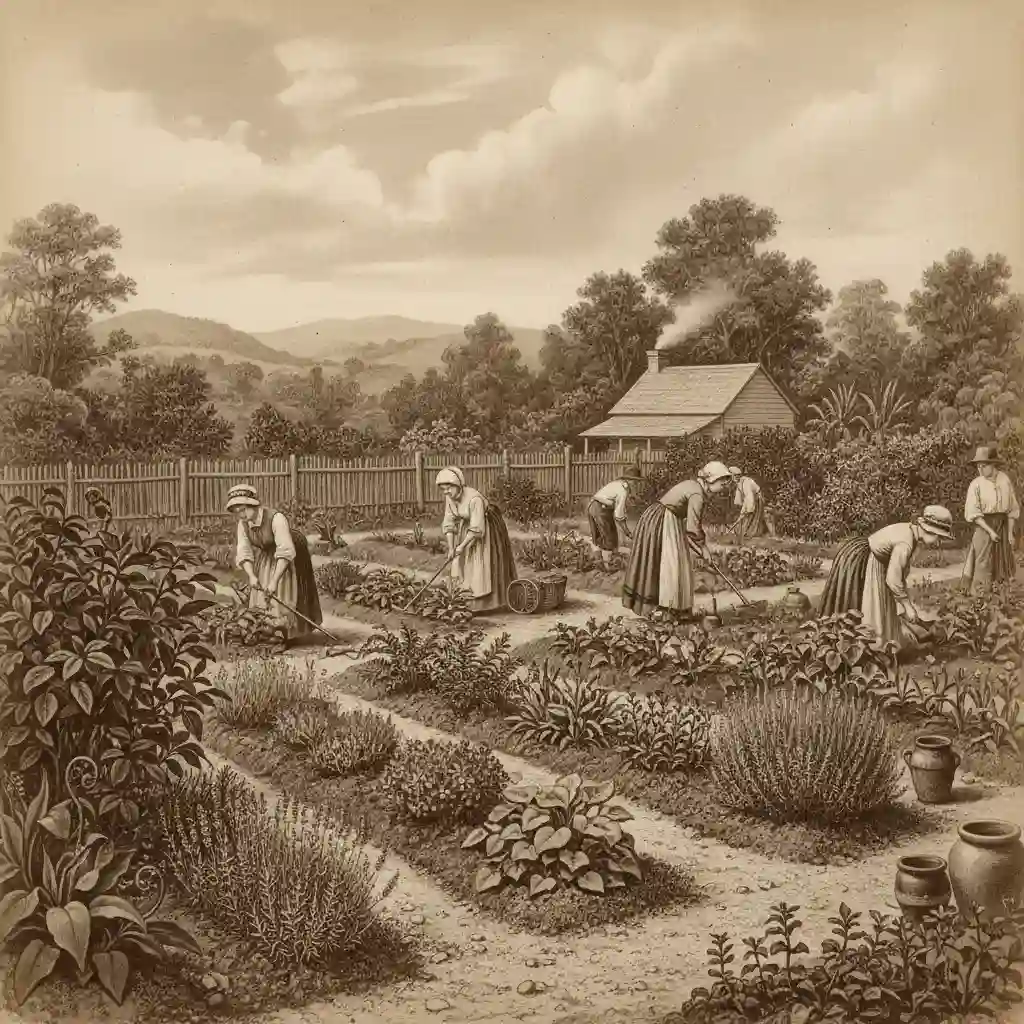
The history of Western herbalism in New Zealand is a fascinating narrative of adaptation, survival, and botanical exchange. When European settlers first arrived in Aotearoa in the 19th century, they brought with them a reliance on the plant medicines of their homelands. Without access to the pharmacies or doctors they left behind, these early Pākehā settlers carried seeds and rootstocks of essential medicinal plants, intending to recreate the apothecaries of Europe in the Southern Hemisphere.
However, the acclimatization of these plants was not merely an agricultural endeavor; it was a medical necessity. The isolation of rural New Zealand settlements meant that knowledge of herbal remedies was a critical skill for survival. Domestic medicine chests often contained recipes passed down through generations, utilizing herbs like Comfrey for injuries and Peppermint for digestive ailments.
One of the most significant figures in the history of New Zealand herbalism is Suzanne Aubert (Mother Aubert). Arriving from France in 1860, she became a pioneer in blending Western medical knowledge with the indigenous plant wisdom of the Māori people. Her work represents one of the earliest and most respectful syntheses of these two distinct traditions. She formulated remedies using native plants like Kawakawa and Koromiko, processing them using Western pharmaceutical techniques of the time, and selling them to fund her charitable mission. Her legacy underscores the foundational “blend” that defines the Kiwi approach to herbal medicine today.
Core Principles of Western Herbal Medicine
While the plants may grow in New Zealand soil, the philosophical framework of Western herbalism remains rooted in the traditions of Galen, the Eclectics, and modern phytotherapy. Understanding “Western herbalism NZ” requires a grasp of these enduring principles which guide practitioners across the country today.
Holism and Vitalism
At the heart of the practice is the concept of Vitalism—the belief that the body possesses an innate intelligence and capacity to heal itself. The role of the herbalist is not to suppress symptoms but to support this vital force (often referred to as the Vis Medicatrix Naturae). This contrasts with the reductionist approach often seen in conventional medicine, where the focus may be solely on eliminating a pathogen or managing a specific symptom.
Treating the Root Cause
New Zealand herbalists are trained to look beyond the presenting complaint. If a patient presents with eczema, a Western herbalist in NZ might investigate digestive health, liver function, or stress levels. The skin condition is viewed as a signal of internal imbalance rather than a localized problem. This investigative approach often utilizes a thorough case history, looking at diet, lifestyle, and environmental factors unique to the New Zealand lifestyle, such as high UV exposure or agricultural environmental toxins.
Synergy and Whole Plant Use
Unlike pharmaceutical drugs that isolate active constituents (e.g., extracting aspirin from willow bark), Western herbalism emphasizes the use of the whole plant. The belief is that the secondary metabolites, minerals, and other compounds within the plant work in synergy to enhance bioavailability and reduce side effects. For instance, while Meadowsweet contains salicylates that reduce pain, it also contains mucilage that protects the stomach lining, preventing the gastric irritation often associated with synthetic aspirin.
Popular Western Herbs Cultivated in New Zealand
New Zealand’s temperate maritime climate provides ideal growing conditions for a vast array of European and North American medicinal plants. Many of these have thrived so well they have become naturalized, and in some cases, are classified as weeds due to their vigor, requiring practitioners to navigate the Packaging & Labeling Requirements for NZ Herbal Products when preparing them for sale.
Calendula (Calendula officinalis)
Calendula is a staple in New Zealand gardens. Known for its bright orange flowers, it is a potent vulnerary (wound healer) and lymphatic tonic. In the NZ context, it is frequently used in balms and creams for farm injuries, sun-damaged skin, and gardening cuts. Its ability to grow nearly year-round in the North Island makes it a reliable resource for Home herbalists.
St. John’s Wort (Hypericum perforatum)
This plant presents a unique dichotomy in New Zealand. While globally revered as a premier antidepressant and nervine, in New Zealand, it is often classified as a noxious weed in agricultural areas because it can cause photosensitivity in livestock. However, for the medical herbalist, the high UV levels in New Zealand are believed to stimulate the plant to produce higher concentrations of hypericin (one of its active constituents), potentially making NZ-grown St. John’s Wort exceptionally potent.
Echinacea (Echinacea purpurea / angustifolia)
Originally from North America, Echinacea is grown commercially in the South Island, particularly in Canterbury and Otago. The distinct seasons and cold winters of the South Island mimic its native habitat, stimulating root development. It remains the primary immune modulator used in Western herbalism NZ for winter colds and flu prevention.

The Convergence: Western Traditions and Rongoā Māori
The defining characteristic of the modern New Zealand herbal landscape is the relationship between Western Herbal Medicine (WHM) and Rongoā Māori. This is not merely a clinical overlap but a cultural dialogue that requires respect, understanding, and adherence to the Treaty of Waitangi principles.
Two Distinct Paradigms
Western herbalism is largely based on phytochemistry and physiological systems, differing from other modalities like Homeopathy 101: Like Cures Like. Rongoā Māori, however, is a holistic system that encompasses taha wairua (spiritual health), taha hinengaro (mental health), taha tinana (physical health), and taha whānau (family health). While a Western herbalist might prescribe Kawakawa for its anti-inflammatory properties based on chemical analysis, a Rongoā practitioner views the plant as a connection to Papatūānuku (Earth Mother) and incorporates karakia (prayer) and tikanga (cultural protocols) into the harvesting and preparation.
Collaborative Care
Increasingly, Western medical herbalists in NZ are undertaking training to understand the cultural significance of native plants. Many clinics now operate with a bi-cultural awareness, referring clients to Rongoā practitioners when spiritual imbalances are detected, or utilizing native plants like Manuka and Kumarahou alongside Western herbs like Thyme and Elecampane for respiratory conditions.
For authoritative information on the cultural significance and history of Māori medicine, resources such as Te Ara – The Encyclopedia of New Zealand provide essential context for understanding how these traditions coexist.
Professional Standards and Education in NZ
Unlike some countries where herbalism is strictly unregulated or strictly limited to doctors, New Zealand occupies a middle ground driven by strong self-regulation.
The New Zealand Association of Medical Herbalists (NZAMH)
The primary body overseeing the profession is the New Zealand Association of Medical Herbalists (NZAMH). Established to ensure public safety and professional competency, the NZAMH requires members to hold approved qualifications (usually at a degree level) and adhere to a strict code of ethics. This ensures that when a member of the public searches for “Western herbalism NZ,” they can find practitioners who are trained in clinical diagnosis, pharmacology, and drug-herb interactions.
Educational Pathways
Education in New Zealand has evolved from informal apprenticeships to accredited Bachelor’s degrees. These programs cover anatomy, physiology, biochemistry, and botany. Crucially, modern curricula often include modules on Rongoā Māori, ensuring that new graduates are culturally competent and aware of the indigenous flora’s medicinal uses, even if they primarily practice within a Western framework.

The Future of Herbal Medicine in Aotearoa
The future of Western herbalism in New Zealand is geared towards sustainability and integration. As global supply chains face instability, there is a renewed focus on “localism”—using plants that grow well in the immediate environment rather than importing herbs from overseas. This shift encourages the cultivation of Western herbs locally and the sustainable wildcrafting of naturalized species.
Furthermore, the regulatory landscape continues to evolve. Discussions regarding the Natural Health Products Bill and the therapeutic products regime are ongoing. The goal for the industry is to secure legislation that ensures product safety without restricting access to traditional remedies that have been used safely for centuries. You can read more about the regulatory landscape on the Ministry of Health website.
Ultimately, Western herbalism in NZ is maturing into a unique discipline. It is no longer just a European import; it is a practice deeply rooted in the soil of Aotearoa, respecting the indigenous wisdom of the land while applying the rigour of modern science to support the health of New Zealanders.
People Also Ask
Is herbal medicine regulated in New Zealand?
Currently, herbal medicine practice in New Zealand is self-regulated. The New Zealand Association of Medical Herbalists (NZAMH) sets standards for education and practice. However, the manufacturing and sale of natural health products are subject to specific government regulations to ensure safety and quality.
What is the difference between Rongoā Māori and Western herbalism?
Rongoā Māori is the traditional indigenous healing system of New Zealand, encompassing spiritual (wairua), physical, and family health, often involving karakia (prayer) and native plants. Western herbalism originates from European and North American traditions, focusing primarily on phytotherapy and physiological systems, though modern NZ practitioners often respect and acknowledge both.
Can I grow Western medicinal herbs in New Zealand?
Yes, New Zealand’s temperate maritime climate is excellent for growing many popular Western herbs. Plants like Calendula, Peppermint, Lemon Balm, Comfrey, and Rosemary thrive in most NZ gardens, and some, like St. John’s Wort, grow so well they can become invasive.
Who was Mother Aubert in NZ herbal history?
Suzanne Aubert (Mother Aubert) was a French Catholic sister who arrived in NZ in 1860. She is a pivotal figure in NZ herbal history for her work in combining Western medical science with Māori plant knowledge (Rongoā) to create remedies, which she sold to support her charitable mission.
Is St. John’s Wort considered a weed in New Zealand?
Yes, in many agricultural contexts in New Zealand, St. John’s Wort is classified as a noxious weed because it can cause photosensitivity in livestock. However, it remains a highly valued plant for medical herbalists for its use in treating mild to moderate depression and nerve pain.
How do I become a medical herbalist in NZ?
To become a registered medical herbalist in New Zealand, you typically need to complete a recognized qualification, such as a Bachelor of Natural Medicine. After graduating, you can apply for membership with the NZAMH, which requires adherence to continuous professional development and ethical standards.