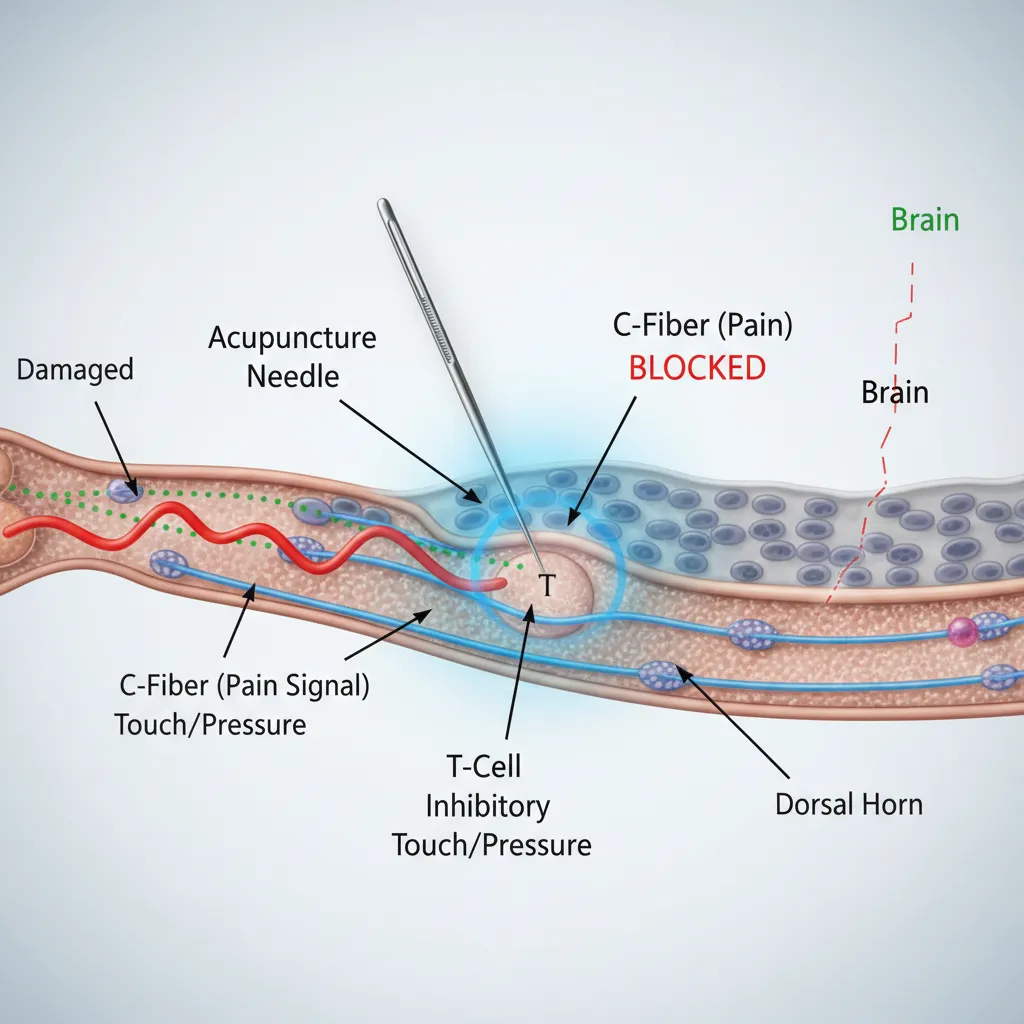
Tongue diagnosis TCM explained is a foundational diagnostic method in Traditional Chinese Medicine, as noted on our Home, where the tongue’s color, shape, coating, and moisture are analyzed to assess internal health. Practitioners view the tongue as a map of the body, revealing the state of organs, Qi, Blood, and fluids to identify imbalances before they manifest as severe physical symptoms.
The Philosophy Behind the Tongue as a Microsystem
In the realm of Traditional Chinese Medicine (TCM), the body is viewed not as a collection of isolated parts, but as an interconnected landscape where energy (Qi) flows through meridians. The tongue is considered a unique microsystem—a holographic representation of the entire body’s internal environment. Unlike the pulse, which can fluctuate rapidly based on immediate stress or movement, the tongue presents a more stable picture of chronic conditions and the body’s constitutional strength.
The connection between the tongue and the internal organs is both physiological and energetic. Physically, the tongue is highly vascularized, meaning it is rich in blood vessels. In TCM theory, the heart “opens” to the tongue, meaning the color and vitality of the tongue muscle directly reflect the health of the Blood and the Heart Qi. Furthermore, the tongue coating is produced by the rising steam of the Stomach’s digestive activity. Therefore, a quick glance at the tongue provides immediate data regarding blood circulation, hydration levels, and digestive efficiency.
For centuries, practitioners have used this visual inspection to diagnose patterns of disharmony, such as Yin deficiency, Blood stasis, or the accumulation of Dampness. Understanding these patterns allows for early intervention, often addressing health issues in accordance with Medsafe Guidelines for Herbal Product Claims and Advertising while they are still in the energetic phase, long before they show up on standard Western blood tests.
Mapping the Organs: What Zones Represent
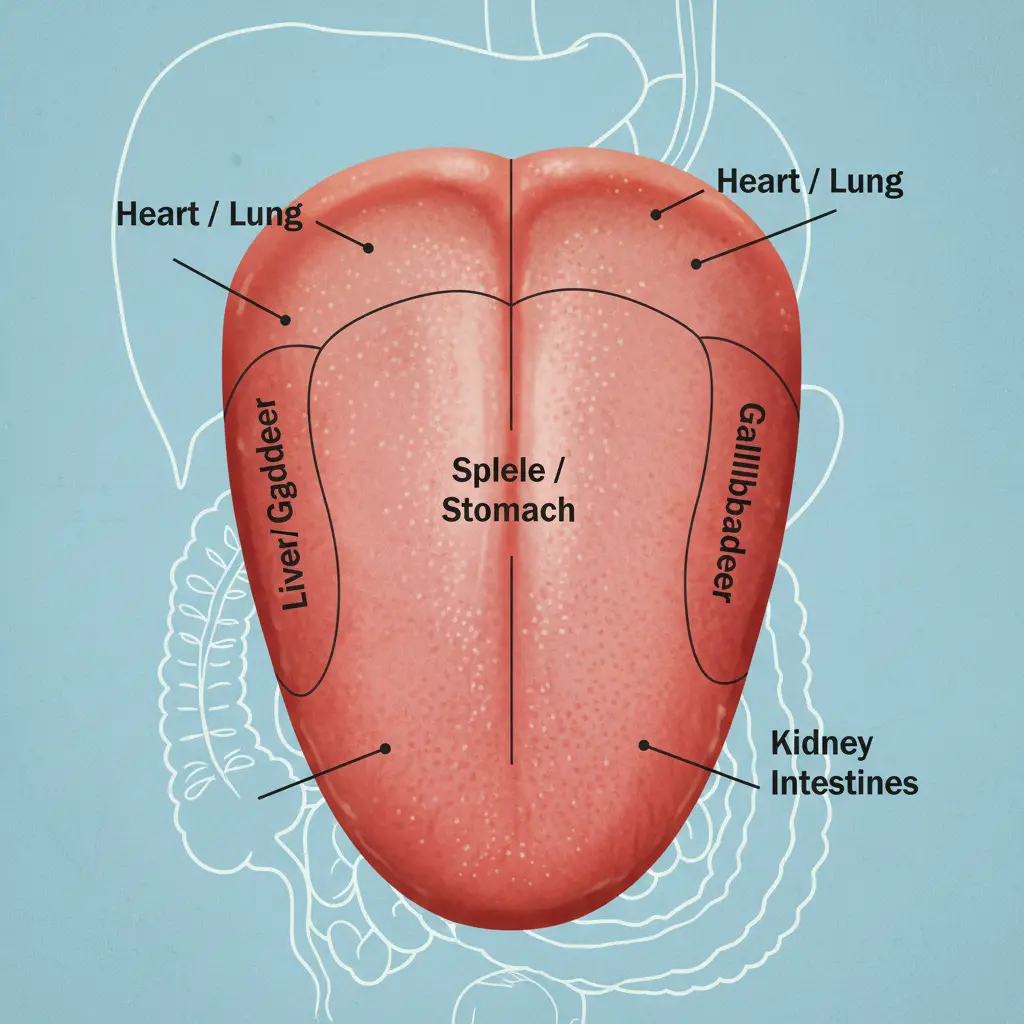
One of the most fascinating aspects of tongue diagnosis TCM explained is the topographical map used to locate specific organ imbalances. The tongue is divided into specific zones, each corresponding to a Zang-Fu organ system. While there are minor variations among different schools of thought, the standard mapping is generally accepted across the discipline.
The Tip: The Heart and Lungs
The very tip of the tongue corresponds to the Heart. In TCM, the Heart houses the “Shen” (Spirit). A red tip often indicates Heart Fire, which may manifest as anxiety, insomnia, or palpitations. Just behind the tip lies the area associated with the Lungs. Redness or small red dots (papillae) here can indicate a respiratory infection or unresolved grief, as the Lungs are emotionally connected to sadness.
The Center: The Spleen and Stomach
The middle section represents the digestive core: the Spleen and Stomach. This area reflects the body’s ability to digest food and transform it into Qi and Blood, concepts explored in Nutritional Herbalism: Global Perspectives & NZ Applications. A thick, greasy coating in the center suggests food stagnation or dampness (poor digestion), while a crack down the middle can indicate “Stomach Yin Deficiency,” which often correlates with gastritis or acid reflux.
The Sides: The Liver and Gallbladder
The lateral edges of the tongue reflect the Liver and Gallbladder. These organs are responsible for the smooth flow of Qi and the processing of stress. If the sides are red, it suggests Liver Fire (anger, high blood pressure, or stress). If the sides are curled or swollen, it may indicate Liver Qi Stagnation, a common condition in our high-stress modern society often accompanied by rib-side pain or mood swings.
The Root: The Kidneys and Intestines
The back of the tongue, or the root, corresponds to the Kidneys, Urinary Bladder, and Intestines. This area is naturally slightly coated. However, if the coating is missing (peeled) at the root, it suggests Kidney Yin deficiency (often seen in menopause or chronic exhaustion). A thick yellow coating at the root can indicate damp-heat in the lower burner, such as a urinary tract infection.
Interpreting the Vital Signs: Color and Shape
Once you understand the geography, the next step is interpreting the terrain. The color of the tongue body (the muscle itself, not the coating) reveals the true condition of the body’s organs, Yin, Yang, Qi, and Blood.
Tongue Body Color
- Pale: A pale tongue indicates a deficiency of Qi and Blood or the presence of Cold. People with pale tongues often suffer from fatigue, dizziness, spontaneous sweating, or anemia.
- Red: Redness indicates Heat. If the whole tongue is red, there is excess heat in the body (fever, inflammation). If only specific spots are red, the heat is localized to that organ.
- Purple or Blueish: This is a sign of Blood Stasis or severe Cold. In TCM, pain is caused by stagnation. A purple tongue is often seen in patients with chronic pain, dysmenorrhea, or cardiovascular issues.
Tongue Body Shape
- Swollen (Puffy): A tongue that looks too big for the mouth often indicates Phlegm or Dampness. If it is swollen and pale, it is usually Yang deficiency (lack of metabolic fire).
- Teeth Marks (Scalloped Edges): Often seen alongside a swollen tongue, teeth marks on the sides indicate Spleen Qi Deficiency. The tongue is so boggy and weak that it swells against the teeth, retaining their impression. This is a classic sign of fatigue and poor digestion.
- Thin: A thin, shriveled tongue indicates a deficiency of fluids (Yin) or Blood. The body lacks the moisture to “plump” the muscle tissue.
- Cracks: Deep fissures in the tongue body usually indicate long-term Yin deficiency (dryness). The location of the crack tells you which organ is dried out.
Decoding the Coating (Fur) and Moisture
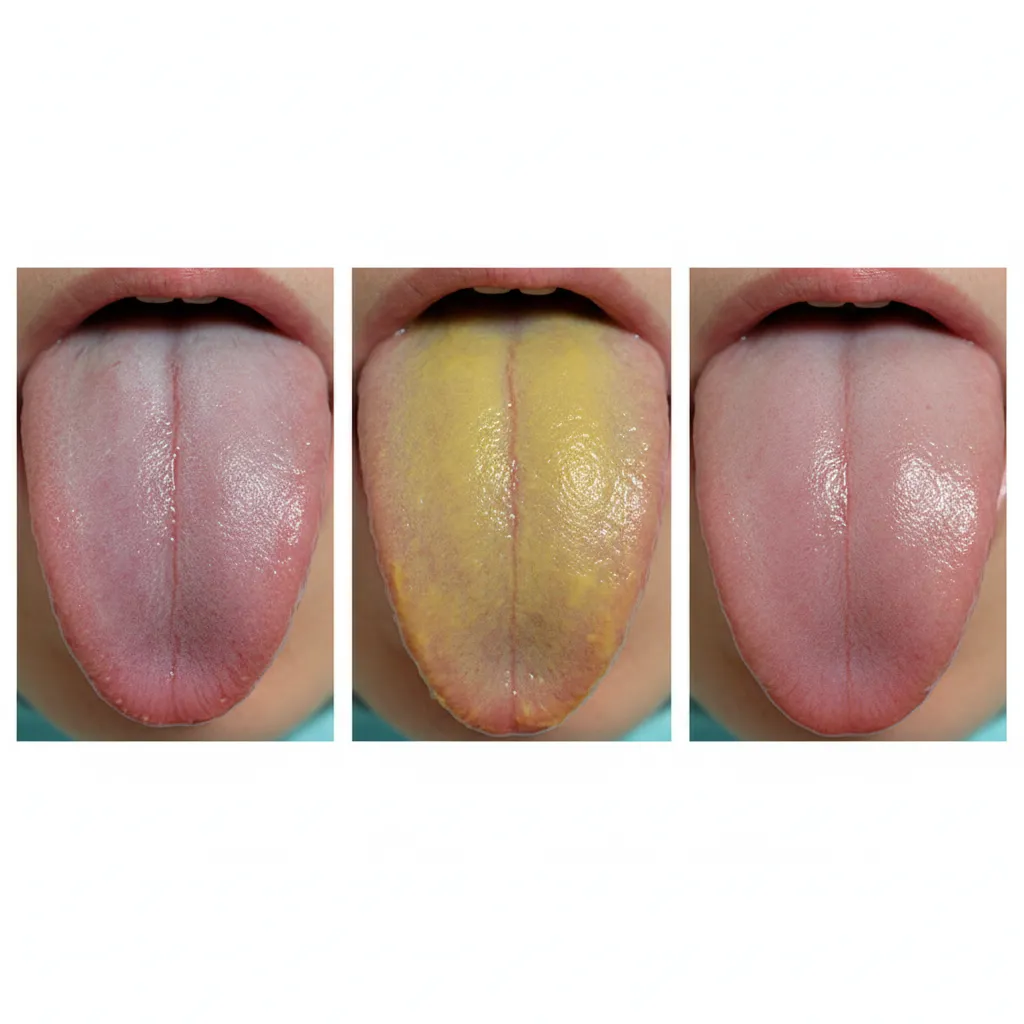
The “moss” or fur on the tongue is just as important as the body. In a healthy person, there should be a thin, white, slightly moist coating rooted in the tongue. This indicates good Stomach Qi.
Coating Thickness and Texture
A thick coating indicates an excess condition, usually the presence of a pathogenic factor like wind, cold, or food retention. The thicker the fur, the stronger the pathogen. Conversely, a peeled or absent coating (geographic tongue) indicates a deficiency of Stomach Yin. The digestive system is too weak to produce the steam necessary to create the coat.
Greasy or Sticky coating: This looks like a layer of oil or mucus and signifies “Dampness” or “Phlegm.” This is common in conditions involving high cholesterol, obesity, or chronic sinus issues.
Coating Color
- White: Corresponds to Cold. A thick white coat often appears at the onset of a cold or flu.
- Yellow: Corresponds to Heat. As a pathogen moves deeper into the body and turns into heat (fever/infection), the white coat turns yellow.
- Grey/Black: This is rare and indicates extreme conditions, either extreme Cold or extreme Heat, depending on the moisture level.
Integrative View: Western Medicine Correlations
While TCM terminology like “Dampness” and “Qi” can seem abstract, modern integrative medicine has found significant overlaps between tongue signs and Western medical diagnoses. Bridging this gap helps validate the ancient practice.
For example, the “Beefy Red” tongue associated with Yin Deficiency in TCM is strikingly similar to the presentation of atrophic glossitis, which is often caused by nutritional deficiencies such as Vitamin B12, folic acid, or iron. Similarly, a pale tongue in TCM directly correlates with clinical anemia, where reduced hemoglobin leads to pallor in the mucous membranes.
The “purple” tongue indicating blood stasis has been observed in patients with chronic cardiovascular insufficiency or cyanosis, where oxygen saturation is low. Furthermore, the “greasy yellow coat” of Damp-Heat often correlates with an imbalance in the gut microbiome or systemic inflammation. Research from authoritative bodies like the National Center for Complementary and Integrative Health (NCCIH) acknowledges that while TCM concepts differ from Western science, the diagnostic observations often point to real physiological changes.
How to Perform a Reliable Self-Check
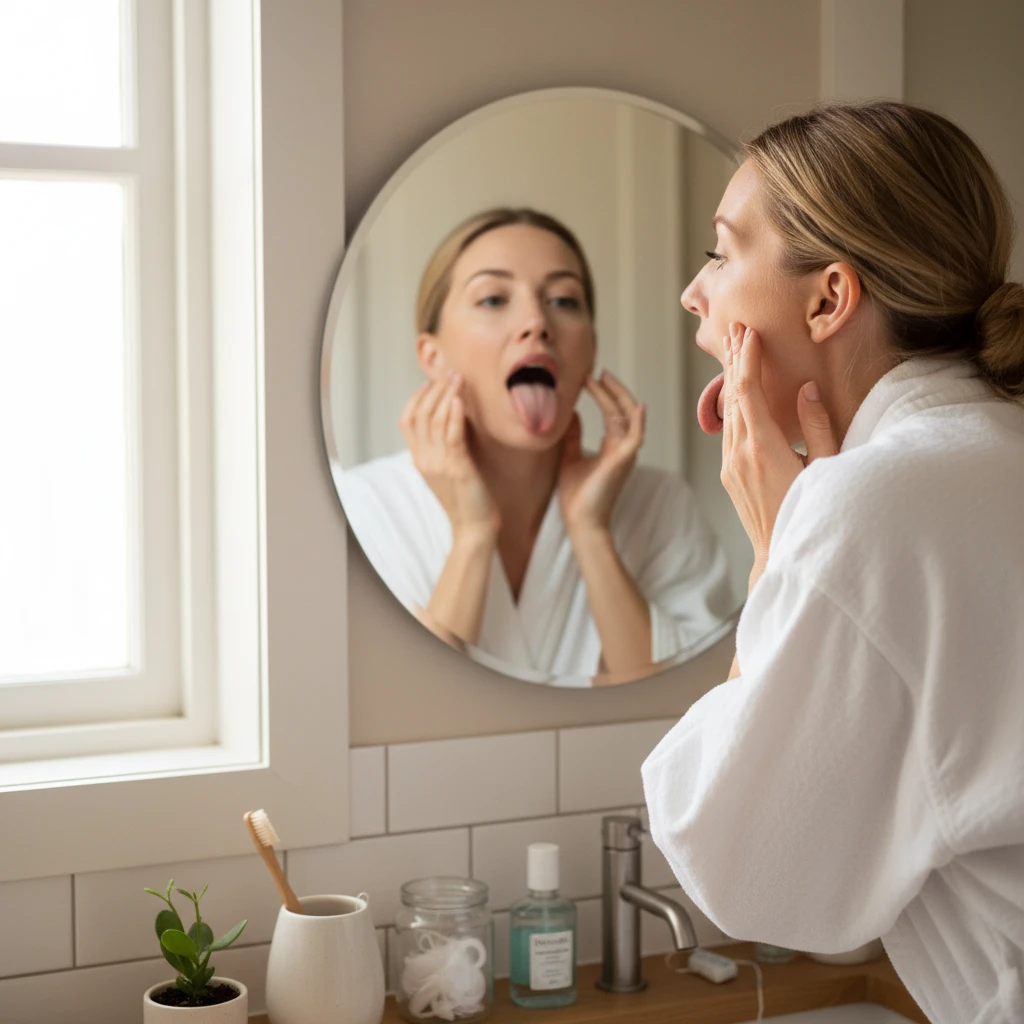
Performing a self-diagnosis can be a powerful tool for monitoring your daily health, but accuracy depends on consistency and environment. Here is the protocol for an accurate reading:
- Lighting Matters: Always check your tongue in natural daylight. Artificial yellow or fluorescent lights can distort the color, making a pale tongue look red or vice versa.
- Timing is Key: The best time to inspect your tongue is first thing in the morning, before brushing your teeth or eating breakfast. Coffee can stain the coating yellow/brown, and brushing can scrape away the coating, giving a false reading of Yin deficiency.
- Relax the Muscle: Extend your tongue naturally. Do not hold it out for more than 15-20 seconds, as the tension will turn the tongue redder and change the shape, confusing the diagnosis.
- Avoid Food Stains: Be aware that blueberries, beets, curry, and colored candies will temporarily alter the tongue’s color.
When to Consult a Practitioner
While self-observation is helpful for lifestyle adjustments, tongue diagnosis is a complex art that takes years to master. A professional acupuncturist or Doctor of Oriental Medicine (DOM) looks at the tongue in conjunction with pulse diagnosis and a detailed health history.
You should seek professional care if you notice:
- Persistent Changes: A coating that remains thick or greasy for weeks despite diet changes.
- Severe Cracks: Deep fissures coupled with insomnia or night sweats.
- Vein Distention: If the sublingual veins (under the tongue) are dark, thick, and distended, this is a strong sign of blood stasis that may require herbal intervention.
- Asymmetry: A tongue that consistently deviates to one side when stuck out can be an early warning sign of wind-stroke (stroke) or neurological issues and requires immediate medical attention.
By understanding tongue diagnosis TCM explained, you gain a new language to communicate with your body. It serves as an early warning system, empowering you to make dietary and lifestyle shifts that align with your body’s current needs.
People Also Ask
What does a healthy tongue look like in TCM?
A healthy tongue in TCM is described as “pink and lively.” It should be a fresh, light red color (like fresh meat), neither too pale nor too dark. It should be flexible, not stiff or trembling, and have a thin, white coating that is rooted (cannot be easily scraped off) and slightly moist, indicating healthy stomach fluids.
What do teeth marks on the side of the tongue mean?
Teeth marks, or scalloped edges, usually indicate Spleen Qi Deficiency. This means the digestive system is weak and the body is not metabolizing fluids correctly, causing the tongue to swell and press against the teeth. It is often accompanied by fatigue, loose stools, and bloating.
Why is my tongue coating yellow?
A yellow coating signifies Heat in the body. A pale yellow coating indicates mild heat (perhaps a slight sore throat), while a thick, dark yellow coating indicates severe heat or infection. If the coating is yellow and greasy, it suggests Damp-Heat, often related to rich, spicy foods or alcohol consumption.
Can tongue diagnosis detect cancer?
TCM tongue diagnosis is not a substitute for a biopsy or Western cancer screening. However, certain signs like a purple/bluish tongue body (blood stasis) or deviated tongue are taken seriously as signs of significant pathology. While some studies suggest correlations between tongue appearance and certain cancers, you should always consult an oncologist for cancer screening.
How often does the tongue change?
The tongue coating can change very rapidly, sometimes within hours, reflecting immediate changes in digestion or the onset of a cold. The tongue body color and shape change much more slowly, taking weeks or months to shift, as they reflect the deep constitutional health of the body.
What does a crack down the middle of the tongue mean?
A crack extending down the center to the tip often relates to the Heart and emotional stress. A crack in the center only relates to the Stomach and Spleen, often indicating Stomach Yin deficiency (gastritis) or a constitutional weakness in digestion.