
Triphala benefits digestion by acting as a synergistic prebiotic and mild laxative that fundamentally restores the balance of the gut microbiome. Composed of three potent superfruits—Amla, Bibhitaki, and Haritaki—it enhances intestinal motility (peristalsis), reduces gastrointestinal inflammation, and promotes the proliferation of beneficial bacteria such as Bifidobacteria and Lactobacillus while inhibiting harmful pathogens, making it a cornerstone of integrative digestive health at our Home.
The Ancient Formula: Understanding the Three Fruits
Triphala, a Sanskrit term translating literally to “three fruits,” is arguably the most revered polyherbal formulation in Ayurvedic medicine. While modern science is actively validating its efficacy, its usage spans thousands of years as a Rasayana—a rejuvenating tonic capable of balancing the body’s internal bio-elements, often highlighting Synergies Between Rongoā Māori and Other Indigenous Healing Practices. To truly understand why Triphala benefits digestion so effectively, one must analyze its individual components, each bringing unique phytochemical properties to the digestive tract.
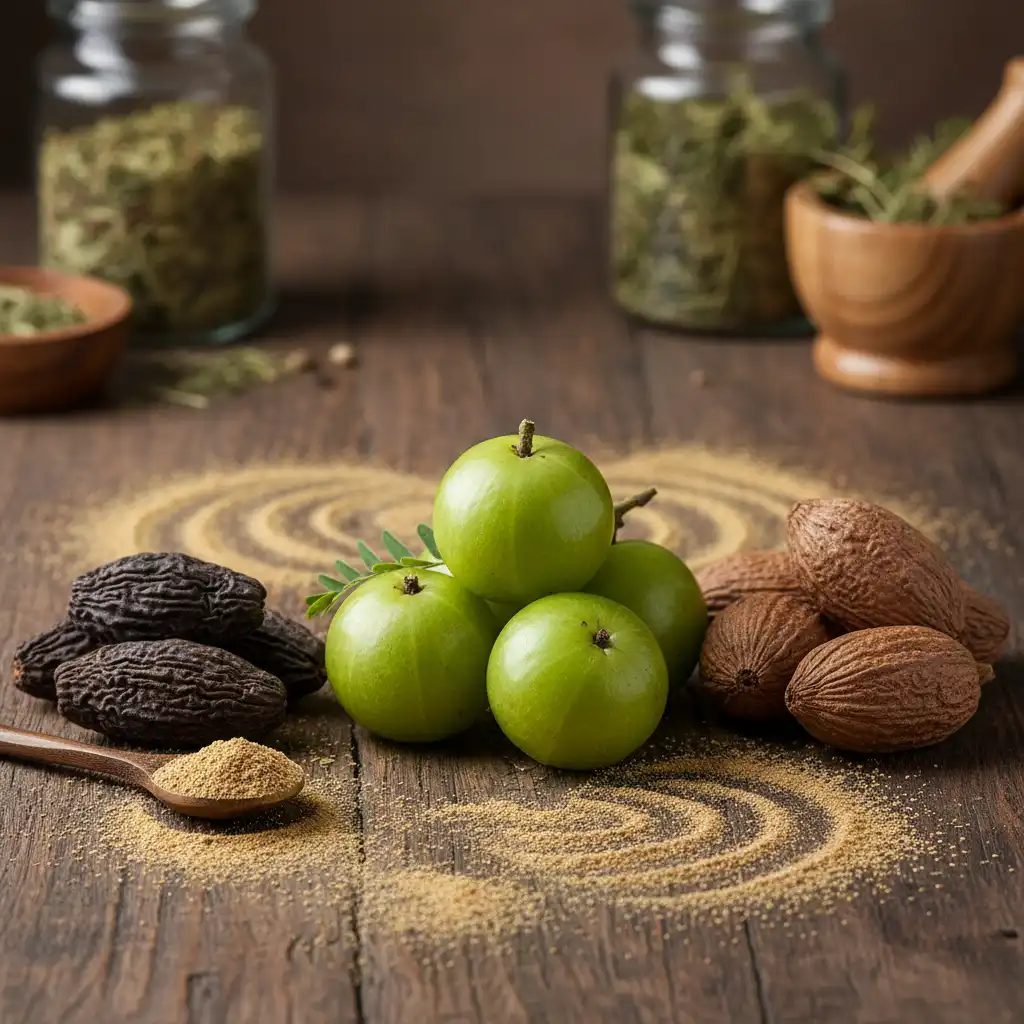
1. Amla (Emblica officinalis)
Commonly known as Indian Gooseberry, Amla is a powerhouse of Vitamin C and heat-stable tannins. In the context of digestion, Amla acts as a cooling agent. It helps to regulate gastric acid levels, soothing the stomach lining and preventing the burning sensation associated with hyperacidity and GERD. Its high fiber content adds bulk to the stool, assisting in regular bowel movements, while its anti-inflammatory properties repair the mucosal lining of the gastrointestinal tract.
2. Bibhitaki (Terminalia bellerica)
Bibhitaki is traditionally used for conditions involving excess accumulation of mucus and fluids. In the gut, it plays a critical role in breaking down food particles and ensuring efficient nutrient absorption. It is particularly noted for its ability to clear congestion in the digestive tract and remove toxins (Ama) that adhere to the intestinal walls. Research suggests Bibhitaki possesses hepatoprotective qualities, supporting liver function which is intrinsic to healthy digestion.
3. Haritaki (Terminalia chebula)
Often called the “King of Medicines” in Tibet, Haritaki is the primary driver of Triphala’s laxative effects. It stimulates the neuromuscular function of the gut, promoting healthy peristalsis—the wave-like muscle contractions that move food through the digestive tract. Haritaki is essential for relieving constipation and is also credited with strengthening the digestive fire (Agni), ensuring that metabolism remains robust and efficient.
Microbiome Modulation: The Prebiotic Science
The modern commercial investigation into Triphala has shifted focus from simple laxative effects to its profound impact on the gut microbiome. The human gut hosts trillions of microorganisms that dictate everything from immunity to mood. Triphala acts as a high-potency modulator of this ecosystem.
Recent studies indicate that Triphala functions as a prebiotic. Prebiotics are non-digestible fibers and compounds that feed the “good” bacteria in the colon. The polyphenols in Triphala, specifically gallic acid, chebulagic acid, and chebulinic acid, are metabolized by gut bacteria into bioactive metabolites. This process selectively stimulates the growth of beneficial species like Lactobacillus and Bifidobacteria.
Conversely, Triphala exhibits antimicrobial activity against enteric pathogens. It creates an environment that is hostile to harmful bacteria such as E. coli and Salmonella, without disrupting the beneficial flora. This selective modulation is what separates Triphala from harsh synthetic laxatives or antibiotics, which often “nuke” the microbiome indiscriminately. By restoring the ratio of Firmicutes to Bacteroidetes, Triphala may also play a role in metabolic health and weight management.
Read more about the therapeutic uses of Triphala on the NCBI database.
Triphala for Digestion: Laxative vs. Colon Cleanser
One of the most common reasons consumers seek Triphala is for relief from constipation. However, categorizing it merely as a laxative is a reductionist view that undermines its restorative capabilities. Understanding the distinction between a stimulant laxative and a bowel regulator is crucial for long-term health.

The Mechanism of Action
Synthetic laxatives (like bisacodyl or senna) often work by irritating the intestinal lining to force a contraction. While effective for acute relief, dependent use can lead to “lazy bowel” syndrome, where the gut loses its natural ability to contract. Triphala works differently. It tones the intestinal muscles over time. The anthraquinones present in the formulation provide a gentle nudge, while the tannins tighten and tone the intestinal walls.
Colon Cleansing Properties
As a colon cleanser, Triphala is unique because it cleanses without stripping. It helps to scrape away toxic residue trapped in the folds of the intestine while simultaneously replenishing tissues. This dual action makes it safe for daily use over extended periods, unlike harsh purgatives. It effectively manages symptoms of bloating, flatulence, and abdominal pain by ensuring that waste does not ferment in the colon.
Antioxidant Profile and Systemic Benefits
The benefits of Triphala extend far beyond the bathroom. The gut is often referred to as the “second brain,” and approximately 70% of the immune system resides in the gut-associated lymphoid tissue (GALT). By optimizing the gut environment, Triphala exerts powerful systemic antioxidant and anti-inflammatory effects.
Triphala is incredibly rich in polyphenols, flavonoids, and Vitamin C. These compounds are potent antioxidants that combat oxidative stress caused by free radicals. Oxidative stress in the gut is a leading cause of Inflammatory Bowel Disease (IBD) and leaky gut syndrome. By neutralizing these free radicals, Triphala helps maintain the integrity of the intestinal barrier, preventing endotoxins from leaking into the bloodstream.
Furthermore, the anti-inflammatory properties of Triphala have been observed to reduce markers of systemic inflammation. This suggests that regular consumption can support joint health, skin clarity, and even cardiovascular health, alongside specific aids like Arnica Montana: Trauma and Bruising, all of which are intrinsically linked to the status of the microbiome.
How to Use Triphala for Optimal Gut Health
Integrating Triphala into your wellness routine requires understanding the best forms and dosages for your specific needs. It is available in powders (churna), tablets, capsules, and liquid extracts. Each form has its advantages depending on the user’s tolerance for taste and convenience.
Powder vs. Capsules
Traditionally, the powder form is preferred. In Ayurveda, the digestive process begins in the mouth. Tasting the herbs—Triphala possesses five of the six tastes (sweet, sour, pungent, bitter, astringent)—signals the digestive system to release specific enzymes. However, the taste is notoriously strong and astringent. For those who cannot tolerate the flavor, capsules are an effective alternative, though they may take slightly longer to act.
Recommended Dosage
For general digestive maintenance and microbiome support:
- Powder: 1/2 to 1 teaspoon mixed with warm water or milk. It is best taken on an empty stomach, either first thing in the morning or just before bed.
- Capsules: Typically 500mg to 1000mg taken before bed with warm water.
Triphala tea is another popular method. Steep the powder in hot water for 10 minutes, allow the sediment to settle, and drink the liquid. Adding a teaspoon of honey or ghee can potentiate the effects and make it more palatable.

Safety Profile and Contraindications
While Triphala is generally considered safe (GRAS) for most people, it is a potent formulation that should be treated with respect. Because of its downward-moving energy (Vata anulomana), it is generally not recommended for pregnant women as it may stimulate uterine contractions. Nursing mothers should also consult a healthcare provider before use.
Additionally, individuals taking blood-thinning medications should exercise caution, as mild interactions may occur. While it is not habit-forming in the physiological sense, it is advisable to cycle the supplement—for example, taking it for three months and then taking a break for a few weeks—to allow the body to maintain its own natural rhythms.
For those with chronic diarrhea or loose stools, Triphala should be avoided until the condition resolves, as its laxative properties could exacerbate the issue. As always, when introducing a new supplement into a regimen, specifically for treating medical conditions like IBS or chronic constipation, professional medical advice is paramount.
People Also Ask
Can I take Triphala every day?
Yes, Triphala is generally safe for daily use and is traditionally designed as a daily tonic. Unlike harsh chemical laxatives that cause dependency, Triphala nourishes and tones the digestive tract. However, many practitioners recommend cycling it (e.g., taking it for 10-12 weeks followed by a 2-week break) to ensure the body remains responsive.
How long does it take for Triphala to work for digestion?
For acute constipation, Triphala usually produces a bowel movement within 6 to 12 hours, which is why it is often taken before bed. For chronic digestive issues and microbiome restoration, consistent use for 4 to 6 weeks is typically required to observe significant improvements in bloating, regularity, and overall gut health.
Does Triphala help with belly fat?
Triphala may support weight loss indirectly by improving digestion, reducing bloating, and regulating blood sugar levels. Animal studies have shown that Triphala can help reduce visceral fat and body weight, likely due to its ability to modify the gut microbiome and improve metabolic function, though human trials are still evolving.
Is it better to take Triphala at night or in the morning?
The timing depends on your goal. For digestive cleansing and relieving constipation, taking it at night before bed is ideal. If you are taking it as a Rasayana (rejuvenative tonic) to boost immunity and energy, taking it in the morning on an empty stomach is often recommended.
Who should not take Triphala?
Pregnant women should avoid Triphala due to the risk of stimulating miscarriage. It should also be avoided by those experiencing diarrhea or dysentery. People on blood-thinning medication or diabetes medication should consult a doctor, as Triphala can lower blood sugar and affect clotting.
Does Triphala heal leaky gut?
Triphala shows promise in supporting the healing of leaky gut (intestinal permeability) due to its anti-inflammatory and antioxidant properties. By promoting the growth of beneficial bacteria and repairing the mucosal lining, it helps strengthen the intestinal barrier against toxins.