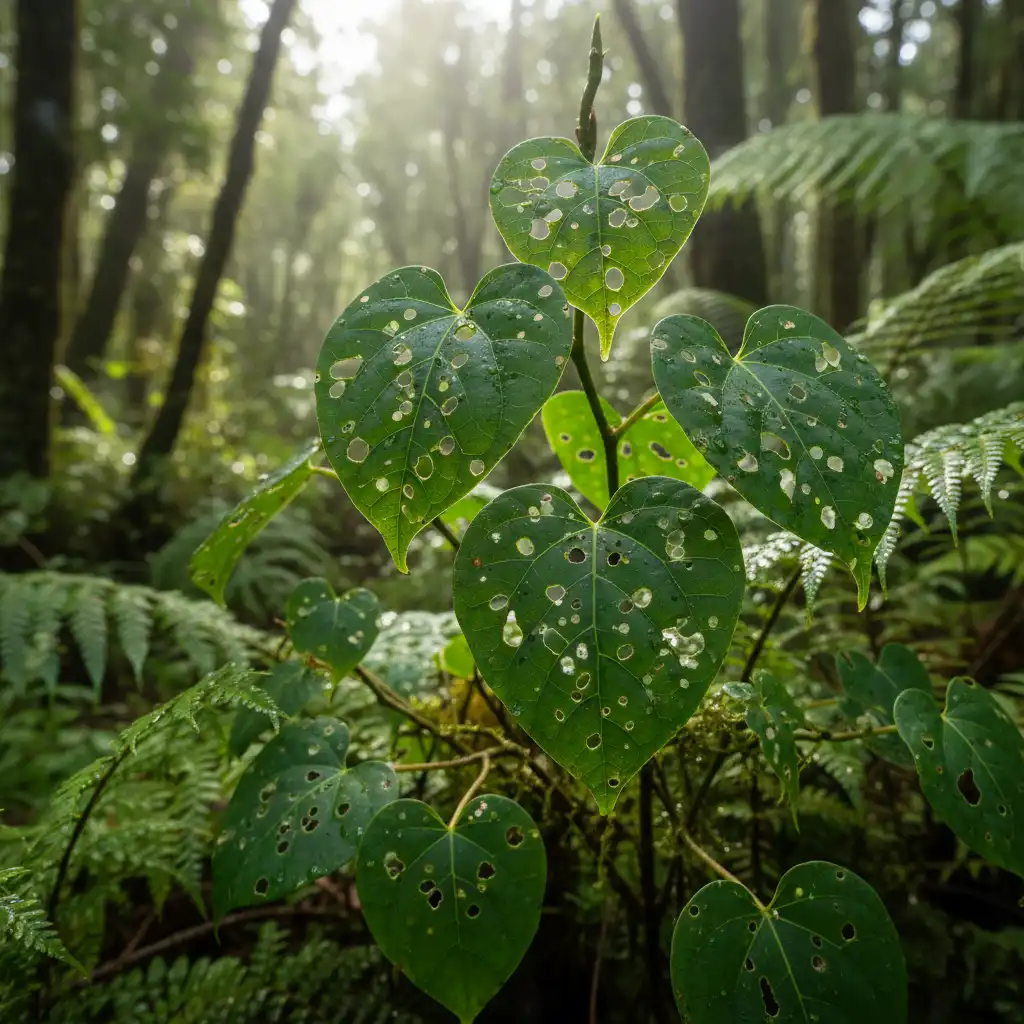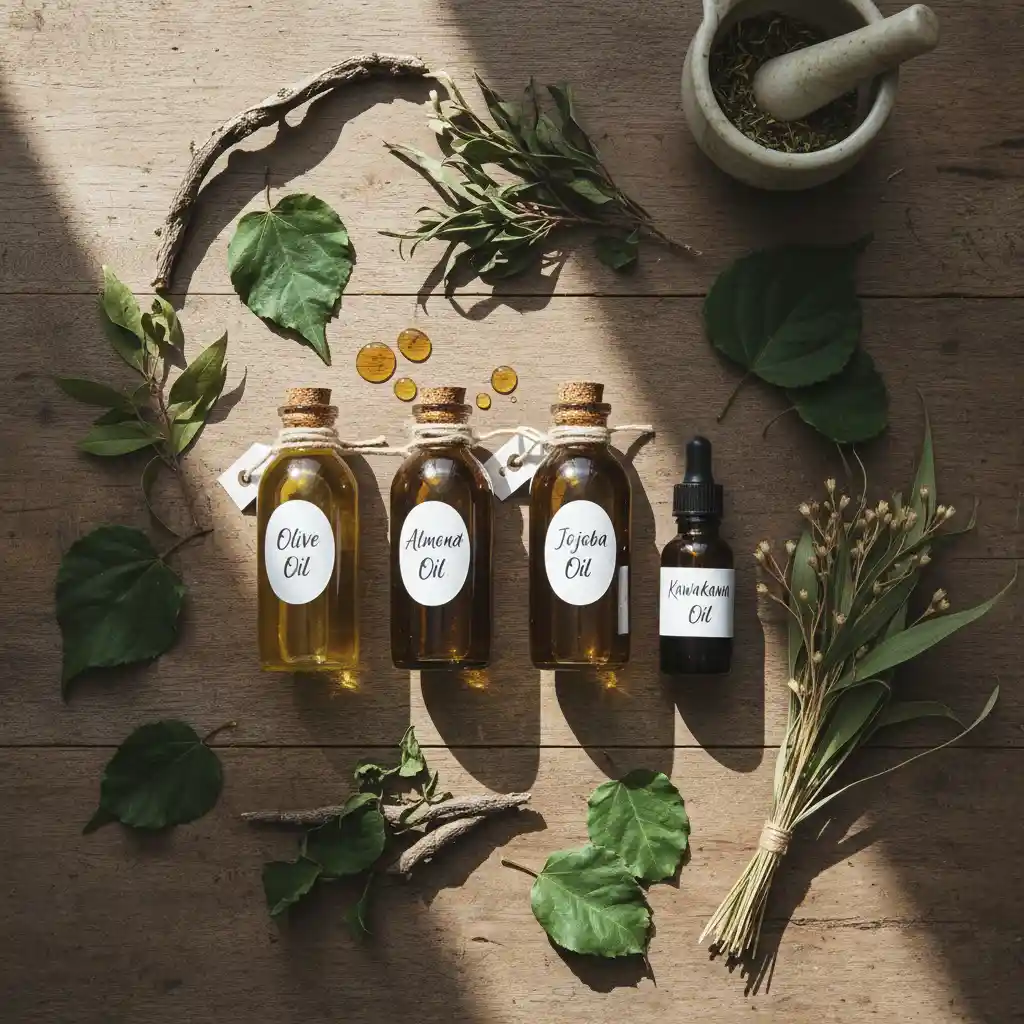
Herbal tincture NZ refers to a concentrated liquid extract created by macerating New Zealand native plants—such as Kawakawa, Manuka, or Kumarahou—in a solvent like high-proof alcohol or vegetable glycerine. This traditional extraction method pulls active medicinal constituents from the plant material, preserving them for long-term use and providing a potent, bioavailable alternative to herbal teas or capsules.
Understanding Herbal Tinctures in Aotearoa
In the landscape of natural health, the art of making herbal medicines is experiencing a renaissance. In New Zealand, this practice is uniquely enriched by the integration of Western herbal medicine techniques with Rongoā Māori (traditional Māori healing). A tincture is essentially a liquid extract where a solvent, known as a menstruum, is used to dissolve and maintain the chemical compounds of a plant. Discover more about our approach on our Home page.
While herbal teas (infusions and decoctions) are excellent for extracting water-soluble compounds, they have a short shelf life and require preparation before every dose. Tinctures, conversely, are highly concentrated, shelf-stable for years, and convenient to administer. They allow the user to capture the essence of the New Zealand bush—the ngahere—and utilize it throughout the year, including for health goals like Boosting Fertility Naturally.
The Role of Solvents: Alcohol vs. Glycerine
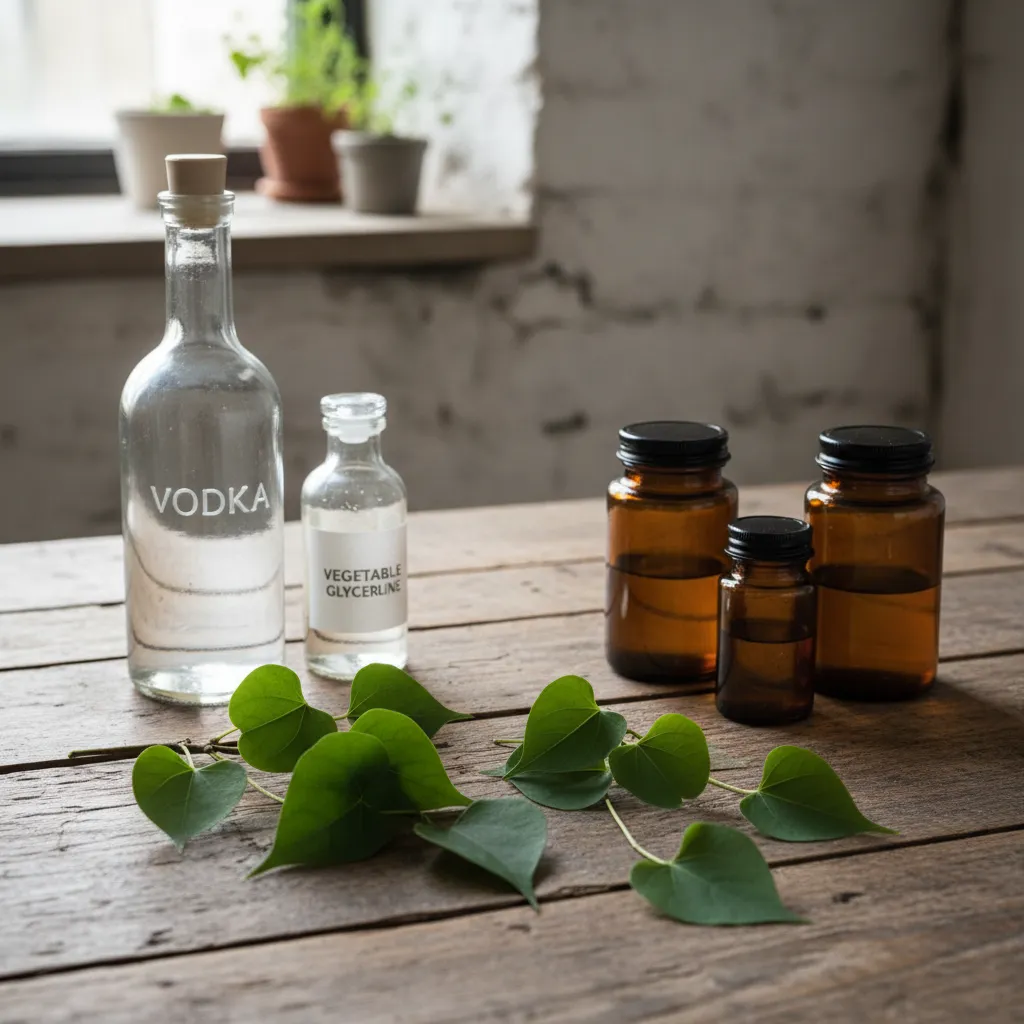
The choice of solvent determines the potency and the suitability of the final product, a principle that applies to all botanicals, including Panax Ginseng: The True Adaptogen. In the context of herbal tincture NZ production, two primary solvents are used:
- Ethyl Alcohol (Ethanol): This is the gold standard for most tinctures. Alcohol is an excellent solvent for extracting alkaloids, resins, and essential oils which water cannot dissolve. It also acts as a powerful preservative. For home herbalists, high-proof vodka (40% ABV or higher) is commonly used.
- Vegetable Glycerine: Glycerine is a sweet, syrupy liquid derived from plant oils. Extracts made with glycerine are technically called “glycerites.” They are less potent than alcohol tinctures because glycerine is a weaker solvent, but they are ideal for children, recovering alcoholics, or those with sensitive livers.
Selecting NZ Native Herbs for Extraction
Aotearoa is home to unique flora that possesses powerful medicinal properties. When creating a New Zealand herbal tincture, selecting the right plant material is paramount. It is crucial to identify plants correctly; if you are unsure, do not harvest it.
Kawakawa (Piper excelsum)
Often referred to as the “pharmacy of the forest,” Kawakawa is perhaps the most versatile herb in the NZ repertoire. Its heart-shaped leaves contain myristicin and diayangambin, which have anti-inflammatory and antimicrobial properties. A Kawakawa tincture is often used to support digestion, soothe stomach cramps, and aid in circulation.
Manuka (Leptospermum scoparium)
While famous for its honey, the leaves and bark of the Manuka tree are potent medicine. Rich in tannins and antibacterial oils, Manuka tincture is traditionally used for urinary tract support, respiratory congestion, and as a gargle for sore throats.
Kumarahou (Pomaderris kumeraho)
Known as “gumdigger’s soap” due to its saponin content which creates a lather when rubbed with water, Kumarahou is a premier respiratory herb. A tincture of Kumarahou is bitter but highly valued for helping to clear mucus from the lungs and support bronchial health.
Note: Always ensure you are harvesting sustainably and ethically. In Rongoā Māori, this involves asking permission (karakia), taking only what you need, and ensuring the plant can regenerate.
Step-by-Step Guide: Alcohol-Based Tinctures
Making an alcohol-based tincture is a straightforward process that relies on time and patience. There are two main methods: the “Folk Method” (simplest) and the “Weight-to-Volume Ratio Method” (most consistent). Below, we detail the Folk Method, which is accessible to everyone.
Equipment Needed
- Clean glass jar with a tight-fitting lid (Mason jars work well).
- Parchment paper or wax paper.
- Cheesecloth or a fine-mesh nut milk bag.
- Amber glass dropper bottles for the final product.
- Labels and a permanent marker.
The Process
- Prepare the Herbs: If using fresh herbs (like Kawakawa leaves), chop them finely to increase the surface area. If using dried herbs, you can leave them as is or crush them slightly.
- Fill the Jar:
- Fresh Herbs: Fill the jar loosely to the top. Do not pack them down too tightly; the alcohol needs to circulate.
- Dried Herbs: Fill the jar 1/3 to 1/2 full. Dried herbs will expand significantly as they rehydrate.
- Add the Solvent: Pour your high-proof alcohol (e.g., 40% Vodka) over the herbs. Ensure the herbs are completely submerged. For fresh herbs, the alcohol should cover them by at least an inch.
- Seal and Shake: Place a piece of parchment paper between the jar and the lid to prevent corrosion from the alcohol vapors (if using metal lids). Seal tightly. Shake the jar vigorously.
- Maceration: Store the jar in a cool, dark cupboard. Do not place it in direct sunlight. Let it sit for 4 to 6 weeks. Shake the jar daily—or whenever you remember—to keep the herbs circulating.
- Strain and Bottle: After the maceration period, pour the mixture through a cheesecloth into a clean bowl. Squeeze the cloth hard to extract every drop of liquid. Pour the liquid into amber bottles and label them with the herb name, solvent used, and date.
Glycerites: Alcohol-Free Extracts for Sensitive Groups
Glycerites are an excellent alternative for children, pets, or those avoiding alcohol. Vegetable glycerine has a sweet taste, which makes bitter herbs like Kumarahou more palatable. However, glycerine is not as strong a solvent as alcohol, so the processing time is slightly different.
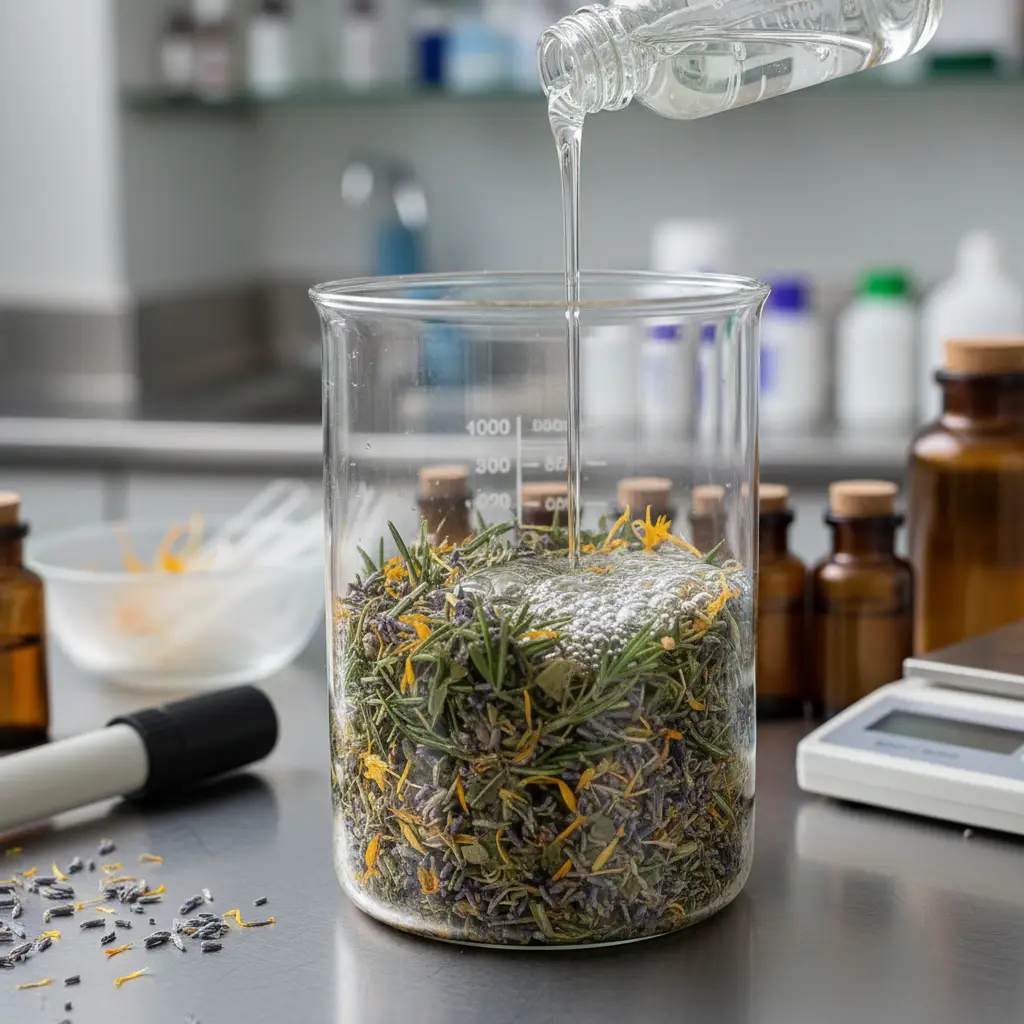
The Glycerite Ratio
Because glycerine is thick and does not preserve as well as alcohol, it is often diluted slightly with water, but the water content must remain low to prevent mold. A standard ratio for dried herbs is 1 part herb to 5 parts liquid (where the liquid is a mix of 75% glycerine and 25% distilled water).
Glycerite Method
- Combine Ingredients: Place your dried or fresh herbs in a jar.
- Prepare Solvent: Mix your vegetable glycerine with a small amount of distilled water (if using fresh herbs, use 100% glycerine as the plant contains its own water).
- Pour and Seal: Cover the herbs completely. Seal the jar.
- Heat Extraction (Optional but Recommended): Unlike alcohol, glycerine extracts benefit from gentle heat. You can place the sealed jar in a slow cooker filled with water (on the “warm” setting) for 3 days to speed up extraction. Alternatively, use the standard 4-6 week cupboard maceration method.
- Strain: Glycerine is thick and slow to strain. Be patient and squeeze well.
Dosage Guidelines and Storage Protocols
Once you have created your herbal tincture NZ masterpiece, proper storage is vital to maintain potency. Light, heat, and oxygen are the enemies of herbal preparations.
Storage Best Practices
- Amber Glass: Always store tinctures in amber or cobalt blue glass bottles. This blocks UV light which can degrade the active constituents.
- Temperature: Keep them in a cool, dark place. A medicine cabinet is ideal. Alcohol tinctures can last 3-5 years (or longer). Glycerites typically last 1-2 years.
- Labeling: Never skip this step. Write the common name, botanical name, part of the plant used (leaf, root, bark), solvent percentage, and date of bottling.
General Dosage Guidelines
Dosage varies significantly based on the herb and the individual. However, a standard adult dosage for a 1:5 potency tincture is often:
- Acute issues: 2-5ml taken 3 times daily.
- Chronic maintenance: 1-3ml taken 1-2 times daily.
For children, dosages are usually calculated by weight (e.g., Clark’s Rule). Always start with a lower dose to test for sensitivity.
Safety and Sustainability
While natural, herbal medicines are powerful and must be treated with respect. Some NZ natives interact with pharmaceutical medications. For example, Kawakawa can have blood-thinning effects and should be used with caution by those on anticoagulants.
Furthermore, the conservation of New Zealand’s biodiversity is critical. According to the Te Ara Encyclopedia of New Zealand, traditional harvesting practices emphasize sustainability to ensure these taonga (treasures) remain for future generations. Never harvest from roadside areas where plants may be sprayed with pesticides or exposed to exhaust fumes.
Frequently Asked Questions
What is the best alcohol to use for herbal tinctures?
For most home herbalists, 40% to 50% ABV (80-100 proof) vodka is the best choice. It is relatively tasteless and contains the perfect ratio of water to alcohol to extract both water-soluble and alcohol-soluble constituents from dried or fresh herbs.
Can I use fresh herbs for tinctures instead of dried?
Yes, you can use fresh herbs. However, fresh herbs contain water, which dilutes the alcohol. When using fresh herbs, it is recommended to use a higher proof alcohol (like 95% grain alcohol diluted slightly or high-proof vodka) to ensure the final alcohol concentration stays above 20% to prevent spoilage.
How long does it take to make a tincture?
The standard maceration time for a tincture using the folk method is 4 to 6 weeks. Some herbalists let them sit for months, while others use percolation methods that can produce a tincture in 24 hours, though the 6-week soak is the traditional standard.
Are glycerine tinctures as effective as alcohol ones?
Glycerine is a weaker solvent than alcohol, so it extracts fewer resins and essential oils. However, it is effective for vitamins, minerals, and mucilage. While slightly less potent, glycerites are often preferred for their taste and safety for children and those avoiding alcohol.
What is the shelf life of a homemade herbal tincture?
Alcohol-based tinctures stored in amber glass in a cool, dark place can last 3 to 5 years, often longer. Glycerine-based tinctures (glycerites) have a shorter shelf life, typically 1 to 2 years, and should be checked for mold or fermentation regularly.
Is it legal to forage native herbs in New Zealand?
Foraging on public conservation land usually requires a permit from the Department of Conservation (DOC). Foraging on private land requires the owner’s permission. Always adhere to local regulations and Tikanga Māori regarding harvesting.