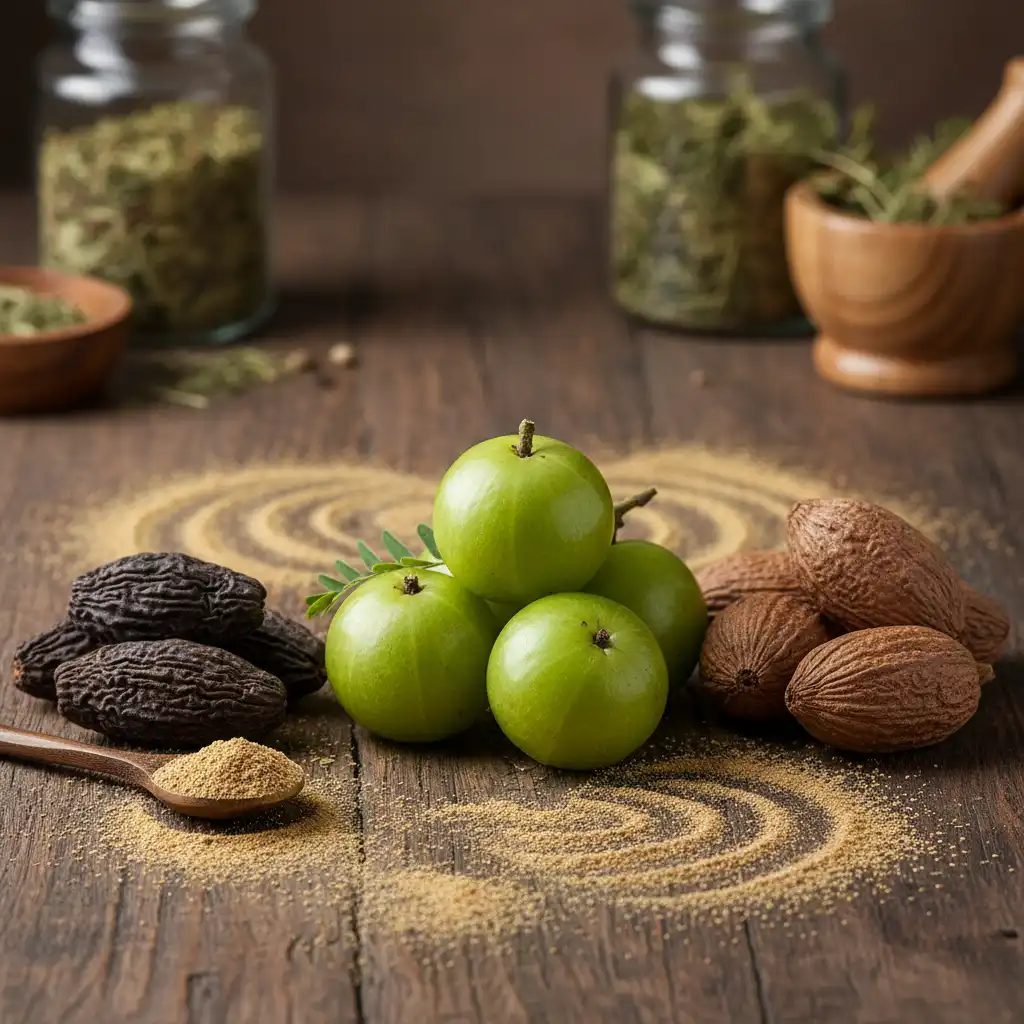
Shilajit fulvic acid benefits stem from its unique ability to enhance cellular energy and nutrient bioavailability at a molecular level. As a potent organic electrolyte, fulvic acid transports essential minerals directly into cells, optimizing mitochondrial function for increased ATP production while simultaneously acting as a powerful antioxidant to neutralize free radicals and support hormonal balance.
The Geological Origins of Mineral Pitch
To truly understand the potency of shilajit, one must first understand its formation. Often referred to as “mineral pitch” or the “destroyer of weakness” in Sanskrit, shilajit is not a simple herb or root. It is a complex exudate that seeps from the rocks of high-altitude mountain ranges, predominantly the Himalayas, Altai, and Caucasus mountains. Discover more at our Home.
Over millions of years, lush primeval forests were compacted by shifting tectonic plates. The resulting pressure and heat slowly decomposed this plant matter, transforming it into a nutrient-dense, tar-like resin. This geological process preserves the phytochemicals of ancient vegetation in a concentrated ionic form. The primary active compound resulting from this decomposition is fulvic acid, a humic substance that bridges the gap between inert minerals and living biological systems.
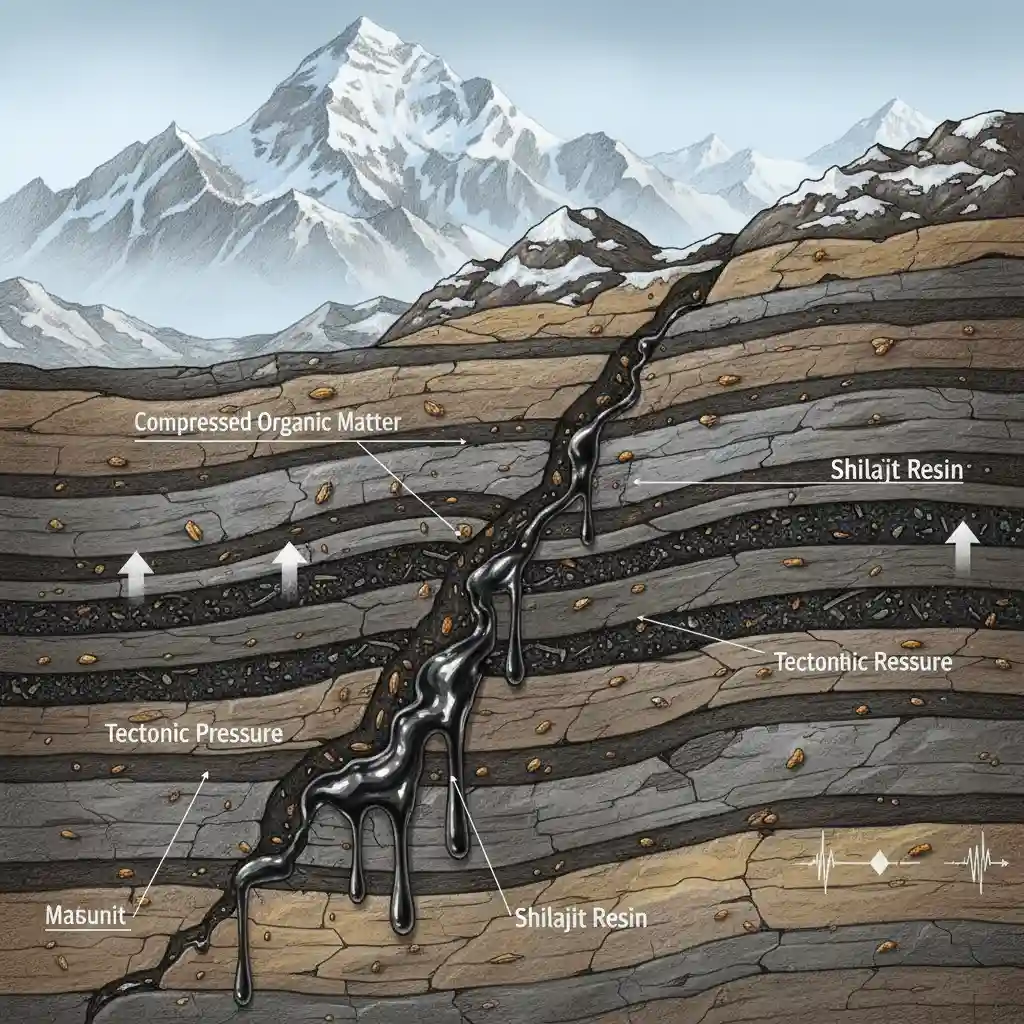
Unlike synthetic supplements, shilajit contains a full spectrum of trace minerals—often over 84 different types—suspended in a carbon-bonded matrix. This natural state ensures that the body recognizes and utilizes these nutrients efficiently, a concept known as bioavailability. However, the raw resin must be carefully purified to remove rock sediment and potential impurities before it is safe for human consumption. For those gathering their own plants, observing Safety Tips for Foraging Wild Herbs in NZ is essential.
Fulvic Acid: The Ultimate Nutrient Enhancer
When discussing shilajit fulvic acid benefits, we are primarily examining the role of fulvic acid as a biological carrier. Fulvic acid is one of the smallest and most complex molecules in nature, capable of passing through cellular membranes with ease. Its low molecular weight allows it to carry many times its own weight in minerals and nutrients into the cell.
The Mechanism of Chelation
One of the most critical functions of fulvic acid is chelation. In chemistry, chelation refers to the bonding of ions and molecules to metal ions. Fulvic acid acts as a natural chelator, binding to inorganic minerals and transforming them into organic, bioavailable complexes. This process is vital because the human body struggles to absorb inorganic minerals found in soil or rock dust.
By chelating these minerals, fulvic acid makes them soluble and absorbable. Furthermore, this mechanism works in reverse; fulvic acid can bind to heavy metals and cellular waste products, assisting the body in detoxification. It effectively creates a delivery system that brings “the good stuff” in and escorts “the bad stuff” out.
Enhancing Supplement Stacks
Because of its transport capabilities, shilajit is often used as a “yogavahi” in Ayurvedic medicine—a synergistic enhancer that increases the potency of other herbs and nutrients. For example, when taken with turmeric or magnesium, the fulvic acid in shilajit may significantly increase the absorption rates of these compounds, making your entire supplement regimen more effective. These standards align with the Packaging & Labeling Requirements for NZ Herbal Products.
Mitochondrial Function and ATP Synthesis
The modern interest in shilajit has surged largely due to its impact on energy levels. However, this is not the nervous energy associated with caffeine or stimulants. Instead, shilajit works at the cellular level, specifically targeting the mitochondria—the power plants of our cells.
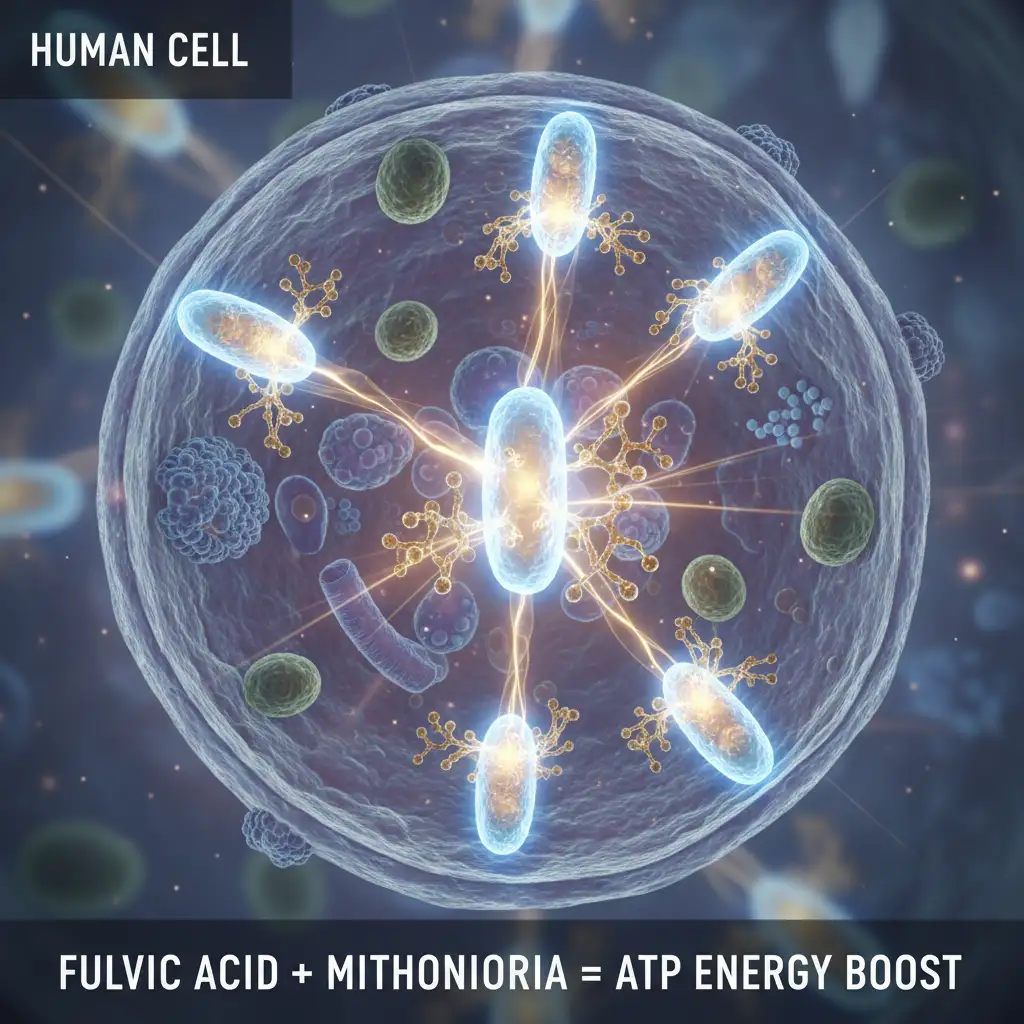
Mitochondria are responsible for producing Adenosine Triphosphate (ATP), the primary energy currency of the body. As we age, mitochondrial function naturally declines, leading to fatigue, slower recovery, and metabolic issues. Research suggests that the fulvic acid and dibenzo-alpha-pyrones (DBPs) found in shilajit play a crucial role in the electron transport chain, a key step in ATP production.
Synergy with CoQ10
A notable study published in the National Institutes of Health (PubMed) database highlights the synergistic relationship between shilajit and Coenzyme Q10 (CoQ10). While CoQ10 is essential for mitochondrial health, it can be difficult to absorb and utilize. Shilajit has been shown to preserve CoQ10 in its active form (ubiquinol), thereby extending its efficacy and leading to significantly higher levels of ATP in the brain and muscle tissue compared to taking CoQ10 alone.
This interaction makes shilajit a top-tier supplement for athletes looking to improve endurance and older adults seeking to combat chronic fatigue syndrome (CFS) or general lethargy.
Testosterone, Fertility, and Men’s Health
One of the most commercially investigated aspects of shilajit is its influence on male reproductive health. For centuries, it has been marketed as an aphrodisiac, but modern clinical trials have begun to validate these traditional claims with hard data.
Clinical Evidence on Testosterone
In a randomized, double-blind, placebo-controlled clinical study, healthy male volunteers aged 45-55 were administered purified shilajit for 90 days. The results showed a significant increase in total testosterone, free testosterone, and dehydroepiandrosterone (DHEAS) compared to the placebo group. The mechanism is believed to be linked to shilajit’s ability to support the pituitary gland, which regulates hormone production.
Spermatogenic Activity
Beyond hormonal balance, shilajit has demonstrated positive effects on fertility parameters. Another study involving 60 infertile men revealed that daily supplementation of shilajit for 90 days resulted in a more than 60% increase in total sperm count and a substantial improvement in sperm motility. The high antioxidant content in fulvic acid likely protects sperm cells from oxidative damage, a common cause of male infertility.
Cognitive Health and Neuroprotection
The brain is the most energy-demanding organ in the body, and consequently, it benefits greatly from the mitochondrial support provided by shilajit. However, the benefits extend beyond energy. Emerging research indicates that fulvic acid may have neuroprotective properties, particularly concerning neurodegenerative conditions like Alzheimer’s disease.
A key marker in the progression of Alzheimer’s is the accumulation of tau proteins, which form tangles in the brain and disrupt neural communication. Fulvic acid has been shown in vitro to inhibit the aggregation of tau proteins and prevent the formation of these filaments. While more human research is needed, these findings suggest that shilajit could be a potent functional food for long-term cognitive preservation.
Purity Protocols: Avoiding Heavy Metals
While the benefits of shilajit are extensive, the market is fraught with low-quality and potentially dangerous products. Because shilajit is harvested from the earth, it naturally contains heavy metals alongside beneficial minerals. The distinction between a health tonic and a toxic substance lies in the purification process.
Resin vs. Powder vs. Capsules
Consumers must exercise extreme caution when selecting a product. Raw shilajit rock is inedible. It must be purified to remove sand, gravel, and harmful levels of heavy metals like lead, arsenic, and mercury, while retaining the essential fulvic acid and trace minerals.
- Resin: Generally considered the most potent and authentic form. High-quality resin should be black, tar-like, and dissolve completely in warm water without leaving residue.
- Powder: often contains fillers or has been spray-dried, which may degrade the bioactive compounds due to heat exposure. Powders are also more easily adulterated with coal dust or fulvic acid substitutes.
- Capsules: Convenient, but often contain lower dosages or powdered forms. If choosing capsules, look for standardized extracts (e.g., 50% fulvic acid).
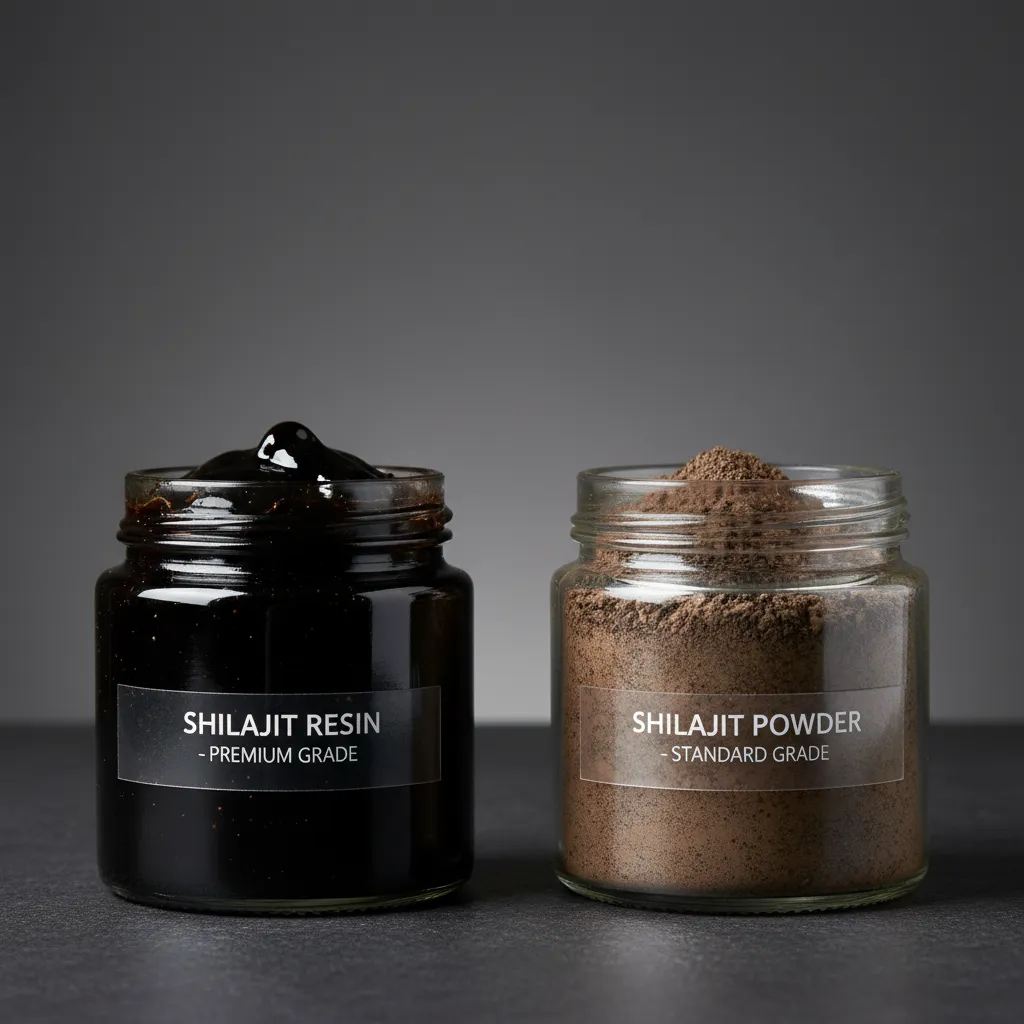
Always verify that the manufacturer provides a Certificate of Analysis (COA) from a third-party laboratory. This document should confirm that heavy metal levels are within safe limits established by organizations like the FDA or Prop 65.
Dosage and Usage Guidelines
Integrating shilajit into a daily routine requires consistency. The traditional Ayurvedic method involves dissolving a pea-sized portion (approximately 300mg to 500mg) of resin in warm milk, water, or tea. The fats in milk can help with the absorption of lipid-soluble compounds within the resin.
For those new to shilajit, it is advisable to start with a smaller dose and gradually increase it as the body adapts. Due to its energy-boosting properties, it is best taken in the morning or early afternoon to avoid interfering with sleep. As with any potent supplement, cycling is often recommended—taking it for a few months followed by a short break to maintain efficacy.
For further reading on the chemical classification of humic substances, reputable sources like Wikipedia provide detailed breakdowns of the molecular differences between humic and fulvic acids.
People Also Ask
What are the side effects of taking shilajit?
When high-quality, purified shilajit is taken at recommended doses, side effects are rare. However, unpurified shilajit can contain heavy metals, mycotoxins, and free radicals that may cause intoxication or illness. Minor side effects in sensitive individuals may include digestive upset or a temporary increase in heart rate. It interacts with iron supplements, so those with hemochromatosis (excess iron) should consult a doctor.
How long does it take to see results from shilajit?
Most users report an increase in energy and mental clarity within 1 to 2 weeks of consistent daily use. However, for more systemic benefits such as testosterone improvement, sperm quality enhancement, or mitochondrial repair, clinical studies suggest a duration of 60 to 90 days is necessary to observe significant physiological changes.
Can women take shilajit?
Absolutely. While often marketed to men for testosterone, shilajit is highly beneficial for women. It helps regulate the menstrual cycle, improves iron levels (combating anemia), supports bone density, and boosts energy levels. Its antioxidant properties are beneficial for skin health and anti-aging for both genders.
Does shilajit actually contain fulvic acid?
Yes, fulvic acid is the primary active compound in shilajit, typically making up 20% to 60% of the resin depending on the source altitude and purification method. It is this high concentration of fulvic acid that distinguishes shilajit from standard mineral supplements.
Is it better to take shilajit in the morning or at night?
It is generally recommended to take shilajit in the morning on an empty stomach to maximize absorption and utilize the energy boost throughout the day. Taking it too late in the evening may cause wakefulness or difficulty falling asleep due to increased mitochondrial activity.
How can you tell if shilajit is fake?
Real shilajit resin becomes soft and sticky in your hands (due to body heat) but hardens when placed in the fridge. It should dissolve completely in warm water without leaving sandy residue. If it tastes sweet or does not have a distinct earthy, smoky, and bitter flavor, it is likely fake or adulterated with sugar or fillers.