Shatavari benefits for women are extensive, centering on its ability to support the female reproductive system through every stage of life. As a powerful Ayurvedic adaptogen and phytoestrogen, Shatavari (Asparagus racemosus) helps regulate hormonal imbalances, alleviate symptoms of menopause and PMS, boost libido, support fertility, and increase milk production during lactation. Its name translates to “she who possesses a hundred husbands,” highlighting its historical reputation for enhancing vitality and reproductive health.
What Is Shatavari? The Queen of Herbs
In the vast pharmacopeia of Ayurveda, few herbs command as much respect for female health as Shatavari. Scientifically known as Asparagus racemosus, this climbing plant is native to India and the Himalayas. While it is related to the common asparagus vegetable, the medicinal power lies within its thick, tuberous roots.
Shatavari is classified as a Rasayana herb in Ayurveda, meaning it promotes longevity, youthfulness, and general well-being. While it is beneficial for men as well, its specific affinity for the female reproductive system has earned it the title “Queen of Herbs.” It is traditionally used to cool the body, moisten dry tissues, and build Ojas—the subtle essence of vitality and immunity. Learn more at our Home page.
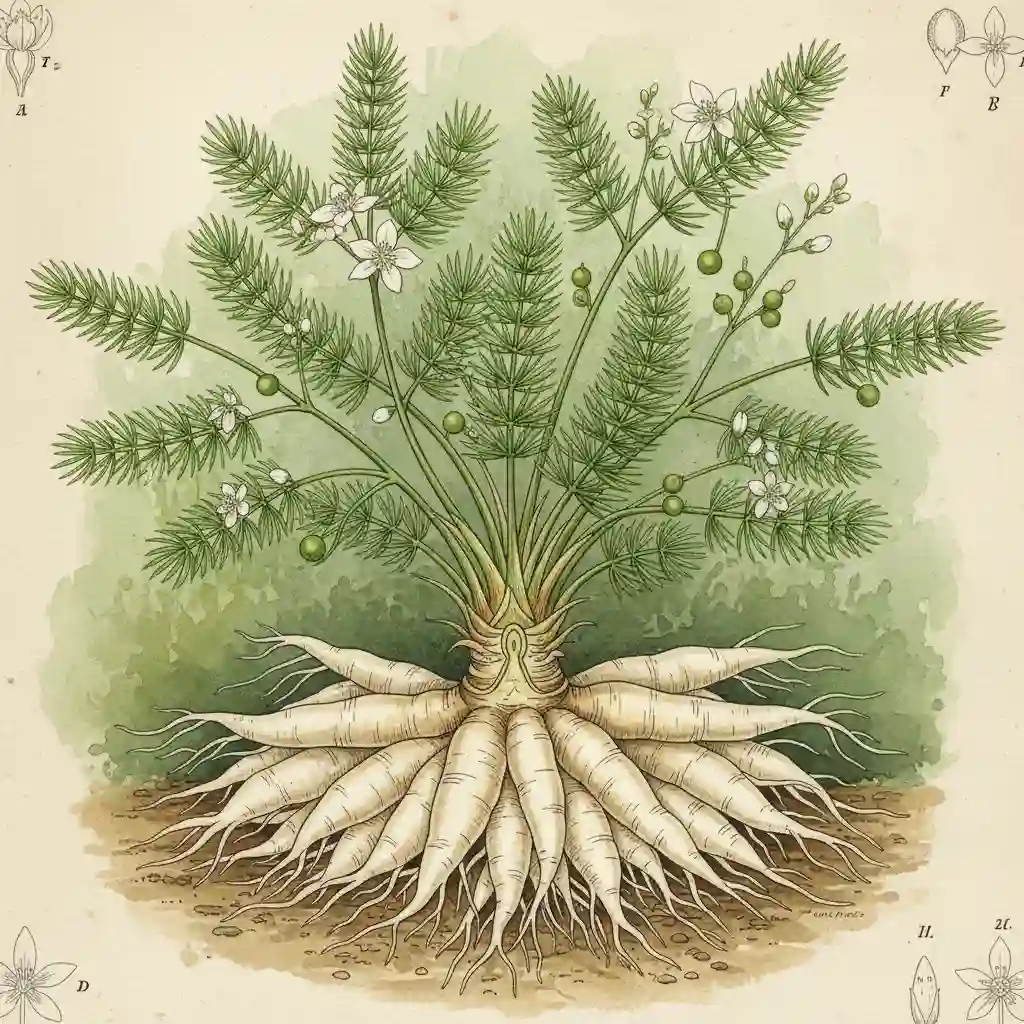
Modern integrative medicine has begun to validate these ancient claims. Research indicates that the root is rich in steroidal saponins, alkaloids, and flavonoids, which contribute to its antioxidant and immunomodulatory properties. Understanding the biological makeup of this herb is the first step in appreciating the profound shatavari benefits for women.
Phytoestrogens: How Shatavari Balances Hormones
The core mechanism behind Shatavari’s effectiveness lies in its phytoestrogenic properties. Phytoestrogens are plant-based compounds that mimic the structure of the hormone estrogen naturally produced by the body. Because their structure is similar, they can bind to estrogen receptors in the body, albeit with a weaker effect than human estrogen.
This creates a balancing effect known as modulation. If a woman’s estrogen levels are too low (as seen in menopause), phytoestrogens can provide a mild boost. Conversely, if estrogen levels are too high (estrogen dominance), these plant compounds can compete with the stronger endogenous estrogen for receptor binding sites, effectively lowering the total estrogenic impact.
This modulation is critical for treating conditions such as:
- Polycystic Ovary Syndrome (PCOS): By helping to regulate the menstrual cycle and insulin sensitivity.
- Premenstrual Syndrome (PMS): By stabilizing hormonal fluctuations that cause mood swings and cramping.
- Irregular Cycles: By nourishing the ovarian follicles and supporting ovulation.
Enhancing Reproductive Health and Fertility
For women attempting to conceive, Shatavari acts as a potent fertility tonic. Stress and inflammation are two of the primary antagonists to fertility. As an anti-inflammatory agent, Shatavari helps soothe the reproductive tract, creating a healthy environment for conception.
Furthermore, the herb supports the production of cervical mucus. Adequate cervical mucus is essential for protecting sperm and facilitating their transport to the egg. Dryness in the reproductive tract can be a significant barrier to conception, and Shatavari’s unctuous (moisturizing) quality directly addresses this issue.
According to research published by the National Institutes of Health (NIH), Shatavari protects the reproductive organs from oxidative stress. Oxidative stress can damage egg quality and ovarian function. By scavenging free radicals, Shatavari helps maintain the integrity of the oocytes (eggs), potentially improving the chances of a successful pregnancy.
Relief for Menopause and Perimenopause Symptoms
The transition into menopause is often accompanied by a dramatic drop in estrogen, leading to symptoms that can severely impact quality of life. This is perhaps where shatavari benefits for women are most sought after in the commercial market. Instead of, or in conjunction with, Hormone Replacement Therapy (HRT), many women turn to Shatavari for natural relief. For vendors, this involves following Best Practices for Selling Herbal Products Online in NZ.
Combatting Hot Flashes and Night Sweats
Ayurveda describes menopause as a transition where the body’s heat increases (Pitta imbalance) and dryness prevails (Vata imbalance). Shatavari is energetically cooling. It helps reduce the intensity and frequency of hot flashes and night sweats by cooling the blood and balancing the internal thermostat.
Addressing Vaginal Dryness
One of the more uncomfortable symptoms of low estrogen is the thinning and drying of vaginal tissue (vaginal atrophy). This can lead to painful intercourse and increased susceptibility to infections. Shatavari’s demulcent properties hydrate mucous membranes throughout the body, including the vaginal lining, restoring comfort and elasticity.

Shatavari as a Galactagogue for Nursing Mothers
For centuries, lactating mothers in India have used Shatavari to boost milk supply. In clinical terms, substances that promote lactation are called galactagogues. The herb stimulates the production of prolactin, the hormone responsible for milk production (lactogenesis).
A systematic review of clinical trials has suggested that consuming Shatavari root powder can significantly increase milk production in breastfeeding women without adverse effects on the mother or the infant. This benefit is twofold: it supports the nutritional needs of the baby while helping the mother recover from childbirth by balancing her hormones and boosting her immune system.
However, it is vital to source high-quality, organic Shatavari to ensure it is free from heavy metals or pesticides, which could pass through breast milk. Sourcing compliant products is easier when following the Packaging & Labeling Requirements for NZ Herbal Products.
Adaptogenic Effects: Stress, Libido, and Vitality
While often categorized strictly as a hormonal herb, Shatavari is also a powerful adaptogen. Adaptogens are non-toxic plants that help the body resist stressors of all kinds, whether physical, chemical, or biological. In the modern world, chronic stress is a leading cause of hormonal disruption in women (cortisol steal).
Stress Reduction and Adrenal Health
When the body is under stress, the adrenal glands prioritize the production of cortisol over sex hormones like progesterone. This can lead to burnout, fatigue, and libido loss. Shatavari supports the adrenal glands, helping to normalize cortisol levels. By reducing the stress burden, the body can redirect energy back toward reproductive health and vitality.
Boosting Libido
The name “she who possesses a hundred husbands” is a direct reference to the herb’s aphrodisiac qualities. Low libido in women is often a complex mix of hormonal imbalance, fatigue, and stress. By addressing all three—balancing estrogen, reducing cortisol, and increasing energy—Shatavari naturally enhances sexual drive and responsiveness.
Dosage, Safety, and Contraindications
While the shatavari benefits for women are compelling, it is not a one-size-fits-all supplement. Understanding contraindications is essential for safety.
Standard Dosage
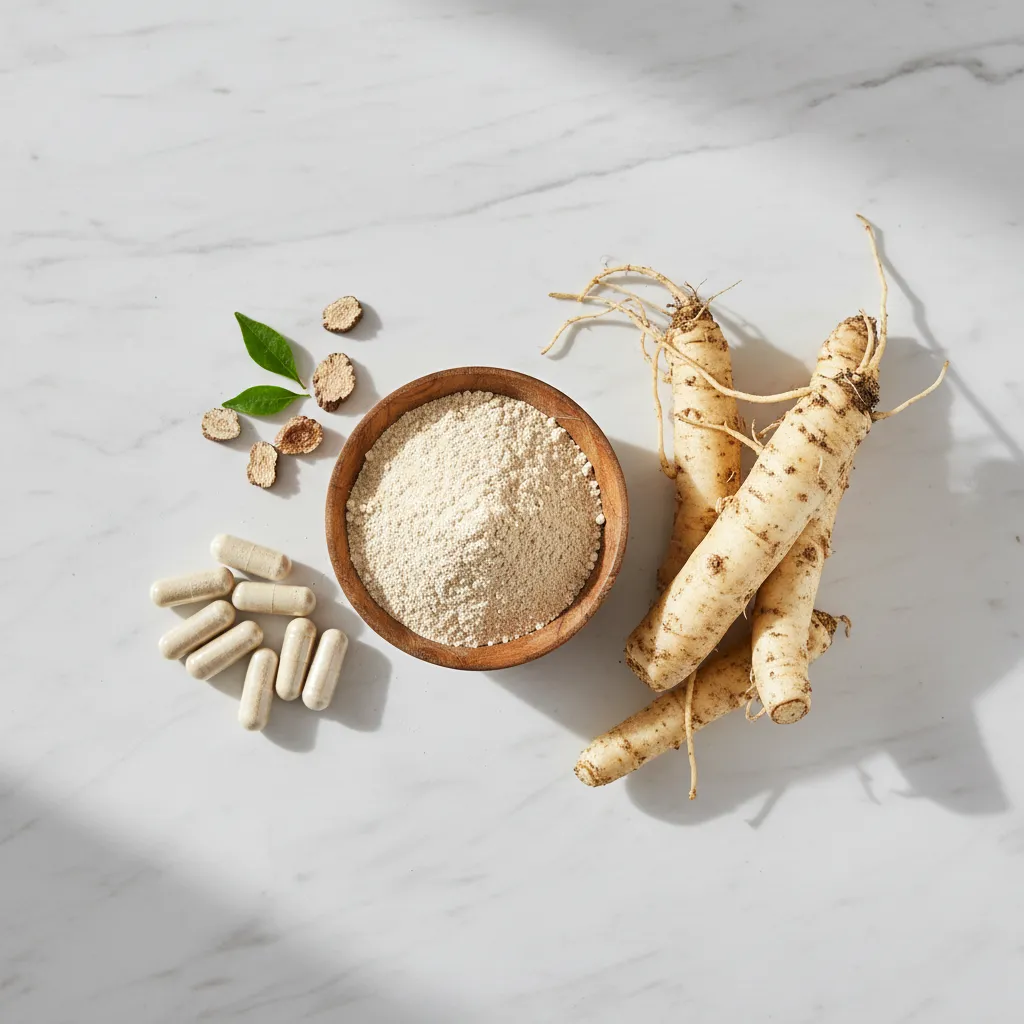
Shatavari is typically available in powder, capsule, or liquid extract forms.
- Powder: Traditionally taken with warm milk and honey. Typical dose: 3 to 6 grams per day.
- Capsules: Usually standardized extracts. Typical dose: 500mg to 1000mg twice daily.
- Liquid Extract: 30 drops in water, 1-3 times daily.
Always follow the manufacturer’s instructions or the advice of a healthcare practitioner.
Contraindications: Estrogen Sensitivity
Because Shatavari contains phytoestrogens, it may not be suitable for women with estrogen-sensitive conditions. This includes a history of:
- Breast cancer (specifically ER-positive)
- Endometriosis
- Uterine fibroids
In these cases, the introduction of plant-based estrogens could theoretically stimulate tissue growth. Women with these conditions should consult an oncologist or endocrinologist before adding Shatavari to their regimen.
Diuretic Effect
Shatavari acts as a mild diuretic. While this helps reduce water retention (bloating), people taking prescription diuretic medication or those with kidney disorders should exercise caution to avoid electrolyte imbalances.
People Also Ask
Does Shatavari cause weight gain?
Generally, Shatavari does not cause unhealthy weight gain. However, in Ayurveda, it is considered “building” and nourishing, which helps restore body weight in those who are underweight or depleted. If you are already overweight, it should be taken with lifestyle adjustments, but it is not known to cause rapid fat accumulation.
How long does it take for Shatavari to work?
Herbal supplements work more slowly than pharmaceutical drugs. While some women may feel an energy boost within a week, hormonal balancing effects (such as cycle regulation or menopause relief) typically require consistent use for 8 to 12 weeks to manifest fully.
Can I take Shatavari during menstruation?
Yes, Shatavari is often recommended during menstruation. Its antispasmodic and anti-inflammatory properties can help alleviate menstrual cramps (dysmenorrhea) and reduce the heavy bleeding associated with hormonal imbalances.
Is Shatavari safe for long-term use?
In Ayurveda, Shatavari is considered safe for long-term use as a Rasayana (rejuvenative) herb. However, it is generally good practice to cycle herbal supplements—taking them for 3 months and then taking a 1-week break—to maintain the body’s responsiveness.
Can Shatavari be taken with Ashwagandha?
Yes, Shatavari and Ashwagandha are frequently paired together. While Shatavari supports female reproductive health and cools the body, Ashwagandha reduces stress and boosts overall energy. Together, they form a powerful adaptogenic stack for vitality and hormonal balance.
Does Shatavari help with acne?
If acne is caused by hormonal imbalances (specifically fluctuations in the menstrual cycle), Shatavari may help by regulating those hormones. Additionally, its cooling nature helps soothe inflammation in the body, which can reflect positively on skin health.