Schisandra berry benefits extend far beyond basic nutrition, serving as a powerful adaptogen that enhances liver detoxification, boosts mental clarity, and supports physical endurance. Known as the “five-flavor fruit,” it uniquely stimulates all five tastes recognized in Traditional Chinese Medicine, helping to balance the body’s response to stress, regulate cortisol, and protect cells against oxidative damage through its potent lignan content.
The Five-Flavor Fruit: A TCM Perspective
In the vast pharmacopeia of Traditional Chinese Medicine (TCM), few herbs command as much respect as Schisandra chinensis. Known natively as “Wu Wei Zi,” which translates literally to “Five-Flavor Fruit,” this berry holds a unique distinction: it is the only medicinal substance said to contain all five distinct flavors—sour, sweet, bitter, pungent, and salty.
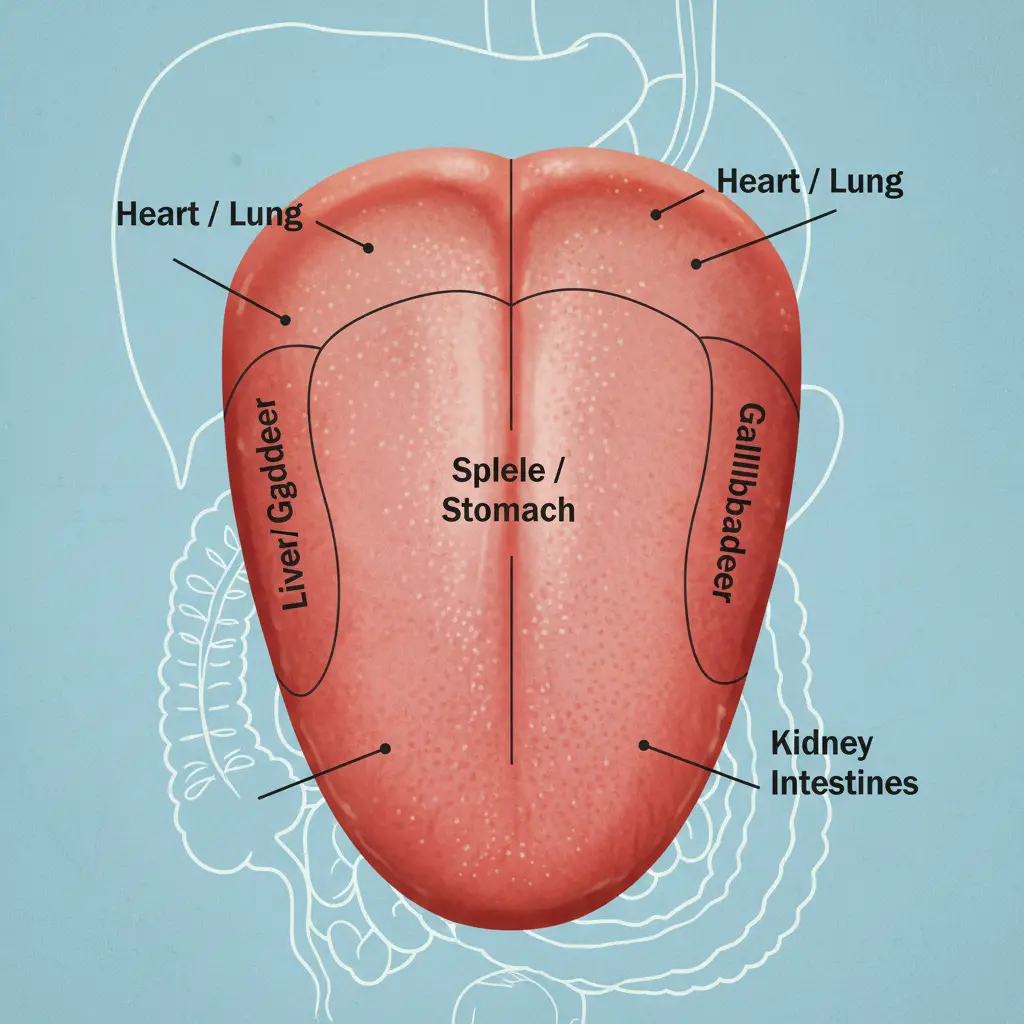
This flavor profile is not merely a culinary curiosity; in TCM theory, flavors correspond to specific organ systems and elements. The presence of all five flavors suggests that Schisandra acts as a complete tonic, influencing the entire body rather than just a single system. The sourness is linked to the Liver and wood element; bitterness to the Heart and fire; sweetness to the Spleen and earth; acridity (pungency) to the Lungs and metal; and saltiness to the Kidneys and water.

By targeting all five “Zang” organs, Schisandra is classified as an astringent herb that secures the “Qi” (vital energy). It is traditionally used to arrest discharges, such as excessive sweating, diarrhea, or frequent urination, essentially helping the body retain necessary fluids and energy. For the modern practitioner of integrative health, this translates to a systemic balancing effect, helping to harmonize the body’s internal environment (homeostasis) regardless of which system is out of balance. For a broad range of natural wellness solutions, visit our Home page.
Liver Health: Phase I and II Detoxification
One of the most scientifically validated schisandra berry benefits is its profound impact on liver health. The liver is the body’s primary filtration system, responsible for processing toxins, metabolizing drugs, and synthesizing proteins. However, the detoxification process is complex and occurs in two distinct phases. If these phases are not synchronized, it can lead to the accumulation of harmful intermediates that are more toxic than the original substances.
Schisandra shines as a hepatoprotective agent because it supports both Phase I and Phase II detoxification pathways. Phase I involves the oxidation of toxins, preparing them for removal. Phase II involves conjugation, where these oxidized molecules are bound to other substances (like glutathione) to be safely excreted. Research suggests that the lignans found in Schisandra, specifically schisandrin B and C, help induce glutathione S-transferase activity, which is critical for Phase II detox.
Furthermore, Schisandra acts as a potent antioxidant within the liver. By reducing lipid peroxidation, it protects the hepatocyte membranes from damage caused by free radicals. This makes it an invaluable ally for individuals recovering from toxic exposure, alcohol consumption, or those simply looking to support their body’s natural cleansing rhythms. For more detailed information on botanical support for liver function, you can refer to the National Center for Biotechnology Information (NCBI) regarding hepatoprotective herbs or our detailed walkthrough on Registering a Natural Health Product in NZ: A Guide for Businesses.
Enhancing Endurance and Mental Clarity
As an adaptogen, Schisandra helps the body resist the damaging effects of non-specific stress. While many adaptogens are stimulating (like Ginseng) or calming (like Reishi), Schisandra occupies a unique middle ground. It is known to smooth out the jagged edges of anxiety while simultaneously providing a calm, focused energy. This dual action makes it a favorite among biohackers and athletes alike, much like Nux Vomica: The Modern Lifestyle Remedy.
The berry has been shown to reduce levels of cortisol, the primary stress hormone, in the body. High cortisol levels are often associated with brain fog, fatigue, and weight gain. By modulating the adrenal response, Schisandra helps maintain mental acuity even under pressure. Users often report a “flow state” where concentration is enhanced without the jittery side effects associated with caffeine.

Physically, the benefits are equally impressive. Studies involving endurance athletes have demonstrated that Schisandra supplementation can extend the time to exhaustion. It appears to improve the exchange of oxygen in the cells and reduce the accumulation of lactic acid in the muscles. This allows for longer, more intense training sessions with improved recovery times. The increase in nitric oxide production associated with Schisandra also improves blood flow, delivering more nutrients to working muscles and the brain.
Skin Health and Anti-Aging Properties
The internal benefits of Schisandra often manifest externally, particularly in the health of the skin. In Asia, the berry has long been cherished as a beauty tonic used to preserve youthfulness and radiance. The mechanism behind this lies in its anti-inflammatory and antioxidant capabilities.
Schisandra berries are rich in vitamins C and E, as well as unique lignans that combat oxidative stress. Oxidative stress is a primary driver of premature aging, leading to the breakdown of collagen and elastin. By neutralizing free radicals, Schisandra helps maintain skin elasticity and firmness. Furthermore, its astringent quality—derived from its sour flavor—helps the skin hold moisture, combating dryness and the formation of fine lines.
Recent research into “inflammaging” (chronic, low-grade inflammation that accelerates aging) points to Schisandra’s potential in calming inflammatory cytokines. This makes it a potential therapeutic option for inflammatory skin conditions such as eczema or psoriasis, although it is typically used as an adjunct internal therapy rather than a topical cure-all.
How to Use: Tea, Tinctures, and Powders
To experience the full spectrum of schisandra berry benefits, choosing the right form of consumption is essential. Because the berry has such a complex flavor profile, it is rarely eaten raw. Instead, it is processed into various supplemental forms.
Schisandra Tea
Traditionally, dried berries are simmered to create a tea. However, due to the extraction of tannins and resinous lignans, the tea can be quite tart and astringent. It is often decocted (simmered) for 20 minutes rather than just steeped. To make it palatable, it is frequently blended with sweeter herbs like Goji berries or licorice root.
Tinctures and Extracts
Alcohol-based tinctures are arguably the most effective way to extract the medicinal lignans, which are not fully water-soluble. A standard dosage is typically 2-4 ml taken up to three times daily. This form is convenient and allows for precise dosing.
Powders and Capsules
For those who cannot tolerate the strong “five-flavor” taste, encapsulated powders or standardized extracts are ideal. When choosing a supplement, look for products standardized to a specific percentage of schisandrins (usually 2% to 9%) to ensure potency.

Safety, Side Effects, and Dosage
While Schisandra is generally considered safe for long-term use as a tonic, it is potent and should be treated with respect. In TCM, herbs that “bind” or are astringent are contraindicated during the early stages of a cold or flu (Wind-Heat or Wind-Cold invasion). The theory is that the astringent nature could trap the pathogen inside the body rather than allowing the immune system to expel it.
Potential side effects can include heartburn, acid reflux, or decreased appetite, primarily due to the high acidity of the berries. Individuals with gastroesophageal reflux disease (GERD) or peptic ulcers should use caution. Additionally, because Schisandra impacts liver enzymes (specifically the CYP450 pathways), it can alter the metabolism of certain pharmaceuticals. It is imperative to consult with a healthcare provider before combining Schisandra with prescription medications, particularly those metabolized by the liver.
Pregnant women are generally advised to avoid Schisandra due to its ability to stimulate uterine contractions. As with any integrative health strategy, starting with a lower dose and gradually increasing it allows you to monitor how your body responds to this powerful botanical ally.
For further reading on the botanical classification and history, you can visit the Wikipedia entry for Schisandra chinensis.
People Also Ask
What does Schisandra berry do for the body?
Schisandra berry acts as an adaptogen, helping the body manage stress and regulate cortisol. It supports liver function by aiding in phase I and II detoxification, enhances mental clarity, boosts physical endurance, and provides antioxidant protection against cellular damage.
Is it safe to take Schisandra everyday?
Yes, Schisandra is generally considered safe for daily use as a tonic herb for most people. However, traditional medicine suggests taking breaks (cycling) and avoiding it during acute infections like the flu. Always consult a healthcare provider for long-term use.
Does Schisandra give you energy?
Schisandra provides a calm, sustained energy rather than a jittery stimulant effect. By improving oxygen exchange and reducing fatigue-inducing metabolites like lactic acid, it enhances physical stamina and mental focus without the crash associated with caffeine.
What are the side effects of Schisandra?
Common side effects are mild and may include heartburn, acid reflux, or stomach upset due to its acidity. It may also interact with medications processed by the liver. It is generally not recommended for pregnant women or people with active peptic ulcers.
Is Schisandra good for the liver?
Absolutely. Schisandra is one of the premier herbs for liver health. It contains lignans that promote the regeneration of liver tissue, protect against toxins, and stimulate the production of glutathione, the body’s master antioxidant essential for detoxification.
How does Schisandra taste?
Schisandra is known as the “five-flavor fruit” because it possesses all five basic tastes: sour, sweet, bitter, salty, and pungent. The dominant flavor is usually sour and astringent, followed by a dry, salty, and slightly bitter aftertaste.