Foraging NZ herbs safety relies on three fundamental pillars: absolute botanical identification, environmental awareness, and cultural respect. To forage safely in Aotearoa, as noted on our Home page, you must be able to distinguish edible species from toxic look-alikes with 100% certainty, avoid areas contaminated by agricultural sprays or roadside pollution, and adhere to legal restrictions on Department of Conservation (DOC) land while respecting Tikanga Māori protocols regarding sustainable harvesting.
The Golden Rules of Identification: Edible vs. Poisonous
In the lush landscapes of New Zealand, the line between a healing Rongoā (medicine) and a toxic plant can be perilously thin. The most critical aspect of foraging NZ herbs safety is the absolute refusal to guess. If you are not 100% certain of a plant’s identity, you must not consume it. This rule applies to every single stem, leaf, and berry you harvest.
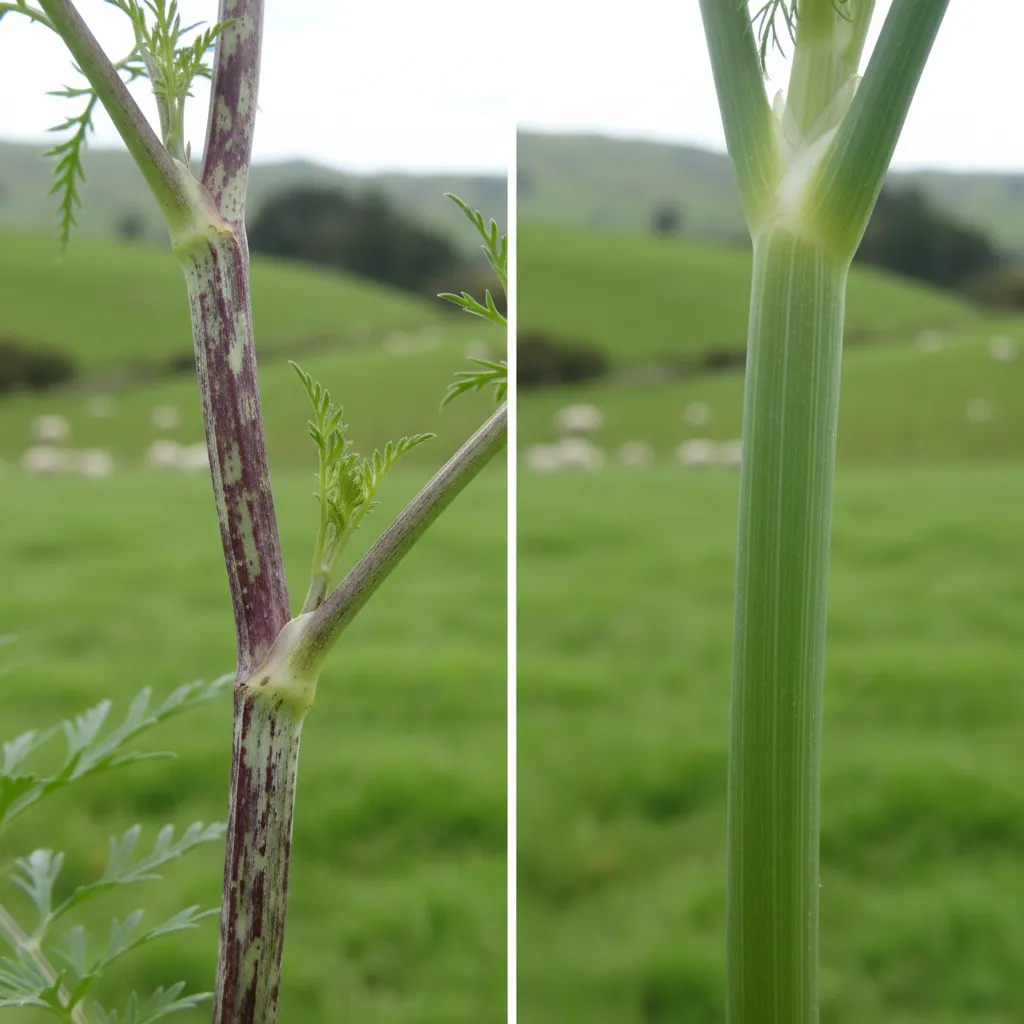
New Zealand hosts a variety of introduced and native species that can be deadly. The most notorious example is the confusion between wild apiaceae species. Hemlock (Conium maculatum), which is lethal, looks strikingly similar to Wild Carrot, Fennel, and Parsley. Hemlock is widespread throughout NZ, often growing on roadsides and damp waste areas. It is characterized by purple blotches on the stem and a mouse-like smell when crushed. Mistaking Hemlock for a wild herb is a common cause of severe poisoning events.
To ensure safety, foragers should utilize multiple identification methods:
- Cross-Referencing: Never rely on a single source. Use a combination of local field guides, trusted apps like iNaturalist, and expert mentorship.
- Botanical Features: Learn to identify plants by leaf shape, margin (edges), vein structure, stem characteristics (hairiness, color, shape), and scent.
- Seasonal Changes: A plant can look drastically different in spring compared to autumn. Understanding the full lifecycle of the herb ensures you are harvesting the correct part at the correct time.
Legal and Ethical Considerations in Aotearoa
Foraging in New Zealand is not just about what you can eat; it is about where you are allowed to be and how you interact with the land. The legal framework is intertwined with ethical responsibilities, particularly regarding Rongoā Māori (traditional Māori healing).
Department of Conservation (DOC) and Public Land
Generally, foraging on conservation land is restricted. Under the Conservation Act, you cannot remove plants from National Parks or Scenic Reserves without a specific permit. This is to protect native biodiversity. However, some local councils allow for the foraging of introduced weeds (like Dandelion or Blackberry) in public parks, provided you are not damaging the ecosystem. Always check local bylaws before you harvest.
Tikanga Māori and Sustainable Harvesting
Foraging in NZ is deeply connected to the concept of Kaitiakitanga (guardianship) and Connecting with Mātauranga Māori (Māori Knowledge) for Health. Adhering to Tikanga (protocols) ensures that you are harvesting with respect and maintaining the mauri (life force) of the plant population.
- Ask Permission: This applies to both the landowner and the forest itself. Many practitioners offer a Karakia (prayer) or acknowledgment before harvesting to set a respectful intention.
- Take Only What You Need: Never strip a plant bare. A common rule of thumb in Rongoā is to take no more than a third of the growth, leaving enough for the plant to regenerate and for other creatures to feed.
- Give Back: If you take from the land, consider what you can give back, whether it is weeding around a native tree or planting seeds.
For more detailed information on conservation laws, you can visit the Department of Conservation website.
Environmental Hazards and Plant Health
Even if a plant is correctly identified as edible, environmental factors can render it unsafe. Plants are bio-accumulators, meaning they absorb chemicals and heavy metals from their environment. “Foraging NZ herbs safety” extends to the soil and air surrounding your harvest.
The Spray Zone Danger
New Zealand councils and landowners frequently use herbicides (such as glyphosate) to control weeds along roadsides, fence lines, and in parks. Plants that have been recently sprayed may show signs of wilting, yellowing, or unnatural spotting, but often there are no immediate visual cues.
Safety Tip: Avoid foraging within 50 meters of busy roads to prevent lead and exhaust fume contamination. Never forage along fence lines or drainage ditches unless you know the land management history, as these are prime spots for chemical runoff.
Soil Contamination
Be wary of foraging near old industrial sites or historic sheep dips. Arsenic and lead can persist in the soil for decades. In urban environments, ensure you are not foraging in areas where dogs frequently urinate, as this can introduce pathogens and parasites to low-growing herbs like Chickweed.

Essential Tools and Harvesting Best Practices
Using the right tools is essential for both your safety and the health of the plant. Tearing plants by hand can damage the root system and leave jagged wounds that are susceptible to disease.
The Forager’s Kit
- Sharp Pruning Shears or Knife: A clean cut heals faster. Ensure your tools are cleaned with alcohol between foraging trips to prevent the spread of pathogens like Kauri Dieback disease.
- Breathable Containers: Avoid plastic bags. Herbs sweat in plastic, leading to rapid fermentation and spoilage. Use wicker baskets, canvas bags, or paper sacks to allow airflow and keep the harvest fresh.
- Gloves: Essential for handling nettles or reaching into areas where insects (like wasps) might be nesting.
Hygiene and Processing
Once you return home, correct processing is vital. Wash all wild herbs thoroughly in cold water to remove dust, insects, and potential soil pathogens. If you are drying herbs for tea, such as when Creating Herbal Teas for Common Ailments: A NZ Blend, ensure they are completely moisture-free before storage to prevent mold growth, which can be toxic.
Safe Starter Herbs for NZ Foragers
For beginners, the safest strategy is to start with plants that are abundant, easy to identify, and have no toxic look-alikes. Here are three staples of the NZ foraging scene.
Kawakawa (Macropiper excelsum)
Kawakawa is one of the most important plants in Rongoā Māori. It is easily identified by its heart-shaped leaves and distinct jointed stems. A key identifier for the best medicinal leaves is the presence of holes eaten by the looper moth caterpillar; it is believed the plant produces more active compounds in response to this predation. Kawakawa is generally safe but should be used in moderation due to its potency.
Dandelion (Taraxacum officinale)
Often dismissed as a weed, the Dandelion is entirely edible, from root to flower. It is distinct from its look-alikes (like Catsear) by its hollow stem that exudes a milky sap and a single flower head per stem. It is rich in vitamins and supports liver health.
Plantain (Plantago major/lanceolata)
Broadleaf and narrowleaf plantain are ubiquitous in NZ lawns and pastures. They are incredibly safe and act as a fantastic “bush bandage” for insect bites or scrapes due to their drawing and soothing properties. They are easily recognized by the prominent parallel veins on the back of the leaf.

Emergency Protocols and Poison Control
Despite best efforts, accidents can happen. If you suspect you or someone else has consumed a toxic plant, immediate action is required. Do not wait for symptoms to appear.
Steps to take:
- Call the National Poisons Centre: Dial 0800 POISON (0800 764 766) immediately. This service is available 24/7 in New Zealand.
- Identify the Plant: Take a sample of the plant with you to the hospital or describe it to the operator. Include leaves, berries, and stems if possible.
- Do Not Induce Vomiting: Unless instructed by a medical professional, do not try to bring the plant back up, as this can sometimes cause further damage to the throat.
For further reading on plant toxicity, you can refer to resources provided by Manaaki Whenua – Landcare Research, which maintains extensive databases on NZ flora.
People Also Ask
Is it legal to forage in NZ national parks?
Foraging in National Parks and Scenic Reserves is generally prohibited under the Conservation Act to protect native biodiversity. You typically need a permit to take any plant material from DOC land. Always check with the local DOC office or forage on private land with permission.
What is the most poisonous plant in New Zealand?
Hemlock (Conium maculatum) is considered one of the most dangerous widespread plants in NZ. Other highly toxic plants include Ongaonga (Tree Nettle) which can cause severe neurological reactions, and the berries of the Tutu plant, which contain a potent neurotoxin.
How can you tell if a plant has been sprayed with weedkiller?
Signs include wilting, yellowing (chlorosis), twisting of stems, or unnatural brown spots on the leaves. However, recently sprayed plants may look healthy for several days. The safest rule is to avoid foraging near roadsides, fences, and maintained parks unless you know the spray schedule.
Can you eat Kawakawa berries?
Yes, the orange fruit spikes of the Kawakawa tree are edible and sweet, often described as tasting like tropical fruit with a peppery aftertaste. However, the hard black seeds inside can be quite spicy and numb the mouth, so many people choose to spit them out.
What are the rules of Rongoā harvesting?
Rongoā harvesting follows Tikanga (protocol), which includes saying a Karakia (prayer), asking permission from the plant and the land, harvesting sustainably (never taking too much), and ensuring the plant is processed with respect and hygiene.
How do you identify Hemlock in NZ?
Hemlock has fern-like leaves similar to parsley or carrot but is distinguished by a smooth, hairless stem with distinct purple blotches. It also has a disagreeable, musty smell often compared to mice or parsnip, whereas edible look-alikes usually smell like aniseed or carrot.