Herbal interaction safety is the clinical and traditional practice of evaluating the pharmacological and energetic compatibility of botanical remedies to prevent adverse physiological reactions. It requires a deep understanding of how bioactive constituents from different systems—such as Rongoā Māori and Western herbal medicine—influence metabolic pathways, specifically cytochrome P450 enzymes, to ensure that combined treatments function synergistically rather than antagonistically. Explore our Home page for comprehensive guides.
Understanding the Energetic Differences of Herbs
When approaching the integration of distinct herbal traditions, such as New Zealand’s indigenous Rongoā Māori and European Western Herbal Medicine (WHM), one must look beyond simple chemical constituents. While herbal interaction safety is often viewed through the lens of modern pharmacology, ignoring the energetic profiles of plants can lead to constitutional imbalances in the patient.
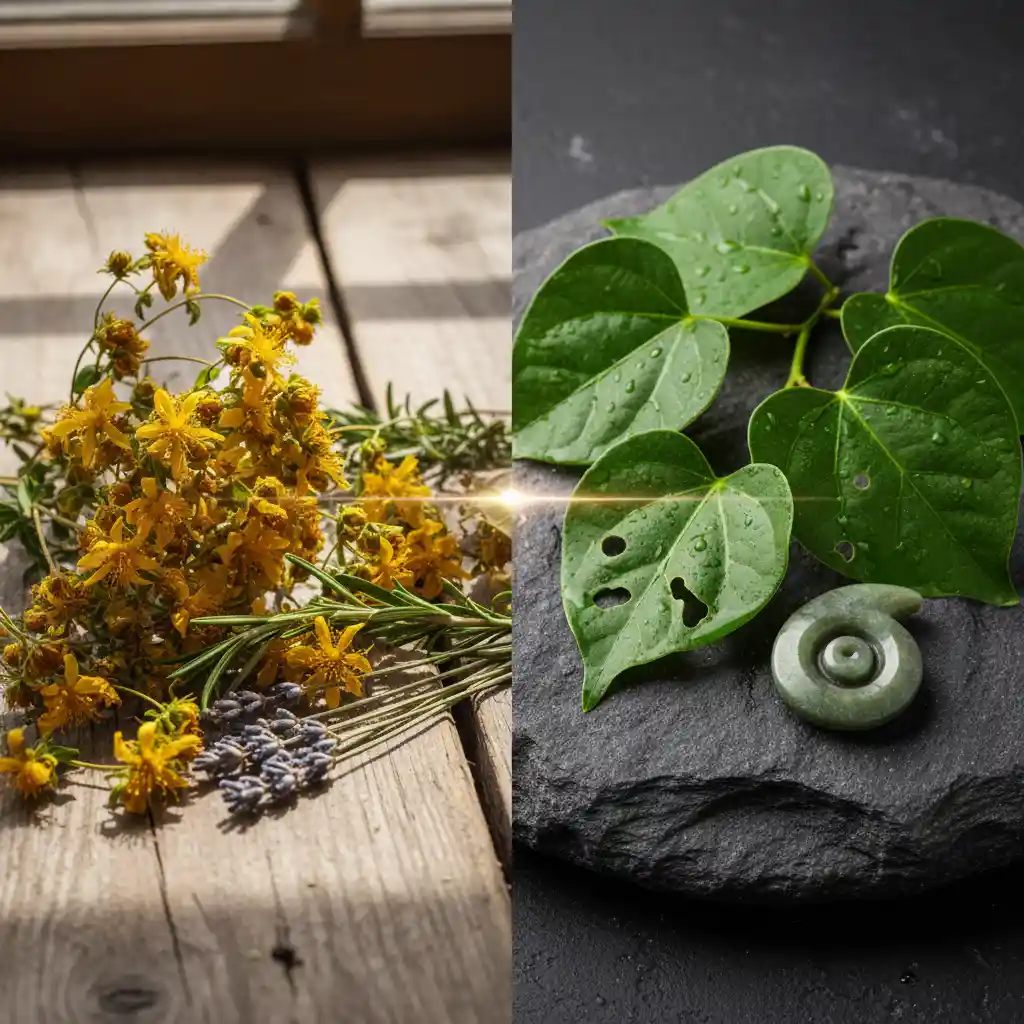
The Western Phytochemical Approach
Western herbal medicine, particularly in its modern iteration, relies heavily on phytochemistry. Practitioners classify herbs based on their active constituents—alkaloids, glycosides, flavonoids, and terpenes. The safety profile is determined by how these chemicals affect physiology. For instance, we know that salicylates in Willow Bark reduce inflammation via the prostaglandin pathway, which is a core focus of The Ayurvedic Anti-Inflammatory Diet. The focus is somatic, structural, and chemical.
Te Mauri o Te Rongoā (The Life Force of the Medicine)
In contrast, Rongoā Māori operates within a holistic framework that encompasses Te Taha Wairua (spiritual health) and Te Mauri (life force). An herb is not merely a bag of chemicals; it is a living entity with whakapapa (genealogy). The safety of a blend often depends on whether the mauri of the plants is compatible. For example, harvesting bark from the east side of a tree (facing the rising sun) imparts different energetic qualities than bark from the south.
When blending these systems, a practitioner must ask: Does the heating, drying energy of a Western herb like Thyme clash with the cooling, moistening application of a native plant? Energetic incompatibility can manifest as digestive upset or anxiety, even if there is no direct chemical toxicity.
Mechanisms of Herbal Interaction Safety
To ensure herbal interaction safety, one must understand the biological mechanisms that govern how the body processes foreign substances (xenobiotics). Interactions generally fall into two categories: pharmacokinetic and pharmacodynamic.
Pharmacokinetic Interactions (ADME)
This refers to how the body handles the herb: Absorption, Distribution, Metabolism, and Excretion (ADME). The most critical site for safety is the liver.
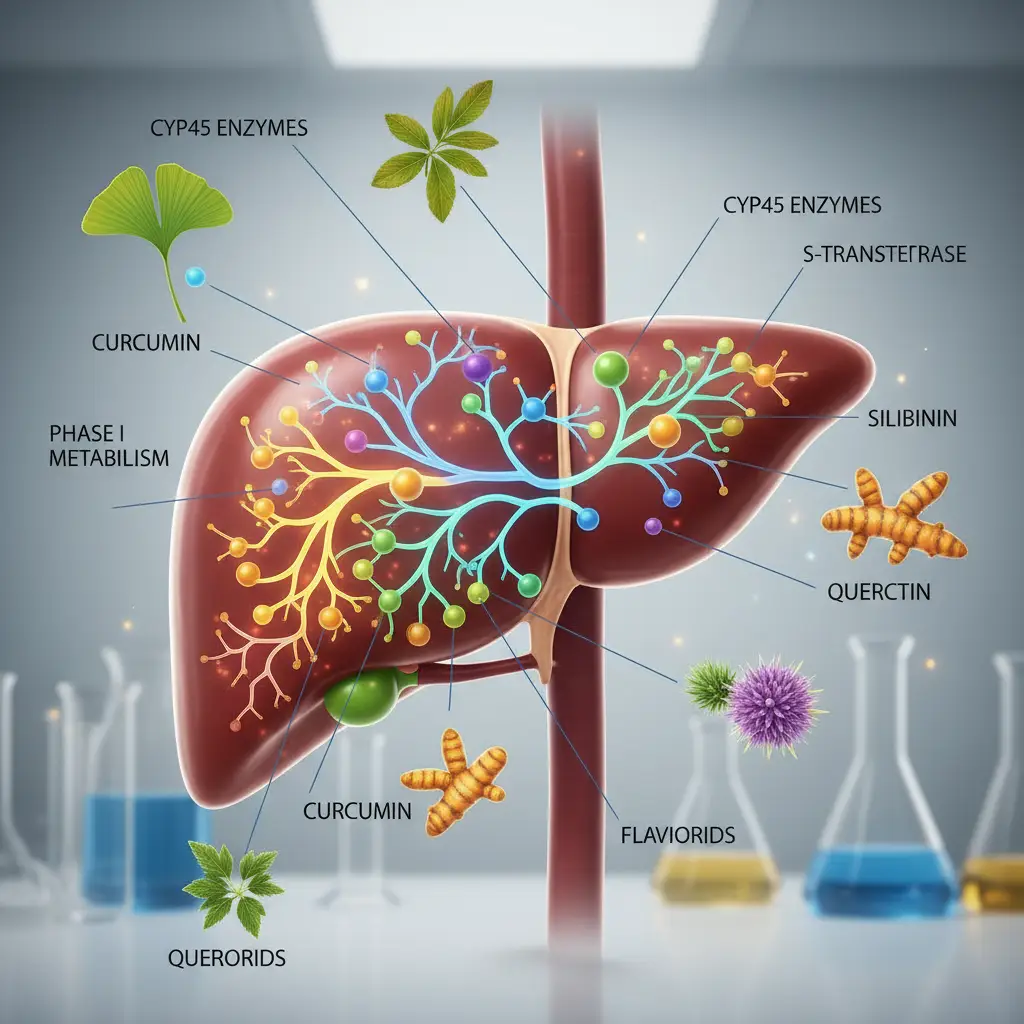
- Cytochrome P450 Enzymes: Many herbs influence the CYP450 enzyme family, which is responsible for metabolizing drugs and other herbs.
- Induction: Some herbs, like St John’s Wort, speed up these enzymes. If combined with other remedies, the second remedy might be flushed from the body before it can take effect.
- Inhibition: Other herbs slow these enzymes down. This can cause the constituents of a concurrent remedy to build up to toxic levels in the bloodstream.
For a deeper understanding of these enzymatic pathways, the Wikipedia entry on Cytochrome P450 provides a comprehensive overview of the biochemistry involved.
Pharmacodynamic Interactions
This occurs when two herbs act on the same receptor site or physiological system.
- Synergy: Two herbs working together to produce a stronger effect than either alone. This is often the goal but can be dangerous if uncontrolled (e.g., excessive sedation).
- Antagonism: One herb cancels out the effect of another. For instance, taking a stimulating herb like Panax Ginseng alongside a sedative Rongoā plant might render both ineffective.
Potential Interactions: Rongoā Māori & Western Herbs
In the New Zealand context, the “fusion” of Rongoā and Western herbs is becoming increasingly popular. However, specific combinations require vigilance to maintain high standards of herbal interaction safety.
Kawakawa and Blood Thinners
Kawakawa (Piper excelsum) is perhaps the most widely used Rongoā plant, famed for its tonic and anti-inflammatory properties. However, it contains constituents that may have mild anti-platelet effects.
The Risk: Combining Kawakawa with Western herbs known to thin the blood—such as Ginkgo Biloba, Garlic, or concentrated Ginger—could theoretically increase bleeding time. This is particularly crucial for patients preparing for surgery.
Kumarahou and Diuretics
Kumarahou (Pomaderris kumeraho) is a profound bitter tonic and respiratory herb. It also has a saponin content that acts as a natural cleanser and diuretic.
The Risk: Blending Kumarahou with strong Western diuretics like Dandelion Leaf or pharmaceutical water pills can lead to electrolyte imbalances, specifically potassium depletion. Safety dictates ensuring adequate hydration and mineral intake when using this combination.
Case Studies of Safe and Unsafe Combinations
To illustrate the practical application of these principles, we examine two theoretical scenarios often encountered in an integrated clinical setting.
Case Study 1: The “Kitchen Sink” Anxiety Blend (Unsafe)
The Scenario: A patient self-prescribes a mix of Valerian root (Western), Kava (Pacific/Western), and a high-dose tincture of Pukatea bark (Rongoā) for severe anxiety.
The Safety Failure:
1. Additive CNS Depression: All three plants are potent nervous system depressants. Combining them creates a risk of excessive sedation, respiratory depression, or cognitive impairment.
2. Pukatea Alkaloids: Pukatea contains pukateine, an alkaloid with analgesic properties similar to morphine. Without strict dosage control, combining it with Kava (which affects GABA receptors) creates an unpredictable and potentially hazardous neurological load.
Case Study 2: The Integrated Gut Healing Protocol (Safe)
The Scenario: A practitioner blends Koromiko (Rongoā) with Marshmallow Root and Calendula (Western) for a patient with inflammatory bowel issues.
The Safety Success:
1. Complementary Actions: Koromiko provides specific astringency to tone the bowel wall. Marshmallow root provides mucilage to soothe irritation, while Calendula offers vulnerary (wound healing) support.
2. No Enzyme Clash: None of these herbs are strong inhibitors or inducers of CYP450 enzymes.
3. Energetic Harmony: The cooling, soothing nature of Marshmallow balances the drying astringency of Koromiko, preventing constipation while treating the diarrhea.
The Importance of Consulting Qualified Practitioners
The complexity of herbal interaction safety highlights why self-prescription, especially when crossing cultural modalities, carries inherent risks. In New Zealand, the landscape of natural health is guarded by two primary streams of expertise: the Tohunga Rongoā and the Medical Herbalist (or Naturopath).
A Tohunga Rongoā understands the tikanga (protocols) of harvesting and utilizing native plants, ensuring the spiritual safety of the medicine. A qualified Medical Herbalist is trained in phytochemistry and drug-herb interactions. For the safest outcome, patients should seek practitioners who respect both lineages or work in integrated clinics.
For official information on medicine safety in New Zealand, resources like Medsafe NZ provide alerts on confirmed interactions, though their coverage of traditional Rongoā is limited, necessitating expert traditional knowledge.
Best Practices for Safe Integration
Whether you are a practitioner or a patient interested in integrated herbalism, following these core rules will minimize risk.
1. The “Start Low, Go Slow” Rule
When introducing a new herb from a different tradition, start with a quarter of the recommended dose. This allows the body to register the energetic shift before the full chemical load is processed. Monitor for hypersensitivity reactions, which can occur with native plants if the immune system is unfamiliar with them.
2. Avoid “Shotgun” Blending
Do not mix complex formulas from different systems blindly. A complex 10-herb Western formula mixed with a complex 5-herb Rongoā tonic creates hundreds of potential chemical interactions. It is safer to use “Simples” (single herbs) or pairs. For example, use one primary Rongoā herb for the constitution and one Western herb for the acute symptom.
3. Respect the Tikanga
Safety is not just physical. In Rongoā Māori, safety involves respect. Using native plants without acknowledging their source, or harvesting them disrespectfully, is considered unsafe practice that diminishes the mana of the rongoā. Always source herbs from ethical suppliers who work in partnership with local Iwi or practitioners.
People Also Ask
Is it safe to mix Rongoā Māori with Western medicine?
Generally, yes, but it requires knowledge of specific interactions. While many combinations are safe and complementary, potent herbs like Kawakawa or Kumarahou can interact with Western pharmaceuticals or herbs. Always consult a practitioner experienced in both modalities.
What are the side effects of Kawakawa?
Kawakawa is generally safe but can cause numbness in the mouth if chewed raw due to its analgesic properties. In excessive amounts, it may cause gastrointestinal upset or interact with blood-thinning medications due to its anti-platelet activity.
Can I take herbal tea with prescription medication?
It depends on the tea and the medication. Herbal teas like St John’s Wort can severely alter the effectiveness of prescriptions like birth control or antidepressants. Mild teas like Peppermint or Chamomile are usually safe, but a 2-hour gap between herbs and drugs is recommended.
What is the difference between Rongoā and herbalism?
Western herbalism focuses largely on phytochemistry and physiological systems. Rongoā Māori is a holistic system encompassing wairua (spirit), karakia (prayer), and tikanga (customs), viewing the plant as a living entity with genealogy (whakapapa) rather than just a chemical resource.
How do I know if herbs interact?
You can check reputable interaction checkers online, but the safest method is consulting a Medical Herbalist. They use pharmacopoeias that detail specific enzyme interactions (CYP450) that are not always listed on product labels.
Is Kumarahou safe for everyone?
Kumarahou is very safe for most but should be avoided or used with caution by those on strong diuretics or kidney medication due to its saponin content. It is also very bitter, which can trigger gastric reflux in sensitive individuals if taken on an empty stomach.