Reishi mushroom benefits sleep by utilizing its high concentration of triterpenes, specifically ganoderic acids, to modulate the nervous system and act as a gentle sedative. Unlike synthetic sleep aids, Reishi functions as an adaptogen, regulating the hypothalamic-pituitary-adrenal (HPA) axis to lower cortisol levels, reduce sleep latency, and improve the overall quality of deep, restorative sleep cycles.
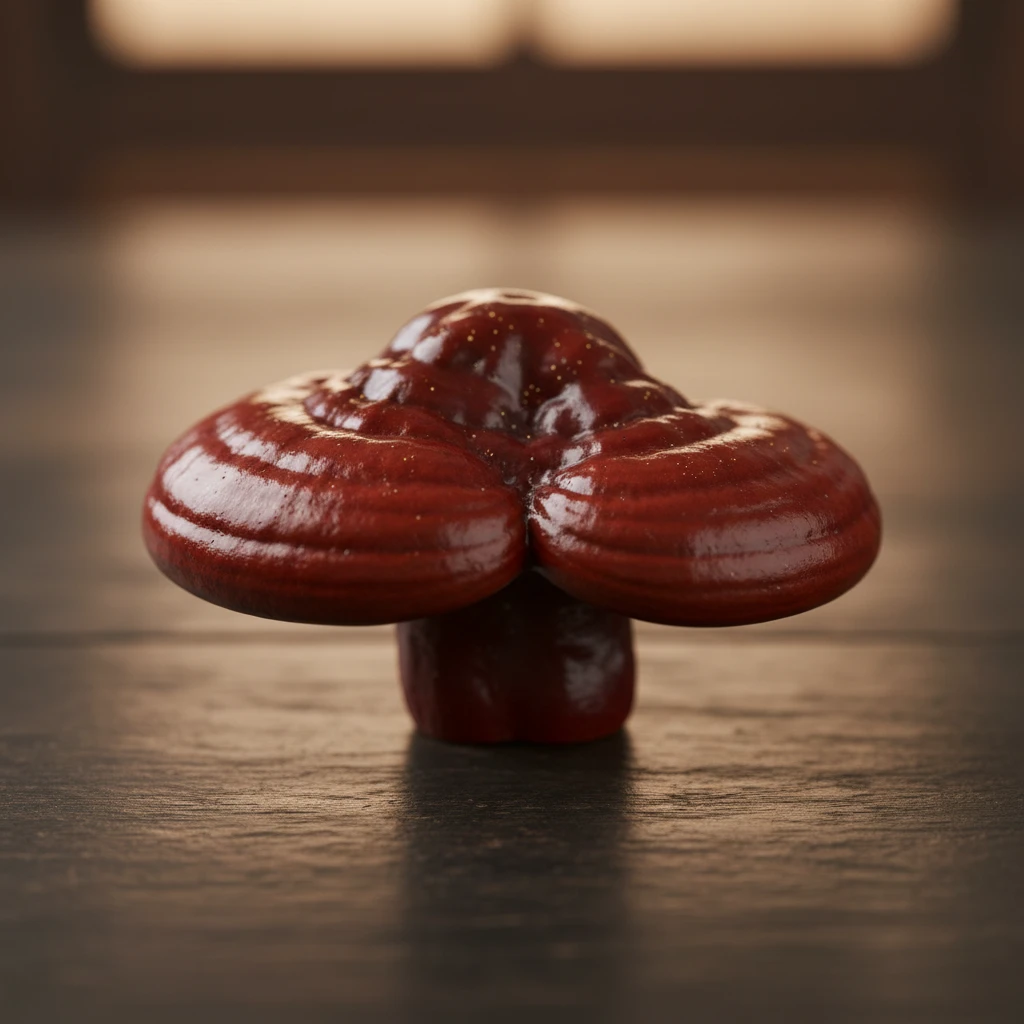
In the expansive world of functional fungi, few species command the reverence and historical weight of Ganoderma lucidum, commonly known as Reishi or Lingzhi. Often referred to as the “Mushroom of Immortality” in traditional Chinese medicine, Reishi is not sought after for its culinary flavor—which is notoriously woody and bitter—but for its profound ability to anchor the human nervous system. While modern society grapples with an epidemic of insomnia and high-stress burnout, Reishi mushroom benefits sleep, as explored on our Home page, through a unique biochemical mechanism that distinguishes it from other adaptogens.
Unlike melatonin, which signals the brain that it is time to sleep, or pharmaceutical sedatives that force the body into a shutdown state, Reishi operates as a harmonizer. It addresses the root causes of wakefulness: anxiety, physical tension, and hormonal imbalance. This guide investigates the clinical reality of Reishi, exploring how it serves as a “calm anchor” for the mind and body, and provides the necessary criteria for selecting a high-quality supplement in a market flooded with inferior products.
The Science of Sleep: Triterpenes and Nervous System Sedation
The primary reason users turn to Reishi for insomnia and restlessness lies in a specific class of chemical compounds known as triterpenes. While many medicinal mushrooms are praised solely for their beta-glucans (polysaccharides), Reishi is unique because it is rich in over 140 distinct triterpenoids, including ganoderic acids. These compounds are structurally similar to steroid hormones and are responsible for the mushroom’s bitter taste and its potent therapeutic effects on the nervous system.
Modulating the HPA Axis
Chronic stress keeps the hypothalamic-pituitary-adrenal (HPA) axis in a state of hyperarousal, leading to elevated cortisol levels that prevent the onset of sleep. Research suggests that the triterpenes found in Reishi help downregulate this system. By inhibiting the nervous system’s excitability, Reishi facilitates a transition from the sympathetic (fight or flight) state to the parasympathetic (rest and digest) state. This biochemical shift is essential for reducing “sleep latency,” the time it takes to fall asleep once you are in bed.
GABAergic Activity
Further investigation into Ganoderma lucidum indicates that its biologically active components may interact with the GABA (gamma-aminobutyric acid) pathway in the brain. GABA is the primary inhibitory neurotransmitter responsible for reducing neuronal excitability. By supporting GABA activity, Reishi promotes a sense of tranquility and relaxation without the narcotic “hangover” associated with benzodiazepines. This makes it an ideal supplement for those suffering from psychogenic insomnia—sleeplessness caused by a racing mind or anxiety—and a key component in the Holistic Management of Insomnia.
Beyond Rest: Modulating the Immune System
While the sedative properties of Reishi are paramount for sleep, its role as an immunomodulator is equally significant. Sleep and immunity are bidirectionally linked; poor sleep compromises immune function, and an overactive immune system (inflammation) can disrupt sleep. Reishi contains high concentrations of water-soluble polysaccharides, specifically beta-D-glucans, which interact with immune cells such as macrophages, T-cells, and dendritic cells.
The term “immunomodulation” is critical here. Unlike an immune stimulant, which pushes the system into overdrive, a modulator helps balance the system. If the immune response is weak (susceptibility to infection), Reishi helps upregulate activity. Conversely, if the immune system is overactive (autoimmunity or allergies), it helps quell the response. This balance is crucial for reducing systemic inflammation, a known disruptor of sleep architecture.
For a deeper understanding of the chemical structure of these polysaccharides, authoritative sources like NCBI’s research on Ganoderma lucidum provide extensive clinical data regarding its immunomodulatory pathways.
Reishi as Adjunct Support in Cancer Care
One of the most heavily researched areas of Reishi supplementation is its application in oncology. It is vital to state that Reishi is not a cure for cancer, adhering to the Medsafe Guidelines for Herbal Product Claims and Advertising, but it is widely recognized as a powerful adjunct therapy. In countries like Japan and China, Reishi extracts are frequently prescribed alongside chemotherapy and radiation treatments.
Improving Quality of Life
The primary benefit in this context is the improvement of the patient’s quality of life (QOL). Cancer treatments are notoriously taxing on the body, often leading to debilitating fatigue, insomnia, and immune suppression. Clinical studies have observed that patients consuming high-quality Reishi extracts report better sleep, improved appetite, and reduced fatigue. This is likely due to the dual action of triterpenes reducing stress and polysaccharides supporting the recovery of white blood cells.
Research Summary
Meta-analyses of randomized controlled trials have suggested that patients who were given Reishi alongside standard regimens had better response rates than those on chemo/radiation alone. However, the medical community emphasizes that Reishi should be used to support the body’s resilience rather than as a standalone treatment.

Commercial Guide: Spores vs. Fruiting Body Extracts
Navigating the market for Reishi supplements can be confusing due to the variety of forms available. Understanding the difference between the fruiting body and the spores is essential for achieving the desired results, particularly for sleep.
The Fruiting Body
The fruiting body is the mushroom itself—the cap and stem. This part of the fungus is rich in beta-glucans and contains a full spectrum of the mushroom’s nutrients. Historically, the fruiting body was boiled into teas. For a supplement to be effective, it should be a “hot water extract” at a minimum to break down the chitin cell walls and make the compounds bioavailable.
Reishi Spores
The spores are the microscopic seeds released by the mushroom at maturity. They are incredibly dense in triterpenes (the sleep-promoting compounds) and lipids. However, spores are encased in an indigestible shell. For human consumption, you must look for “shell-broken” or “cracked” cell wall spores. If the shell is not cracked, the spores will pass through the digestive tract unchanged, offering no benefit.
Extraction Methods: The Gold Standard
For the maximum “Reishi mushroom benefits sleep” effect, a Dual Extract is recommended. This method involves:
- Hot Water Extraction: To pull out the water-soluble polysaccharides (immune benefits).
- Alcohol (Ethanol) Extraction: To pull out the fat-soluble triterpenes (sleep and nervous system benefits).
If you purchase a product that is only a water extract, you may miss out on the triterpenes necessary for sedation. Always check the label for the percentage of triterpenes (ideally >3%) and beta-glucans (ideally >20%).
Dosage, Timing, and Synergy
Because Reishi is a functional food rather than a pharmaceutical drug, dosage can vary based on the concentration of the extract. However, general guidelines for commercial investigation suggest the following:
- Dried Mushroom (Tea): 3 to 5 grams boiled for at least 30 minutes to 2 hours.
- Concentrated Extract (Powder/Capsule): 500mg to 2000mg daily.
- Tincture: 1 to 2 droppers full.
Timing for Sleep
To leverage Reishi as a sleep aid, it is best consumed in the evening, approximately one hour before bed. This allows the triterpenes to begin modulating the nervous system and preparing the body for rest. Unlike caffeine, Reishi does not cause a crash, but rather a gradual settling.
Synergistic Pairings
Reishi pairs exceptionally well with magnesium glycinate or other calming herbs such as Valerian root and Chamomile. For those using Reishi for immune support, taking it alongside Vitamin C is often recommended, as Vitamin C may assist in the absorption of the complex polysaccharides found in the mushroom.
Safety Profile and Contraindications
Reishi is generally considered safe for long-term use (Class 1 safety rating in botanical medicine), but it is potent and biological interactions do occur.
Blood Thinning
High doses of Reishi may have an anticoagulant effect. Individuals taking blood-thinning medications (such as Warfarin or aspirin) or those with bleeding disorders should consult a physician before supplementing. It is also recommended to cease Reishi consumption two weeks prior to any scheduled surgery.
Liver Health
While Reishi is often used for liver support, there have been extremely rare case reports of liver toxicity associated with powdered Reishi products. This is often attributed to contamination or poor-quality sourcing rather than the mushroom itself. This underscores the importance of buying from reputable brands that provide third-party lab testing for heavy metals and contaminants.
For more details on botanical safety, Wikipedia’s entry on Lingzhi offers a broad overview of historical and modern safety observations.