Pūhā health benefits stem from its status as a nutrient-dense superfood, rich in Vitamin C, Vitamin A, iron, and potent dietary polyphenols. Also known as sow thistle, this staple of Rongoā Māori serves as a powerful blood purifier and nutritive tonic, supporting detoxification, digestive health, and immune function while actively reducing systemic inflammation.
The Nutritional Powerhouse of Aotearoa
For generations, Pūhā (often spelled Puha or identified as sow thistle) has been a cornerstone of the Māori diet and traditional medicine system in New Zealand. While often dismissed as a common weed in Western gardening contexts, Sonchus oleraceus is, in reality, a nutritional powerhouse that rivals, and in some metrics exceeds, the profile of commercially grown leafy greens like spinach and kale.
As interest in foraging and indigenous food sovereignty grows, Pūhā is reclaiming its rightful place as a superfood of Aotearoa. It is not merely a survival food; it is a complex vegetable rich in phytochemicals that support the body’s natural defense systems. Understanding the health benefits of Pūhā requires looking at it through the dual lenses of modern nutritional science and traditional Rongoā Māori wisdom. Both perspectives agree: this plant is vital for vitality.
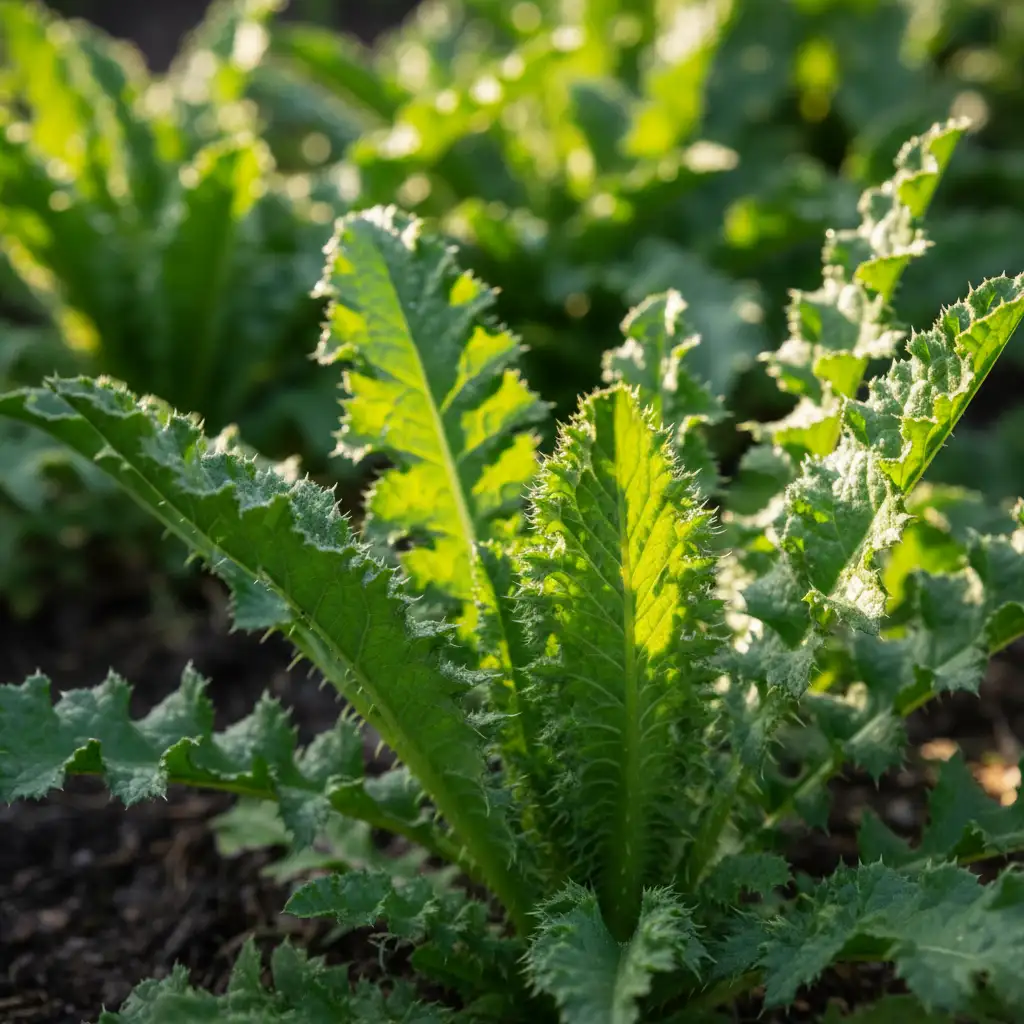
The plant grows abundantly throughout New Zealand, thriving in coastal areas and cultivated land alike. Its accessibility makes it an invaluable resource for community health, offering free, high-quality nutrition to those who know how to identify and prepare it. Learn more on our Home page.
Detailed Nutritional Profile of Pūhā
When analyzing the Pūhā health benefits, one must first examine its raw nutritional data. Pūhā is exceptionally low in calories but dense in essential micronutrients. It provides a broad spectrum of vitamins and minerals that are often lacking in modern, processed diets.
Key Vitamins and Minerals
Pūhā is particularly renowned for its high Vitamin C content. Vitamin C is a crucial antioxidant that supports immune function, collagen synthesis, and iron absorption. In fact, wild greens like Pūhā often contain significantly higher concentrations of Vitamin C compared to supermarket produce that has traveled long distances and sat in storage.
Furthermore, Pūhā is a rich source of:
- Vitamin A (Beta-carotene): Essential for vision health, immune function, and skin integrity.
- Vitamin K: Critical for blood clotting and bone metabolism.
- Iron: Vital for oxygen transport in the blood, making Pūhā an excellent dietary addition for preventing anemia.
- Calcium and Magnesium: Minerals necessary for bone strength and muscle function.
- Dietary Fiber: Supports digestive regularity and gut microbiome health.
Research into wild green vegetables indicates that they often possess superior antioxidant capacity compared to cultivated varieties. This is largely due to the plant’s natural defense mechanisms against environmental stressors, which result in the production of high levels of polyphenols.
Top Health Benefits of Pūhā
The consumption of Pūhā offers pleiotropic effects, meaning it influences multiple body systems simultaneously. Below are the primary evidence-based and traditional health benefits associated with regular consumption.
1. Potent Antioxidant and Anti-inflammatory Action
One of the most significant Pūhā health benefits is its ability to combat oxidative stress. The plant is rich in phenolic compounds, including flavonoids, which scavenge free radicals in the body. Chronic inflammation is the root cause of many modern diseases, including heart disease and diabetes. The antioxidants in Pūhā help neutralize these free radicals, thereby reducing systemic inflammation.
2. Detoxification and Liver Support
In herbal medicine, bitter greens are almost universally associated with liver health. The slight bitterness of older Pūhā leaves stimulates bile production, which is essential for the digestion of fats and the elimination of toxins from the liver. By supporting bile flow, Pūhā aids the body’s natural detoxification pathways, helping to clear metabolic waste products more efficiently.
3. Cardiovascular Health
The combination of fiber, potassium, and antioxidants makes Pūhā excellent for heart health. Dietary nitrates found in leafy greens can help modulate blood pressure, while fiber helps regulate cholesterol levels. For more information on the general benefits of leafy greens in cardiovascular health, reliable sources like Harvard Health emphasize the protective role of such vegetables.
4. Digestive System Regulation
Pūhā is rich in insoluble fiber, which adds bulk to the stool and facilitates regular bowel movements. This can be particularly beneficial for preventing constipation. Additionally, as a prebiotic food source, the fiber in Pūhā feeds beneficial gut bacteria, contributing to a robust microbiome.
Pūhā in Rongoā Māori: Traditional Healing
To discuss Pūhā without acknowledging its place in Rongoā Māori (traditional Māori medicine) is to tell only half the story. For Māori, Pūhā is more than just food; it is a rongoā (medicine) that connects the people to Papatūānuku (Earth Mother), similar to other sacred species like Rātā: Traditional Uses & Phytochemical Analysis.
Traditionally, Pūhā was used for a variety of medicinal purposes beyond general nutrition. The milky sap (latex) found in the stems was historically used to treat skin complaints, such as warts and boils, due to its antiseptic properties. In some traditions, a decoction of the leaves was used as a tonic to purify the blood.

Key Traditional Uses Include:
- Post-Childbirth Recovery: Pūhā was often fed to women after childbirth to help replenish iron stores lost during labor and to support milk production. For similar support, consider Shatavari: Hormonal Balance for Women.
- Digestive Aid: The bitter qualities were recognized as a stomachic, helping to settle upset stomachs and improve appetite.
- General Tonic: It was viewed as an invigorating food that provided energy and stamina, essential for physical labor.
For authoritative information on the cultural significance and botanical history of New Zealand plants, Te Ara – The Encyclopedia of New Zealand provides extensive resources on Rongoā Māori.
How to Harvest and Prepare Pūhā Safely
Harvesting wild food requires knowledge and caution. While Pūhā is distinct, it can be confused with other weeds by the untrained eye. Pūhā (Sonchus oleraceus) typically has smooth, dull green leaves and hollow stems that exude a milky white sap when broken. The leaves are serrated but generally soft, unlike the prickly sow thistle (Sonchus asper), which is sharper to the touch.
The Critical Step: “Rubbing” the Pūhā
Preparation is key to unlocking the best flavor and texture. Pūhā contains a bitter milky sap that can be unpalatable if not treated correctly. The traditional method involves “rubbing” the Pūhā under running water.
To do this, gather the leaves in a sink or basin of cold water. Rub the leaves vigorously against each other. You will see the water turn a green, grassy color—this is the bitter sap being released. Rinse and repeat this process two or three times until the water runs relatively clear and the leaves take on a darker, bruised appearance. This process not only removes the bitterness but also softens the cell walls, making the vegetable more tender when cooked.
Safety Considerations
When foraging, always ensure you are harvesting from areas free of sprays, pesticides, and roadside pollution. Pūhā absorbs minerals from the soil, which includes heavy metals if the soil is contaminated. Avoid gathering near busy highways or industrial sites.

Incorporating Pūhā into a Modern Diet
While the traditional “Boil-up” (pork bones, kūmara, doughboys, and Pūhā) remains a beloved classic, modern chefs and home cooks are finding innovative ways to utilize this green.
1. Green Smoothies:
Fresh, young Pūhā leaves are less bitter and can be added to fruit smoothies. The sweetness of banana or pineapple easily masks the earthy flavor, allowing you to consume the enzymes and vitamins in their raw, unaltered state.
2. Pūhā Pesto:
Substitute basil with blanched Pūhā in your favorite pesto recipe. Blend with pine nuts (or walnuts), garlic, olive oil, and parmesan cheese. This creates a nutrient-dense spread perfect for pasta or toast.
3. Stir-fries:
Treat Pūhā like spinach or bok choy. Sauté it quickly with garlic, ginger, and soy sauce. Because it has been rubbed and washed, it cooks down rapidly and absorbs the flavors of the pan.
4. Raw Salads:
Very young, small leaves can be eaten raw in salads. They offer a peppery bite similar to arugula or rocket. Pair them with a lemon vinaigrette to cut through the earthiness.
By integrating Pūhā into your diet, you are not only consuming a high-quality organic vegetable but also participating in a food tradition that honors the land of Aotearoa. Whether you boil it, blend it, or sauté it, the health benefits of Pūhā are undeniable.
People Also Ask
Is Pūhā good for you?
Yes, Pūhā is extremely good for you. It is a nutrient-dense leafy green rich in Vitamin C, Vitamin A, iron, and dietary fiber. It contains high levels of polyphenols (antioxidants) that help reduce inflammation and support the immune system.
Can you eat Pūhā raw?
Yes, you can eat Pūhā raw, particularly the young, tender leaves. They have a slightly bitter, peppery flavor similar to arugula. However, most people prefer to cook older leaves or “rub” them under water to remove the bitter milky sap before consumption.
What vitamins are in Pūhā?
Pūhā is packed with essential vitamins, most notably Vitamin C (ascorbic acid), Vitamin A (in the form of beta-carotene), and Vitamin K. It also provides significant amounts of minerals such as iron, calcium, magnesium, and potassium.
Why do you rub Pūhā before cooking?
Rubbing Pūhā under running water is a traditional preparation method used to remove the milky white sap (latex) found in the stems and leaves. This sap is very bitter. Rubbing the leaves bruises them, releasing the sap and softening the vegetable, resulting in a much milder flavor.
Is sow thistle the same as Pūhā?
Yes, in New Zealand, the term Pūhā generally refers to the introduced sow thistle, specifically Sonchus oleraceus (common sow thistle). There are other varieties, such as prickly sow thistle (Sonchus asper), but S. oleraceus is the preferred variety for eating due to its softer leaves.
What are the medicinal uses of Pūhā?
In Rongoā Māori, Pūhā is used as a nutritive tonic and blood purifier. The sap was traditionally applied to skin complaints like warts, while the cooked greens were consumed to aid digestion, treat constipation, and support recovery after childbirth due to their high iron content.