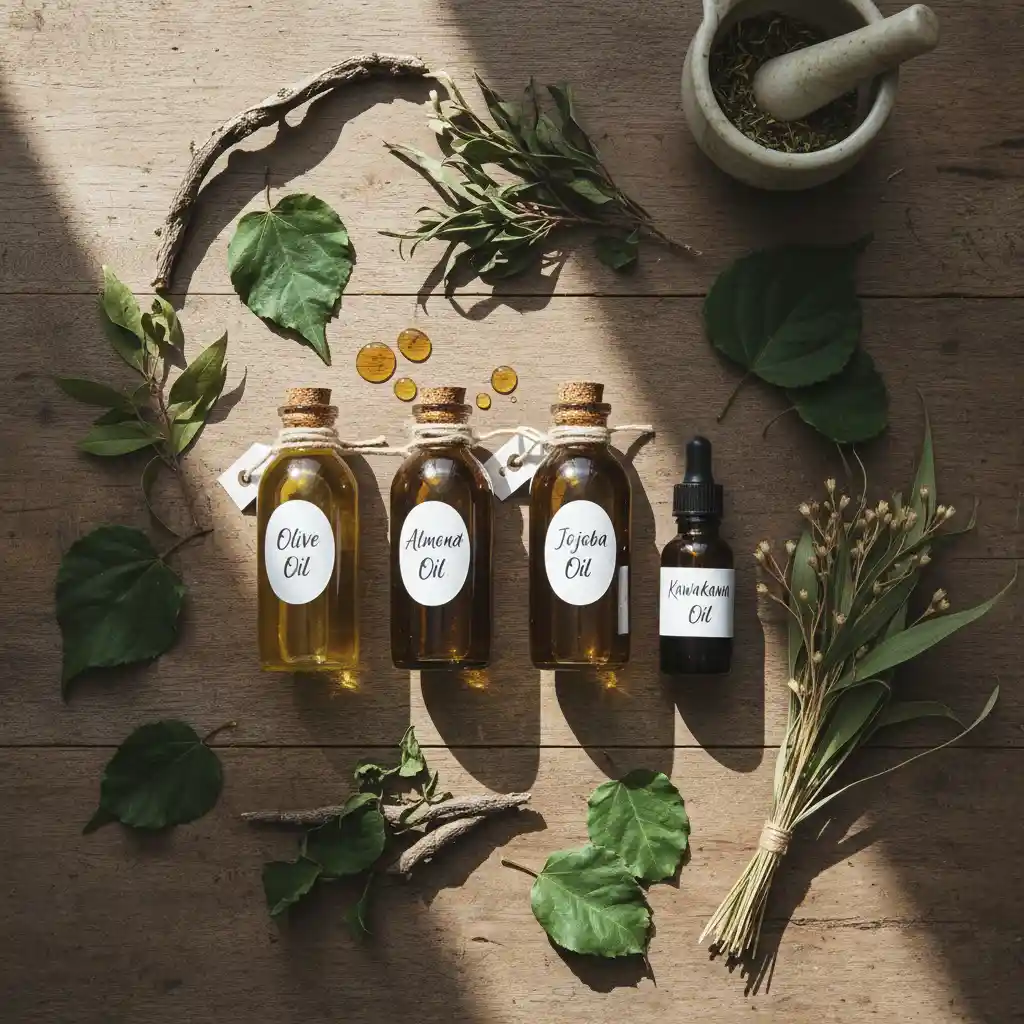
A native plant poultice is a therapeutic topical application made by macerating fresh New Zealand flora, such as Kawakawa or Harakeke, into a soft, moist mass. Applied directly to the skin, this traditional remedy, further detailed on our Home page, utilizes the plant’s bio-active compounds to draw out impurities, reduce inflammation, and accelerate healing for skin infections, deep bruising, and muscle trauma.
The Basics: Poultices vs. Compresses
In the realm of Western Herbal Medicine Approaches in New Zealand: A Blend of Traditions and Rongoā Māori (traditional Māori healing), the application of plant medicine to the skin is a cornerstone of treatment. However, understanding the technical difference between a poultice and a compress is vital for selecting the right modality for the ailment at hand.
A poultice involves the use of the whole plant material. Leaves, roots, or bark are mashed, bruised, or simmered into a pulp and applied directly to the body. The mass is usually warm and covered with a cloth to retain heat and moisture. Poultices are generally more potent as they place the plant matter in direct contact with the affected area, making them ideal for drawing out splinters, ripening boils, or treating deep-seated congestion in the tissue.
A compress, conversely, utilizes a liquid extract. A clean cloth is soaked in a strong herbal infusion, decoction, or diluted tincture, then wrung out and applied to the skin. Compresses can be applied hot (to stimulate circulation and relax muscles) or cold (to reduce inflammation and swelling). They are less messy than poultices and are excellent for covering larger surface areas, such as a sore back or widespread dermatitis.
Safety Protocols and Identification
Before harvesting any plant material for medicinal use, absolute certainty in identification is required. New Zealand’s flora is unique, and while many plants are healing, others can be toxic if misused. For example, while the bark of the Kōwhai tree has traditional uses for bruising, the seeds are highly poisonous.
Patch Testing
Even with safe plants, individual allergic reactions can occur. It is best practice to perform a patch test by applying a small amount of the plant material to the inside of the wrist and waiting 24 hours to check for redness or irritation.
Hygiene
When dealing with open wounds, broken skin, or infections, sterility is paramount. Ensure all equipment (mortars, bowls, knives) is sterilized. Following strict Packaging & Labeling Requirements for NZ Herbal Products is vital for safety. While traditional poultices are often applied directly, placing a layer of sterile gauze between the plant matter and an open wound can prevent debris from entering the wound bed while still allowing the medicinal constituents to permeate.
Key NZ Native Plants for Topical Healing
New Zealand’s isolation has led to the evolution of plants with unique chemical profiles. The following species are staples in the Rongoā cabinet for external applications.
Harakeke (New Zealand Flax – Phormium tenax)
Harakeke is perhaps the most versatile plant in the New Zealand pharmacopeia. For skin ailments, two parts of the plant are primarily used:
- The Gel (Pia): Found at the base of the leaves, this clear, gum-like substance is chemically similar to Aloe Vera. It is cooling, soothing, and antiseptic, making it perfect for burns, sunburn, and fresh cuts.
- The Root (Pūtake): The rhizome can be crushed or boiled to create a strong poultice. It is renowned for its astringent and drawing properties, often used historically to treat abscesses and deep infections.
Kawakawa (Piper excelsum)
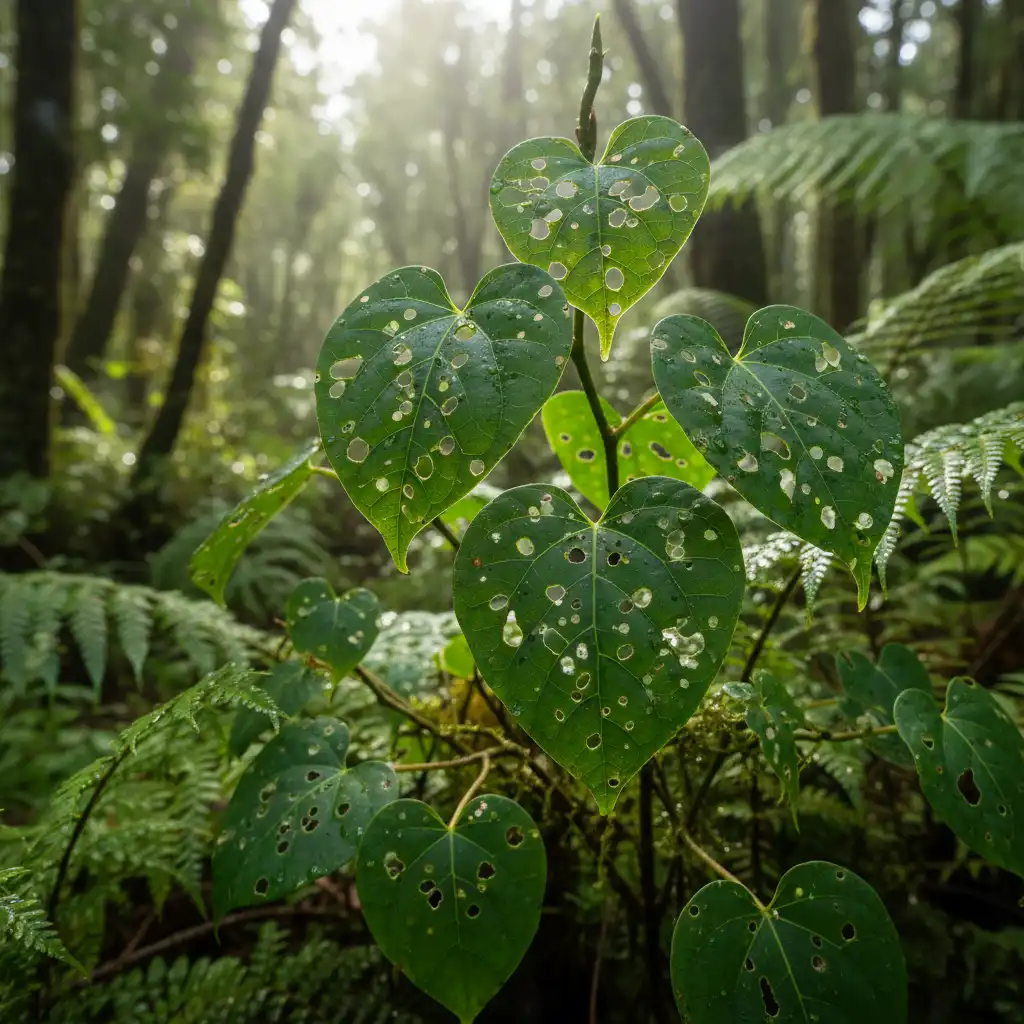
Often referred to as the “pharmacy of the forest,” Kawakawa contains myristicin, which provides mild analgesic (pain-relieving) and anti-inflammatory effects. A poultice of Kawakawa leaves is exceptionally effective for:
- Eczema and psoriasis flare-ups.
- Insect bites and stings.
- Toothache (when applied to the cheek).
- Bruises and joint pain.
Kōwhai (Sophora microphylla)
Kōwhai bark has a long history of use for musculoskeletal injuries. The inner bark, when prepared as a poultice or strong bath soak, is traditionally used to treat fractures, severe bruising, and back pain. Caution: Kōwhai is toxic if ingested. This plant should only be used externally on unbroken skin and kept away from children.
Poroporo (Solanum aviculare)
A member of the nightshade family, Poroporo is a powerful remedy for itchy skin conditions. The inner bark or leaves can be prepared as a poultice to soothe scabies or fungal infections. Like Kōwhai, it requires respect and knowledge of proper identification to avoid toxic look-alikes.
Step-by-Step: How to Make a Native Plant Poultice
Creating a poultice is a process that connects the practitioner with the plant. Follow these steps for an effective application.
- Harvesting: Select fresh, healthy leaves or roots. For Kawakawa, it is traditional to choose leaves with holes eaten by the looper moth caterpillar, as these are believed to have higher concentrations of active medicinal compounds.
- Cleaning: Rinse the plant material thoroughly in cold water to remove dust and insects.
- Maceration:
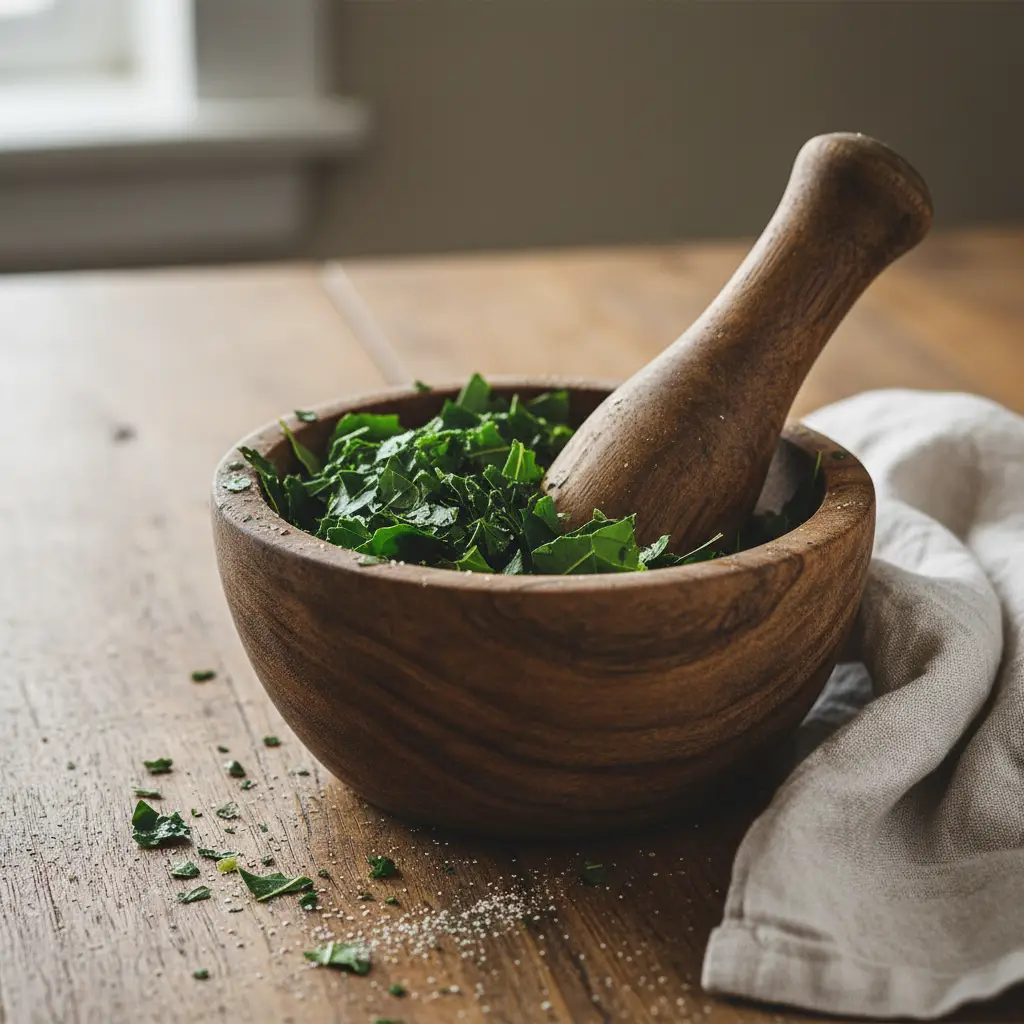
- Cold Poultice: Crush the leaves in a mortar and pestle or bruise them with a rolling pin until the juices begin to flow. This is best for inflammation and burns.
- Hot Poultice: Simmer the plant material in a small amount of water until soft. Alternatively, steam the leaves. This is best for drawing out infections or soothing aching muscles.
- Application: Apply the plant paste directly to the affected area. If the skin is broken, place a thin layer of sterile gauze down first.
- Securing: Cover the plant material with a waterproof layer (plastic wrap or a large, intact leaf like a Rangiora leaf) to keep the moisture in. Then, wrap the area with a bandage or cloth to hold everything in place.
- Duration: Leave the poultice on for 1 to 4 hours. Discard the plant material after use; never reuse a poultice.

Step-by-Step: Preparing a Herbal Compress
When a poultice is too heavy or the area is too sensitive, a compress is the preferred method.
- Prepare the Decoction: Place your chosen plant material (e.g., Harakeke roots or Kōwhai bark) in a pot of water. Bring to a boil, then simmer for 20–30 minutes to extract the medicinal properties. Strain the liquid into a bowl.
- Soak the Cloth: Submerge a clean cotton or flannel cloth into the liquid.
- Temperature Check:
- For Hot Compresses (boils, muscle tension): Ensure the liquid is hot but not scalding. Wring out the excess liquid so it is damp, not dripping.
- For Cold Compresses (sprains, inflammation): Allow the liquid to cool or refrigerate it before soaking the cloth.
- Apply: Place the damp cloth over the ailment.
- Insulate: For a hot compress, place a dry towel over the wet cloth to retain heat. Replace the compress when it cools down (usually every 15–20 minutes).
Treating Specific Skin and Muscle Ailments
Drawing Boils and Splinters
A hot poultice is the standard treatment for drawing foreign bodies or purulent matter from the skin. The heat increases blood flow, while the plant constituents soften the skin and encourage the boil to open. Harakeke root or a hot Kawakawa leaf poultice are excellent choices here. Ensure the area is kept clean and covered.
Sprains, Strains, and Deep Bruising
For acute injuries where swelling is present (the first 24-48 hours), use a cold compress of Kawakawa or Pukatea (Laurelia novae-zelandiae) to reduce inflammation. Once the initial swelling has subsided, switch to a warm poultice or compress to stimulate blood flow and tissue repair. The analgesic properties of Kawakawa are particularly useful for dull, aching muscle pain.
Eczema and Dermatitis
Chronic skin conditions often respond well to the anti-inflammatory nature of native plants. A cool compress using a strong Kawakawa infusion can relieve the itch of eczema. For dry, cracked skin, the gel from the base of Harakeke leaves can be applied directly as a soothing barrier, similar to a poultice but without the need for wrapping.
Rongoā Māori Principles and Sustainability
Using native plants for healing is not just about chemical extraction; it is about engaging with the environment respectfully. In Rongoā Māori, the concept of tikanga (protocol) guides the harvesting process. For more information on the cultural significance of these plants, you can visit Te Ara – The Encyclopedia of New Zealand.
Key principles include:
- Karakia: Offering a prayer or intention before harvesting to acknowledge the plant and the forest (Tāne Mahuta).
- Sustainable Harvest: Never take more than you need. When harvesting Harakeke, never cut the central shoot (the rito) or the two leaves on either side of it (the awhi rito/parents). Only harvest the outer, older leaves to ensure the plant’s survival.
- Returning to the Earth: After a poultice has been used, return the plant material to the earth (compost or bury it) rather than throwing it in the rubbish, completing the cycle.
By adhering to these principles, you ensure that the medicinal resources of the New Zealand bush remain abundant for future generations while maximizing the holistic efficacy of your treatment.

Conclusion
Mastering the art of the native plant poultice allows you to access the potent healing properties of the New Zealand forest. Whether treating a stubborn boil with Harakeke root or soothing a sprained ankle with Kawakawa, these traditional methods offer effective, natural solutions for modern ailments. Always prioritize safety, proper identification, and sustainable harvesting to practice this medicine with the respect it deserves.
People Also Ask
What is the best leaf for a poultice in New Zealand?
Kawakawa (Piper excelsum) is widely considered the best all-purpose leaf for poultices in New Zealand. Its heart-shaped leaves contain myristicin and other bio-active compounds that are excellent for reducing inflammation, soothing pain, and fighting infection in cuts and bruises.
How long should you leave a poultice on?
A poultice should generally be left on the skin for 1 to 4 hours. However, if the poultice causes any burning or irritation, it should be removed immediately. For deep-seated issues like boils, it can be reapplied 2-3 times a day with fresh plant material.
Can you put a poultice on an open wound?
Yes, poultices can be used on open wounds to draw out infection, but strict hygiene is necessary. It is recommended to place a layer of sterile gauze between the raw plant material and the open wound to prevent debris from entering the tissue while allowing the medicinal juices to penetrate.
What is the difference between a poultice and a compress?
The main difference lies in the material used. A poultice uses the solid plant mass (mashed leaves, roots, or bark) applied directly to the skin. A compress uses a cloth soaked in a liquid herbal extract (tea or infusion) and does not involve solid plant matter.
Is Harakeke gel good for skin?
Yes, the gel (pia) found at the base of Harakeke leaves is excellent for the skin. It has antiseptic, cooling, and hydrating properties similar to Aloe Vera, making it an effective treatment for burns, sunburns, and dry skin conditions.
How do you make a flax poultice?
To make a flax (Harakeke) poultice, harvest the outer leaves or roots. For a root poultice, clean and boil the rhizome until soft, then mash it into a paste. For a leaf poultice, scrape the gel from the base of the leaf or bruise the leaf to release the sap, then apply it to the affected area.