
Oil pulling benefits science centers on the mechanical removal of biofilm and the chemical process of saponification. When swishing oil (typically coconut or sesame), the lipids emulsify bacteria and plaque, effectively reducing Streptococcus mutans and gingivitis. This ancient Ayurvedic practice, known as Gandusha, serves as a complementary therapy to standard oral hygiene, offering significant antimicrobial properties without the staining side effects of chlorhexidine. Learn more at our Home page.
The Science: Mechanism of Action
While oil pulling, or Gandusha, originates from Ayurvedic tradition dating back over 3,000 years, modern science has begun to validate its efficacy through specific biochemical mechanisms. The primary question skeptics ask is: How does swishing vegetable fat in the mouth reduce bacteria?
The answer lies in two fundamental processes: emulsification and saponification.
Saponification and Emulsification
The oral cavity is a humid environment teeming with billions of microorganisms. Most of these bacteria are single-celled organisms enclosed by a lipid (fatty) membrane. Because “like dissolves like,” the lipids in the oil attract the lipid membranes of the bacteria. When you swish the oil, you are essentially creating an emulsion that traps these bacteria.
Furthermore, the mechanical action of swishing mixes the oil with saliva. Saliva contains naturally occurring alkaline bicarbonates. When the fatty acids in the oil react with these alkalis, a chemical reaction called saponification occurs. This is the soap-making process. The oil essentially turns into a mild soap within the mouth, acting as a surfactant that cleanses the teeth and gums, detaching plaque and debris that water alone cannot rinse away.

Hydrolysis and Viscosity
As the oil is swished, it undergoes hydrolysis. The viscosity of the oil changes, becoming thinner and turning milky white. This change in texture and color is a visual indicator that the oil has absorbed moisture, saliva, and toxins (bacterial waste). The extended duration of the practice—typically 15 to 20 minutes—allows the oil to penetrate deep into periodontal pockets where toothbrushes and floss often fail to reach, which may also assist in Migraine Relief Without Medication through systemic detoxification.
Sesame Oil vs. Coconut Oil: Analyzing the Lipids
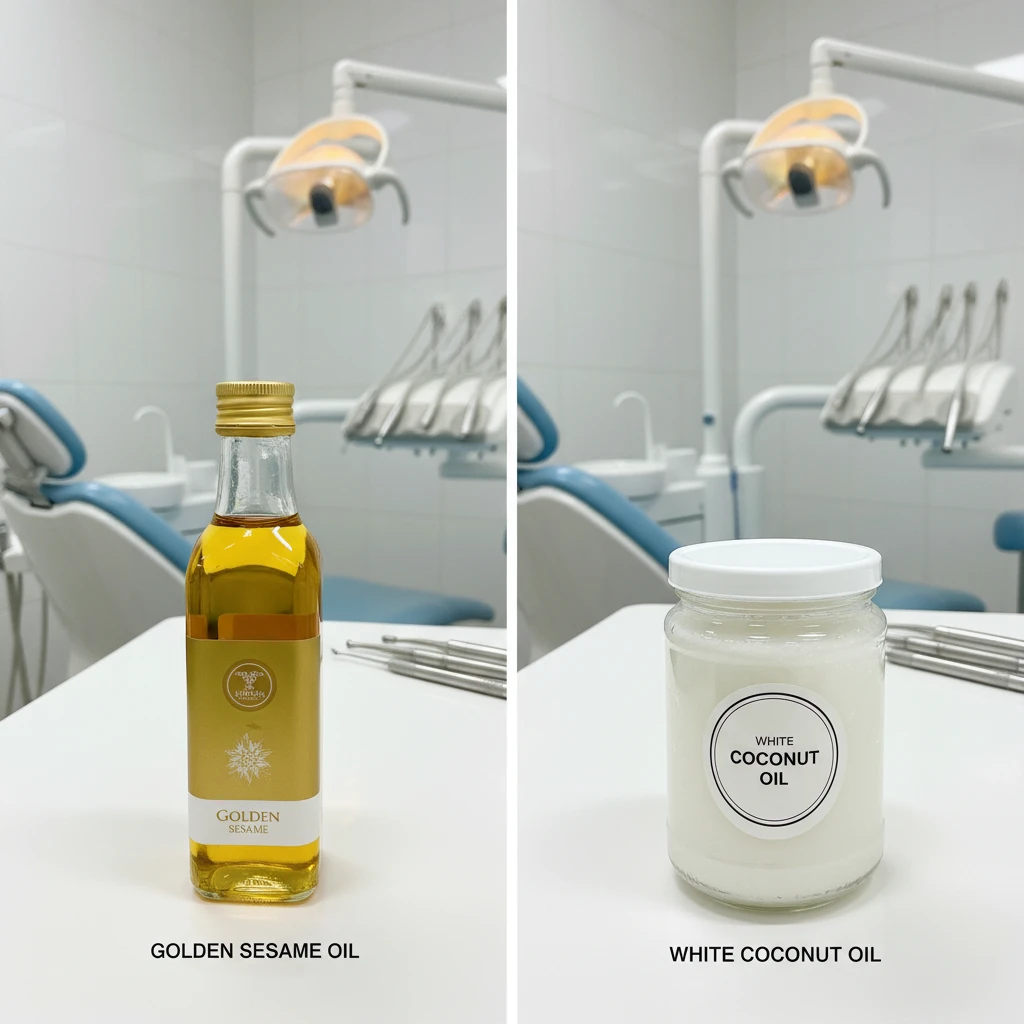
In traditional Ayurveda, sesame oil is the gold standard for Gandusha. However, in the Western world, coconut oil has gained immense popularity. Both are effective, but they operate through slightly different chemical profiles.
Sesame Oil: The Traditional Choice
Sesame oil is rich in polyunsaturated fatty acids and contains three unique lignans: sesamin, sesamolin, and sesaminol. These compounds possess strong antioxidant properties. Traditional texts suggest that sesame oil is superior for preventing dryness of the throat and lips and for strengthening the jaw. The high viscosity of sesame oil makes it excellent for vigorous swishing, although the flavor can be intense for some users.
Coconut Oil: The Antimicrobial Powerhouse
Coconut oil is composed of approximately 92% saturated acids, with lauric acid making up nearly 50% of its composition. Lauric acid is well-documented for its anti-inflammatory and antimicrobial effects. In the human body, lauric acid is converted into monolaurin, a monoglyceride that can destroy lipid-coated viruses and bacteria.
Studies suggest that coconut oil may be more palatable for modern users and specifically effective against Streptococcus mutans, the primary bacterium responsible for tooth decay. Additionally, coconut oil is generally more stable and less prone to oxidation (rancidity) than sesame oil.
Clinical Evidence vs. Chlorhexidine
To determine the validity of oil pulling, researchers often compare it against chlorhexidine gluconate, the “gold standard” chemical mouthwash prescribed by dentists for gingivitis. While chlorhexidine is highly effective, it comes with significant downsides, including brown staining of teeth, alteration of taste perception, and potential disruption of the oral microbiome balance.
Impact on Streptococcus Mutans
A randomized controlled trial involving adolescents evaluated the effect of coconut oil pulling on S. mutans counts in saliva. The study found that after two to three weeks, the group practicing oil pulling showed a statistically significant reduction in bacterial count, comparable to the group using chlorhexidine. This suggests that for reducing the bacterial load responsible for cavities, oil pulling is a viable natural alternative.
Gingivitis and Plaque Scores
Gingivitis is caused by plaque buildup that induces inflammation in the gum tissue. A separate study focusing on plaque-induced gingivitis demonstrated that sesame oil pulling resulted in a reduction of mean plaque scores and gingival scores. The anti-inflammatory properties of the oil likely contribute to soothing the gum tissue, while the mechanical action reduces the plaque burden.
Halitosis (Bad Breath)
Halitosis is frequently caused by volatile sulfur compounds (VSCs) produced by proteolytic bacteria on the tongue and in gum pockets. Understanding TCM Tongue Diagnosis can offer additional insight into these oral markers. A study comparing oil pulling to chlorhexidine for halitosis found that both methods were equally effective in reducing VSCs and organoleptic breath scores. The advantage of oil pulling here is that it does not kill the beneficial bacteria necessary for nitric oxide production, a crucial component of cardiovascular health that harsh mouthwashes can deplete.
For more deep-dive information on the history of these practices, you can refer to Wikipedia’s entry on Oil Pulling.
Correct Technique and Duration
The efficacy of oil pulling is entirely dependent on the technique. Simply gargling for thirty seconds will not yield the benefits described in scientific literature. The process requires patience and adherence to specific protocols to ensure safety and hygiene.
Step-by-Step Protocol
- Timing: Perform this first thing in the morning, on an empty stomach, before brushing your teeth or drinking water.
- Dosage: Take approximately one tablespoon (10-15ml) of high-quality organic coconut or sesame oil. If you are new to the practice, start with a teaspoon to avoid gagging.
- The Action: Swish the oil around your mouth. Push and pull it through your teeth. Use your tongue to move it around the gums. Do not gargle in the throat; keep the oil in the front and middle of the mouth.
- Duration: Continue this for 15 to 20 minutes. This duration is critical. It takes time for the oil to thoroughly penetrate the plaque biofilm and for the saponification process to occur.
- Disposal: Spit the oil into a trash can or paper towel. Do not spit it into the sink or toilet, as the oil can solidify and clog plumbing pipes over time.
- Rinse and Brush: Rinse your mouth thoroughly with warm water (salt water is optional but beneficial) to remove any remaining oil residue. Follow up with your regular tooth brushing routine.
Proven Benefits and Limitations
It is vital to maintain a balanced perspective. While the oil pulling benefits science is promising, it is not a miracle cure-all.
What It Can Do
- Reduce Plaque Accumulation: Regular practice creates a slick surface on teeth, making it harder for plaque to adhere.
- Support Gum Health: The anti-inflammatory nature of the oils helps reduce bleeding gums and puffiness associated with early-stage gingivitis.
- Whitening Effect: While it does not bleach teeth like peroxide, it removes surface stains caused by coffee, tea, and food, leading to a brighter appearance.
What It Cannot Do
- Cure Existing Cavities: Oil pulling cannot reverse tooth decay that has already penetrated the enamel. It is a preventative measure, not a restorative one.
- Detoxify the Blood: Some proponents claim oil pulling draws toxins out of the blood stream through the tongue. There is currently no physiological evidence to support systemic detoxification via the oral mucosa in this manner.

Safety and Precautions
While generally safe, there are specific precautions to consider. The most significant risk is lipoid pneumonia. This is a rare condition caused by aspirating (inhaling) small amounts of oil into the lungs. This usually happens if one tilts their head back too far to gargle or accidentally breathes in while swishing. To avoid this, always keep your head upright and do not gargle the oil in the throat.
Additionally, excessive vigor can lead to jaw fatigue or TMJ discomfort. The swishing motion should be gentle and rhythmic, not aggressive. If your jaw hurts, you are working too hard or doing it for too long.
Finally, oil pulling should never replace mechanical cleaning (brushing and flossing). It is an adjunct therapy. Relying solely on oil pulling without brushing can lead to dental deterioration. For authoritative guidelines on oral hygiene, refer to resources provided by the National Institute of Dental and Craniofacial Research.
People Also Ask
How long does it take to see results from oil pulling?
Most users report a feeling of cleaner teeth immediately after the first session. However, for measurable benefits regarding gingivitis reduction and plaque control, consistent practice for at least 2 to 3 weeks is typically required.
Can I do oil pulling if I have fillings or crowns?
Yes, oil pulling is generally safe for people with fillings, crowns, and dental implants. The oil does not damage dental restoration materials, though it is always best to check with your dentist if you have loose fillings.
Should I brush my teeth before or after oil pulling?
You should brush your teeth after oil pulling. Swishing is best done first thing in the morning on an empty stomach to trap bacteria that accumulated overnight. Brushing afterward removes the oil residue and dislodged debris.
Does oil pulling whiten teeth naturally?
Oil pulling does not bleach teeth like chemical whitening strips. However, it can make teeth appear whiter by removing surface stains and reducing the yellow biofilm (plaque) that covers the enamel.
What are the side effects of oil pulling?
Common side effects include jaw fatigue, dry mouth, or mild stomach upset if the oil is swallowed. Swallowing the oil can cause diarrhea due to the high fat load and bacteria content. Aspiration (inhaling oil) is a rare but serious risk.
How often should I do oil pulling?
For therapeutic benefits, daily practice is recommended. However, doing it 3 to 4 times a week can still provide maintenance benefits for oral hygiene.