Nutritional herbalism NZ is a holistic discipline that bridges the gap between culinary nutrition and medicinal plant therapy, specifically adapted to the unique ecosystem of Aotearoa. Visit our Home for more information. It involves utilizing nutrient-dense herbs—such as the native Kawakawa, Horopito, and Puha—alongside global staples like nettle and dandelion, to support physiological function through high concentrations of vitamins, minerals, and phytonutrients found in whole plant foods.
The Philosophy of Food as Medicine
The concept that the food we consume serves as our primary form of medicine is as old as human civilization itself. While modern nutritional science often isolates specific vitamins and minerals, nutritional herbalism looks at the plant in its entirety. This approach recognizes that the complex matrix of phytochemicals, fiber, and micronutrients within a herb works synergistically to promote health, rather than acting as a singular chemical bullet.
In many traditional systems, including Traditional Chinese Medicine (TCM) and Ayurveda, there is no distinct separation between the kitchen and the dispensary. A soup is not merely sustenance; it is a decoction designed to warm the digestion or build blood. In the Western tradition, Hippocrates famously stated, “Let food be thy medicine and medicine be thy food.” This foundational principle drives the practice of nutritional herbalism today, emphasizing the role of Naturopathic Nutrition: Food as Medicine.
Unlike clinical herbalism, which often relies on low-dose, high-potency tinctures for acute conditions, nutritional herbalism focuses on trophorestoration—the restoration of tissue function through nutrition. This involves consuming larger quantities of gentle, tonic herbs that are rich in minerals like iron, calcium, magnesium, and potassium. These herbs nourish the neuro-endocrine system and rebuild depleted reserves, a necessity in our modern, high-stress environment.
Nutrient-Dense Herbs and Physiological Health
Nutritional herbalism relies heavily on a specific category of plants often termed “nutritive tonics.” These plants are generally safe for long-term use and contain higher concentrations of essential nutrients than standard cultivated vegetables. Because wild plants often grow in uncultivated, mineral-rich soils, their uptake of trace minerals is significantly higher than that of commercial crops grown in depleted soils.
Stinging Nettle (Urtica dioica)
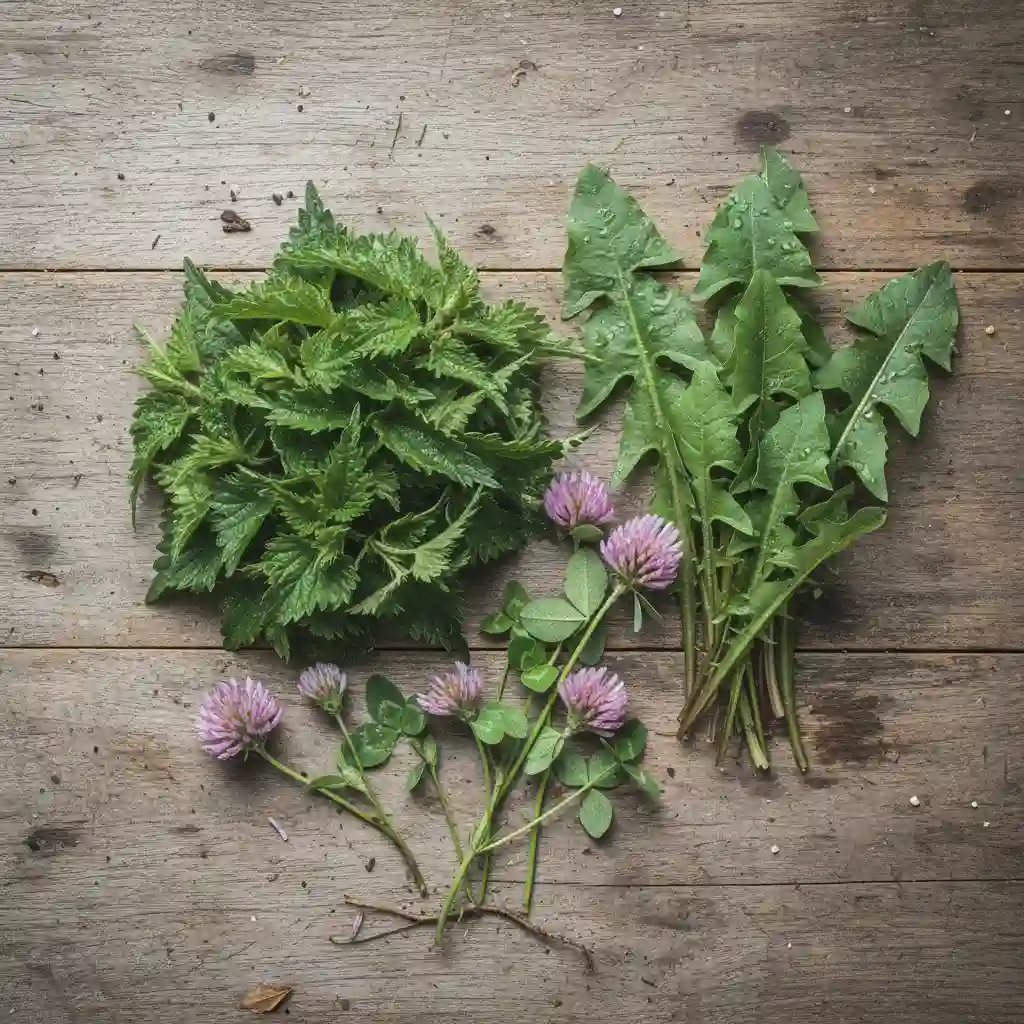
Often dismissed as a weed, the stinging nettle is a powerhouse of nutrition. It is one of the premier sources of plant-based iron, calcium, and magnesium. Nettle facilitates the removal of metabolic waste through the kidneys while simultaneously replenishing the body’s mineral stores. In a nutritional herbalism context, nettle is rarely taken as a few drops of tincture; instead, it is consumed as a strong infusion (steeped for 4-8 hours) or cooked into soups like spinach.
Dandelion (Taraxacum officinale)
Every part of the dandelion is edible and medicinal. The leaves are a bitter digestive tonic, stimulating the release of bile and enzymes necessary for nutrient absorption. They are also rich in potassium, which is vital because dandelion acts as a diuretic; unlike pharmaceutical diuretics that deplete potassium, dandelion naturally replaces it. The roots, rich in inulin, act as a prebiotic, feeding healthy gut flora which is the cornerstone of immune health.
Oatstraw (Avena sativa)
Oatstraw is the grassy stem of the oat plant, harvested before the grain matures. It is rich in silica, calcium, and B vitamins. In nutritional herbalism, oatstraw is revered for its affinity for the nervous system. It is a “nervine trophorestorative,” meaning it literally feeds and restores nerve tissue. For New Zealanders facing high levels of burnout and adrenal fatigue, incorporating oatstraw infusions is a profound way to use a plant as a nutritional building block.
Blurring the Line: Culinary vs. Medicinal Herbs
One of the primary goals of nutritional herbalism is to bring medicine back into the kitchen. Many herbs sitting in the average pantry possess potent therapeutic properties that are often overlooked.
Rosemary, for example, is a powerful circulatory stimulant and antioxidant that supports cognitive function. Thyme is rich in volatile oils that are antimicrobial and beneficial for the respiratory tract. Turmeric and Ginger are potent anti-inflammatories, often helping as Natural Pain Relief for Arthritis. By increasing the dosage of these culinary herbs—using tablespoons rather than pinches—we shift their function from mere flavoring agents to therapeutic tools.
This integration requires a shift in mindset. Instead of asking “What pill do I take for this ailment?”, the nutritional herbalist asks, “What can I add to my meal to support my body’s current needs?” This might mean adding a handful of chickweed to a salad for skin health or using a burdock root vinegar to dress greens for liver support.
Nutritional Herbalism in the NZ Context
In Aotearoa New Zealand, nutritional herbalism takes on a unique dimension through the integration of Rongoā Māori (traditional Māori healing). The New Zealand bush offers a pharmacopeia of plants that have been used for centuries, not just as medicine, but as sustenance.
The isolation of New Zealand has led to the evolution of unique flora with high bioactivity. The high UV levels in New Zealand force plants to produce higher levels of protective antioxidants (polyphenols), which, when consumed, confer those protective benefits to humans. Understanding the medicinal use of plants in New Zealand is essential for any local practitioner.

Kawakawa (Macropiper excelsum)
Kawakawa is perhaps the most versatile plant in the NZ nutritional herbalism toolkit. Often called the “pharmacy of the forest,” it is related to the kava plant and black pepper. While commonly used topically for skin issues, internally it is a fantastic digestive tonic. It calms bloating, indigestion, and inflammation in the gut. The leaves can be dried and used as a tea or a culinary spice. Interestingly, the leaves with holes eaten by the looper moth are considered the most potent, as the plant produces more defensive secondary metabolites in response to the attack.
Horopito (Pseudowintera colorata)
Known as the New Zealand pepper tree, Horopito has a hot, spicy kick. It contains polygodial, a compound with strong antifungal properties, making it excellent for managing Candida overgrowth and balancing gut flora. In a nutritional context, dried and ground Horopito leaves serve as a local substitute for black pepper or chili, adding heat and medicinal benefit to savory dishes.
Puha (Sonchus oleraceus)
Puha (sow thistle) is a staple green vegetable in Māori cuisine, famously boiled with pork bones. From a nutritional herbalism perspective, Puha is a bitter green packed with Vitamin C, iron, and antioxidants. The bitterness stimulates liver function and digestion. While modern palates often shy away from bitter flavors, reintroducing plants like Puha is critical for metabolic health.
Integrating NZ Native Plants into a Therapeutic Diet
Applying the principles of nutritional herbalism in New Zealand involves creativity. It is about moving beyond the tea bag and incorporating these plants into daily sustenance.
Wild Weed Pestos
One of the easiest entry points is pesto. Instead of using only basil, a nutritional herbalist might use a base of chickweed (abundant in NZ gardens), young dandelion leaves, or nasturtium, blended with Kawakawa seeds for a peppery bite. This transforms a condiment into a mineral-rich supplement.
Herbal Broths and Stocks
Adding medicinal mushrooms (like native wood ear) and roots (like dandelion or burdock) to bone broths or vegetable stocks extracts deep immune-modulating compounds. Adding a sprig of Manuka or Kanuka to the simmering pot releases antimicrobial volatile oils that can help ward off winter ills.
Salads and Garnishes
Many native and naturalized plants can be eaten raw. Young Puha, nasturtium flowers, and onion weed flowers add vibrancy and phytonutrients to salads. The key is identification and ensuring the soil is free from contaminants.

Tikanga and Sustainable Harvesting
You cannot practice nutritional herbalism in New Zealand without addressing Tikanga (customary practices) and sustainability. As interest in foraging grows, so does the pressure on native ecosystems. It is vital to approach harvesting with respect.
The principle of “take only what you need” is paramount. In Rongoā Māori, a karakia (prayer/acknowledgment) is often offered before harvesting to give thanks to Tāne Mahuta (god of the forest). Practically, this means never stripping a plant bare. With Kawakawa, for example, one should harvest from different sides of the bush and avoid taking the central growing tip (rito), ensuring the plant can continue to thrive.
Furthermore, accurate identification is non-negotiable. While New Zealand has fewer poisonous plants than other countries, they do exist (e.g., Tutu). Beginners should always consult reputable field guides or local experts before consuming wild plants. For more on plant safety, resources like Manaaki Whenua – Landcare Research provide authoritative data on NZ flora.
Nutritional herbalism in NZ offers a path to reclaim health through connection with the land. By integrating the wisdom of global herbal traditions with the specific mana of Aotearoa’s native plants, we can nourish ourselves deeply and sustainably.
What is the best NZ native herb for digestion?
Kawakawa is widely considered the best New Zealand native herb for digestion. Its anti-inflammatory and antispasmodic properties help soothe stomach cramps, bloating, and indigestion. It is commonly consumed as a tea or infusion to support gut health.
Can you eat Kawakawa leaves raw?
Yes, you can eat Kawakawa leaves raw, though they have a very strong, peppery, and slightly numbing taste due to their high concentration of myristicin. It is more common to use them dried as a spice or steeped in hot water, but a small piece of a fresh leaf can be chewed for toothache or breath freshening.
Is Puha considered a medicinal herb?
Yes, Puha is both a food and a medicine. While often treated as a vegetable in cooking (like boiling with pork), it is a bitter tonic that supports liver function, aids digestion, and provides high levels of iron, Vitamin C, and antioxidants.
How does nutritional herbalism differ from clinical herbalism?
Nutritional herbalism focuses on using nutrient-dense whole plants and foods to restore health over time (trophorestoration), often using larger quantities like infusions or soups. Clinical herbalism typically uses more potent, low-dose preparations like tinctures to treat specific acute or chronic pathologies.
What are the benefits of drinking Manuka tea?
Manuka tea, made from the leaves of the Manuka tree, is rich in tannins and volatile oils. It has antibacterial, antifungal, and calming properties. It is often used to support the immune system, help with urinary tract health, and promote relaxation.
Where can I learn Rongoā Māori?
You can learn Rongoā Māori through wānanga (workshops) offered by local Marae, community education centers, or accredited providers across New Zealand. It is important to learn from authentic practitioners to understand the Tikanga (cultural protocols) alongside the plant knowledge.