
Naturopathic diet principles focus on using whole, organic, and minimally processed foods to stimulate the body’s inherent self-healing mechanisms. This approach emphasizes bio-individuality, identifying food sensitivities, maintaining proper acid-alkaline balance, and utilizing nutrient-dense ingredients to treat the root cause of illness rather than just suppressing symptoms. Learn more at our Home.
The Core Philosophy of Naturopathic Nutrition
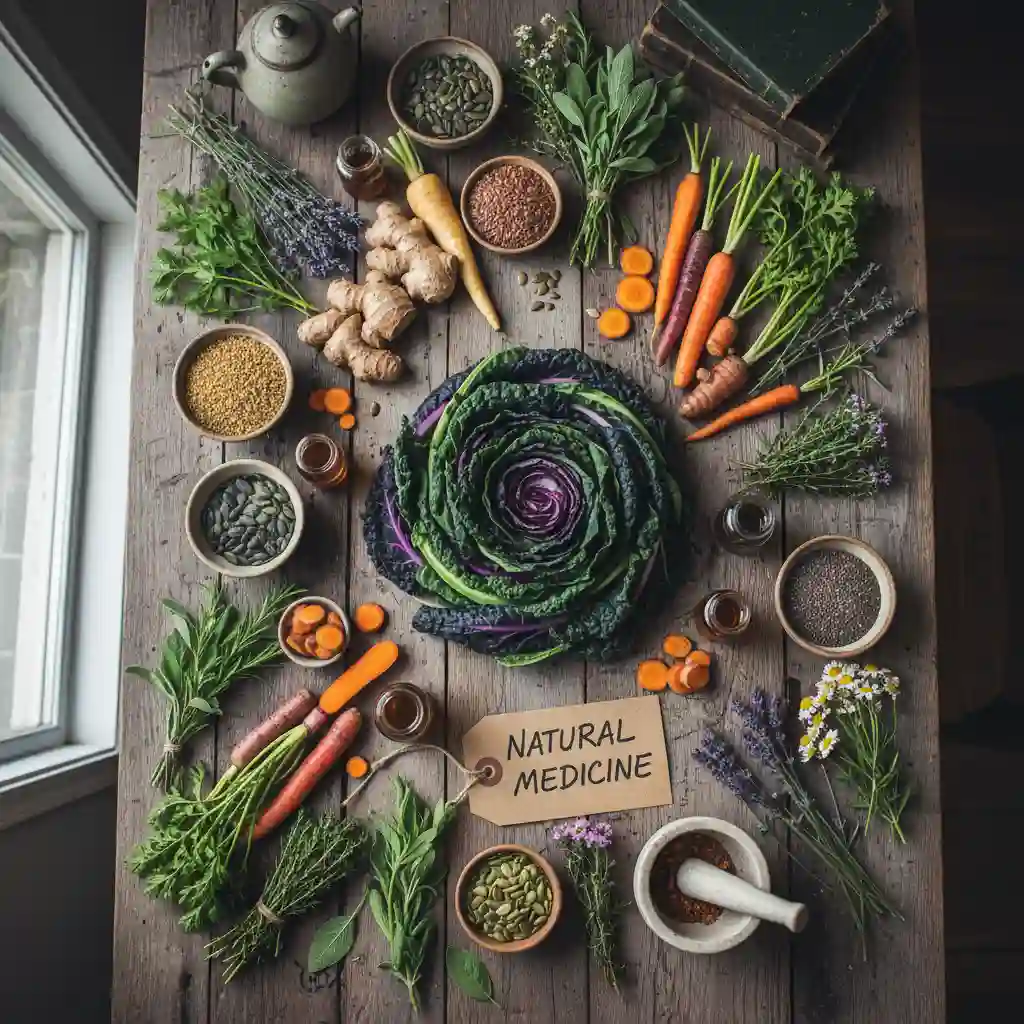
Naturopathic nutrition is not merely a diet; it is a philosophy of living that views food as the primary medicine for the body. Unlike conventional dietetics, which often focuses heavily on caloric intake and macronutrient ratios (proteins, fats, and carbohydrates), naturopathic nutrition emphasizes the qualitative aspect of food and its energetic impact on human physiology.
At the heart of this discipline lies the concept of Vis Medicatrix Naturae, or the healing power of nature. The body possesses an innate intelligence and the ability to heal itself when given the right tools and when obstacles to cure are removed. In this context, food provides the molecular building blocks required for cellular repair, detoxification, and hormonal balance.
Bio-Individuality and Holistic Health
One of the most critical naturopathic diet principles is bio-individuality. There is no single diet that works for everyone. A naturopathic approach considers a person’s constitution, genetic predisposition, environmental exposures, and current state of health. While one individual may thrive on a raw vegan diet, another may require the warming, grounding properties of cooked animal proteins and root vegetables. Recognizing these individual needs is essential for restoring homeostasis and understanding The Future of Integrative NZ Herbal Medicine.
Whole Foods vs. Processed Foods
The foundation of any naturopathic protocol is the distinction between “living” foods and “dead” foods. Whole foods are those that remain as close to their natural state as possible, retaining their full spectrum of vitamins, minerals, enzymes, and phytonutrients. These components work synergistically to support life.
Conversely, processed foods act as “anti-nutrients.” The body requires nutrient reserves to metabolize these substances, which often contain synthetic additives, preservatives, and refined sugars. Over time, a diet high in processed foods leads to nutrient depletion, chronic inflammation, and a sluggish metabolism.
The Vitality of Food
Naturopaths often discuss the “vitality” or life force of food. Freshly picked vegetables, sprouted seeds, and fermented foods are considered to have high vitality. Canned, irradiated, or microwave-heated foods are viewed as having lower vitality. The goal is to maximize the intake of foods that provide energy rather than those that tax the digestive system.
- High Vitality Foods: Fresh organic vegetables, fruits, soaked nuts, seeds, wild-caught fish, and grass-fed meats.
- Depleting Foods: Refined sugar, white flour, hydrogenated oils, artificial sweeteners, and excessive caffeine.
Identifying Food Intolerances: The Elimination Diet
A cornerstone of naturopathic diagnosis and treatment is the identification of food intolerances. Unlike immediate IgE allergic reactions (such as anaphylaxis from peanuts), food intolerances are often IgG-mediated, delayed-onset reactions. These can manifest as brain fog, joint pain, eczema (which may require Natural Skin Care for Eczema), fatigue, or digestive bloating up to 72 hours after consumption.
Because the symptoms are delayed, pinpointing the culprit can be difficult without a structured protocol. This is where the Elimination Diet becomes a primary therapeutic tool.
The Gold Standard Protocol
The Elimination Diet involves removing the most common allergens—gluten, dairy, soy, corn, eggs, and sugar—for a period of 21 to 30 days. This allows the immune system to calm down and the gut lining to repair. Following this elimination phase, foods are reintroduced one by one, every three days, while monitoring for symptoms.
This process is often more accurate than blood tests for identifying sensitivities because it relies on the body’s direct physiological response. For more clinical details on food allergies versus intolerances, you can refer to the National Center for Biotechnology Information (NCBI).

The Acid-Alkaline Balance Theory
Another prevalent concept within naturopathic diet principles is the acid-alkaline balance. The theory posits that the modern Western diet is highly acid-forming, which can deplete the body’s mineral reserves and create an environment conducive to chronic disease.
Understanding pH and Buffering
It is important to clarify that food does not change the pH of the blood, which is tightly regulated between 7.35 and 7.45. However, the body must work hard to maintain this narrow range. When we consume acid-forming foods (meat, dairy, sugar, coffee, alcohol), the body buffers the acidity by drawing alkaline minerals like calcium and magnesium from the bones and tissues.
Naturopathic nutrition encourages a diet that is approximately 80% alkaline-forming and 20% acid-forming to reduce this physiological stress. Alkaline-forming foods generally include most vegetables, fruits (especially lemons and limes, despite their acidic taste), almonds, and herbal teas.
Orthomolecular Medicine Basics
Orthomolecular medicine, a term coined by two-time Nobel Prize winner Linus Pauling, is heavily integrated into naturopathic nutrition. The literal meaning is “the right molecule.” It involves the practice of preventing and treating disease by providing the body with optimal amounts of substances which are natural to the body.
Correcting Cellular Deficiencies
While a whole-food diet is the foundation, soil depletion and modern stressors often mean that food alone may not provide therapeutic dosages of specific nutrients required for healing. Orthomolecular principles guide naturopaths to use higher doses of vitamins, minerals, and amino acids to correct biochemical imbalances.
For example, high-dose Vitamin C may be used for immune support, or specific magnesium chelates for cardiovascular health. This is distinct from standard pharmacology because it uses molecules the body recognizes and requires for metabolism, rather than synthetic compounds foreign to human biology. You can learn more about the history and application of this field at the Linus Pauling Institute.

Implementing Naturopathic Principles Daily
Transitioning to a naturopathic diet does not need to be overwhelming. It is about progress, not perfection. Here are practical steps to begin integrating these principles into your daily life:
- Eat the Rainbow: Aim for at least 5 different colors of vegetables on your plate daily to ensure a variety of phytonutrients.
- Hydration: Drink filtered water, ideally away from meals to avoid diluting digestive enzymes.
- Mindful Eating: Digestion begins in the brain. Eat in a relaxed state, chew thoroughly, and express gratitude for your food to activate the parasympathetic nervous system (rest and digest).
- Seasonal Eating: Consuming foods that are in season aligns your body with the natural cycles of the environment and ensures higher nutrient density.
- Reduce Toxic Load: Choose organic for the “Dirty Dozen” (foods with the highest pesticide residues) to reduce the liver’s detoxification burden.
By viewing food as information that programs your biology, you shift from a mindset of deprivation to one of nourishment. Naturopathic nutrition empowers you to take control of your health, one meal at a time.
People Also Ask
What are the 6 principles of naturopathic nutrition?
The 6 principles are: 1) The Healing Power of Nature (Vis Medicatrix Naturae), 2) Identify and Treat the Causes (Tolle Causam), 3) First Do No Harm (Primum Non Nocere), 4) Doctor as Teacher (Docere), 5) Treat the Whole Person, and 6) Prevention. In nutrition, this translates to using safe, whole foods to address the root cause of illness.
What foods do naturopaths generally avoid?
Naturopaths generally advise avoiding highly processed foods, refined sugars, artificial sweeteners (like aspartame), hydrogenated oils (trans fats), and factory-farmed meats containing antibiotics and hormones. Many also suggest limiting gluten and dairy if a patient has inflammation.
Is a naturopathic diet the same as a vegan diet?
No, they are not the same. While naturopathic diets emphasize plant-based foods, they are not strictly vegan. Many naturopaths prescribe high-quality animal proteins (like grass-fed beef or wild salmon) if the patient’s constitution requires it for iron, B12, or protein intake.
How long does it take to see results from a naturopathic diet?
Results vary by individual and condition. Some people feel increased energy and reduced bloating within 3 to 7 days (especially during an elimination diet). Deeper chronic issues, such as autoimmune conditions or hormonal imbalances, may take 3 to 6 months of consistent nutritional therapy to resolve.
Can naturopathic nutrition help with autoimmune diseases?
Yes, naturopathic nutrition is highly effective for autoimmune diseases. By removing inflammatory triggers (like gluten or nightshades) and healing the gut lining (“leaky gut”), the immune system’s attack on the body often subsides.
What is the difference between a dietitian and a naturopathic nutritionist?
Dietitians typically follow government guidelines and standard hospital protocols, often focusing on calorie control and managing diseases with standard dietetics. Naturopathic nutritionists focus on holistic healing, using food as medicine to treat the root cause, often incorporating supplements and lifestyle changes based on traditional and functional medicine principles.