
Natural allergy relief in naturopathy focuses on modulating the immune system’s response to allergens by stabilizing mast cells, improving gut health, and reducing systemic inflammation. At our Home page, we detail how this holistic approach utilizes botanical medicines like quercetin and stinging nettle, dietary modifications to eliminate cross-reactive foods, and environmental changes to lower the body’s total toxic load for long-term resilience.
Understanding the Root Cause: The Naturopathic Perspective
Seasonal allergies, clinically known as allergic rhinitis, affect millions of people annually. In conventional medicine, the primary goal is often symptom management—blocking histamine receptors with pharmaceuticals to stop the sneezing, itching, and congestion. While effective for immediate relief, this approach rarely addresses why the immune system is overreacting in the first place.
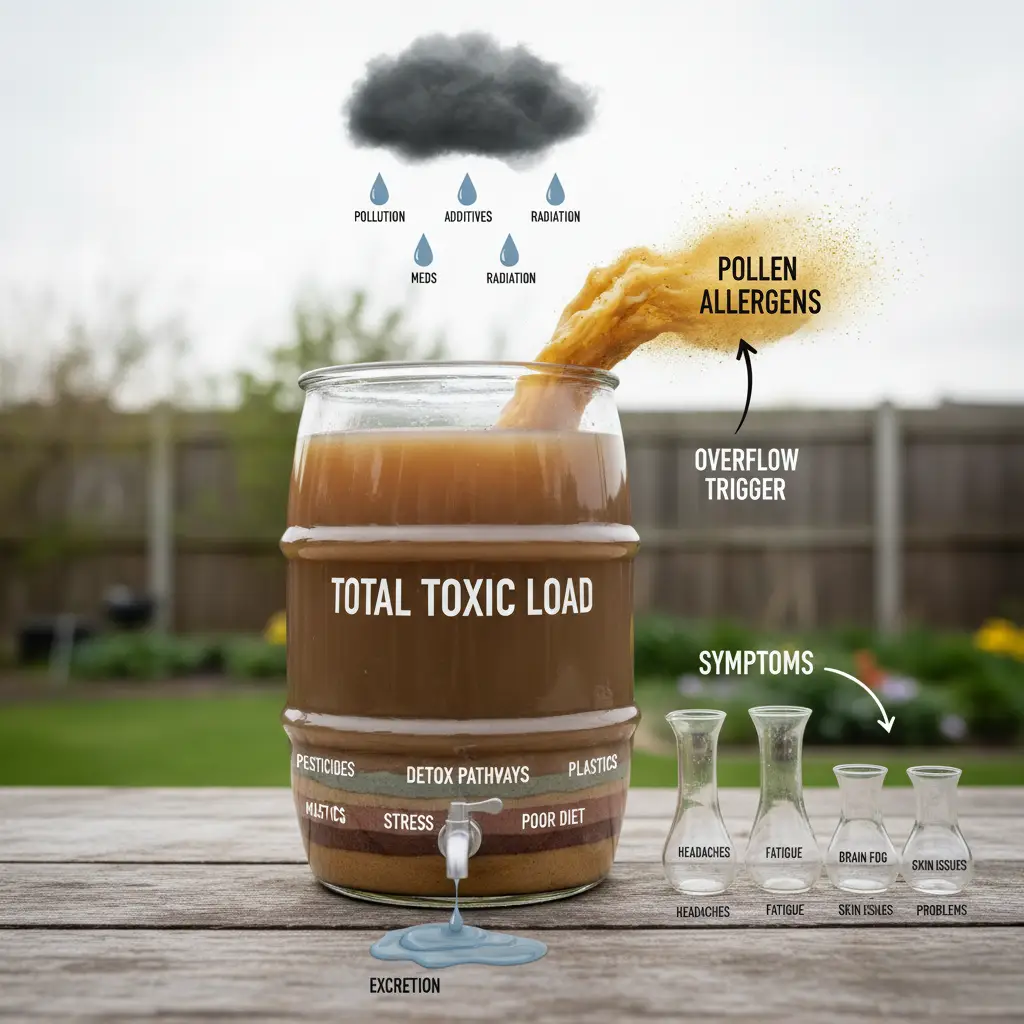
The naturopathic approach to seasonal allergies is fundamentally different. It views allergy symptoms not as an error to be silenced, but as a signal that the body’s immune tolerance threshold has been breached. Naturopathic doctors (NDs) utilize the “barrel” or “bucket” theory of health. Imagine your body is a barrel. Throughout your life, you accumulate stressors: genetic predisposition, environmental toxins, poor diet, stress, and low-grade infections. When the barrel overflows, symptoms manifest.
During allergy season, pollen is simply the final drop that causes the barrel to overflow. Therefore, natural allergy relief in naturopathy isn’t just about the pollen; it is about lowering the level of liquid in the barrel so that your body can tolerate the pollen without initiating a violent inflammatory cascade. This involves a comprehensive strategy targeting immune modulation, liver support, and gut barrier integrity.
Stabilizing Mast Cells: Nature’s Antihistamines
When an allergen enters your system, it binds to IgE antibodies on the surface of mast cells. This triggers the mast cells to degranulate, releasing a flood of histamine and other inflammatory cytokines. This explosion causes the classic symptoms of hay fever. Rather than waiting for the explosion and trying to mop up the mess (which is what antihistamines do), naturopathic medicine aims to strengthen the mast cell walls so they don’t break open as easily.
Quercetin: The Bioflavonoid Powerhouse
Quercetin is arguably the most well-researched natural allergy remedy. It is a bioflavonoid found in onions, apples, and capers that acts as a mast cell stabilizer. It inhibits the release of histamine, leukotrienes, and prostaglandins. Unlike pharmaceutical antihistamines, quercetin does not cause drowsiness. However, it works best preventatively. NDs often recommend starting a quercetin regimen 4–6 weeks before allergy season begins to build up system levels.
Stinging Nettle (Urtica dioica)
Despite its prickly name, Stinging Nettle is a soothing balm for inflamed mucous membranes. It has a long history of use in traditional medicine, a context explored in Understanding Energetics in Different Herbal Systems: A Comparative Study, for reducing inflammation. Studies suggest that freeze-dried nettle leaf extract can inhibit several key inflammatory events that cause the symptoms of seasonal allergies. It can be taken as a tea, tincture, or capsule, often providing relief more rapidly than quercetin.
Bromelain and Vitamin C
Bromelain, an enzyme derived from pineapple stems, is a potent mucolytic (mucus thinner) and anti-inflammatory agent. It enhances the absorption of quercetin, which is why you will often find them paired in high-quality supplements. Vitamin C acts as a natural antihistamine by destroying the molecular structure of histamine, thereby reducing its levels in the blood. Bowel-tolerance dosing of Vitamin C is a common acute intervention during high pollen counts.
The Gut-Immune Connection and Dietary Triggers
It is estimated that approximately 70% of the immune system resides in the gut-associated lymphoid tissue (GALT). If the gut is inflamed or “leaky” (intestinal permeability), large protein molecules can escape into the bloodstream, putting the immune system on high alert. A hyper-vigilant immune system is far more likely to attack harmless pollen grains.
Dietary Adjustments for Immune Calm
To reduce the overall inflammatory load, a naturopathic protocol often begins with an elimination diet. Common inflammatory triggers include:
- Dairy: Dairy products are mucus-forming and can thicken nasal secretions, making congestion worse.
- Sugar: Excessive sugar consumption suppresses immune function and promotes inflammation.
- Gluten: For sensitive individuals, gluten can contribute to systemic inflammation and gut permeability.
Oral Allergy Syndrome (OAS)
Many allergy sufferers experience cross-reactivity, known as Oral Allergy Syndrome. This occurs because the proteins in certain raw fruits and vegetables are structurally similar to pollen proteins. For example, if you are allergic to birch pollen, eating raw apples, carrots, or celery might cause an itchy mouth or throat. Cooking these foods denatures the proteins, typically rendering them harmless. Identifying and avoiding these cross-reactive triggers can significantly lower your total histamine load.

Reducing Total Toxic Load and Environmental Stress
Beyond diet and supplements, the environment plays a crucial role. We are constantly bombarded by chemicals in cleaning products, personal care items, and air pollution. This contributes to the “total toxic load” mentioned earlier. Supporting the body’s elimination pathways—specifically the liver and the lymphatic system—is essential for allergy management.
Liver Support
The liver is responsible for breaking down circulating histamine. If the liver is sluggish or overburdened by toxins and alcohol, histamine accumulates in the bloodstream, leading to more severe allergy symptoms. Bitter herbs like dandelion root, milk thistle, and artichoke are frequently used to support liver detoxification, while adaptogens like Tulsi (Holy Basil): The Queen of Herbs can help the body manage the systemic stress of chronic allergic reactions.
Indoor Air Quality
You cannot control the pollen count outside, but you can control your sanctuary. Using a High-Efficiency Particulate Air (HEPA) filter in the bedroom is non-negotiable for severe allergy sufferers. Additionally, showering before bed is a simple but critical habit; it washes pollen off your hair and skin, preventing you from inhaling allergens from your pillow all night long.
For more information on the impact of environmental factors on health, resources from the National Institute of Environmental Health Sciences provide in-depth data on allergen avoidance.
Local Honey and Lifestyle Hacks: Fact vs. Fiction
One of the most pervasive home remedies for allergies is the consumption of local honey. The theory is that by eating honey containing local pollen, you are essentially performing “immunotherapy” or desensitizing yourself to the allergen.
The Verdict: While delicious, the scientific evidence for local honey is mixed. Most seasonal allergies are caused by wind-borne pollens (grasses, ragweed, trees), whereas honey is made from flower pollens carried by bees. These are rarely the same allergens. However, raw honey does have anti-inflammatory and antimicrobial properties that may soothe a sore throat associated with post-nasal drip. It is a helpful adjunct, but rarely a cure-all.
Nasal Irrigation (Neti Pot)
Nasal irrigation using a saline solution is a mechanical way to physically flush allergens and excess mucus out of the sinus cavities. This is highly effective for reducing congestion and sinus pressure. It is vital to use distilled or sterilized water to avoid infection.
Acupuncture and Stress Management
High cortisol levels (stress) wreak havoc on the immune system. Acupuncture has been shown to modulate the immune response and reduce the symptoms of allergic rhinitis. According to the NCCIH, studies suggest that acupuncture may help relieve nasal symptoms for some people.

Conclusion: Building Resilience
The naturopathic approach to seasonal allergies requires patience and proactive effort. Unlike a pill that works in 30 minutes, stabilizing mast cells, healing the gut, and reducing toxic load takes time. Ideally, these protocols should be implemented weeks before the first buds bloom. By addressing the root causes of immune dysfunction, you can move from merely surviving allergy season to thriving through it, reclaiming your ability to enjoy the outdoors without fear of the pollen count.
People Also Ask
How do naturopaths treat allergies?
Naturopaths treat allergies by addressing the root cause of immune system hypersensitivity. This involves stabilizing mast cells with supplements like quercetin and nettle, improving gut health to reduce systemic inflammation, supporting liver detoxification, and identifying dietary triggers that may be causing cross-reactivity.
What is the strongest natural antihistamine?
Quercetin is widely considered one of the strongest natural antihistamines and mast cell stabilizers. When combined with Bromelain (to increase absorption) and Vitamin C, its efficacy in reducing histamine release is significantly enhanced.
Does local honey actually help allergies?
The evidence is inconclusive. Because honey contains flower pollen (carried by bees) rather than the wind-borne pollen (trees, grasses) that typically causes allergies, it may not work for everyone. However, raw honey has soothing anti-inflammatory properties that can help with symptoms like a sore throat.
Can probiotics cure hay fever?
While probiotics are not a “cure,” they can significantly reduce symptoms. Since a large portion of the immune system resides in the gut, specific strains like Lactobacillus rhamnosus and Bifidobacterium lactis have been shown to modulate immune response and reduce the severity of allergic rhinitis.
How long does it take for natural allergy remedies to work?
Natural remedies often require a loading phase. It is best to start supplements like quercetin and stinging nettle 4 to 6 weeks before allergy season begins to stabilize mast cells effectively. Acute remedies like nasal irrigation can provide immediate relief.
What foods make seasonal allergies worse?
Foods that are high in histamine (aged cheeses, fermented foods, wine) or mucus-producing foods (dairy) can worsen symptoms. Additionally, raw fruits and vegetables that cross-react with pollen (Oral Allergy Syndrome), such as apples or melons, can trigger allergic responses in the mouth and throat.