Natural anxiety remedies that work focus on regulating the nervous system through a combination of targeted supplementation like L-Theanine and Magnesium Glycinate, somatic lifestyle interventions such as vagus nerve stimulation, and gut health optimization. By addressing the root physiological causes of stress—such as cortisol dysregulation and inflammation—rather than merely masking symptoms, these holistic protocols offer sustainable relief for generalized anxiety and panic symptoms.
The Science of Anxiety: A Holistic View
Anxiety is often miscategorized strictly as a psychological issue, yet modern integrative medicine recognizes it as a systemic physiological state, as explored on our Home page. When the body remains in a chronic state of sympathetic arousal—commonly known as the “fight or flight” response—it leads to a cascade of hormonal imbalances, primarily involving cortisol and adrenaline. While acute anxiety is a survival mechanism, chronic anxiety indicates a dysregulated nervous system that has lost its ability to return to homeostasis.
To find natural anxiety remedies that work, one must look beyond the brain and consider the entire body. The holistic approach posits that mental health is downstream of physical health. Factors such as nutrient deficiencies, systemic inflammation—often managed by supporting the liver with Milk Thistle (Silymarin): Hepatoprotective Science—and poor vagal tone contribute significantly to the psychological sensation of dread and panic. By treating the body as an interconnected web of systems, we can employ a protocol that signals safety to the brain, naturally downregulating the stress response.
Top Supplements: Evidence-Based Nutraceuticals
While diet is the foundation of health, therapeutic supplementation is often necessary to correct deficiencies and modulate neurotransmitters in those suffering from chronic anxiety. The following supplements have a robust clinical safety profile and are backed by significant research.
Ashwagandha: The Cortisol Regulator
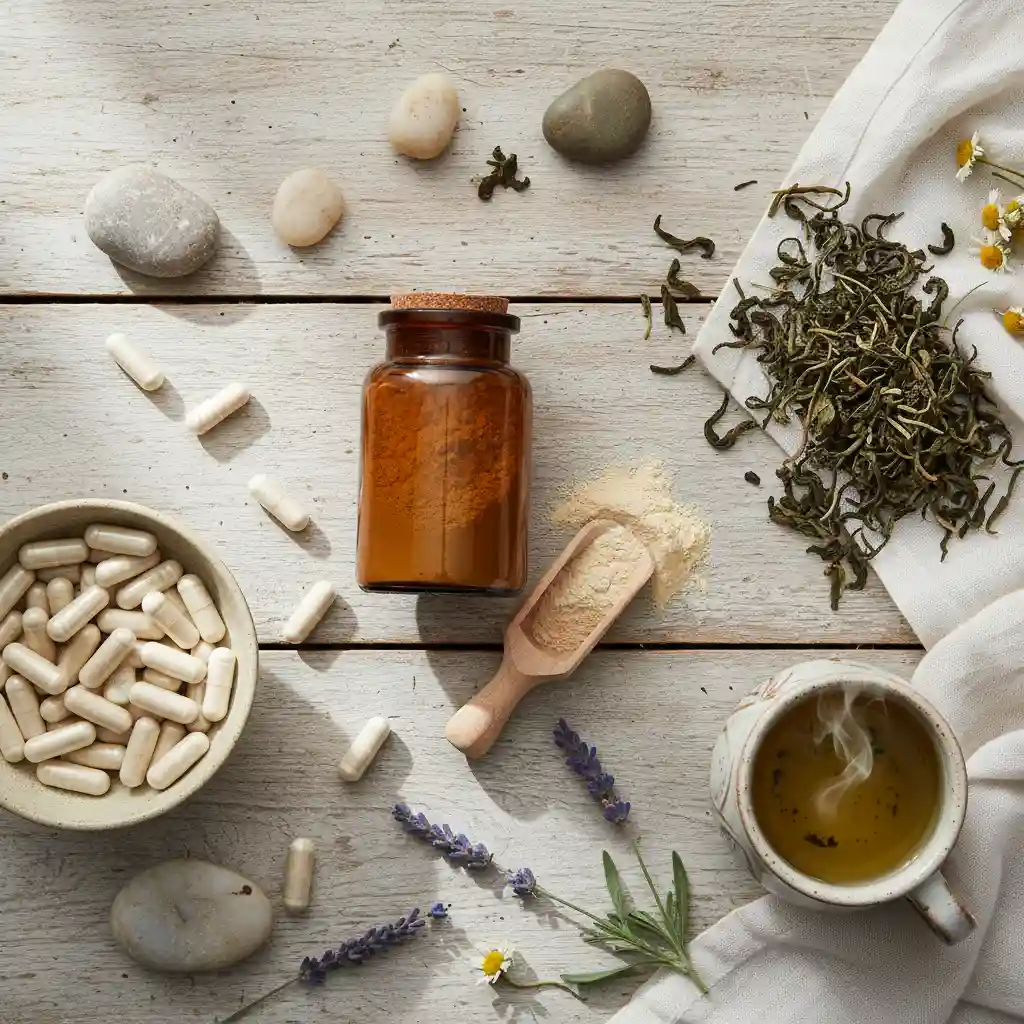
Ashwagandha (Withania somnifera) is arguably the most potent adaptogen in the Ayurvedic pharmacopeia. Adaptogens are unique herbs that help the body resist stressors of all kinds, whether physical, chemical, or biological. The primary mechanism of Ashwagandha is its ability to lower serum cortisol levels.
Clinical studies suggest that high-concentration full-spectrum root extracts can significantly reduce stress and anxiety scores. It works by modulating the hypothalamic-pituitary-adrenal (HPA) axis, effectively turning down the “volume” of the body’s stress response. For anxiety, a standardized extract (often KSM-66 or Sensoril) is recommended to ensure potency. It is generally best taken in the evening or divided into two doses to maintain stable blood levels.
L-Theanine: Promoting Alpha Brain Waves
Found naturally in green tea, L-Theanine is an amino acid that offers a unique form of relaxation without sedation. Unlike conventional sedatives that may induce drowsiness, L-Theanine promotes the generation of alpha brain waves. Alpha waves are associated with a state of “wakeful relaxation,” similar to the state achieved during deep meditation.
L-Theanine also increases levels of GABA (gamma-aminobutyric acid), serotonin, and dopamine in the brain. These neurotransmitters are crucial for regulating emotions, mood, and sleep, a cognitive balance shared by Brahmi (Bacopa): Nootropic for Memory. Because it can cross the blood-brain barrier effectively, its effects are often felt within 30 to 40 minutes of ingestion. It is particularly effective for performance anxiety or “jitters,” and it pairs synergistically with caffeine to smooth out the stimulant’s edge.
Magnesium Glycinate: The Nervous System Relaxant
Magnesium deficiency is rampant in modern society due to soil depletion and processed diets, and this deficiency is strongly correlated with heightened anxiety. Magnesium acts as a natural calcium blocker, helping muscles relax, but its role in the brain is even more critical. It regulates the NMDA receptors, preventing excitotoxicity (overstimulation of neurons).
For anxiety relief, the form of magnesium matters immensely. According to the National Institutes of Health (NIH), different magnesium salts have varying absorption rates. Magnesium Glycinate is the preferred form for mental health because it is highly bioavailable and bound to glycine, an inhibitory neurotransmitter that further promotes relaxation and sleep quality.
Vagus Nerve Stimulation: Hacking the Parasympathetic System
The vagus nerve is the longest cranial nerve in the body, running from the brainstem down to the abdomen, connecting the brain to the heart, lungs, and gut. It is the main component of the parasympathetic nervous system—the “rest and digest” system. People with anxiety often have low “vagal tone,” meaning their ability to switch from stress to relaxation is compromised.
Deep Diaphragmatic Breathing
Breathing is the only autonomic function we can consciously control, making it the fastest way to access the vagus nerve. Shallow, chest-based breathing signals danger to the brain. Conversely, deep, slow diaphragmatic breathing stimulates the vagus nerve, lowering heart rate and blood pressure.
A popular and effective technique is the 4-7-8 breathing method. Inhale through the nose for 4 seconds, hold the breath for 7 seconds, and exhale forcefully through the mouth for 8 seconds. The prolonged exhalation is key, as heart rate naturally slows during the exhale phase (respiratory sinus arrhythmia).
Cold Water Immersion
Acute cold exposure is a powerful way to stimulate the vagus nerve. Splashing freezing cold water on your face, specifically the area around the eyes and nose, triggers the mammalian dive reflex. This reflex instantly slows the heart rate to conserve oxygen.
For a more systemic approach, ending a shower with 30 to 60 seconds of cold water can build resilience. While uncomfortable, this practice forces the body to adapt to stress, eventually dampening the sympathetic response to psychological stressors over time.
The Gut-Brain Axis: Healing Anxiety from the Inside Out
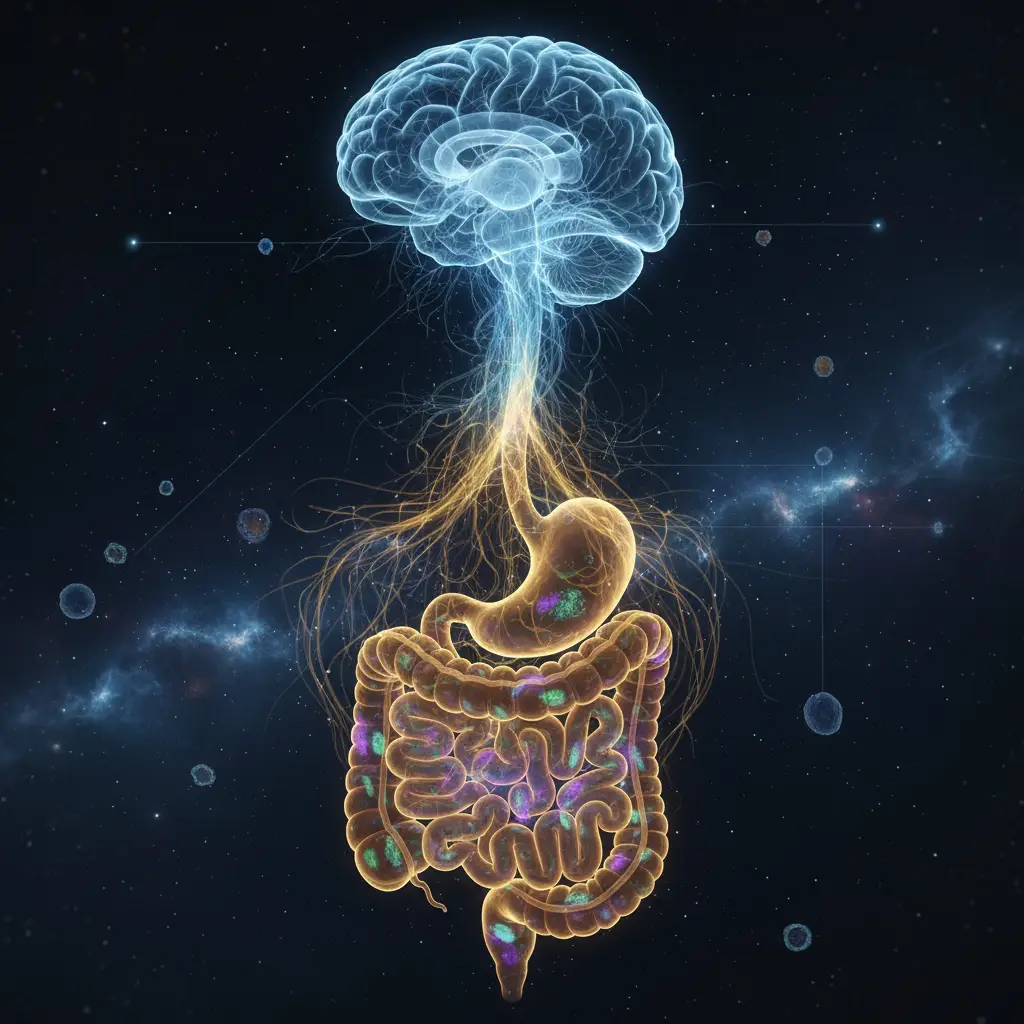
The connection between the gut and the brain is so profound that the gut is often referred to as the “second brain.” Approximately 95% of the body’s serotonin is produced in the gastrointestinal tract. If the gut is inflamed or the microbiome is imbalanced (dysbiosis), it can send distress signals to the brain via the vagus nerve, manifesting as anxiety.
Probiotics and Psychobiotics
Emerging research has coined the term “psychobiotics” for specific strains of bacteria that confer mental health benefits. Strains such as Lactobacillus helveticus and Bifidobacterium longum have shown promise in reducing cortisol levels and improving mood.
Incorporating fermented foods like kimchi, sauerkraut, kefir, and miso into the diet introduces these beneficial bacteria naturally. Unlike a supplement pill, fermented foods also provide the prebiotic fiber necessary to feed these bacteria, ensuring they colonize the gut effectively.
Anti-Inflammatory Diet Choices
Systemic inflammation is a known driver of anxiety and depression. Diets high in refined sugars, processed seed oils, and artificial additives can compromise the gut lining (leaky gut), allowing toxins to enter the bloodstream and trigger an immune response that affects the brain.
Adopting an anti-inflammatory diet rich in Omega-3 fatty acids (found in salmon, walnuts, and flaxseeds) is crucial. Omega-3s are essential for maintaining the fluidity of cell membranes in the brain and facilitating neurotransmitter communication. Reducing sugar intake is also vital, as blood sugar crashes often mimic the symptoms of a panic attack (shaking, sweating, irritability).
Lifestyle Interventions for Long-Term Resilience
Supplements and diet provide the biochemical building blocks for a calm mind, but lifestyle habits structure the environment in which the mind operates. These interventions focus on resetting the body’s circadian rhythms and reducing environmental stressors.
Sleep Hygiene and Circadian Rhythm
Anxiety and sleep deprivation form a vicious cycle. Lack of sleep sensitizes the amygdala—the brain’s fear center—making it more reactive to negative stimuli. To break this cycle, one must prioritize sleep hygiene.
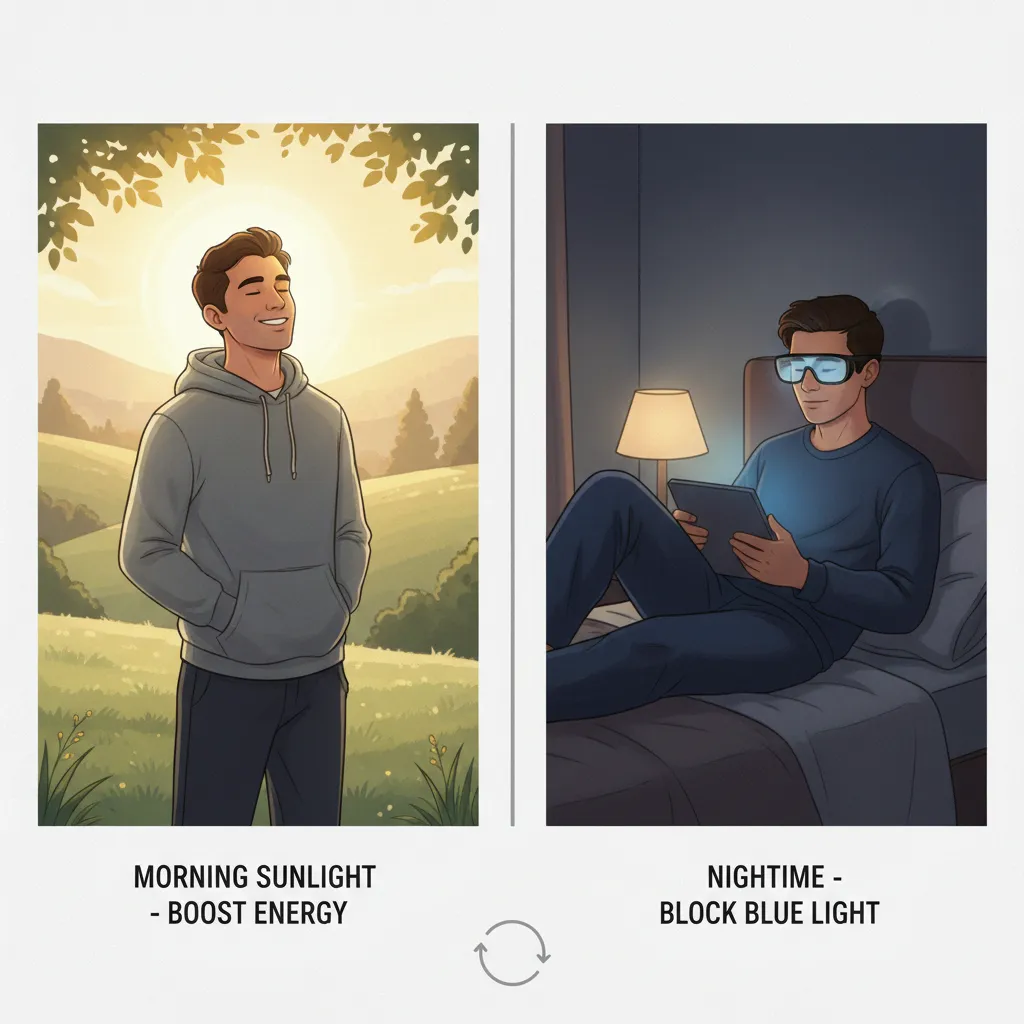
This involves more than just going to bed early. It requires viewing morning sunlight to set the body’s master clock, which regulates melatonin production later in the evening. Avoiding blue light from screens at least two hours before bed is also non-negotiable for those with anxiety, as blue light suppresses melatonin and keeps the brain in an alert state.
Nature Therapy (Shinrin-yoku)
The Japanese practice of Shinrin-yoku, or “forest bathing,” has been scientifically validated to reduce blood pressure and cortisol levels. It involves immersing oneself in a natural environment and engaging all five senses. The efficacy of this practice may be linked to phytoncides, antimicrobial organic compounds derived from trees, which have been shown to boost immune system function and lower stress hormones.

Integrative Care: Combining Natural Remedies with Therapy
While natural anxiety remedies that work are powerful, they are most effective when used as part of an integrative approach that may include professional therapy or medication. Cognitive Behavioral Therapy (CBT), for instance, provides the mental tools to challenge anxious thoughts, while supplements provide the physiological calm required to utilize those tools.
It is critical to consult with a healthcare provider before starting any supplement regimen, especially if you are currently taking prescription medication. Some natural remedies can interact with pharmaceuticals. For example, St. John’s Wort interacts with many medications, including antidepressants, birth control pills, and blood thinners, potentially causing dangerous side effects like serotonin syndrome.
The goal of a holistic protocol is not necessarily to replace conventional medicine but to support the body’s innate healing capacity. By combining the best of ancient wisdom with modern nutritional science, you can build a resilient nervous system capable of navigating the stresses of modern life with grace and calm.
People Also Ask
What is the strongest natural remedy for anxiety?
While individual responses vary, Kava Kava (Piper methysticum) is often cited as one of the strongest natural anxiolytics due to its ability to interact with GABA receptors similarly to benzodiazepines. However, it requires careful sourcing due to potential liver toxicity concerns with low-quality extracts. Ashwagandha and Magnesium Glycinate are generally considered the most effective for long-term daily support.
How can I flush anxiety out of my system naturally?
To physically reduce the buildup of stress hormones, vigorous exercise is the most effective method. It metabolizes excess adrenaline and releases endorphins. Following exercise with a cold shower can stimulate the vagus nerve, while drinking plenty of water and consuming antioxidants helps reduce oxidative stress caused by chronic anxiety.
What is the 3 3 3 rule for anxiety?
The 3-3-3 rule is a grounding technique used to stop a panic attack. It involves looking around and naming three things you see, listening for three sounds you hear, and moving three parts of your body (such as your fingers, toes, or shoulders). This brings your focus back to the present moment and out of your spiraling thoughts.
What vitamins are good for anxiety and panic attacks?
Vitamin B complex (specifically B6 and B12) is crucial for neurotransmitter synthesis. Vitamin D deficiency is also strongly linked to mood disorders, so maintaining optimal levels is essential. Magnesium, while a mineral, is often grouped here and is vital for relaxing the nervous system.
Can drinking water reduce anxiety?
Yes, dehydration can mimic symptoms of anxiety, such as palpitations and dizziness, and can elevate cortisol levels. Staying hydrated ensures optimal brain function and helps regulate body temperature and heart rate, reducing physical stress on the body.
How long does it take for natural remedies to work?
Some remedies, like L-Theanine or breathing exercises, can provide relief within 30 to 60 minutes. However, adaptogens like Ashwagandha or nutritional interventions like Magnesium and probiotics typically require 2 to 4 weeks of consistent use to build up in the system and show significant clinical results.