Moxibustion is a therapeutic technique in Traditional Chinese Medicine (TCM) that involves burning dried mugwort, known as “moxa,” near or directly on the skin’s surface. This practice aims to warm and invigorate the flow of Qi (energy) and blood, dispel cold and dampness, and stimulate specific acupuncture points to treat various health conditions.
The Origins and Philosophy of Moxa
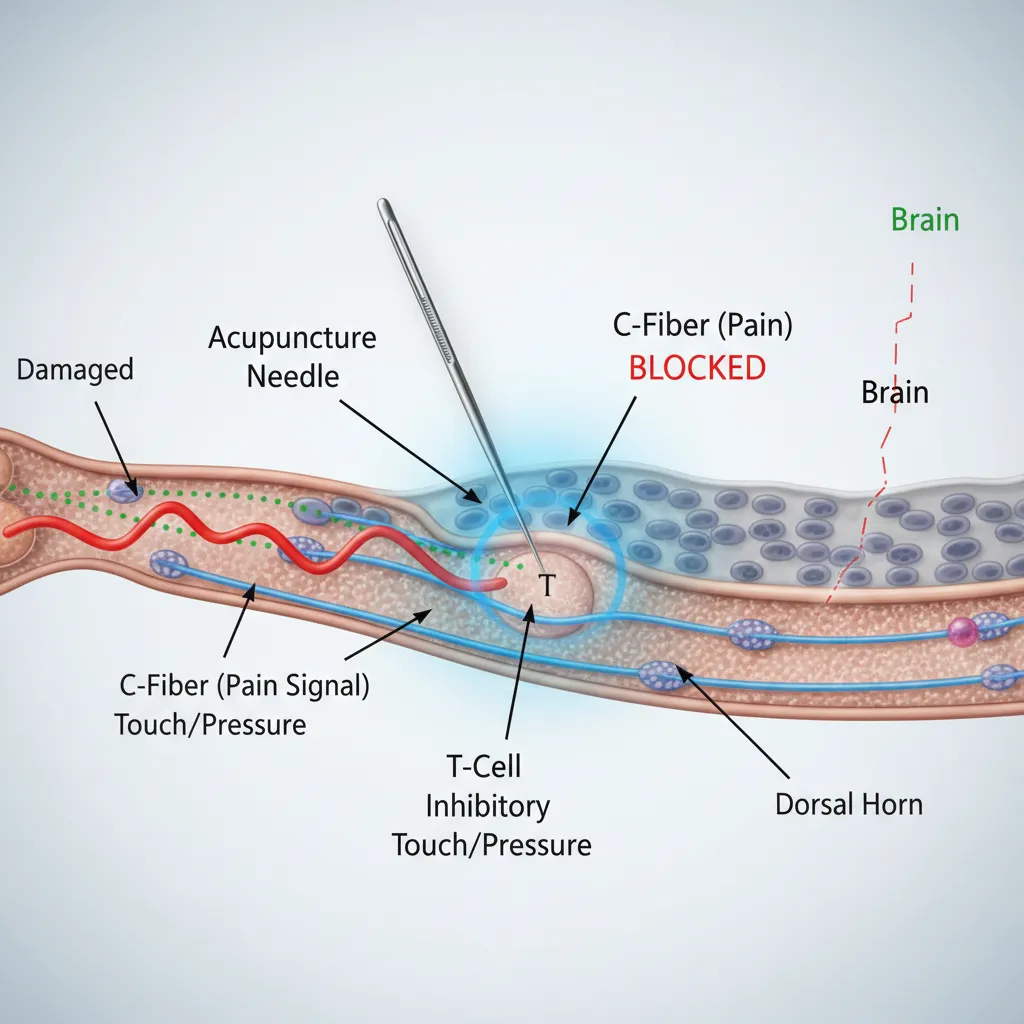
Moxibustion is far more than a simple heat therapy; it is a pillar of Traditional Chinese Medicine that predates the written history of acupuncture, much like the traditions studied in Ethnobotany: Learning from Global Herbal Practices. In fact, the Chinese character for acupuncture, zhenjiu, literally translates to “acupuncture-moxibustion,” indicating that these two modalities are inextricably linked. While acupuncture manipulates energy through the insertion of needles, moxibustion adds energy and warmth to the system.
The philosophy behind moxibustion is rooted in the concept of Yin and Yang. In TCM pathology, many ailments are caused by “Cold” or “Dampness” entering the body, which causes stagnation of blood and Qi. This stagnation often manifests as pain, arthritis, digestive disorders, or reproductive issues. Moxibustion is considered a Yang therapy, meaning it introduces heat to counteract Yin excesses (cold and damp). By warming the meridians, practitioners believe they can smooth the flow of Qi and restore homeostasis to the body.
The Role of Mugwort (Artemisia Vulgaris)
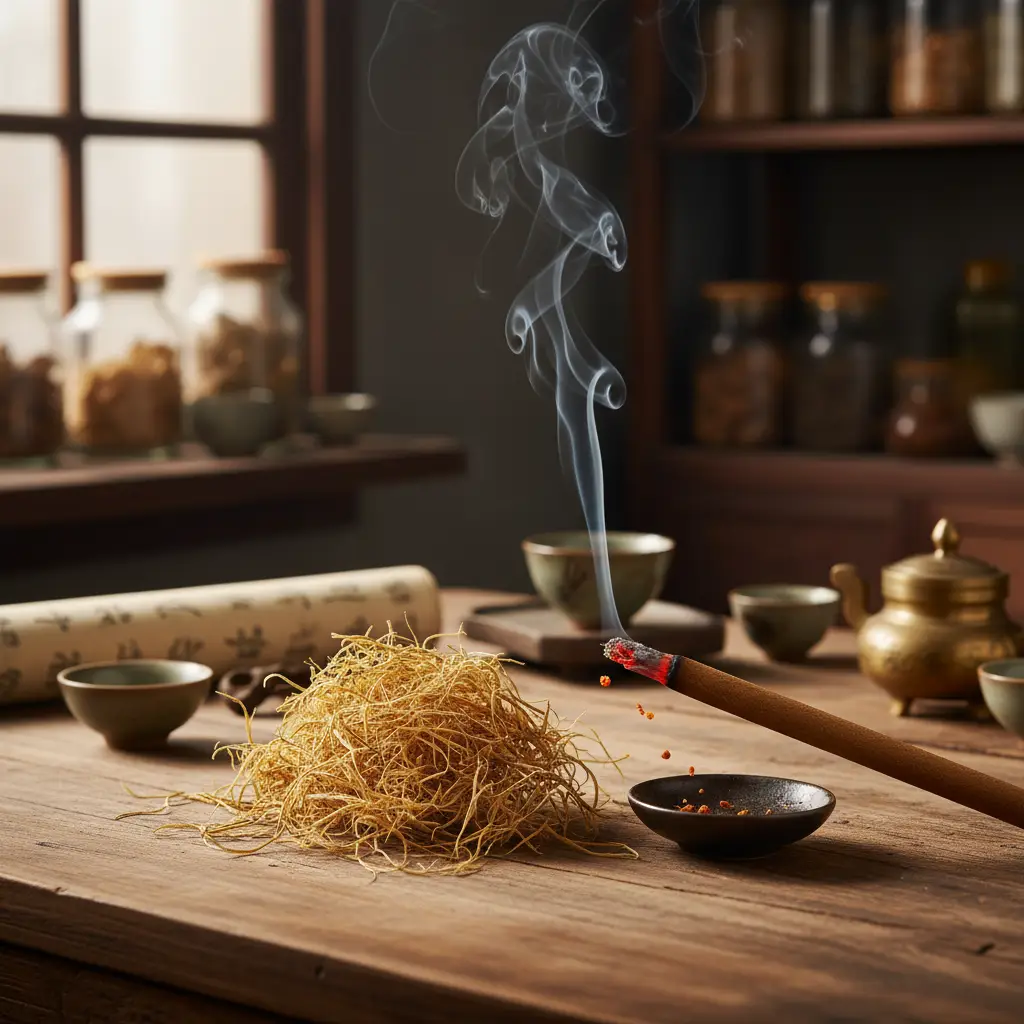
The substance used in moxibustion is processed from the leaves of the mugwort plant, scientifically known as Artemisia vulgaris. This perennial herb is harvested, dried, and ground into a fluffy, cotton-like substance called “moxa wool,” which necessitates Ensuring Quality Control for Homemade Remedies and Small Batches.
Why mugwort? Ancient practitioners selected this specific herb for several distinct reasons:
- Burning Characteristics: Mugwort burns slowly and evenly, allowing for a controlled, penetrating heat that reaches deep into the muscle and tissue without rapidly burning out.
- Essential Oils: As it burns, mugwort releases volatile oils and smoke that are believed to have therapeutic effects, including antiseptic and anti-inflammatory properties.
- Infrared Radiation: Modern research suggests that the burning of moxa emits infrared radiation, which can stimulate blood circulation and cell metabolism more effectively than standard heat packs.
Direct vs. Indirect Moxibustion Techniques
Practitioners employ several methods to apply moxa, generally categorized into direct and indirect techniques. The choice of method depends on the patient’s constitution, the specific condition being treated, and the practitioner’s training.
Direct Moxibustion
In direct moxibustion, a small, cone-shaped amount of moxa wool is placed directly on top of an acupuncture point on the skin and ignited. This category is further divided into two sub-types:
- Scarring (Suppurative) Moxibustion: The moxa is allowed to burn completely down to the skin, causing a blister and eventually scarring. This is believed to stimulate the immune system powerfully but is rarely practiced in the West due to the pain and risk of infection.
- Non-Scarring Moxibustion: The practitioner places the burning moxa cone on the skin but removes it or extinguishes it before it burns the skin. The patient feels a pleasant, deep warmth, but no blister is formed. This is much more common in modern practice.
Indirect Moxibustion
Indirect moxibustion is the most popular form of this therapy in Western clinics because it eliminates the risk of burning the skin while still delivering therapeutic heat.
- Stick Moxa: The practitioner lights one end of a moxa stick (which resembles a large cigar) and holds it an inch or two away from the skin. They may move it in circles or a pecking motion to warm the area until the skin turns slightly red.
- Needle-Top Moxa: A small ball of moxa is attached to the handle of an inserted acupuncture needle and lit. The heat travels down the metal shaft of the needle, delivering warmth directly into the acupuncture point and the surrounding muscle tissue.
- Insulated Moxa: Moxa is burned on top of an insulating substance, such as a slice of ginger, garlic, or a layer of salt (often used on the navel). This modifies the heat and adds the herbal properties of the insulator to the treatment.

Moxibustion for Breech Presentation and Fertility
One of the most famous and evidence-supported uses of moxibustion is for the correction of breech presentation in pregnancy. When a baby is positioned feet or buttocks first rather than head first, a natural birth becomes complicated.
Practitioners stimulate the acupuncture point Bladder 67 (Zhiyin), located on the outer corner of the pinky toe nail. The heat applied here is believed to stimulate the release of placental estrogens and prostaglandins, which increase uterine motility and encourage the baby to turn. This treatment is typically performed between weeks 33 and 35 of pregnancy.
According to various studies, including reviews found on the National Institutes of Health (NIH) database, moxibustion has shown higher efficacy rates for turning breech babies compared to observation alone, though results can vary based on the specific protocol used.
Therapeutic Benefits and Applications
Beyond pregnancy support, moxibustion is a versatile tool in the integrative health arsenal. It is primarily used for conditions associated with “cold” and “deficiency” patterns in TCM.
Pain Management and Arthritis
Cold dampness can settle in the joints, leading to arthritis that worsens in cold weather. The warming nature of moxa helps to expel this cold, improve local circulation, and reduce inflammation. It is highly effective for chronic lower back pain, frozen shoulder, and knee pain.
Digestive Disorders
Digestive issues such as chronic diarrhea, IBS, and stomach pain often stem from a “Spleen Yang Deficiency” in TCM theory. Treating the abdomen with moxa (often using salt in the navel) helps to warm the digestive fire, aiding in nutrient absorption and regulating bowel movements.
Immune System Support
Regular moxibustion on specific points, such as Stomach 36 (Zusanli), is traditionally used to boost the immune system and prevent illness. It is said to strengthen the body’s “Wei Qi” (defensive energy), making one less susceptible to colds and flu.
Safety, Smoke Sensitivity, and Contraindications
While moxibustion is generally safe when performed by a qualified acupuncturist, there are specific precautions and potential side effects that patients must be aware of.
Smoke and Respiratory Sensitivity
Burning raw mugwort produces a significant amount of smoke and a distinct, pungent odor that some find similar to marijuana (though it is chemically unrelated). For patients with asthma, COPD, or severe scent sensitivities, this smoke can be irritating. In these cases, practitioners often use smokeless moxa, which is charcoal-based. Smokeless moxa provides the heat benefits without the heavy smoke, although some traditionalists argue that the smoke itself contains therapeutic essential oils essential for the full effect.

Risk of Burns
Even with indirect moxibustion, there is a slight risk of burns if the patient does not communicate when the heat becomes too intense. Patients should always inform their practitioner immediately if the sensation changes from “warm” to “hot.” Diabetic patients or those with neuropathy (reduced sensation) must be treated with extreme caution, as they may not feel a burn developing.
Contraindications
Because moxibustion adds heat to the body, it is generally contraindicated for patients diagnosed with “Heat” syndromes. Signs of heat syndromes include high fever, acute inflammation, redness, rapid pulse, and hypertension. Applying moxa in these situations is like adding fuel to a fire and can worsen the condition.
People Also Ask
Does moxibustion hurt?
No, moxibustion should not be painful. The goal is to create a pleasant, deep heating sensation. If you experience sharp pain or burning, the practitioner is applying it too close or for too long, and you should alert them immediately.
What is moxa made of?
Moxa is made from the dried, ground leaves of the mugwort plant (Artemisia vulgaris). It is processed into a wool-like consistency or rolled into charcoal-like sticks for therapeutic burning.
Can moxibustion turn a breech baby?
Yes, moxibustion is widely used to correct breech presentation. Studies suggest that stimulating the point Bladder 67 on the toe can encourage the fetus to turn, typically with a success rate higher than doing nothing.
How often should you do moxibustion?
The frequency depends on the condition. For acute pain, it might be done 2-3 times a week. For breech babies, it is often performed daily for 10 days. Always follow the treatment plan of a licensed practitioner.
Is moxibustion safe during pregnancy?
Moxibustion is generally considered safe during pregnancy, particularly for breech presentation, but it should strictly be avoided on the abdomen or lower back unless performed by an expert. Always consult a healthcare provider first.
What is the difference between acupuncture and moxibustion?
Acupuncture involves inserting sterile needles to manipulate Qi, while moxibustion involves burning herbs to apply heat and add energy (Yang) to the body. They are often used together in a single session.