Milk thistle liver regeneration is primarily driven by silymarin, a potent flavonoid complex that stimulates protein synthesis by activating RNA polymerase I within liver cells (hepatocytes). This biochemical activation accelerates the repair of damaged tissue and promotes cell replication, while its concurrent antioxidant and anti-inflammatory properties shield the liver from oxidative stress, toxins, and fibrotic scarring.
The Hepatoprotective Mechanisms of Silymarin
The concept of milk thistle liver regeneration is rooted in centuries of traditional use, much of which is showcased on our Home page, but modern pharmacological science has pinpointed the exact biological mechanisms that make Silybum marianum one of the most researched botanical medicines in hepatology. The active constituent responsible for these effects is silymarin, a standardized mixture of flavonolignans including silybin (the most active component), silychristin, and silydianin.
Unlike simple detox teas that function primarily as diuretics, milk thistle operates at a cellular and genetic level. The primary mechanism driving regeneration is the stimulation of DNA-dependent RNA polymerase I. In the nucleus of hepatocytes, silybin increases the synthesis of ribosomal RNA (rRNA). This increase in rRNA leads to a subsequent upregulation in the production of structural and functional proteins. Since proteins are the building blocks of cellular repair, this stimulation effectively accelerates the regeneration of damaged liver tissue and the replacement of necrotic cells with healthy ones.
Furthermore, silymarin acts as a membrane stabilizer. It alters the structure of the outer hepatocyte cell membrane to prevent the penetration of toxins. By competitively binding to receptors on the cell membrane, it blocks the uptake of harmful substances such as amanitin (from death cap mushrooms), alcohol metabolites, and environmental pollutants. This dual action—blocking toxin entry while simultaneously ramping up internal repair machinery—creates a comprehensive environment conducive to healing.

Antioxidant Defenses and Anti-Fibrotic Pathways
Liver damage often begins with oxidative stress. When the liver metabolizes toxins, it produces free radicals—unstable molecules that damage cells through lipid peroxidation. If left unchecked, this damage triggers chronic inflammation and eventually fibrosis (scarring). Milk thistle interrupts this degenerative cycle through potent antioxidant activity that exceeds that of Vitamin E.
Silymarin does not merely scavenge free radicals; it significantly boosts the liver’s own defense systems, a role similar to that of Golden Milk: The Science of Haldi Doodh. Research indicates that silymarin administration increases intracellular levels of glutathione, the body’s “master antioxidant.” Glutathione is essential for phase II liver detoxification, where toxins are conjugated and rendered water-soluble for excretion. By restoring depleted glutathione reserves, milk thistle empowers the liver to detoxify itself more efficiently.
Inhibiting Liver Fibrosis
Perhaps the most critical aspect of preventing permanent liver damage is halting fibrosis. Fibrosis occurs when hepatic stellate cells (HSCs) transform into myofibroblasts, depositing excessive collagen that stiffens the liver tissue. This is the pathway to cirrhosis. Scientific literature suggests that silymarin exerts anti-fibrotic effects by inhibiting the activation of these stellate cells. It suppresses the expression of pro-inflammatory cytokines (such as TNF-alpha) and inhibits the NF-kappaB pathway, which is a major regulator of inflammation. By keeping stellate cells in a quiescent state, milk thistle helps maintain the structural integrity and elasticity of the liver.
Clinical Trials: Fatty Liver, Hepatitis, and Toxin Exposure
The theoretical mechanisms of milk thistle liver regeneration have been put to the test in numerous clinical settings, mirroring the Challenges and Opportunities in Researching Traditional NZ Herbs. While results can vary based on dosage and extract quality, the weight of evidence supports its use as a complementary therapy for various hepatic conditions.
Metabolic Dysfunction-Associated Steatotic Liver Disease (MASLD)
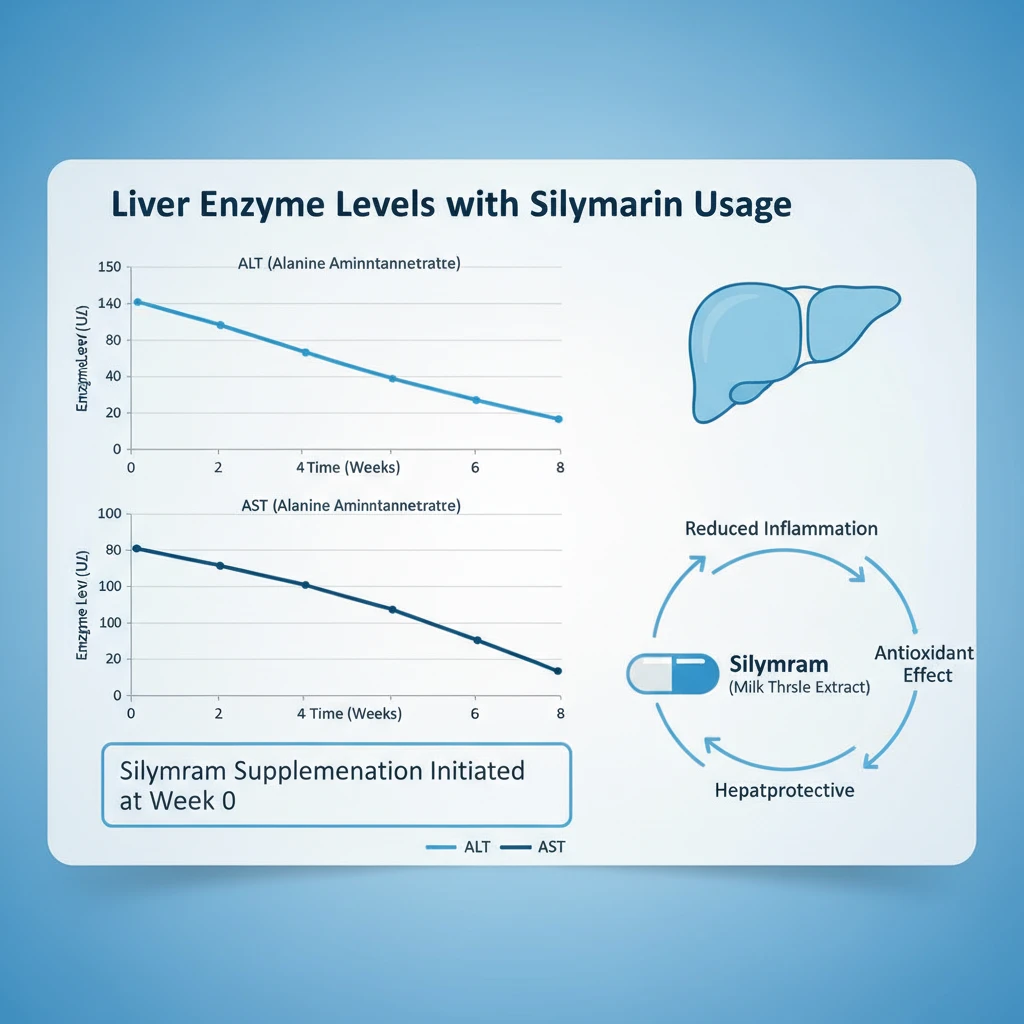
Formerly known as NAFLD (Non-Alcoholic Fatty Liver Disease), MASLD is the most common liver disorder globally. Clinical trials have demonstrated that silymarin supplementation can lead to significant reductions in liver enzymes, specifically Alanine Transaminase (ALT) and Aspartate Transaminase (AST). Elevated levels of these enzymes are clinical markers of liver cell death and inflammation. A meta-analysis of randomized controlled trials concluded that silymarin treatment not only improved biochemical markers but also reduced the degree of steatosis (fat accumulation) visible on ultrasound imaging.
Viral Hepatitis and Cirrhosis
In the context of chronic viral hepatitis (B and C), milk thistle is often used to manage symptoms and improve quality of life. While it does not cure the viral infection itself, studies suggest it can reduce the inflammatory load on the liver. In cases of alcoholic liver disease and early-stage cirrhosis, long-term administration has been associated with improved survival rates in some cohorts, likely due to its ability to mitigate oxidative stress and slow the progression of fibrosis.
For more detailed information on complementary approaches to liver health, you can review resources from the National Center for Complementary and Integrative Health (NCCIH).
The Bioavailability Challenge and Phytosome Solutions
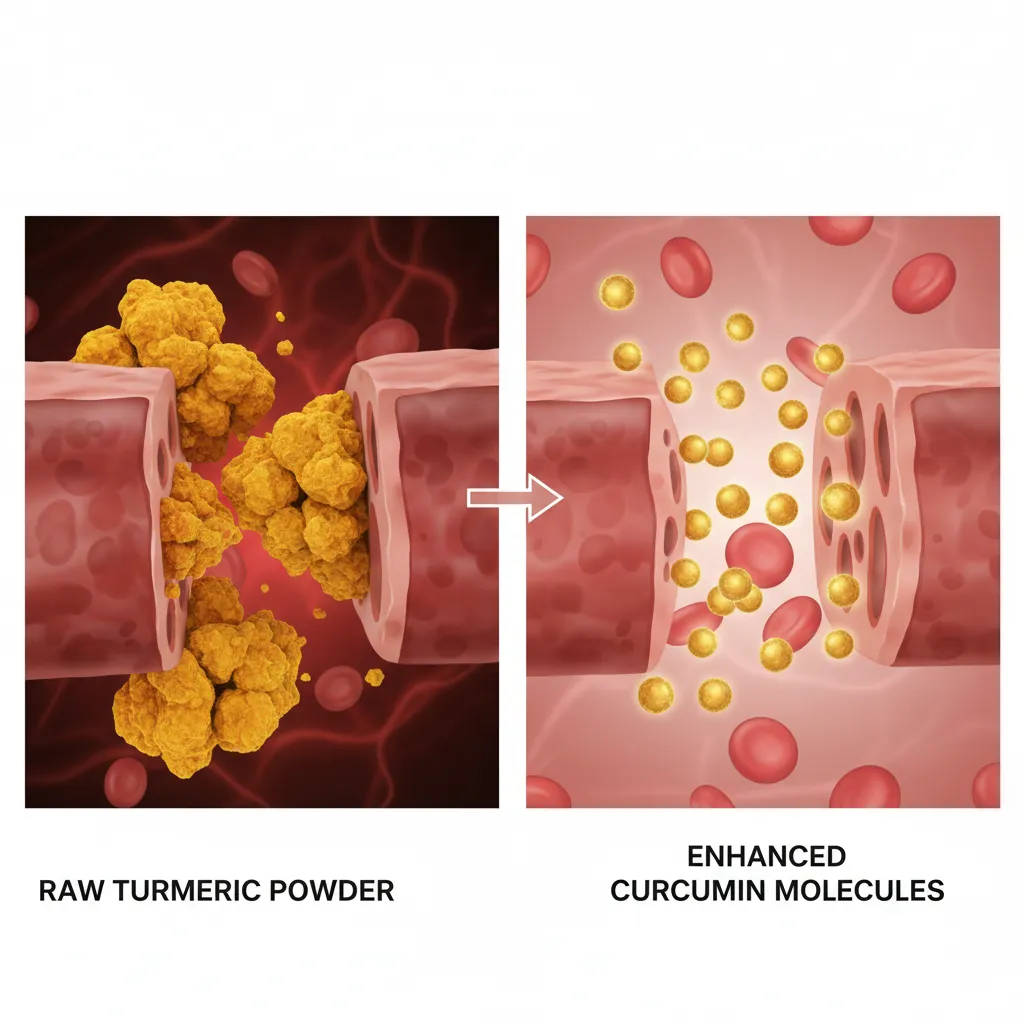
Despite its potent biological potential, generic milk thistle extracts suffer from a major pharmacokinetic limitation: poor bioavailability. Silymarin is a large, lipophilic molecule with poor water solubility, leading to low absorption rates in the gastrointestinal tract. When consumed as a raw powder or a standard extract, a significant percentage of the active flavonolignans is excreted without ever reaching the bloodstream or the liver.
The Phytosome Technology Solution
To overcome this, modern pharmaceutical science has developed phytosome technology. This process involves complexing silymarin with phosphatidylcholine (a component of cell membranes, usually derived from soy or sunflower lecithin) on a molecular level. Because phosphatidylcholine is both water- and fat-soluble, it acts as a chaperone, guiding the silymarin through the intestinal wall.
Pharmacokinetic studies comparing standard silymarin extracts against silybin-phosphatidylcholine complexes (phytosomes) have shown that the phytosome delivery system can increase bioavailability by 4 to 10 times. This enhanced absorption means that lower doses can achieve higher therapeutic concentrations in the liver tissue, making the “regeneration” signal significantly stronger. For consumers seeking effective results, choosing a supplement that utilizes phytosome technology or standardized extracts (typically 80% silymarin) is crucial for efficacy.
Safety Profile, Dosage, and Long-Term Use
One of the strongest arguments for the use of milk thistle in integrative medicine is its exceptional safety profile. It is generally regarded as safe (GRAS) with few reported side effects. In clinical trials involving high doses over extended periods, adverse events were rare and typically mild, consisting mostly of gastrointestinal disturbances such as a mild laxative effect, bloating, or nausea.
Standard Dosage Recommendations
While there is no single universal dose, clinical studies typically utilize the following ranges:
- Standard Extract (80% Silymarin): 140 mg to 420 mg per day, often divided into two or three doses.
- Phytosome Complexes: Because of higher absorption, effective doses may range from 100 mg to 200 mg daily, though specific product labeling should be followed.
Contraindications and Interactions
While safe for most, milk thistle belongs to the Asteraceae family (ragweed family). Individuals with allergies to ragweed, marigolds, or daisies should exercise caution as allergic reactions can occur. Furthermore, because silymarin inhibits the CYP450 enzyme system (specifically CYP3A4) to a minor degree, it could theoretically alter the metabolism of certain pharmaceuticals. Patients undergoing chemotherapy or taking anti-anxiety medications should consult their healthcare provider before beginning a regimen.
For a comprehensive overview of botanical safety, refer to the NIH Office of Dietary Supplements.
Final Thoughts on Liver Health
Milk thistle represents a prime example of how traditional herbal wisdom can be validated and refined by modern science. Through its ability to stimulate RNA polymerase I, increase glutathione production, and stabilize cell membranes, it offers a multi-faceted approach to liver health. While it is not a magic bullet that can erase decades of abuse instantly, when combined with lifestyle changes—such as alcohol cessation and a nutrient-dense diet—milk thistle serves as a powerful ally in the process of liver regeneration and long-term hepatoprotection.
People Also Ask
How long does it take for milk thistle to regenerate the liver?
There is no fixed timeline for liver regeneration as it depends on the severity of the damage. However, clinical studies on fatty liver often show improvements in liver enzyme levels (ALT/AST) within 4 to 12 weeks of consistent supplementation. Structural repair of tissue may take several months of continued use alongside lifestyle changes.
Can milk thistle reverse liver cirrhosis?
Milk thistle cannot reverse advanced cirrhosis where scar tissue has fully replaced healthy liver cells. However, it may help slow the progression of the disease, reduce inflammation, and improve quality of life by protecting the remaining healthy liver tissue from further oxidative damage.
Is it better to take milk thistle at night or in the morning?
Most experts recommend taking milk thistle in divided doses (e.g., morning and evening) to maintain stable blood levels of silymarin. If taking a single dose, some practitioners suggest taking it before meals to maximize absorption, though it can be taken with food if it causes stomach upset.
Does milk thistle detox the kidneys as well as the liver?
Yes, research suggests milk thistle offers nephroprotective (kidney-protecting) benefits similar to its effects on the liver. Its antioxidant properties help protect kidney cells from toxicity caused by drugs, heavy metals, and radiation, although it is primarily marketed for liver health.
Who should not take milk thistle?
People with allergies to the Asteraceae/Compositae plant family (ragweed, marigolds, daisies) should avoid it. Additionally, women with hormone-sensitive conditions (like breast cancer or endometriosis) should consult a doctor, as milk thistle has mild estrogenic effects. It may also interact with certain diabetes medications.
Can you take milk thistle every day long term?
Yes, milk thistle is considered safe for long-term use. Clinical trials have administered silymarin for periods ranging from several months to several years without significant adverse effects. It is often used as a daily maintenance supplement for those with chronic liver conditions.