
At our Home of herbal science, Natural migraine prevention is a holistic therapeutic approach aimed at reducing the frequency and severity of attacks by addressing underlying physiological imbalances. This strategy involves optimizing mitochondrial function through supplements like magnesium and riboflavin, utilizing evidence-based botanicals such as butterbur, and systematically eliminating environmental and dietary triggers to stabilize the nervous system.
Understanding the Biological Roots of Migraine
To effectively implement natural migraine prevention strategies, one must first understand that a migraine is not merely a headache. It is a complex neurological event involving neurovascular instability, mitochondrial dysfunction, and neurogenic inflammation. For those seeking relief without medication, the goal is to raise the “migraine threshold”—the point at which the brain becomes overwhelmed by stimuli and initiates an attack.
Integrative medicine views the migraine brain as hypersensitive. Factors such as oxidative stress, fluctuating hormone levels, and unstable blood sugar can all contribute to this hyperexcitability. This same focus on systemic balance is essential when Boosting Fertility Naturally. By addressing these root causes rather than just masking the pain, patients can often achieve significant, long-term reductions in migraine frequency.

Correcting Key Nutrient Deficiencies
Research consistently suggests that migraineurs often suffer from specific cellular energy deficits. The brain requires immense amounts of energy to function; when mitochondrial energy production lags, the threshold for a migraine attack lowers. Supplementing with targeted nutrients, or exploring Shilajit: Mineral Pitch and Mitochondria, can help restore this balance.
Magnesium: The Relaxation Mineral
Magnesium is perhaps the most critical nutrient for migraine prevention. It plays a vital role in nerve transmission and the regulation of blood vessel constriction. Studies indicate that magnesium levels in the brain are often lower during a migraine attack. Regular supplementation with highly bioavailable forms, such as magnesium glycinate or magnesium citrate, can prevent the cortical spreading depression that often precedes an aura. It effectively acts as a natural calcium channel blocker, helping to stabilize neuronal membranes.
Riboflavin (Vitamin B2)
Riboflavin is essential for mitochondrial electron transport—essentially the power plant of the cell. High-dose riboflavin (often recommended at 400mg daily) has been shown to significantly reduce the frequency of migraine attacks by boosting cellular energy metabolism. Unlike many pharmaceutical options, riboflavin has an excellent safety profile with minimal side effects.
Coenzyme Q10 (CoQ10)
Similar to riboflavin, CoQ10 is crucial for energy production. It is a potent antioxidant that protects the brain from oxidative stress. Clinical trials have demonstrated that CoQ10 supplementation can reduce migraine frequency by roughly 50% in some patients after three months of consistent use.
Evidence-Based Herbal Preventatives
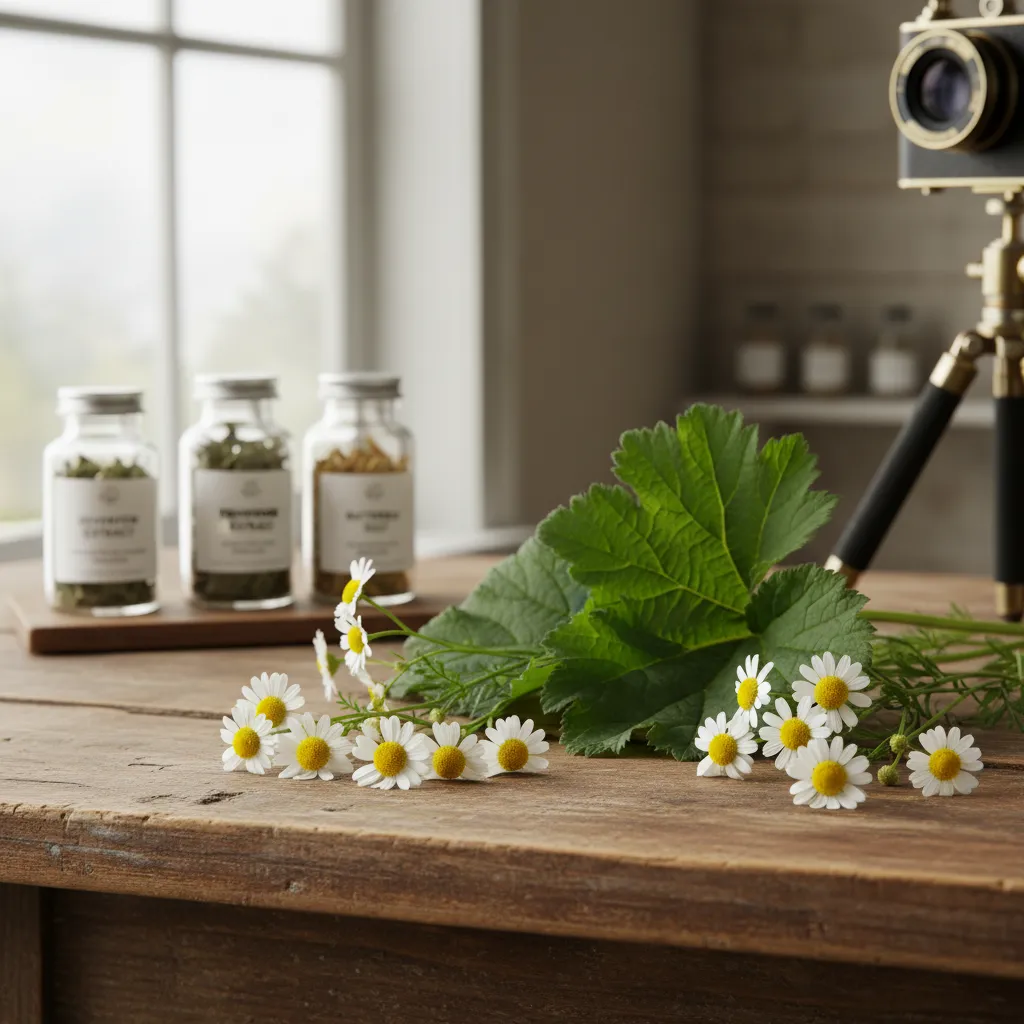
Beyond vitamins and minerals, specific botanicals have been used for centuries to manage headaches. Modern science has validated the efficacy of several herbs, particularly Butterbur and Feverfew, placing them at the forefront of natural migraine prevention.
Butterbur (Petasites hybridus)
Butterbur is widely considered one of the most effective herbal supplements for migraine prophylaxis. Its active compounds, petasins, reduce inflammation and spasms in smooth muscle, including the vascular walls in the brain. According to the National Center for Complementary and Integrative Health (NCCIH), studies suggest that butterbur extract can reduce the frequency of migraines.
Safety Warning: Raw butterbur contains pyrrolizidine alkaloids (PAs), which can cause liver damage. It is imperative to only use products labeled “PA-free” to ensure safety while reaping the benefits.
Feverfew (Tanacetum parthenium)
Feverfew has a long history in traditional medicine as a remedy for fevers and inflammatory conditions. In the context of migraines, it inhibits the release of serotonin and prostaglandins—inflammatory chemicals that contribute to the throbbing pain of a headache. While generally considered less potent than butterbur, it is a viable option for those who cannot tolerate other supplements. It is often taken as a dried leaf capsule or a tincture.
Systematic Trigger Identification
Prevention is impossible without understanding what provokes an attack. Triggers are highly individual, but they generally fall into dietary, environmental, and hormonal categories. Keeping a detailed headache diary is the gold standard for identifying these patterns.
Dietary Triggers
Certain foods contain chemical compounds that can spark a vascular reaction in susceptible individuals. Common culprits include:
- Tyramine: Found in aged cheeses, cured meats, and fermented foods. Tyramine can cause the release of norepinephrine, leading to vasoconstriction followed by rebound vasodilation.
- Histamine: Present in red wine, spinach, and aged foods. Those with a histamine intolerance may experience migraines as a primary symptom.
- Additives: Monosodium glutamate (MSG) and artificial sweeteners like aspartame are well-documented triggers for a subset of migraineurs.
Environmental and Sensory Triggers
The migraine brain struggles to filter sensory input. Bright or flickering lights, strong odors (perfume, smoke), and loud noises can overwhelm the nervous system. Weather changes, specifically barometric pressure drops, are also a major non-modifiable trigger. While you cannot control the weather, tracking it can help you preemptively adjust your lifestyle or supplement intake.
Physical Therapies and Acupressure
When prevention fails and the prodrome (pre-headache) phase begins, physical interventions can sometimes halt the progression of a migraine or reduce its intensity. These therapies also work prophylactically by reducing overall muscle tension and stress.
Acupressure for Acute Relief
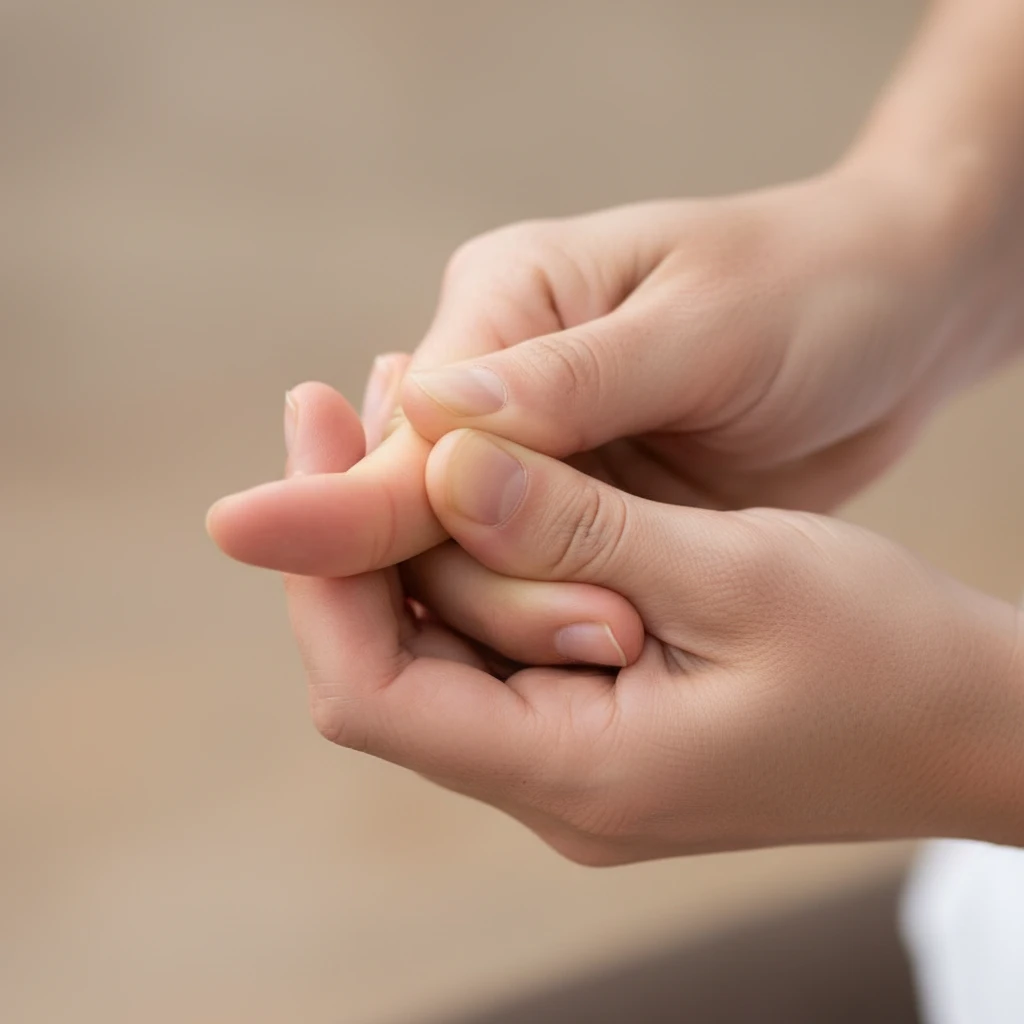
Acupressure involves applying physical pressure to specific points along the body’s meridians. The most famous point for headaches is LI4 (Hegu), located in the fleshy webbing between the thumb and index finger. Firm, circular pressure on this point for 2-3 minutes can help relieve frontal headaches and toothaches. Note: This point should not be stimulated during pregnancy.
Another effective point is GB20 (Feng Chi), located at the base of the skull in the hollows on both sides of the neck. Massaging this area can release neck tension that often precipitates tension-type migraines.
Biofeedback and Acupuncture
Biofeedback trains patients to control physiological processes such as muscle tension, skin temperature, and heart rate. By learning to voluntarily warm their hands or relax the trapezius muscles, migraineurs can abort attacks triggered by stress. Similarly, traditional acupuncture has been endorsed by various health organizations for migraine prophylaxis, with studies showing it can be as effective as prophylactic drugs with fewer side effects.
Lifestyle Protocols for Long-Term Resilience
The foundation of natural migraine prevention lies in consistency. The migraine brain craves routine. Deviations in sleep, meal times, or hydration status can be disastrous.
Hydration and Electrolytes
Dehydration is a primary trigger. However, plain water isn’t always enough. Maintaining electrolyte balance—sodium, potassium, and magnesium—is crucial for neurological stability. Drinking water consistently throughout the day, rather than binging fluids all at once, is the best approach.
Sleep Hygiene
Both lack of sleep and excessive sleep (“weekend migraine”) can trigger attacks. Establishing a strict sleep-wake cycle, where you go to bed and wake up at the same time every day, helps regulate the circadian rhythms that influence hormone release and pain thresholds.
By combining these nutrient therapies, herbal allies, and lifestyle modifications, you can build a robust defense against migraines. While these methods are natural, it is always recommended to consult with a healthcare provider before starting new supplements, especially if you are currently taking prescription medications.
People Also Ask
What is the most effective natural remedy for migraines?
Magnesium is widely considered the most effective nutritional remedy. Specifically, magnesium glycinate or citrate helps stabilize blood vessels and nerve function. When combined with Riboflavin (B2) and CoQ10, efficacy increases significantly.
How do you get rid of a migraine fast without meds?
To treat a migraine acutely without medication, retreat to a dark, quiet room immediately. Apply a cold compress to the neck or forehead, hydrate with electrolyte-rich water, and utilize acupressure on the LI4 point (between thumb and index finger). Consuming ginger tea may also help reduce nausea and pain.
Can drinking water stop a migraine?
If the migraine is triggered by dehydration, rehydrating can alleviate symptoms, though it may not stop the attack instantly. Dehydration causes the brain to contract slightly from the skull, causing pain. Sipping water consistently is a vital preventative measure.
Is ginger good for migraines?
Yes, ginger is highly effective. Clinical studies have shown that ginger powder can be as effective as sumatriptan for some patients in aborting a migraine, with a much lower side-effect profile. It works by blocking inflammatory prostaglandins.
What foods should be avoided to prevent migraines?
Common dietary triggers include aged cheeses (tyramine), processed meats (nitrates), alcohol (especially red wine), artificial sweeteners (aspartame), and MSG. Keeping a food diary is the best way to identify your specific sensitivities.
Does caffeine help or hurt migraines?
Caffeine is a double-edged sword. In small amounts, it can help abort a headache by constricting dilated blood vessels and is often included in OTC migraine meds. However, daily dependency can lead to medication-overuse headaches or withdrawal triggers.


