Maramataka rituals are ancestral Māori practices that align human activities with the lunar cycle to optimize health and productivity. By observing the moon’s phases—from Whiro to Mutuwhenua—individuals can synchronize their energy levels, diet, and spiritual practices with the natural rhythms of the environment, fostering a deeper connection to the Taiao and holistic well-being.
The Foundations of Maramataka Rituals
In the realm of Rongoā Māori and holistic living, the Maramataka serves as more than just a calendar; it is a sophisticated system of environmental intelligence and timekeeping that has guided Māori for generations. Unlike the Gregorian calendar, which is fixed and linear, the Maramataka is fluid, based on the cycles of Hina (the moon) and her relationship with the sun and the stars. For the modern seeker, engaging in maramataka rituals offers a pathway back to a rhythm that honors the body’s natural fluctuations. It recognizes that we are not meant to be productive and high-energy every single day. Instead, like the tides and the moon, we have phases of growth, peak activity, decline, and rest. Understanding these rituals is about reclaiming the sovereignty of one’s time and energy, especially in a world that often demands constant output. In a clinical or holistic lifestyle context, this integration allows for more compassionate self-management and more effective health interventions. By observing the maramataka, we move from a state of resisting nature to a state of flowing with it, which is the cornerstone of Rongoā—healing through connection to the environment.
Morning Karakia and Observations
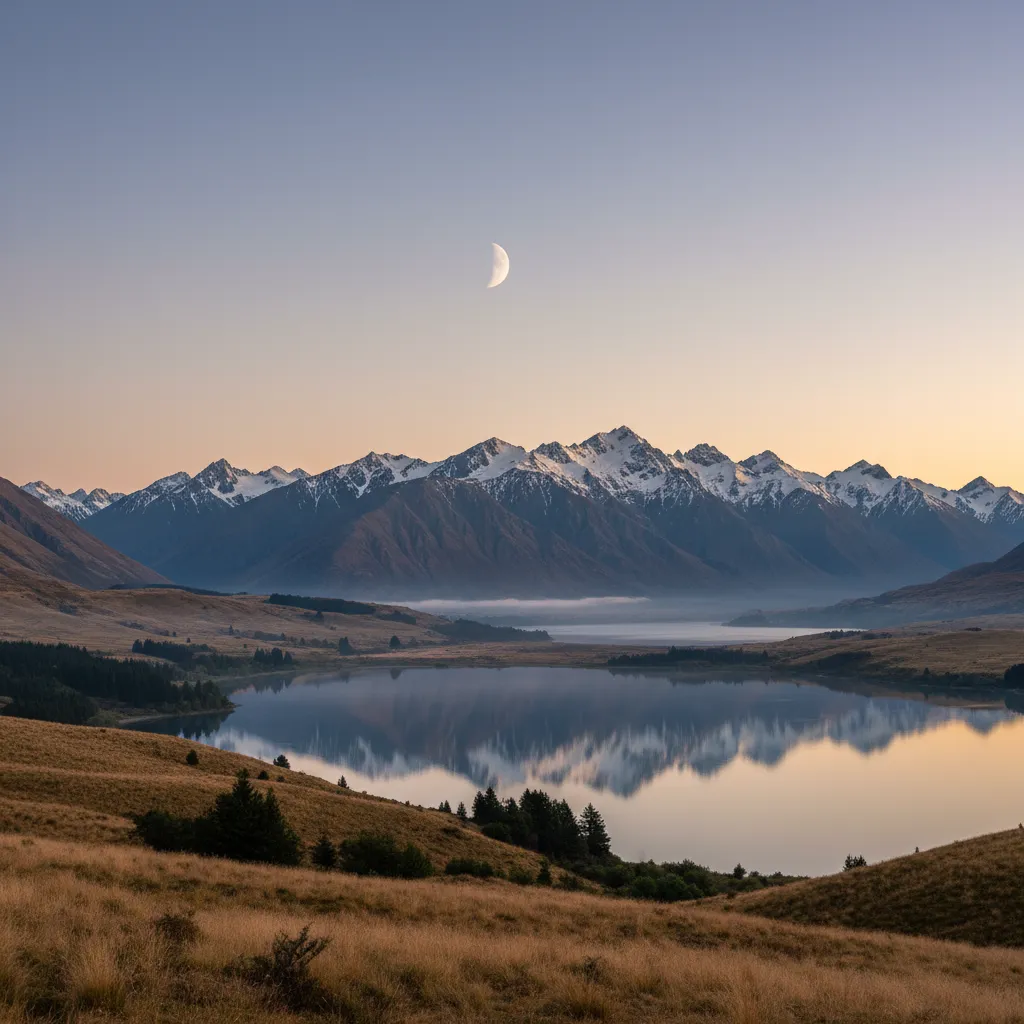
The practice of morning karakia is the essential starting point for any maramataka-based lifestyle. Karakia, often translated as prayer or incantation, is fundamentally about setting frequency and intention. When practiced at dawn, it acknowledges the transition from the realm of Te Pō (the darkness/potential) to Te Ao Mārama (the world of light). In the context of maramataka rituals, the morning karakia should be specific to the moon phase of the day. For example, during the high-energy days of Rakaunui (full moon), the karakia might focus on gratitude and the manifestation of abundance. Conversely, during Whiro (new moon), the karakia might focus on protection, introspection, and the planting of internal seeds for the month ahead.
The Power of Intentional Speech
Ritualized speech through karakia aligns the individual’s internal wairua (spirit) with the external environment. This is not merely a psychological exercise; in Rongoā Māori, the vibration of sound is believed to have healing properties. By vocalizing intentions, you are signaling to your nervous system and the wider environment your readiness to engage with the specific energy of that lunar day. This helps in reducing the friction between your expectations and the reality of your energy levels, which is a major contributor to modern stress and burnout.
Observing the Tohu
Following karakia, the next step in the ritual is observation. This involves looking at the sky, feeling the wind, and noting the clarity of the air. In modern life, we often skip this step by looking at our phones first. A true maramataka ritual involves looking up before looking down. You are looking for tohu (signs)—is the moon visible? What is the color of the clouds? These observations provide immediate feedback on the day’s energy. If the morning feels heavy or turbulent, it may indicate a day for caution or internal work, regardless of what your digital calendar says.
Environmental Indicators: The Language of the Taiao
To practice maramataka rituals effectively, one must become a student of the Taiao (environment). This is a core component of Rongoā Māori lifestyle integration. The moon does not act in isolation; its effects are manifested in the plants, the animals, and the tides. For someone living a modern life, this might seem difficult in an urban setting, but the tohu are always present. Environmental indicators serve as a validation of the lunar phase and help refine the ritual practices for the day.

Seasonal Shifts and Species Indicators
Different phases of the year, combined with the lunar cycle, dictate the potency of certain plants used in Rongoā. For instance, some healers will only harvest bark or leaves during specific moon phases when the sap flow is most beneficial. Observing the behavior of birds or the flowering of specific trees (like the Kōwhai or Pōhutukawa) provides a broader context for the maramataka. In your rituals, incorporating these indicators means acknowledging the season. If you are in a phase of the moon that suggests high activity, but the environmental indicators suggest a storm or a season of dormancy, you learn to find the balance between those two forces. This nuanced understanding prevents the maramataka from becoming a rigid set of rules and instead turns it into a living dialogue with nature.
Journaling by the Moon: Tracking Personal Haerenga
One of the most transformative maramataka rituals for modern life is the act of lunar journaling. While traditional knowledge provides a blueprint, every individual’s body interacts with the moon in a unique way. Journaling creates a personal record of your haerenga (journey), allowing you to see patterns over months and years. This data becomes invaluable for clinical integration, as it helps identify when a person might be most susceptible to illness, fatigue, or heightened emotional states.
Identifying High and Low Energy Phases
In your journal, you should track several key metrics: energy levels, sleep quality, appetite, and emotional state. Over time, you will likely notice that your high-energy peaks align with specific moon phases like Ari or Rakaunui. Conversely, you might find that the Tamatea phases bring a sense of restlessness or unpredictability. By documenting these rituals, you can plan your life more effectively. You might choose to schedule high-stakes meetings or intense physical training during your personal ‘peak’ days and reserve the ‘low’ days for administrative tasks, deep research, or restorative Rongoā practices like mirimiri (massage) or taking warming herbal infusions.

Nightly Reflection and Whakawatea
As the day concludes, the transition back into Te Pō requires its own set of maramataka rituals. Nightly reflection is about more than just reviewing what you did; it is about whakawātea—clearing and shedding the day’s events to ensure they do not carry over into the next cycle. This is particularly important for those working in high-stress or clinical environments where they may absorb the energies of others.
Releasing the Day
The nightly ritual can involve a simple physical action, such as washing your hands or face with cold water to symbolically ‘wash away’ the day’s burdens. In a maramataka context, you look to the phase of the moon to guide your reflection. If the moon is waning, your reflection might focus on what you need to let go of or what habits are no longer serving you. If the moon is waxing, you reflect on growth and the progress made toward your goals. This practice ensures that your spiritual and mental ‘cup’ is emptied each night, allowing for a restful sleep and a clear start the following morning.
Clinical Integration of Maramataka
In the context of Rongoā Māori Clinical Integration, maramataka rituals are used to enhance the efficacy of treatments. Health practitioners can use the lunar cycle to time interventions. For example, detoxification or cleansing protocols are often more effective during the waning moon, when the body’s natural energy is geared toward release. Conversely, tonics and nourishing treatments (haumanu) are best administered during the waxing moon to support building and strengthening the body’s systems.
Scheduling and Patient Care
Integrating maramataka rituals into a clinical setting also means being mindful of patient sensitivity. During certain moon phases, such as the Tamatea days, people may feel more anxious or physically sensitive. A practitioner aware of these cycles might provide a more grounding treatment or allow more time for the patient to settle. This level of care respects the patient’s biological and spiritual rhythms, leading to better outcomes and a deeper sense of trust between the practitioner and the client. It moves the clinical experience from a one-size-fits-all model to a bespoke, nature-aligned practice.
A Practical Guide to Lunar Phases
To truly live by the maramataka, one should understand the specific energies of the key phases and the rituals associated with them. This guide serves as a template for building your own practice within a modern lifestyle. While there are approximately 30 phases, we can group them into four main categories for simplicity and focus.
Whiro: The New Moon (Introspection)
This is a time of lowest energy and highest intuition. Rituals should focus on rest, meditation, and internal planning. In a Rongoā context, this is a time for quietness. Avoid starting new projects or heavy physical exertion. It is a day for listening to the ‘still small voice’ within.
The Waxing Phases: Growth and Expansion
As the moon grows (Tirea to Atua), energy levels begin to rise. This is the time for action, for building momentum, and for external work. Maramataka rituals during this time should focus on ‘doing’—planting gardens, initiating projects, and physical activity. Your karakia should be bold and forward-looking.
Rakaunui: The Full Moon (Abundance)
This is the peak. Energy is at its highest, and everything in nature is ‘full.’ Rituals should center on celebration, social connection, and harvesting the fruits of your labor. In a clinical sense, be aware that emotions can also be at their peak; use grounding practices to stay centered while enjoying the high energy.
The Waning Phases: Release and Refinement
As the light fades (Rakau-matohi to Mutuwhenua), it is time to harvest, process, and clean. Maramataka rituals here involve tidying your physical space, finishing outstanding tasks, and reflecting on lessons learned. It is a period of transition, preparing the ground for the next cycle to begin again at Whiro.
People Also Ask
What are the best maramataka rituals for beginners?
Beginners should start with two simple rituals: identifying the current moon phase each morning and spending five minutes in quiet reflection or karakia. Combining this with a simple daily energy log helps you start noticing personal patterns without feeling overwhelmed by the complexity of the full lunar calendar.
How does the maramataka influence mental health?
The maramataka provides a framework for understanding that mental and emotional fluctuations are natural. By aligning expectations with the lunar phase, individuals can reduce self-judgment during ‘low’ days and maximize their potential during ‘high’ days, leading to greater emotional resilience and reduced stress.
Can maramataka rituals be practiced in urban environments?
Yes, absolutely. While nature is more visible in rural areas, the moon and its effects are universal. Urban practitioners can observe the moon from windows, use apps to track phases, and look for local ‘urban tohu’ like the behavior of garden birds or the changing light in the sky at dawn and dusk.
What is the significance of the Whiro phase in rituals?
Whiro is the phase of the new moon and represents the highest point of potential but the lowest point of physical energy. Rituals during Whiro are about ‘planting seeds’ in the mind and spirit. It is considered a time for ‘non-action’ in the physical world to allow for deep spiritual recharge.
How do environmental indicators impact Rongoā Māori?
Environmental indicators, or tohu, act as a guide for the potency of Rongoā (medicine). They tell a practitioner when the life force (mauri) of a plant is at its peak for healing. These indicators ensure that the medicine is harvested sustainably and at the most effective time for the patient.
Is journaling by the moon effective for productivity?
Yes, lunar journaling is a powerful productivity tool. It allows you to ‘batch’ your work according to your natural energy cycles. By scheduling creative or demanding tasks during your peak moon phases and administrative or restful tasks during lower phases, you work more efficiently and avoid burnout.