
Natural diabetes management is a holistic approach to regulating blood glucose levels through targeted lifestyle interventions, dietary modifications, and evidence-based supplementation. To successfully manage Type 2 diabetes naturally, individuals must focus on improving insulin sensitivity by reducing carbohydrate intake, engaging in resistance training to increase muscle mass, and utilizing specific nutraceuticals like berberine that mimic the metabolic pathways of conventional medication. Visit our Home page for more resources.
Dietary Strategies: The First Line of Defense
When approaching natural diabetes management, diet is not merely a component of the plan; it is the foundation upon which all other metabolic health rests. The standard advice to “eat less and move more” often fails because it does not address the hormonal root cause of Type 2 diabetes: insulin resistance. To reverse or manage this condition naturally, one must adopt nutritional strategies that lower baseline insulin levels and improve the body’s sensitivity to this crucial hormone.
The Low-Carbohydrate and Ketogenic Approach
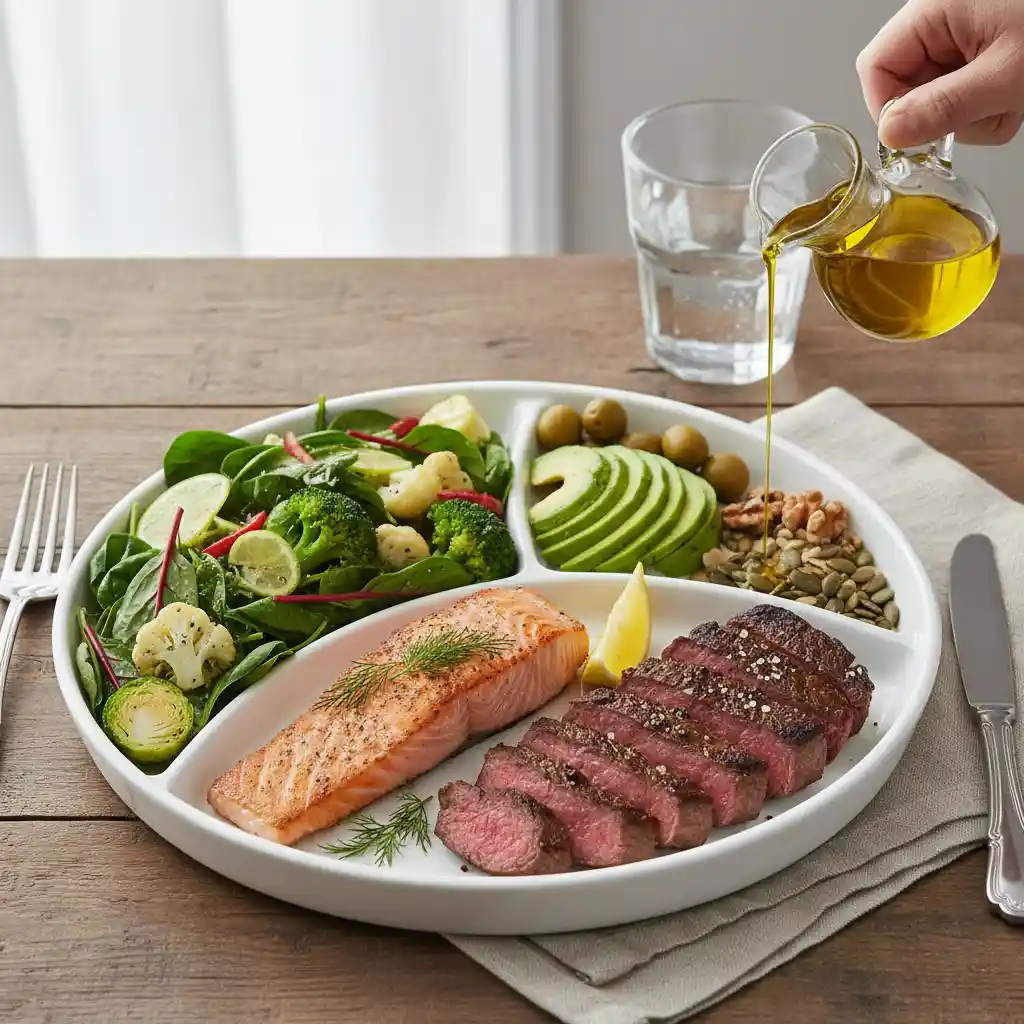
Carbohydrate restriction is arguably the most effective non-pharmaceutical intervention for lowering blood glucose. When you consume carbohydrates, they are broken down into glucose, causing a spike in blood sugar and a subsequent release of insulin. In individuals with insulin resistance, the cells do not respond efficiently to this signal, leading to chronically high insulin and blood sugar levels.
A low-carbohydrate or ketogenic diet minimizes this glucose load. By restricting carbohydrates—often to under 50 grams per day on a strict ketogenic protocol—the body shifts from burning glucose to burning fat for fuel. This metabolic state, known as ketosis, drastically reduces the need for insulin production. Clinical studies have consistently shown that low-carb diets can lead to significant reductions in HbA1c levels, often allowing patients to reduce or eliminate their reliance on medication under medical supervision.
Intermittent Fasting and Autophagy
Intermittent Fasting (IF) is a powerful tool that works synergistically with a low-carb diet. Unlike calorie restriction, which focuses on what you eat, IF focuses on when you eat. Common protocols include the 16:8 method (fasting for 16 hours and eating within an 8-hour window) or OMAD (One Meal A Day).
The primary benefit of fasting for natural diabetes management is the extended period of low insulin exposure. When you are in a fasted state, insulin levels drop significantly, allowing the body to access stored body fat for energy. Furthermore, fasting triggers a cellular repair process called autophagy, which may help improve the function of beta cells in the pancreas. By compressing the eating window, you reduce the frequency of insulin spikes, giving the metabolic system a much-needed rest. Complementing these habits with practices like Abhyanga: The Science of Self-Massage can further enhance your wellness journey.
Berberine vs. Metformin: The Clinical Comparison
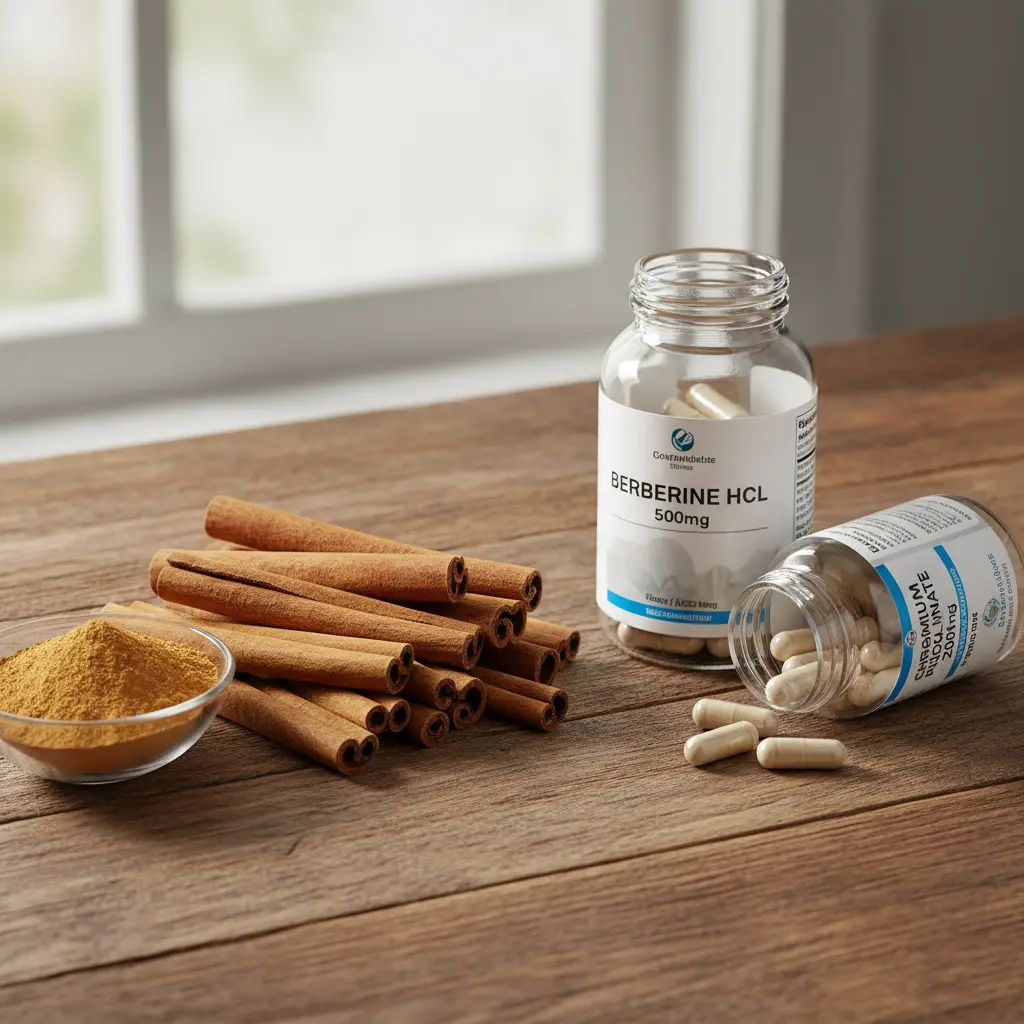
In the realm of integrative health, few supplements have garnered as much attention as Berberine. Often referred to as “nature’s Metformin,” Berberine is a bioactive compound extracted from several different plants, including Goldenseal and Oregon Grape. Its efficacy in managing Type 2 diabetes is supported by robust clinical data, making it a cornerstone of natural management protocols.
The mechanism of action for Berberine is strikingly similar to Metformin. Both compounds work by activating an enzyme called AMP-activated protein kinase (AMPK). AMPK is often described as the “metabolic master switch” inside cells. When activated, it stimulates glucose uptake in the muscles, improves insulin sensitivity, and reduces glucose production in the liver (gluconeogenesis). For those interested in botanical health beyond glucose, Astragalus Root: Immune Modulation is another potent herb.
Comparative Efficacy
Several head-to-head studies have compared Berberine directly with Metformin. Research indicates that Berberine can lower blood glucose levels and HbA1c just as effectively as Metformin in patients with Type 2 diabetes. For example, a study published in Metabolism found that patients taking 500mg of Berberine three times a day experienced reductions in HbA1c, fasting blood glucose, and postprandial blood glucose comparable to those taking Metformin.
However, Berberine offers additional benefits that Metformin typically does not. It has been shown to improve lipid profiles by lowering total cholesterol, LDL (bad) cholesterol, and triglycerides. This is particularly relevant for diabetics, who are at an increased risk for cardiovascular disease. For more detailed statistics on diabetes and cardiovascular risks, you can refer to the National Institute of Diabetes and Digestive and Kidney Diseases (NIDDK).
The Role of Chromium and Cinnamon
While Berberine acts as a powerful metabolic modulator, other micronutrients play supportive roles in optimizing glucose disposal and receptor sensitivity. Among the most researched are Chromium and Cinnamon.
Chromium Picolinate is an essential trace mineral that enhances the action of insulin. It is a critical component of the “glucose tolerance factor,” a molecule that facilitates the binding of insulin to its receptors on the cell surface. A deficiency in chromium can lead to impaired glucose tolerance. Supplementation has been shown to improve glycemic control, particularly in individuals who have a dietary deficiency of this mineral.
Cinnamon, specifically the Ceylon variety (often called “true cinnamon”), contains bioactive compounds like cinnamaldehyde that mimic insulin and improve cellular uptake of glucose. It also slows the rate of gastric emptying, which helps blunt the post-meal blood sugar spike. It is important to distinguish between Ceylon cinnamon and the more common Cassia cinnamon; Cassia contains higher levels of coumarin, which can be harmful to the liver in large doses, whereas Ceylon is generally considered safer for long-term therapeutic use.
The Metabolic Engine: Why Muscle Mass Matters
A frequently overlooked aspect of natural diabetes management is the importance of skeletal muscle mass. In the context of glucose metabolism, muscle tissue acts as the primary “sink” for glucose disposal. Roughly 80% of glucose uptake after a meal occurs in skeletal muscle.
Sarcopenia (muscle loss) and Type 2 diabetes often go hand-in-hand. As muscle mass decreases, the body loses the storage capacity for glucose, leading to higher circulating blood sugar levels. Conversely, increasing muscle mass through resistance training creates a larger reservoir for glucose storage.
Mechanisms of Glucose Disposal
Resistance training induces the translocation of GLUT4 transporters to the surface of muscle cells. These transporters act like gates that allow glucose to enter the cell from the bloodstream. Interestingly, muscle contraction can stimulate GLUT4 translocation independently of insulin. This means that even in an insulin-resistant state, physical exercise can effectively lower blood sugar by utilizing this alternative pathway.
To maximize this benefit, a natural diabetes management plan should prioritize hypertrophy (muscle growth) training or strength training at least 2-3 times per week. Compound movements such as squats, deadlifts, and push-ups recruit the most muscle fibers and therefore have the greatest impact on metabolic rate and glucose disposal.
The Invisible Triggers: Stress and Sleep Hygiene
Diet and exercise are visible components of health, but the invisible hormonal landscape is equally critical. Chronic stress and poor sleep are major contributors to insulin resistance, yet they are often neglected in standard treatment plans.
When the body is under stress, the adrenal glands release cortisol. Cortisol’s evolutionary function is to prepare the body for a “fight or flight” response, which requires quick energy. To provide this energy, cortisol signals the liver to release stored glucose into the bloodstream and inhibits insulin production to prevent glucose storage. In modern life, where stress is psychological rather than physical, this results in chronically elevated blood sugar without the physical activity to burn it off.
Similarly, sleep deprivation disrupts the balance of hunger hormones (ghrelin and leptin) and significantly induces insulin resistance. Studies have shown that even a few nights of partial sleep deprivation can induce a pre-diabetic state in otherwise healthy individuals. Prioritizing 7-9 hours of quality sleep is a non-negotiable pillar of natural diabetes management.
Safety and Integration with Medical Care
While natural strategies are powerful, they must be implemented with caution, especially for individuals already prescribed pharmaceutical medications. The most significant risk in natural diabetes management is hypoglycemia (dangerously low blood sugar).
If a patient is taking insulin or sulfonylureas and simultaneously adopts a low-carb diet and starts taking Berberine, their blood sugar could drop too low because the natural interventions restore sensitivity while the drugs continue to push glucose down. Therefore, it is imperative to work with a healthcare provider who can de-prescribe or adjust medication dosages as metabolic health improves. For further reading on safety guidelines, resources like The Centers for Disease Control and Prevention (CDC) provide essential protocols for monitoring.
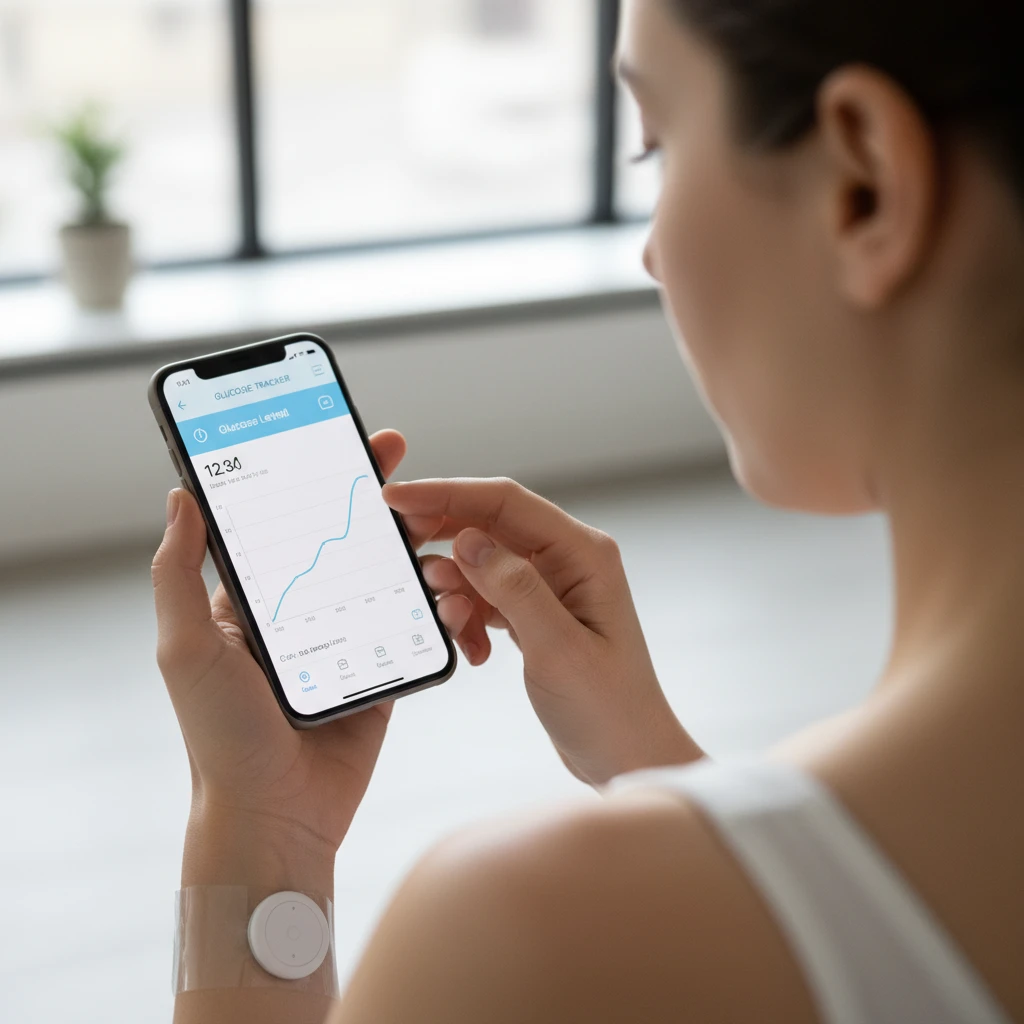
Managing Type 2 diabetes naturally is a journey of reclaiming metabolic flexibility. By combining a low-carbohydrate diet, strategic supplementation with Berberine and micronutrients, resistance training, and stress management, it is possible to achieve profound improvements in health and quality of life.
People Also Ask
Can you reverse Type 2 diabetes naturally?
Yes, many individuals can achieve remission from Type 2 diabetes naturally. Remission is defined as maintaining non-diabetic blood sugar levels (HbA1c below 6.5%) for at least three months without the use of glucose-lowering medication. This is most commonly achieved through significant weight loss, low-carbohydrate diets, and consistent exercise.
How quickly can diet lower blood sugar?
Dietary changes can impact blood sugar levels almost immediately. A low-carbohydrate meal will result in a much lower post-prandial (after-meal) glucose spike compared to a high-carb meal. Over the course of a few weeks, consistent dietary changes can lead to noticeable reductions in fasting blood glucose and overall insulin sensitivity.
Is Berberine safe to take with Metformin?
Generally, Berberine can be taken with Metformin, but it increases the risk of hypoglycemia because both agents lower blood sugar. Combining them may have an additive effect. It is crucial to consult with a doctor before combining these treatments, as medication dosages may need to be adjusted to prevent blood sugar from dropping too low.
What is the best exercise for diabetes?
While all movement is beneficial, resistance training (weight lifting) is often considered the best for long-term glucose management because it builds muscle mass, which acts as a glucose sink. However, a combination of resistance training and aerobic exercise (cardio) yields the best results for cardiovascular health and insulin sensitivity.
Does apple cider vinegar help diabetes?
Yes, apple cider vinegar (ACV) has been shown to improve insulin sensitivity and lower blood sugar responses after meals. Taking 1-2 tablespoons of ACV diluted in water before a carbohydrate-rich meal can reduce the subsequent glucose spike, likely by delaying gastric emptying and improving glucose uptake.
What foods should diabetics avoid entirely?
Diabetics should aim to avoid sugar-sweetened beverages (soda, juice), refined carbohydrates (white bread, pasta, pastries), trans fats, and highly processed foods with added sugars. These foods cause rapid spikes in blood glucose and insulin, worsening insulin resistance and metabolic dysfunction.


