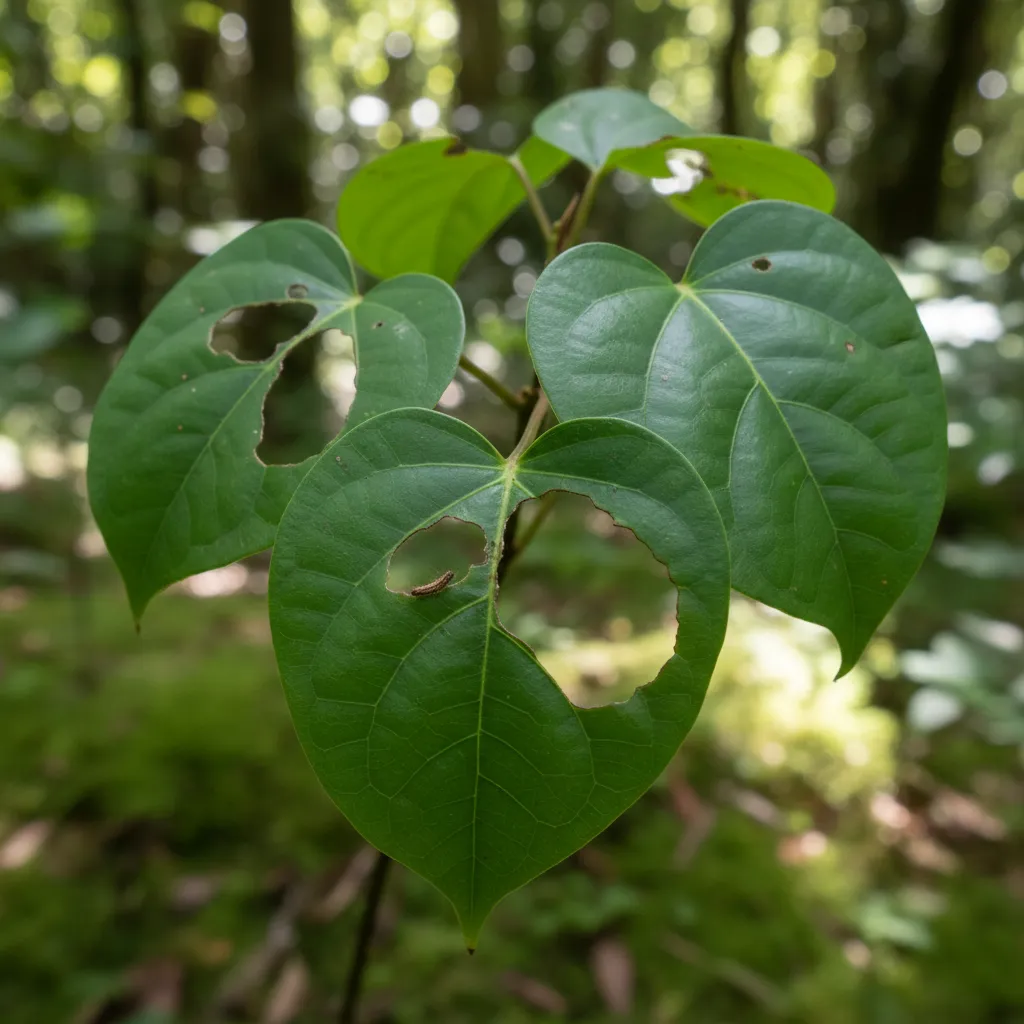
Koromiko medicinal uses center primarily on its effectiveness as a potent astringent for treating digestive disorders, specifically dysentery and diarrhea, alongside its capacity as a diuretic and antimicrobial agent. In traditional Rongoā Māori, the leaf buds of Veronica salicifolia (formerly Hebe salicifolia) are harvested and boiled to create therapeutic tonics that soothe gastrointestinal inflammation, stimulate kidney function to flush toxins, and inhibit the growth of specific bacterial pathogens.
Historical Significance and Rongoā Māori
Koromiko (Veronica salicifolia, historically classified as Hebe salicifolia) holds a distinguished place in the pantheon of New Zealand native flora featured on our Home page. It is arguably one of the most widely recognized and utilized plants in Rongoā Māori (traditional Māori medicine). For centuries, Tohunga (expert practitioners) have utilized the plant not only for its physiological benefits but also for its spiritual significance in ritual cleansing.
The plant is a flowering shrub found throughout the North and South Islands of New Zealand, thriving in scrubland and along forest margins. Its resilience and widespread availability made it a staple in the traditional pharmacopeia. Historically, the use of Koromiko extends beyond simple home remedies; it was a critical resource during times of conflict and epidemic.
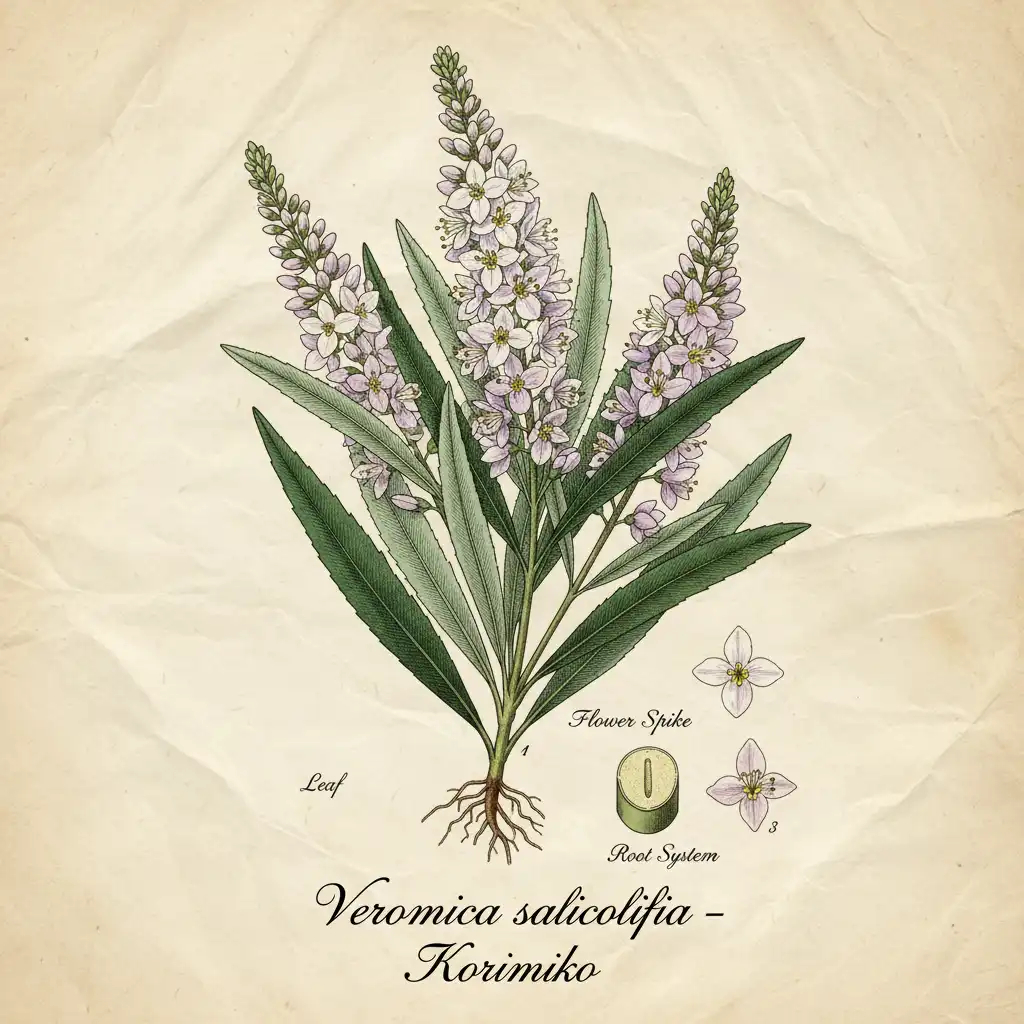
One of the most well-documented historical applications occurred during the New Zealand Wars and later during World War II. Māori soldiers sent dried Koromiko leaves to troops overseas to treat dysentery when conventional Western supplies failed or ran out. This cross-cultural adoption highlights the plant’s efficacy; it was not merely a placebo but a potent physiological agent capable of halting severe dehydration caused by enteric infections.
In the context of Rongoā, the harvesting of Koromiko adheres to strict tikanga (protocols). Typically, only the unopened leaf buds (the rito) and the tender top leaves are gathered. This practice ensures the sustainability of the shrub while harvesting the most chemically active parts of the plant, much like the protocols followed for Reishi Mushroom (Lingzhi): The Calm Anchor. Understanding this historical context is vital for modern herbalists, as it grounds the scientific research in centuries of empirical evidence.
Therapeutic Applications for Digestive Health
The primary reputation of Koromiko medicinal uses lies in its ability to treat gastrointestinal distress. It is considered a specific remedy for diarrhea and dysentery. The mechanism behind this efficacy is largely attributed to its astringency. Astringents work by precipitating proteins on the surface of the mucous membranes in the gut. This action creates a protective layer that reduces irritation and inflammation, effectively “tightening” the tissues and reducing the secretion of fluids that characterizes diarrhea.
For acute cases, the traditional preparation involves chewing the tender leaf buds directly. The juices released are swallowed, providing immediate relief to the esophagus and stomach. For more chronic conditions or for children, a decoction or infusion (tea) is prepared. This liquid preparation allows the tannins and glycosides to coat the lining of the stomach and intestines.
Modern herbalists continue to prescribe Koromiko for:
- Acute Diarrhea: Rapidly slowing bowel movements and preventing dehydration.
- Dysentery: Assisting in the management of infectious diarrhea containing blood or mucus.
- Stomach Aches: Soothing cramping and muscular spasms in the gut.
- General Detoxification: Promoting a healthy digestive flow after a period of poor diet.
It is important to note that while Koromiko stops the symptoms of diarrhea, it does not necessarily kill the parasite causing it in all cases (though it has antimicrobial properties, discussed later). Therefore, it is often used in conjunction with other treatments like Nux Vomica: The Modern Lifestyle Remedy to ensure the root cause of the infection is addressed while the patient is stabilized.
Research into Diuretic Properties
Beyond the gut, Koromiko is valued for its influence on the renal system. A diuretic is a substance that promotes diuresis, the increased production of urine. This process is essential for the body’s natural detoxification pathways, helping the kidneys filter out waste products, excess salts, and toxins from the bloodstream.
Research into the phytochemical profile of Veronica species suggests that the presence of mannitol and various flavonoids contributes to this diuretic effect. By stimulating the kidneys, Koromiko helps to flush the bladder and urinary tract. This makes it a valuable supportive therapy for:
- Bladder Infections (Cystitis): By increasing urine volume, the plant helps wash out bacteria adhering to the bladder walls.
- Kidney Support: Assisting the renal system in eliminating metabolic waste.
- Fluid Retention: Reducing mild edema or bloating associated with menstrual cycles or dietary salt excess.
Unlike synthetic diuretics which can lead to severe electrolyte imbalances (such as potassium depletion), herbal diuretics like Koromiko tend to be milder and more balanced in their action. However, adequate hydration must always accompany the use of any diuretic to prevent dehydration.
Antimicrobial and Antibacterial Mechanisms
The interest in Koromiko medicinal uses has expanded into the laboratory, where researchers are investigating its antimicrobial potential. With the global rise of antibiotic-resistant superbugs, the search for novel antimicrobial agents in indigenous pharmacopeias has intensified. Koromiko has demonstrated activity against a range of pathogens, validating its traditional use on sores, ulcers, and internal infections.

Studies indicate that extracts from Veronica salicifolia possess inhibitory effects against certain strains of bacteria and fungi. This activity is linked to complex phenolic compounds within the leaves. When applied topically as a wash or poultice, Koromiko can assist in cleaning wounds and preventing infection in cuts and grazes. This aligns with historical accounts of Māori using the water from boiled leaves to wash new-born babies or cleanse the skin of the sick.
Specifically, the antimicrobial action is believed to target:
- Staphylococcus aureus: A common bacterium that causes skin infections.
- Escherichia coli (E. coli): Often responsible for urinary tract and digestive infections.
- Candida albicans: A yeast that can cause fungal infections.
For more detailed botanical information on the species, reputable sources such as Te Ara – The Encyclopedia of New Zealand provide extensive overviews of the plant’s place in the ecosystem and culture.
Active Chemical Constituents
To understand why Koromiko works, we must look at its phytochemistry. It is not magic; it is chemistry. The plant contains a variety of bioactive compounds that act synergistically to produce its healing effects. The primary constituents identified include:
- Tannins: These are the polyphenols responsible for the astringent, dry mouthfeel associated with the plant. Tannins bind to proteins and contract tissues, which is the primary mechanism for stopping diarrhea and staunching bleeding.
- Flavonoids: These compounds act as antioxidants and anti-inflammatories. They help reduce oxidative stress in the body and soothe inflamed tissues in the digestive tract.
- Phenolic Acids: Contributors to the antimicrobial defense system of the plant, which transfers to the human host upon consumption.
- Mannitol: A sugar alcohol that acts as an osmotic diuretic, helping to draw water into the kidneys to be excreted.
The concentration of these chemicals varies depending on the season and the specific location where the plant is grown. Plants grown in wild, competitive environments often produce higher levels of these defensive chemicals compared to those grown in pampered garden conditions.
Preparation, Dosage, and Safety
Safe preparation is crucial to maximizing the benefits of Koromiko while minimizing risks. While generally considered safe, it is a potent herb and should be treated with respect.
Making Koromiko Tea (Infusion)
The most common method of administration is a tea. Here is a standard preparation method suitable for home use:
- Harvesting: Collect 3 to 6 young leaf tips (the unopened bud and the first pair of leaves). Ensure you have permission to harvest if you are not on your own land, and say a karakia (prayer) or give thanks to the plant.
- Boiling: Place the leaves in a pot with approximately 2 cups of water.
- Simmering: Bring to a boil and then lower the heat to a simmer. Let it simmer for 10 to 15 minutes. The longer you boil, the more tannins are released, making the brew stronger and more bitter.
- Straining: Remove the leaves. The liquid can be drunk hot or allowed to cool.

Safety and Contraindications
While Koromiko is a natural remedy, “natural” does not mean void of side effects. Because of its strong astringent nature, excessive consumption can lead to constipation. It effectively stops the movement of the gut, so once the diarrhea has ceased, usage should be discontinued immediately.
Pregnancy and Breastfeeding: Caution is always advised. While there are no widely reported toxic effects, pregnant women should consult with a qualified medical herbalist or healthcare provider before ingesting medicinal doses of Rongoā plants. For further reading on plant safety, databases like Manaaki Whenua – Landcare Research offer botanical identification and toxicity data.
Integrating Koromiko into Modern Practice
The integration of Koromiko into modern herbal medicine represents a fusion of ancestral wisdom and contemporary science. In the “NZ Integrated Herbal Medicine & Rongoā Māori Hub” niche, the goal is not to replace Western medicine but to complement it.
For practitioners, Koromiko serves as a first-line defense for non-critical digestive upsets. It is also an excellent example of sustainable medicine; it grows locally, requires no processing or packaging, and carries a low carbon footprint. However, it is vital to distinguish between minor ailments and serious conditions. Persistent diarrhea, blood in the stool, or signs of severe dehydration require immediate professional medical intervention.
By respecting the traditional origins of the plant and understanding the pharmacological basis of its action, we can utilize Koromiko safely and effectively. It stands as a testament to the sophistication of Rongoā Māori, offering a natural solution to common ailments that is as relevant today as it was hundreds of years ago.
People Also Ask
What is Koromiko used for in medicine?
Koromiko is primarily used in traditional and herbal medicine to treat digestive issues such as diarrhea and dysentery due to its astringent properties. It is also used as a diuretic to support kidney and bladder function, and externally as an antimicrobial wash for sores and ulcers.
Is Koromiko safe to drink?
Yes, Koromiko is generally considered safe to drink when prepared correctly as a tea using the young leaf buds. However, it should be consumed in moderation. Because it is a strong astringent, drinking too much can cause constipation. Pregnant women should consult a healthcare professional before use.
How do you make Koromiko tea?
To make Koromiko tea, harvest 3 to 6 young leaf buds (ensure you follow proper harvesting protocols). Boil them in two cups of water and let simmer for 10 to 15 minutes. Strain the leaves and drink the liquid warm. It can be taken up to three times a day for acute digestive issues.
Does Koromiko help with constipation?
No, Koromiko is generally used to treat the opposite problem: diarrhea. Because it contains tannins which are astringent, it tightens tissues and slows down the bowel. Using it when you are already constipated could worsen the condition.
What part of the Koromiko plant is used?
In Rongoā Māori, the most commonly used parts are the unopened leaf buds (rito) and the tender top leaves. These parts are believed to contain the highest concentration of active healing compounds and are harvested sustainably to allow the plant to continue growing.
Is Koromiko an antibiotic?
While not a synthetic antibiotic, Koromiko possesses natural antimicrobial and antibacterial properties. Research suggests it can inhibit the growth of certain bacteria and fungi, making it effective for washing wounds or treating minor internal infections, though it should not replace prescribed antibiotics for serious infections.