
Kawakawa Rongoā uses refer to the diverse traditional healing applications of the native New Zealand shrub Piper excelsum. Renowned for its analgesic, antimicrobial, and anti-inflammatory properties, this plant is utilized to treat digestive ailments, alleviate toothache, soothe skin conditions like eczema, and promote general well-being through tonics and balms.
The Cultural Significance and Whakapapa of Kawakawa
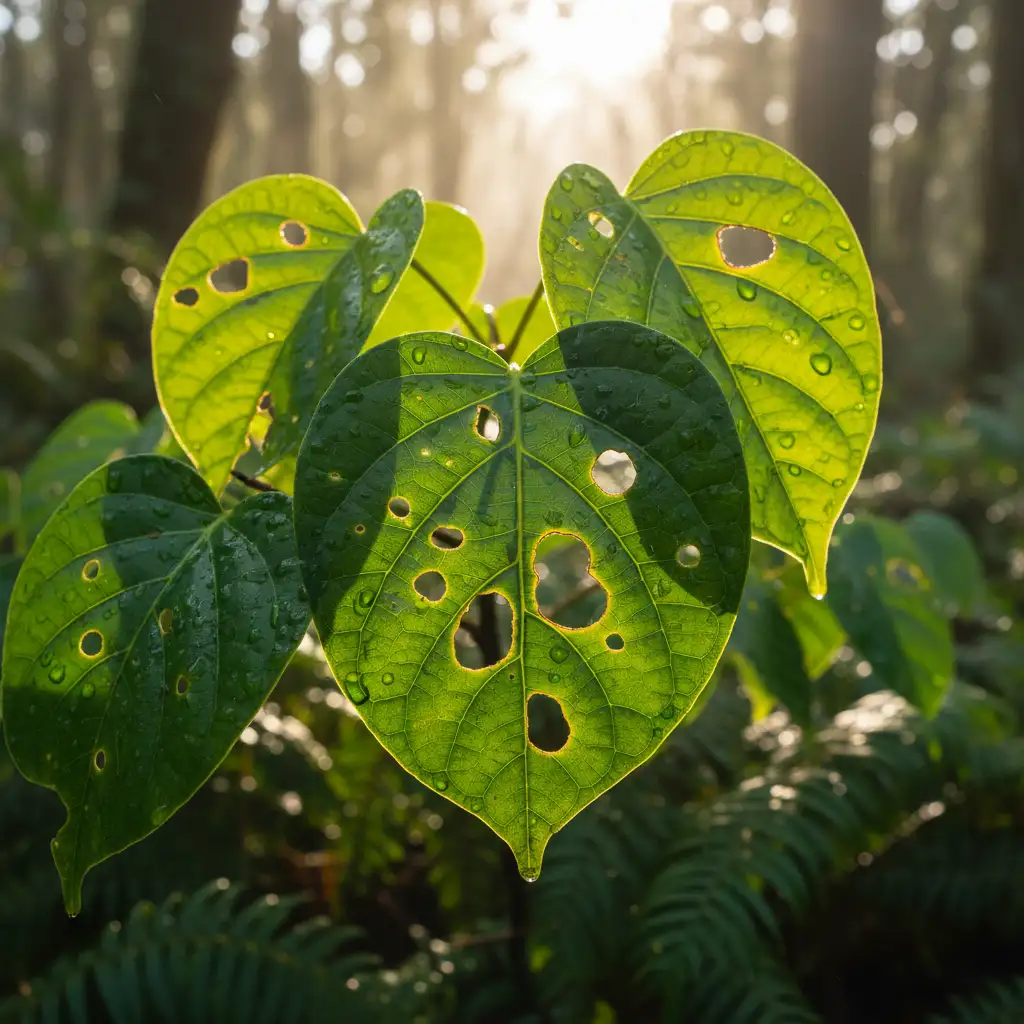
In the realm of New Zealand integrated herbal medicine, few plants hold as much mana (prestige) and utility as Kawakawa (Piper excelsum). Often referred to as the “pharmacy of the forest,” it is a cornerstone of Rongoā Māori—traditional Māori medicine, mirroring the holistic principles found in Abhyanga: The Science of Self-Massage. Its heart-shaped leaves are not only a botanical feature but are often interpreted symbolically as representing the plant’s affinity for healing the heart and spirit.
Kawakawa is frequently used in ceremonial contexts. In tangihanga (funerals), people may wear wreaths of Kawakawa on their heads as a sign of mourning, utilizing the plant’s spiritual connection to bridge the gap between the physical world and the spiritual realm. The plant is linked to Tāne Mahuta (God of the Forest) and is considered a taonga (treasure) that must be treated with the utmost respect.
Identification and Tikanga: Harvesting with Respect
Correct identification is the first step in utilizing Kawakawa Rongoā uses safely, particularly when navigating Understanding the Natural Health Products Bill and Regulations in NZ. Kawakawa is a shrub that typically grows between one to five meters tall. It is easily recognized by its large, heart-shaped, bright green leaves and its distinct, jointed stems that resemble bamboo. During the fruiting season, the female plants produce yellow-orange candle-like fruit spikes.
A unique characteristic of potent Kawakawa is the presence of holes in the leaves. These holes are caused by the caterpillar of the Kawakawa Looper Moth (Cleora scriptaria). In Rongoā tradition, it is believed that the leaves with the most holes contain the highest concentration of medicinal properties. The logic follows that the caterpillars instinctively know which leaves are the most chemically active and nutritious, and by consuming them, they trigger the plant to produce more defense compounds (secondary metabolites), thereby increasing its medicinal potency.
Tikanga (Protocol) for Harvesting
Harvesting Rongoā is not merely a physical act of gardening; it is a spiritual exchange. Following proper tikanga ensures the sustainability of the plant and the efficacy of the medicine.
- Karakia (Prayer): Always begin with a karakia to acknowledge Tāne Mahuta and ask permission to take from the forest. This centers the intention of the healer.
- Gratitude: Give thanks before and after harvesting.
- Sunrise Harvest: It is traditional to harvest in the morning after the dew has lifted but before the sun is at its peak, as this is when the plant’s energy is rising.
- Don’t Take the Parents: Never harvest the central shoot or the very young leaves (the babies), and leave the largest leaves (the grandparents) to sustain the plant. Take from the sides.
- Sustainability: Never strip a bush bare. Take only what you need and what you will use immediately.
Traditional Applications for Pain and Inflammation
One of the primary Kawakawa Rongoā uses is the management of pain and inflammation. The plant contains myristicin, a compound related to eugenol (found in cloves), which acts as a mild antiseptic and analgesic (pain reliever). This makes Kawakawa an incredible natural resource for first aid in the bush and chronic pain management at Home.
Toothache and Oral Health
Historically, one of the most direct uses of Kawakawa was for toothache relief. Chewing on a fresh leaf releases the numbing oils directly onto the gums and teeth. The peppery taste, often described as spicy or numbing, indicates the presence of bioactive compounds working to reduce nerve sensitivity. It is also used as a mouthwash to treat gum infections and sore throats.
Topical Relief for Skin Conditions
When applied topically, Kawakawa excels at soothing inflammation. It is widely used to treat:
- Eczema and Psoriasis: The anti-inflammatory nature helps reduce the redness and itch associated with chronic skin conditions.
- Cuts and Bruises: Its antimicrobial properties help prevent infection in minor wounds.
- Insect Bites and Stings: Rubbing a crushed leaf on a mosquito bite or nettle sting can provide almost instant relief from itching and stinging sensations.
- Rheumatism and Neuralgia: Warm poultices made from steamed leaves are applied to joints to relieve the deep ache of arthritis and rheumatism.
Internal Uses: Digestive Health and Detoxification
Beyond external applications, Kawakawa is a powerful tonic for the internal systems of the body. In traditional practice, it is classified as a depurative, meaning it aids in the purification of the blood and the elimination of toxins.
Drinking Kawakawa tea is a standard remedy for digestive issues. It helps to settle the stomach, reduce bloating, and alleviate cramping. The bitter and pungent principles in the leaves stimulate the production of bile and digestive enzymes, helping the body break down heavy foods. For those suffering from indigestion or IBS-like symptoms, a cup of Kawakawa tea after a meal can be incredibly soothing.
Furthermore, it acts as a diaphoretic, promoting sweating, which can be beneficial during fevers or colds to help the body “sweat out” the illness. This aligns with its warming energetic properties, bringing heat to the core and extremities.

Preparing Kawakawa: Teas, Balms, and Poultices
To maximize the benefits of Kawakawa Rongoā uses, proper preparation is essential. Here are the standard methods for creating home remedies.
Brewing Kawakawa Tea (Waireka)
The most common way to consume Kawakawa is as a tea. It has a refreshing, slightly peppery, and aromatic flavor.
- Selection: Select 5-6 medium-sized leaves (preferably with holes).
- Simmering: Place the leaves in a pot with approximately 1 liter of water. Bring to a gentle boil and let it simmer for 10–15 minutes. Unlike delicate tea leaves, Kawakawa leaves are robust and require simmering to extract the therapeutic oils.
- Infusion: Strain the liquid. You can add a teaspoon of Manuka honey for added antibacterial benefits and sweetness, or a squeeze of lemon.
- Consumption: Drink warm for digestion or colds, or chilled as a refreshing summer tonic.
Creating a Kawakawa Balm
Kawakawa balm is a staple in many New Zealand households for skin repair. The process involves infusing the leaves into a carrier oil.
- Harvest and Dry: Harvest leaves and let them wilt for 24 hours to reduce water content (which can cause the balm to spoil).
- Infuse: Place the wilted leaves in a jar and cover with olive oil, almond oil, or coconut oil. Using a double boiler, gently heat the oil (do not fry the leaves) for 2-4 hours. Alternatively, use the cold infusion method by leaving the jar in a sunny windowsill for 4-6 weeks.
- Strain and Set: Strain the oil through a muslin cloth. Return the oil to a double boiler and add beeswax (typically a 1:5 ratio of beeswax to oil). Stir until melted.
- Pour: Pour into tins or jars and let it cool to set. Use this balm for nappy rash, eczema, or dry lips.
Modern Science Meets Ancient Wisdom
While Rongoā Māori is based on centuries of observation and spiritual connection, modern science has begun to validate these traditional uses. Research conducted by New Zealand institutions has isolated several bioactive compounds in Piper excelsum.
Studies have highlighted the presence of diayangambin, which exhibits significant anti-inflammatory and immunosuppressive effects, and myristicin, known for its analgesic properties. These findings support the traditional use of the plant for treating inflammatory conditions like rheumatism and eczema. For more detailed botanical descriptions and ecological information, you can visit the Department of Conservation website.
Additionally, research into the antimicrobial efficacy of Kawakawa extracts has shown promise against various bacterial strains, validating its use as a wound healer. This intersection of Mātauranga Māori (Māori knowledge) and Western science creates a robust framework for Integrated Herbal Medicine.

Safety, Contraindications, and Dosage
While Kawakawa is generally considered safe, it is a potent medicinal plant and should be treated with respect. As with any herbal remedy, moderation is key.
Consumption Limits: Excessive consumption of Kawakawa tea can act as a laxative or cause numbing of the mouth. It is generally recommended to limit intake to 2-3 cups per day for acute issues, and less for general maintenance.
Pregnancy and Medication: Due to the lack of clinical trials on pregnant women, caution is advised. Consult a healthcare professional or a qualified Rongoā practitioner before using Kawakawa therapeutically if you are pregnant, breastfeeding, or taking prescription medications. For authoritative definitions and cultural context, refer to Te Aka Māori Dictionary.
By honoring the traditions of the past and understanding the botany of the present, we can fully appreciate the depth of Kawakawa Rongoā uses. Whether applied as a soothing balm for a child’s scraped knee or sipped as a warming tea on a cold evening, Kawakawa remains a vital, living treasure of Aotearoa.
People Also Ask
What is Kawakawa used for in Rongoā?
In Rongoā Māori, Kawakawa is used primarily for digestion (stomach cramps, bloating), pain relief (toothache, neuralgia), and skin healing (eczema, cuts, boils). It is also used as a blood tonic and for spiritual cleansing in ceremonial contexts.
Can you eat raw Kawakawa leaves?
Yes, you can eat raw Kawakawa leaves, although they have a very strong, peppery, and numbing taste. Chewing a fresh leaf is a traditional remedy for toothache and oral infections, but they are rarely eaten in large quantities as a food source due to their potency.
Why do Kawakawa leaves have holes?
The holes in Kawakawa leaves are caused by the caterpillar of the Kawakawa Looper Moth (Cleora scriptaria). In traditional medicine, leaves with holes are preferred because the plant produces higher levels of medicinal compounds (secondary metabolites) to defend against the insect, making these leaves more potent.
How do you make Kawakawa tea?
To make Kawakawa tea, place 5-6 washed leaves in a pot with 1 liter of water. Bring to a boil and simmer gently for 10-15 minutes to extract the oils. Strain the liquid and serve hot, optionally adding Manuka honey or lemon for taste.
Is Kawakawa good for eczema?
Yes, Kawakawa is highly effective for eczema. Its anti-inflammatory and antimicrobial properties help reduce redness, itching, and infection. It is commonly applied topically in the form of a balm, cream, or infused oil to soothe irritated skin.
Are there side effects to drinking Kawakawa tea?
Drinking excessive amounts of Kawakawa tea can lead to mild side effects such as a numbing sensation in the mouth or a laxative effect. It is generally safe when consumed in moderation (1-3 cups daily), but those on medication or who are pregnant should consult a professional.