
Kawakawa (Piper excelsum) is a cornerstone of Rongoā Māori medicine utilized for stress relief due to its unique combination of anti-inflammatory and circulatory stimulating properties. By containing bioactive compounds like myristicin and elemicin, Kawakawa modulates the nervous system, aids the gut-brain axis, and promotes deep relaxation, making it an effective natural tonic for managing chronic stress and anxiety.
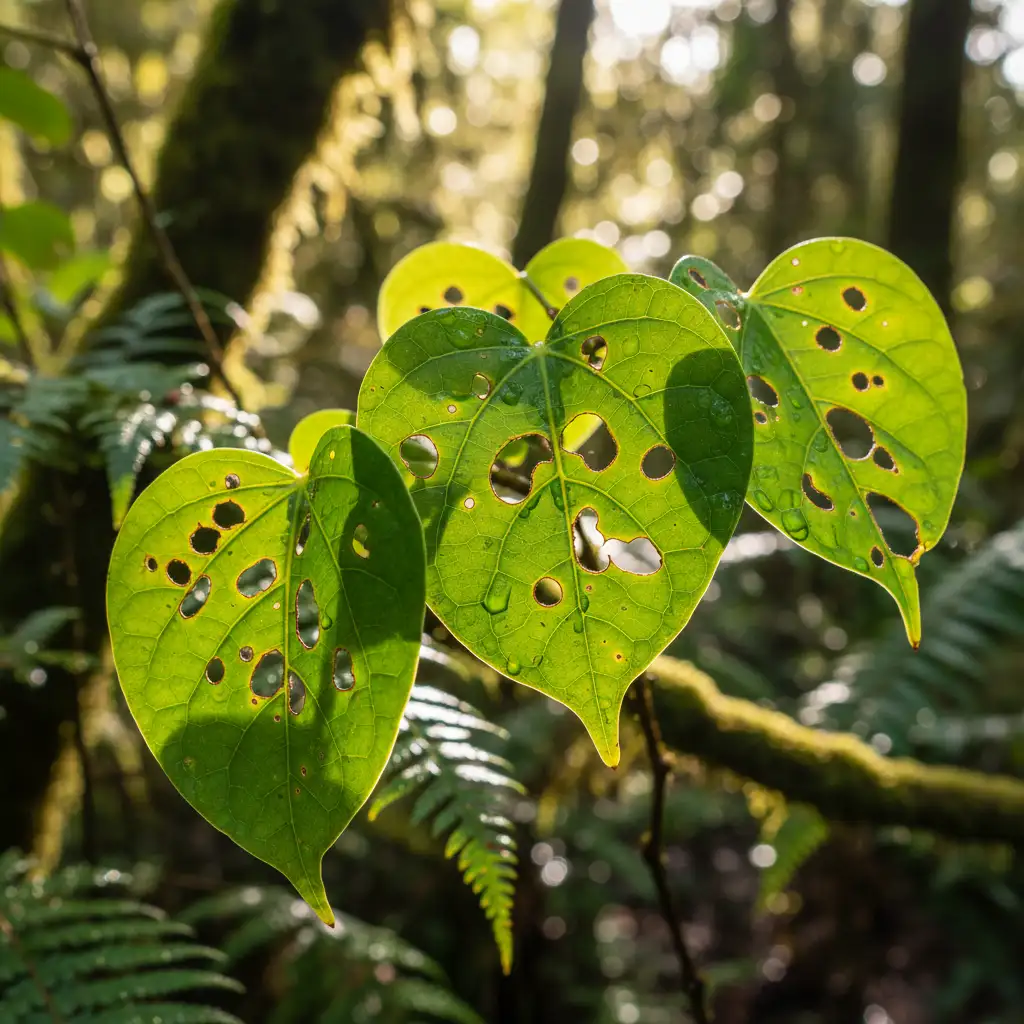
In the high-pressure environment of modern life, the search for authentic, natural solutions to chronic stress has led many back to the ancient wisdom of the forest. Among the native flora of Aotearoa (New Zealand), few plants command as much respect and reverence as Kawakawa. Known scientifically as Piper excelsum, this heart-shaped leaf is not merely a botanical specimen; it is a powerful healer, a bridge to the natural world, and a potent ally in the battle against cortisol and adrenal fatigue.
While often celebrated for its digestive and skin-healing properties, the application of Kawakawa for stress is a profound aspect of Rongoā Māori (traditional Māori healing) that is gaining significant traction in the wellness market. Understanding how to utilize this plant safely, effectively, and respectfully is paramount for anyone seeking to integrate its mana (power) into their daily wellness routine.
The Science and Spirit: How Kawakawa Modulates Stress
To understand the efficacy of Kawakawa for stress, one must look through a dual lens: the biochemical perspective of modern science and the holistic worldview of Te Ao Māori (the Māori world). Stress is not merely a mental state; it is a physiological cascade that affects circulation, digestion, and inflammation levels. Kawakawa addresses these issues systemically.
The Bioactive Compounds: Myristicin and Elemicin
Chemically, Kawakawa is rich in myristicin and elemicin. These phenylpropanoids are structurally similar to compounds found in nutmeg and other sedating spices. When consumed in appropriate, therapeutic doses, these compounds act as mild analgesics and sedatives. They help to down-regulate the sympathetic nervous system—the “fight or flight” response—allowing the parasympathetic nervous system (“rest and digest”) to take over.
Furthermore, Kawakawa is a diaphoretic and a circulatory stimulant. Chronic stress often manifests as physical tension, cold extremities due to vasoconstriction, and stagnant energy. By gently increasing blood flow and warming the body from the inside out, Kawakawa helps to physically release the “holding patterns” of stress stored in the musculature.
The Rongoā Perspective: Mauri and Whakapapa
In Rongoā Māori, healing is not just about chemical constituents; it is about mauri (life force). Stress is often viewed as a disconnection or an imbalance in one’s mauri. Kawakawa is traditionally used to clear spiritual heaviness and restore balance. The ritual of preparing and consuming the plant is just as medicinal as the plant itself. The heart shape of the leaf is often interpreted as a sign of its affinity for healing the heart—not just the physical organ, but the emotional center, alleviating the heavy chest sensation often associated with anxiety.
Preparation Methods: Tea vs. Tincture
When selecting a Kawakawa product for stress management, the delivery method matters. The choice between a hot infusion (tea) and an alcohol-based extraction (tincture) depends on your lifestyle, the severity of your stress, and your specific physiological needs.
Kawakawa Tea (Waireka): The Ritual of Slowing Down
Drinking Kawakawa tea is the most traditional method of consumption. The act of brewing the tea forces a pause in the day, which is intrinsically anti-stress. Water is a universal solvent that extracts the water-soluble flavonoids and glycosides efficiently.
Pros:
- Hydration: Dehydration mimics stress in the body; tea solves this.
- Immediate Warmth: The circulatory stimulating effects are felt rapidly.
- Ritual: The sensory experience (smell, taste, warmth) grounds the user.
Cons:
- Lower Concentration: Requires consuming larger volumes for high therapeutic doses.
- Preparation Time: Requires boiling water and steeping time.

Kawakawa Tincture: High-Potency Convenience
Tinctures utilize alcohol (ethanol) to extract a wider range of compounds, including those that are not water-soluble. This results in a highly concentrated medicine. For high-stress professionals or those treating acute anxiety, tinctures offer a rapid, potent solution.
Pros:
- Bioavailability: Alcohol extracts enter the bloodstream quickly, often sublingually.
- Potency: A few drops can equal a cup of tea in terms of active ingredients.
- Convenience: Easy to carry and administer during a stressful workday.
Cons:
- Taste: Can be peppery and medicinal, which some find unpleasant.
- Alcohol Content: Not suitable for those avoiding alcohol (though glycerites are an alternative).
The Gut-Brain Axis: A Hidden Stress Pathway
One of the most overlooked mechanisms by which Kawakawa alleviates stress is through the gut-brain axis. Modern research has firmly established that the gut produces a vast majority of the body’s serotonin (the “happy hormone”). Chronic stress wreaks havoc on digestion, causing bloating, indigestion, and inflammation, which in turn signals the brain to produce more stress hormones.
Kawakawa is arguably best known as a digestive tonic. Its antispasmodic properties relax the smooth muscles of the stomach and intestines, relieving cramping and bloating. By soothing the gut and reducing gastrointestinal inflammation, Kawakawa interrupts the feedback loop of stress. When the gut is calm, the mind is better positioned to follow suit. This makes Kawakawa particularly effective for individuals who carry their stress in their stomachs (nervous tummy).
Dosage Guidelines for Daily Management
Navigating the dosage of herbal tonics requires a nuanced approach. Unlike synthetic pharmaceuticals, Rongoā works with the body’s natural rhythms. However, general guidelines ensure safety and efficacy.

For Tea (Infusion)
Standard Dose: 1 to 3 cups daily.
Preparation: Use approximately 3-5 fresh leaves (or 1 tablespoon of dried leaf) per cup. Simmer gently for 10-15 minutes rather than just steeping, to break down the cellular walls of the sturdy leaf. For stress, it is best consumed in the evening to aid wind-down, or mid-morning to manage cortisol spikes.
For Tincture (1:5 Ratio)
Standard Dose: 2ml to 5ml, taken 2-3 times daily.
Acute Stress: In moments of high anxiety, a 5ml dose can be taken immediately. It is recommended to hold the liquid under the tongue for 30 seconds before swallowing to maximize absorption.
Note: Always consult with a healthcare professional before beginning a new herbal regimen, especially if you are pregnant, breastfeeding, or taking blood-thinning medication, as Kawakawa can have mild blood-thinning effects.
Compliance and Tikanga: Sourcing Safe Kawakawa
In the market of Rongoā Māori, “Compliance” goes beyond standard food safety regulations; it encompasses Tikanga (cultural protocols) and environmental stewardship. When purchasing Kawakawa products for stress, or harvesting it yourself, specific criteria must be met to ensure the medicine is safe and spiritually sound.
Identifying the “True” Medicine
Not all Kawakawa leaves are created equal. In Rongoā tradition, the leaves with holes in them are considered the most medicinal. These holes are created by the caterpillar of the Kawakawa Looper Moth (Cleora scriptaria). The plant responds to this “attack” by flooding the leaf with secondary metabolites (defense chemicals) to deter the insect. These are the very compounds that provide the therapeutic benefit to humans. Pristine, unblemished leaves are often considered “lazy” and less potent.
Sourcing and Safety
1. Spray-Free Guarantee: Ensure the product is certified organic or wild-harvested from an area guaranteed to be free of agricultural run-off and council spraying. Consuming concentrated pesticides in a tincture is counterproductive to health.
2. Roadside Avoidance: Never harvest or buy Kawakawa sourced from roadsides. The plant is a bio-accumulator and will absorb lead and exhaust particulates from vehicles.
3. Sustainable Harvesting (Tikanga): Authentic suppliers follow Tikanga. This involves:
- Karakia: Saying a prayer of gratitude before harvesting.
- Sustainability: Never stripping a branch bare. Taking only what is needed and leaving the “parents” (the main stems) and the “babies” (new shoots) intact.
- Daylight: Harvesting is traditionally done during the day when the plant’s energy is rising, not at night.

Regulatory Considerations
For consumers and practitioners, it is vital to note that under the New Zealand Natural Health Products Bill and international regulations, Kawakawa is a “supplement” or “food,” not a registered pharmaceutical drug. Reputable brands will not make claims to “cure” anxiety disorders or depression. Instead, they will use compliant language such as “supports nervous system health,” “aids in relaxation,” and “helps manage response to stress.” Look for this nuanced language as a sign of a professional, compliant manufacturer.
Conclusion
Kawakawa offers a powerful, indigenous solution to the global epidemic of chronic stress. Whether consumed as a warming tea or a potent tincture, it works to soothe the nervous system, improve circulation, and heal the gut-brain axis. However, the efficacy of Kawakawa is inextricably linked to the quality of the plant and the respect with which it was harvested. By choosing high-quality, sustainably sourced Kawakawa, you are not only treating your stress but also participating in a lineage of healing that honors the earth and its cycles.
Frequently Asked Questions
Can I drink Kawakawa tea every day for stress?
Yes, Kawakawa tea is generally considered safe for daily consumption as a tonic. However, it is recommended to take breaks (e.g., 6 weeks on, 1 week off) to maintain the body’s responsiveness to the herb. Always listen to your body and consult a professional if you have underlying health conditions.
Does Kawakawa make you sleepy?
Kawakawa is not a hypnotic sedative like sleeping pills; it won’t knock you out. Instead, it acts as a relaxant that reduces nervous tension and physical tightness. This relaxation often leads to better sleep quality, but it can be taken during the day without causing drowsiness.
Why are leaves with holes better for stress relief?
Leaves with holes have been eaten by the Looper Moth caterpillar. This triggers the plant to produce higher concentrations of defense chemicals (secondary metabolites) like myristicin. In Rongoā Māori, these “holey” leaves are recognized as being stronger and more medicinally potent than unblemished leaves.
Are there any side effects of taking Kawakawa?
Kawakawa is generally well-tolerated. However, in very high doses, it can cause mild gastrointestinal upset or a numbing sensation in the mouth (due to its kinship with Kava). Because it moves the blood, those on blood-thinning medication should consult a doctor before regular use.
Can I combine Kawakawa with other stress herbs?
Yes, Kawakawa blends beautifully with other nervines. Common pairings include Lemon Balm, Chamomile, or Passionflower. These combinations can create a synergistic effect, enhancing the stress-relieving properties of the tonic.
Is Kawakawa safe during pregnancy?
Caution is advised. While Kawakawa has been used traditionally, modern medical advice often suggests avoiding potent herbal circulatory stimulants during the first trimester. It is imperative to consult with your midwife or GP before using Kawakawa products while pregnant.