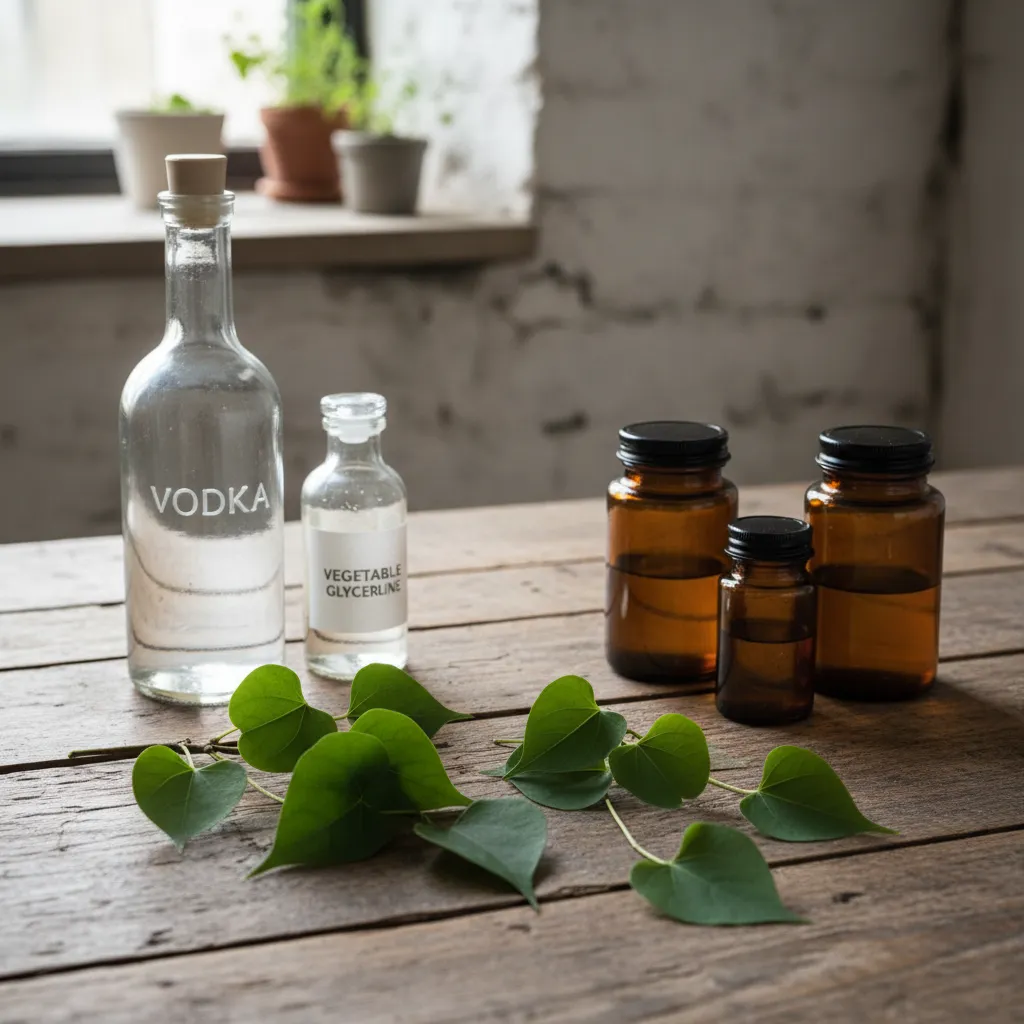
Herbal infused oil NZ refers to the therapeutic preparation of macerating New Zealand native botanicals, such as Kawakawa, Mānuka, and Tarata, into stable carrier oils to extract their medicinal properties. To create these oils effectively, practitioners typically dry the plant matter to remove moisture before steeping it in oils like almond or olive oil for 4 to 6 weeks via the solar method, or using controlled heat for faster results, resulting in potent lipids used for massage, Rongoā Māori healing, and natural skincare at Home.
The Foundation: Choosing the Best Carrier Oils
Before selecting your native greenery, the integrity of your herbal infused oil relies heavily on the quality of the carrier oil—also known as the menstruum. The carrier oil acts as the solvent that pulls the lipid-soluble constituents (such as essential oils, resins, and waxes) out of the plant material. In the context of New Zealand skincare, we aim for oils that are shelf-stable and compatible with a wide range of skin types.
While traditional Rongoā Māori might have historically utilized animal fats (like kererū or seal fat), modern herbalists primarily use plant-based cold-pressed oils. Here are the top contenders available in New Zealand:
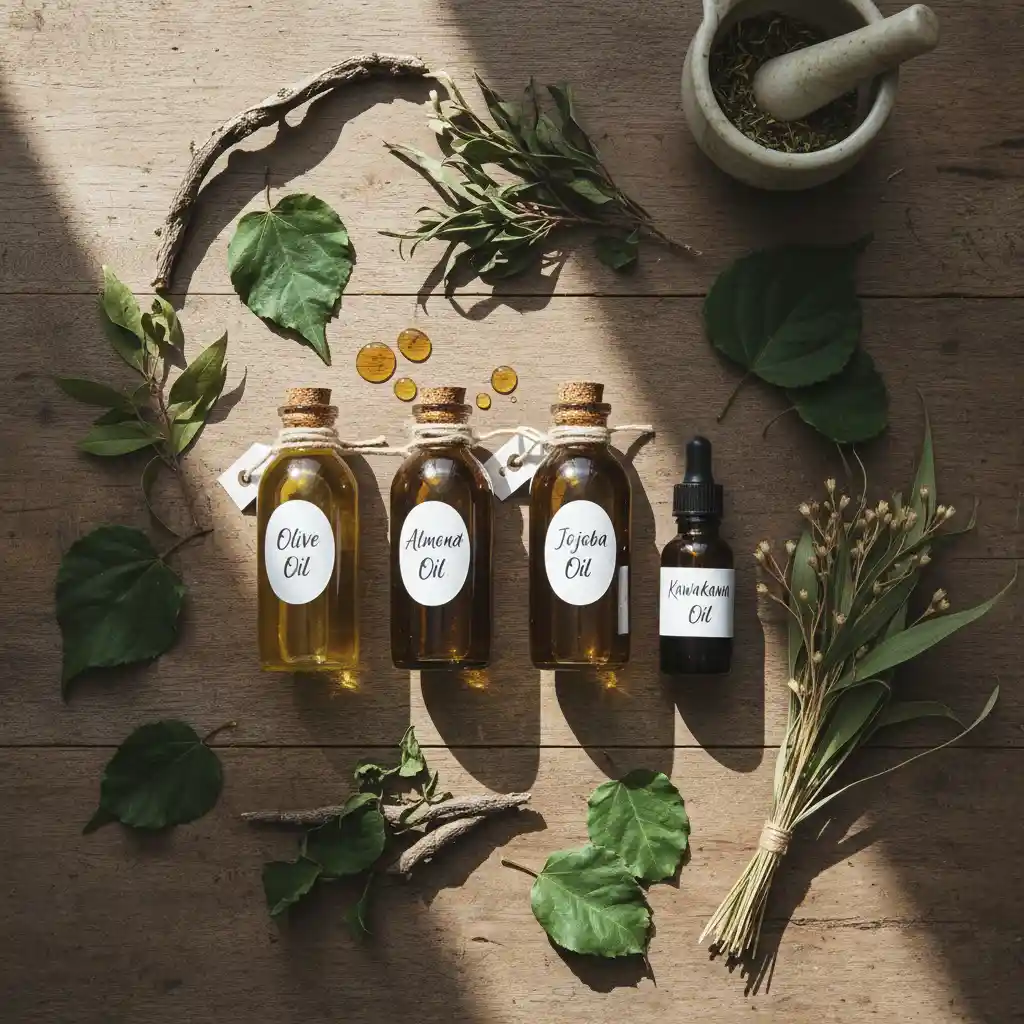
- Sweet Almond Oil: A versatile, pale oil that is slow to go rancid. It is moderately light and absorbs well, making it the industry standard for massage oils. It is hypoallergenic enough for most sensitive skin types.
- Olive Oil (Extra Virgin): Highly stable and resistant to oxidation, olive oil is fantastic for medicinal salves and balms where the scent of the oil is secondary to its healing power. It is heavier and greener, often used for deep tissue massage.
- Jojoba Oil: Technically a liquid wax, jojoba mimics the human skin’s natural sebum. It has an incredibly long shelf life, making it ideal for high-end facial serums infused with premium herbs like Mānuka.
- Hemp Seed Oil: Often grown in New Zealand, hemp seed oil is rich in Omega-3 and Omega-6 fatty acids. However, it has a shorter shelf life and is heat sensitive, so it is best used for cold infusions intended for immediate use.
- Sunflower Oil: A lighter, non-comedogenic option that is rich in Vitamin E. It is an excellent cost-effective carrier for large batches intended for full-body application.
Top NZ Native Herbs for Infusions
New Zealand’s flora evolved in isolation, resulting in bioactive compounds found nowhere else on earth. When creating herbal infused oil in NZ, the following plants are the most sought-after for their topical benefits, though for constitutional support, many also look to Nux Vomica: The Modern Lifestyle Remedy.
Kawakawa (Piper excelsum)
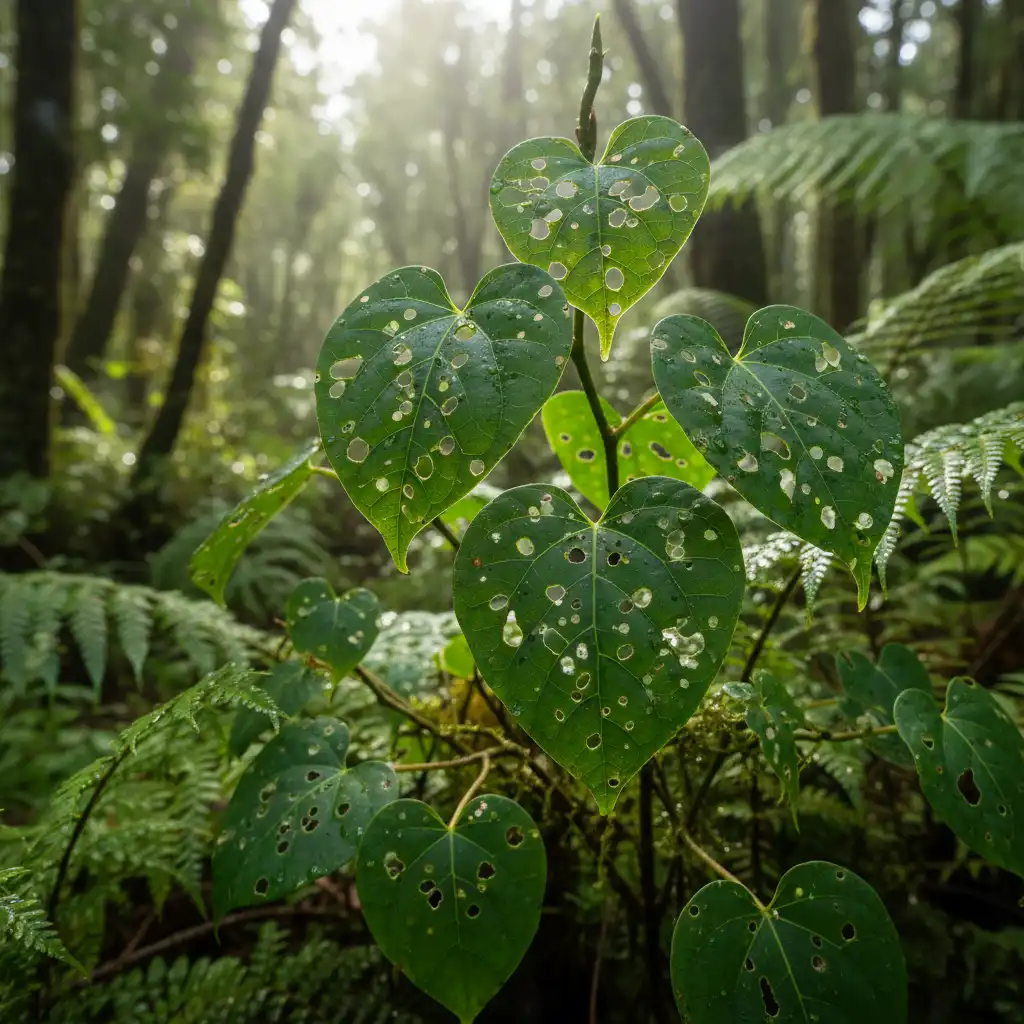
Often referred to as the “Pharmacy of the Forest,” Kawakawa is the superstar of native herbal medicine. The heart-shaped leaves contain myristicin and diayangambin, which provide powerful anti-inflammatory and analgesic (pain-relieving) properties. A Kawakawa infusion is the gold standard for treating eczema, insect bites, psoriasis, and minor cuts. It creates a deep green, peppery-smelling oil that is warming to the skin, which can be a valuable part of a Naturopathic Approach to Seasonal Allergies.
Mānuka (Leptospermum scoparium)
While famous for honey, the leaves of the Mānuka tree are equally potent. Mānuka leaf oil is antibacterial, antifungal, and calming. Infusing the leaves creates an oil that is excellent for acne-prone skin, fungal infections (like athlete’s foot), and muscle tension. It has a distinct, earthy aroma that pairs well with lavender or eucalyptus.
Tarata (Lemonwood)
Tarata leaves emit a stunning lemon fragrance when crushed. Historically, Māori used the gum and leaves for scenting oils. In a modern context, Tarata infused oil is uplifting and commonly used in massage blends to relieve sore muscles and rheumatic pain. It brings a fresh, citrus element to otherwise earthy blends.
Harakeke (Phormium tenax)
The root and the gel found at the base of the Harakeke fan are hydrating and cooling, similar to Aloe Vera. However, for oil infusions, the seeds are increasingly popular due to their high content of essential fatty acids. Harakeke seed oil infusions are deeply restorative for dry or mature skin.
Tikanga: Protocols for Sustainable Harvesting
Creating herbal infused oils in New Zealand involves more than just botany; it involves cultural respect. Tikanga (protocol) guides the harvesting process to ensure sustainability and spiritual safety.
Always adhere to these principles:
- Karakia (Prayer/Intention): Begin with an acknowledgement of Tāne Mahuta (God of the Forest) and set a clear intention for healing.
- Ask Permission: Mentally or verbally ask the plant for permission to harvest.
- Harvest Sustainably: Never strip a tree bare. Take only what you need (usually less than 10% of the foliage) and harvest from different sides of the plant to maintain balance. For Kawakawa, look for the leaves with holes in them; the caterpillar (looper moth) knows which leaves contain the highest concentration of active medicine.
- Give Thanks: Return a small portion of the harvest or a token of gratitude to the earth at the base of the tree.
For more information on the botanical identification and protection of these species, you can consult resources provided by the Department of Conservation (DOC).
Cold vs. Heat: Methods of Infusion
There are two primary schools of thought when extracting herbal properties into oil: the patient Cold (Solar) Infusion and the expedited Heat Infusion.
1. Solar/Cold Maceration (Traditional)
This is the preferred method for preserving delicate plant compounds and preventing the degradation of heat-sensitive oils. It relies on the sun’s gentle warmth and time.
- Pros: Preserves vitamins, enzymes, and delicate aromatics. Zero chance of “frying” the herb.
- Cons: Takes 4 to 6 weeks. Requires patience and monitoring for mold.
- Best for: Fresh flowers, delicate leaves like Mānuka tips, and oils like Hemp or Sunflower.
2. Heat Infusion (Double Boiler)
This method uses controlled heat to force the extraction over a few hours. It is excellent for roots, barks, or tough leaves like Kawakawa.
- Pros: Ready in 3-6 hours. Reduces the risk of bacterial growth as moisture evaporates quickly.
- Cons: High heat can destroy some beneficial properties. Requires constant supervision.
- Best for: Kawakawa, bark, roots, and stable oils like Olive or Coconut.

Step-by-Step Guide to Making Your Oil
Follow this definitive process to create a high-quality Kawakawa or mixed herbal oil.
Step 1: Preparation and Drying
Crucial Rule: Water is the enemy of infused oil. Moisture creates an environment for bacteria (including botulism) and mold.
- Harvest your herbs following Tikanga.
- Wash them gently to remove dust/debris.
- Wilt/Dry: Lay the herbs out on a rack in a warm, dry place for 24-48 hours. They should be “wilted” (limp and losing moisture) or “cracker dry.” For beginners, using fully dried herbs is the safest way to prevent spoilage.
Step 2: The Ratio
Fill a sterilized glass jar about halfway to three-quarters full with your dried plant material. Do not pack it too tightly; the oil needs to circulate. Cover the herbs completely with your chosen carrier oil, leaving about an inch of oil above the herbs to allow for expansion.
Step 3: The Infusion
Solar Method: Cap the jar tightly. Place it on a sunny windowsill. Shake the jar gently every day for 4 to 6 weeks. Watch for condensation inside the lid; if you see it, wipe it off immediately to prevent mold.
Heat Method: Place your herbs and oil in a double boiler (a bowl over a pot of simmering water). Keep the heat very low; the oil should never boil or smoke. Maintain a temperature around 40°C – 50°C (100°F – 120°F) for 3 to 4 hours.
Step 4: Straining
Once the oil has taken on the color and scent of the herb (Kawakawa turns the oil a deep emerald green), strain the mixture through a cheesecloth or muslin bag into a clean, sterilized bottle. Squeeze the cloth tightly to extract every drop of potent oil.
Applications for Massage and Skincare
Once you have your liquid gold, the applications are vast. In the NZ wellness market, these oils are highly valued for their versatility.
Therapeutic Massage
Kawakawa and Tarata oils are exceptional for Mirimiri and Romiromi (traditional Māori bodywork). The anti-inflammatory nature of the plants assists in releasing deep-seated tension and reducing joint inflammation. The slip provided by almond or olive oil allows for long, flowing strokes.
Healing Salves and Balms
To turn your oil into a portable balm, gently heat the infused oil and add beeswax. A standard ratio is 1 part beeswax to 4 or 5 parts infused oil. Pour into tins to set. These balms are staples in NZ households for nappy rash, gardener’s hands, and insect bites.
Facial Serums
For facial care, use lighter oils like Jojoba infused with Mānuka or Totara. Apply 2-3 drops to damp skin at night to combat acne bacteria and soothe redness without clogging pores.

Preservation and Safety Standards
Homemade herbal infused oils do not last forever. Because they contain no synthetic preservatives, they are subject to oxidation.
- Vitamin E: To extend shelf life, add 0.5% to 1% Vitamin E (Tocopherol) oil to your finished product. This acts as an antioxidant, delaying the onset of rancidity.
- Storage: Store your oils in amber or cobalt blue glass bottles to protect them from UV light degradation. Keep them in a cool, dark cupboard.
- Labeling: Always label your jars with the herb used, the carrier oil used, and the date of bottling. Most homemade oils are best used within 6 to 12 months.
For further reading on the medicinal properties of New Zealand flora, Te Ara – The Encyclopedia of New Zealand offers comprehensive historical context on Rongoā.
People Also Ask
What is the best oil for infusing Kawakawa?
For general skincare and balms, olive oil is the best choice due to its stability and shelf life. For massage oils, sweet almond oil is preferred because it is lighter and absorbs faster into the skin. Some practitioners mix coconut oil and olive oil for a balance of texture and stability.
How long does homemade herbal infused oil last?
If prepared correctly with dried herbs and stored in a cool, dark place, homemade herbal oil typically lasts between 6 to 12 months. Adding Vitamin E oil can help extend the shelf life. If the oil smells rancid (like old crayons) or develops mold, discard it immediately.
Can I infuse fresh herbs into oil?
While possible, it is risky for beginners. Fresh herbs contain water, which can lead to bacterial growth and mold within the oil. It is highly recommended to wilt herbs for 24 hours or dry them completely before infusing to ensure a safe, stable product.
What is the difference between essential oil and infused oil?
Essential oils are highly concentrated volatile compounds extracted via steam distillation and must be diluted before use. Infused oils are carrier oils that have been steeped with plant matter; they are much gentler, contain fatty acids, and can be applied directly to the skin in large quantities.
What are the benefits of Mānuka infused oil?
Mānuka infused oil is renowned for its antimicrobial, antifungal, and anti-inflammatory properties. It is particularly effective for treating acne, fungal skin infections, minor cuts, and soothing muscle aches. It is a gentle alternative to the very strong Mānuka essential oil.
Is it legal to harvest native plants in New Zealand?
You may harvest native plants on your own private land. However, harvesting on public conservation land (managed by DOC) is generally prohibited without a concession or permit. Always respect Tikanga and local regulations, and never harvest rare or threatened species.